Did you know that naming the famous bird a “turkey” was actually a 500-year-old mistake? Traders long ago named the American bird after an old trade route. Today, a Turkey tattoo is far more than a sign for a holiday meal. It is a powerful choice for those seeking meaningful tattoos. It can show your national pride or a deep link to nature. For many, this bird is the “Earth Eagle.” It stands for abundance, courage, and being grounded.
As a tattoo designer and enthusiast, I’ve sketched and advised on dozens of turkey-themed tattoo ideas for clients who wanted meaningful ink rooted in symbolism — from harvest gratitude to personal heritage. Based on these sessions, this guide highlights not just pretty designs but what they mean on real people.
Why the Name?
Before you get inked, you should know the fun story behind the name. It was actually one big mistake! Long ago, European traders acquired a bird from Africa known as the guinea fowl. They bought it through the Ottoman Empire, which people then called “Turkey”.
When English settlers came to North America, they saw a new bird. It looked a lot like the one from the traders. So, they called it a turkey, too.
- In English, we call the bird “Turkey” after the trade route.
- In Turkish, they call the bird “Hindi” because they thought it came from India.
- In French, they call it “Dinde”, which also means “from India”.
This “turkey conspiracy” makes for great trivia. It shows how our world is connected by old trade and a few happy errors.
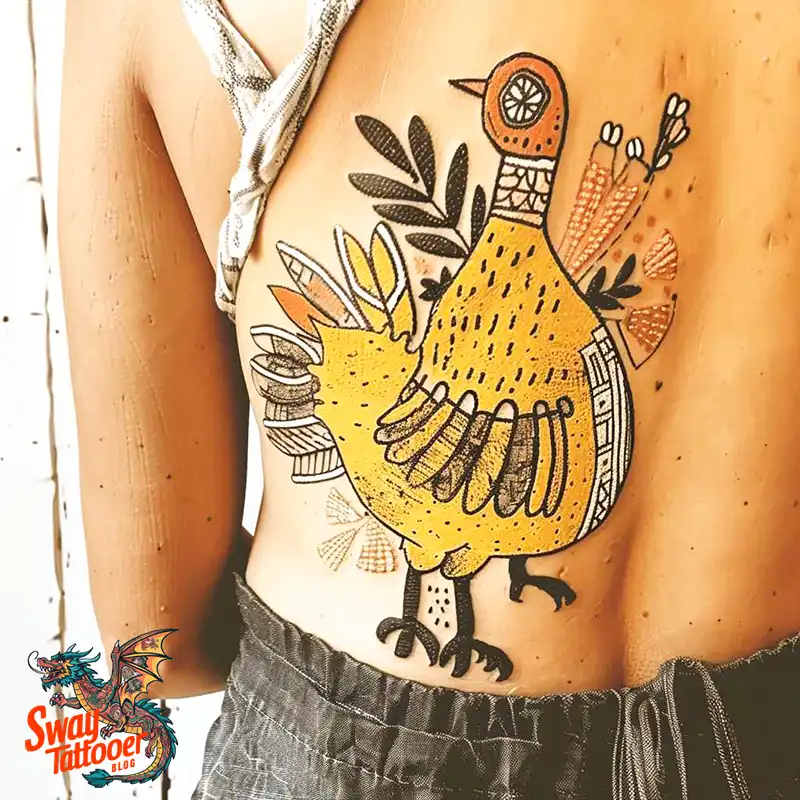

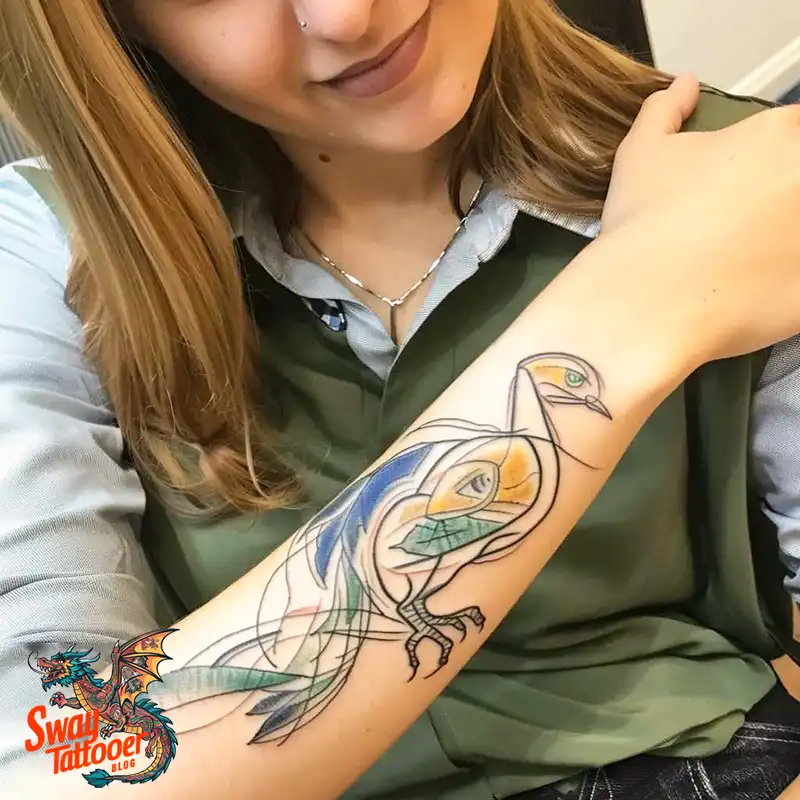
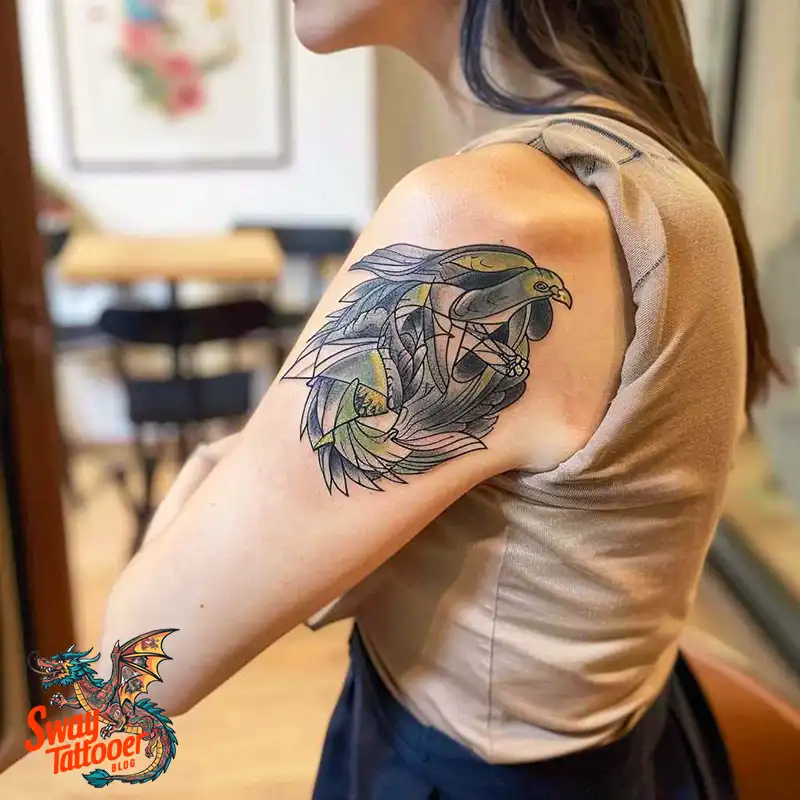
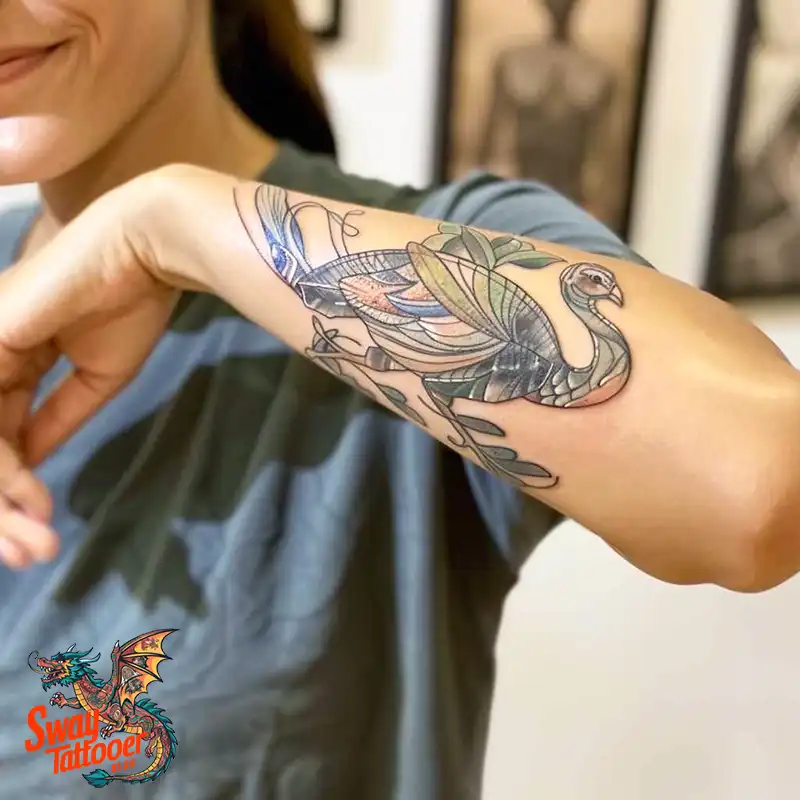
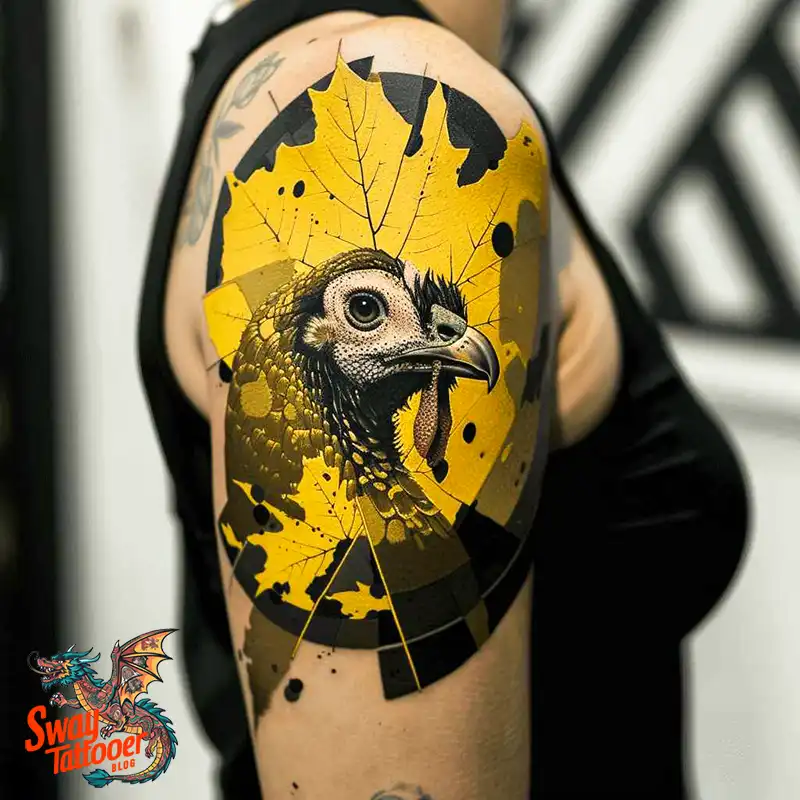

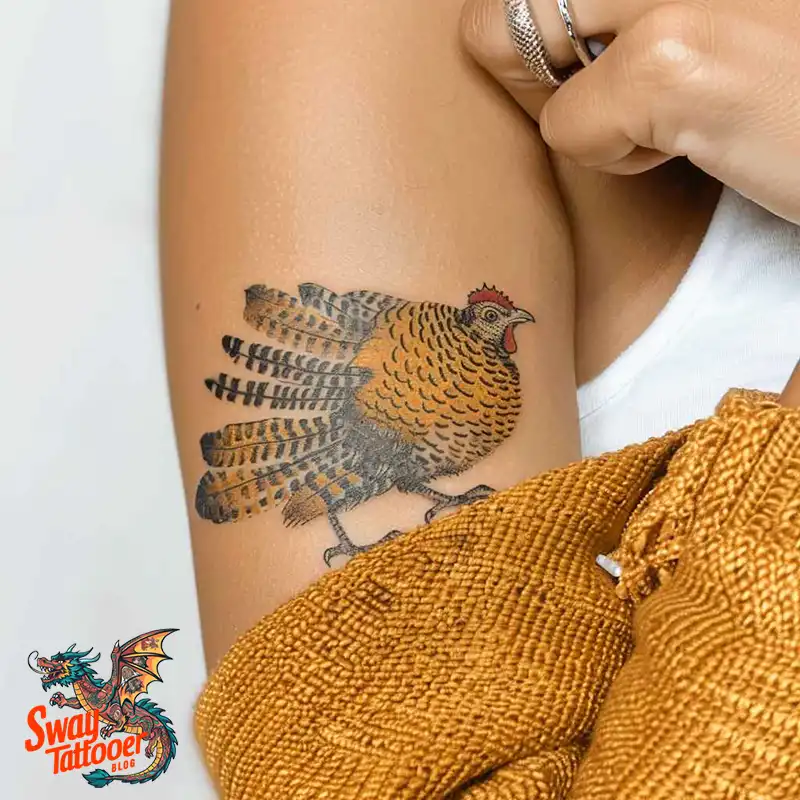
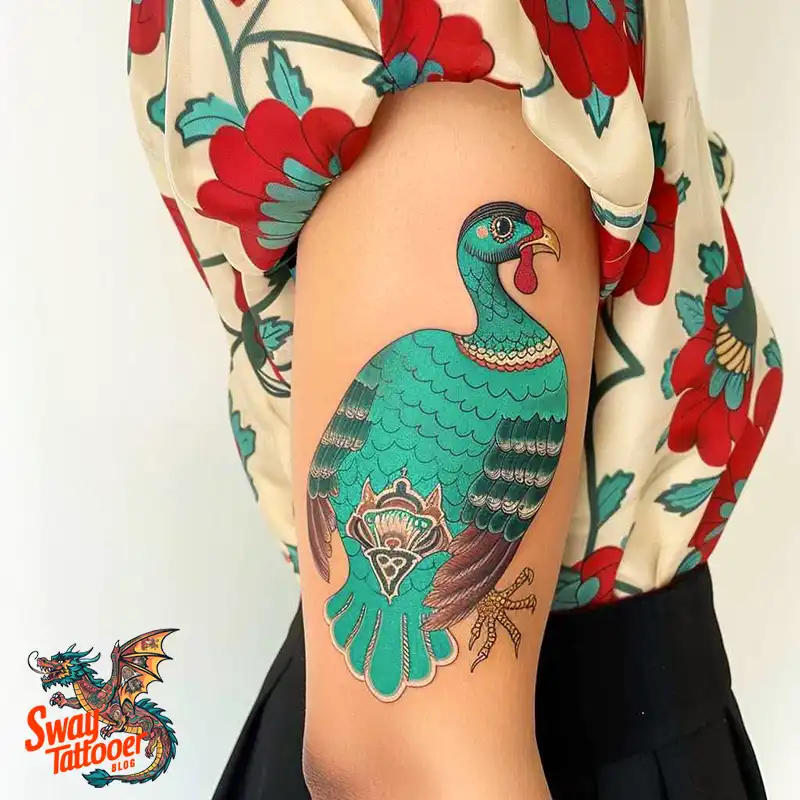
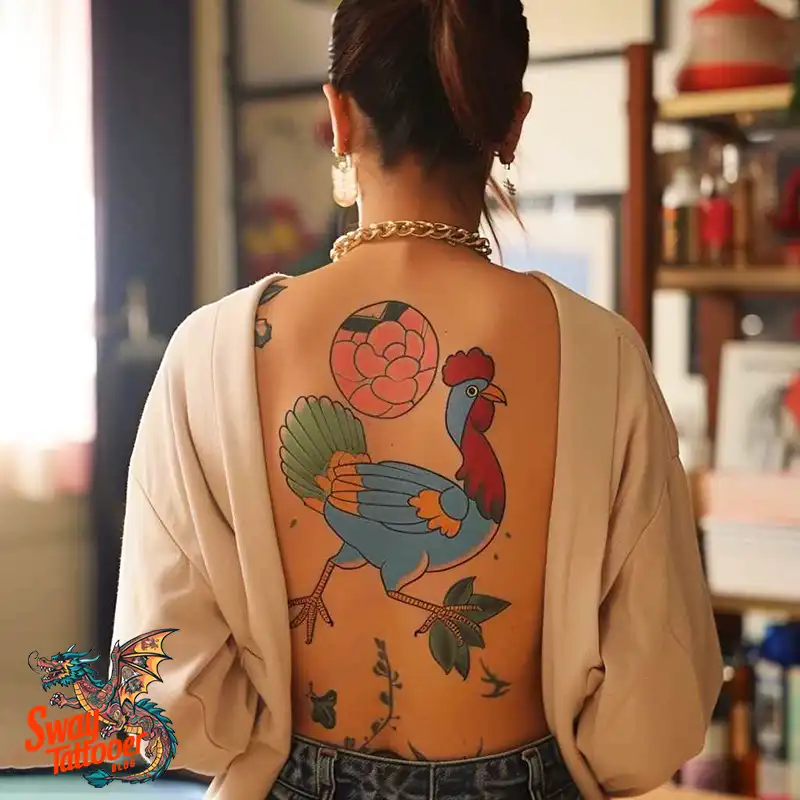
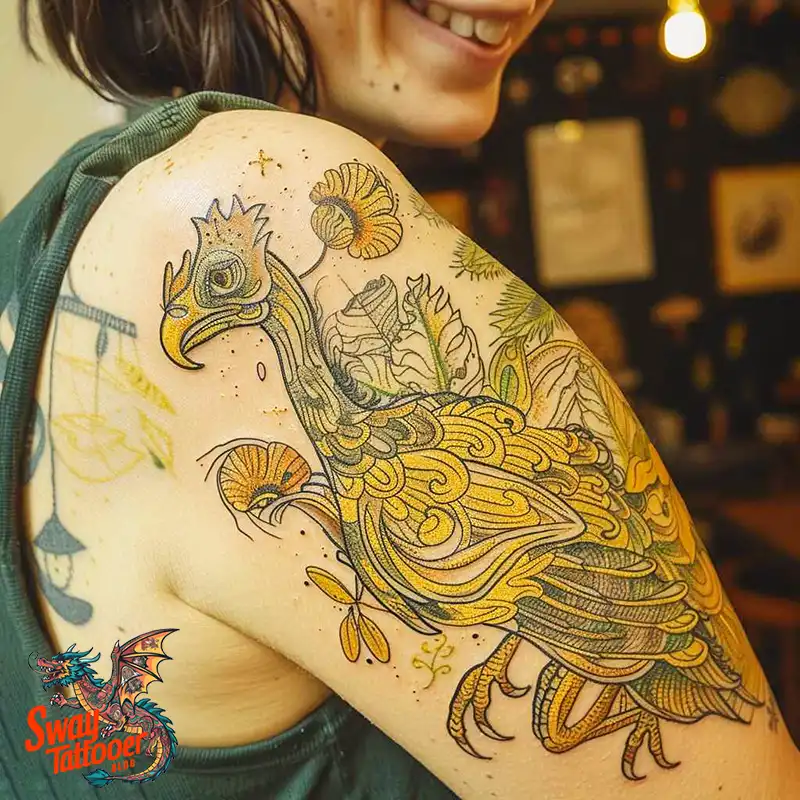
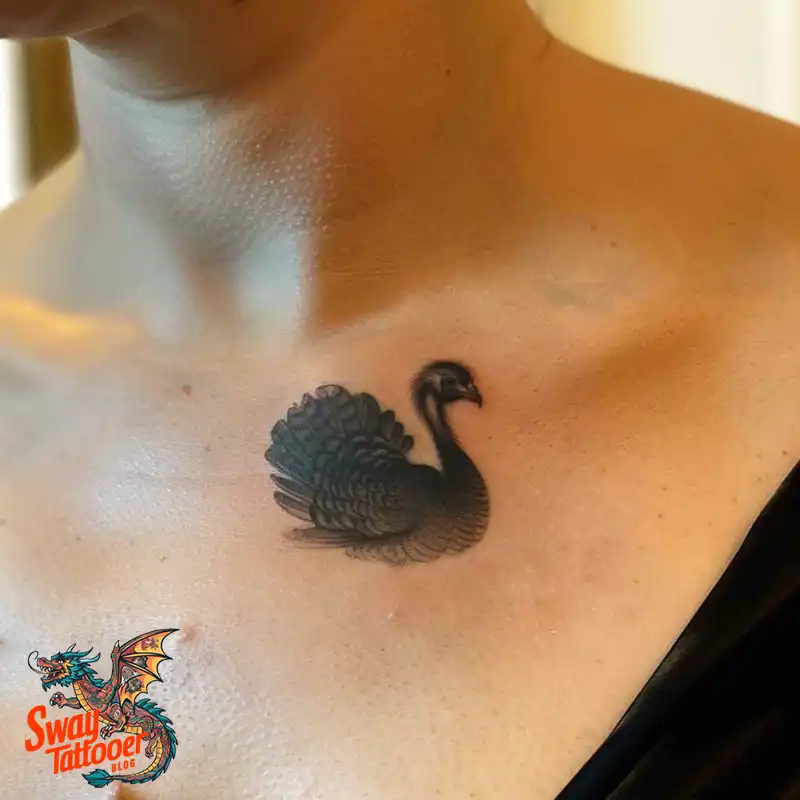
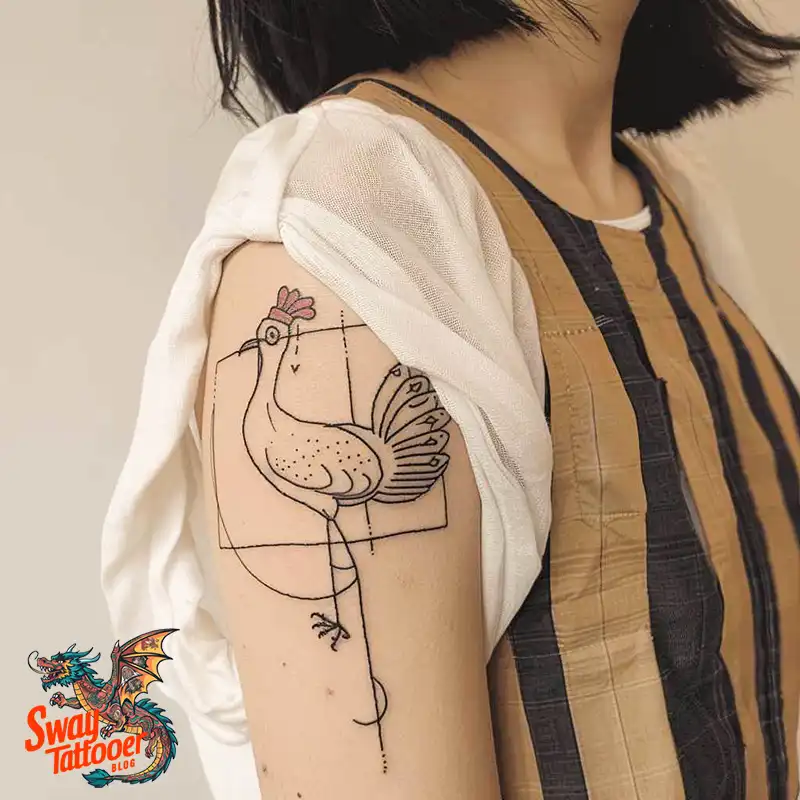
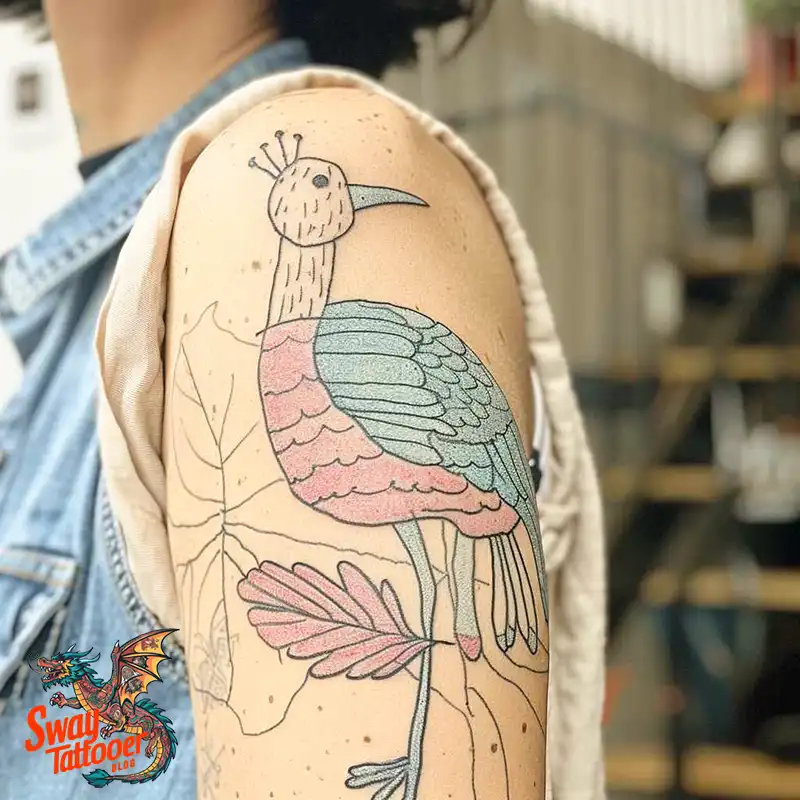

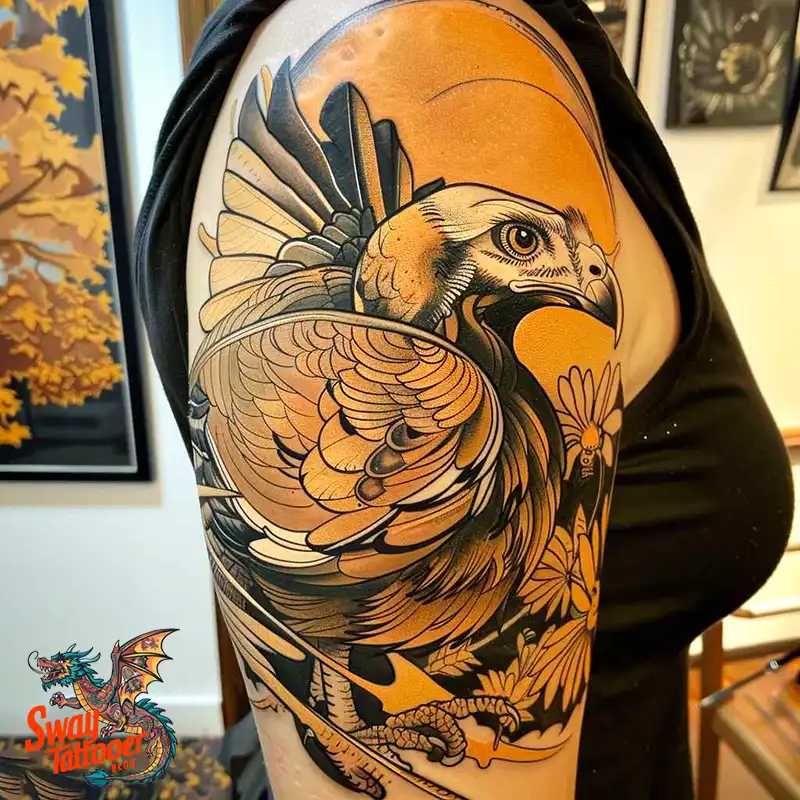

Symbolism:
Turkey tattoos most often symbolize abundance, community, and gratitude — reflecting the bird’s cultural association with harvest and togetherness.
Native American Spirit Guides
For many tribes, the turkey is a sacred teacher. It is a sign of fertility and a provider for the people.
- Cherokee Tales: The turkey is a pioneer. It led all other birds out of the earth in their creation story.
- Apache Gift: A famous story says the turkey shook its feathers to give corn to humans. It is a symbol of agriculture and life.
- Pima Rain Spirit: Some believe the bird can predict the weather and bring life-giving rain.
- Zuni Lessons: The turkey teaches us to keep our word and stay humble.
The “Big Monster” of the Aztecs
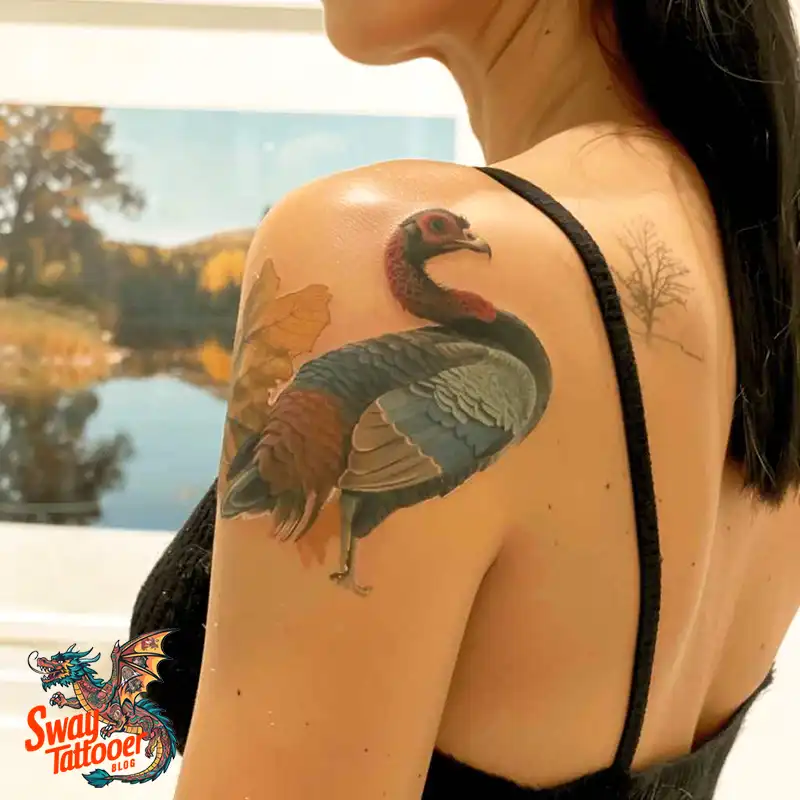
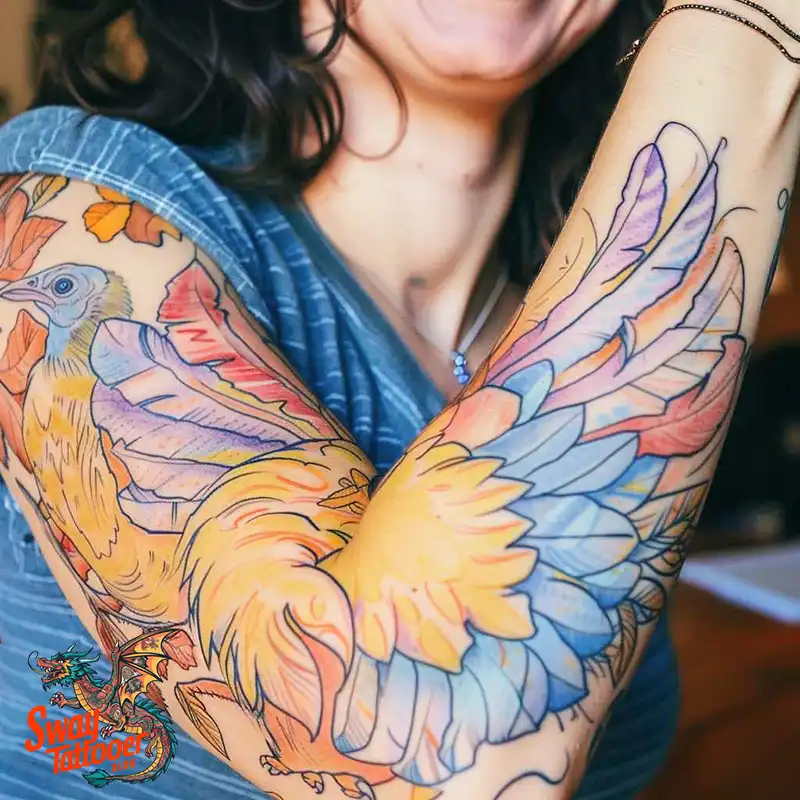
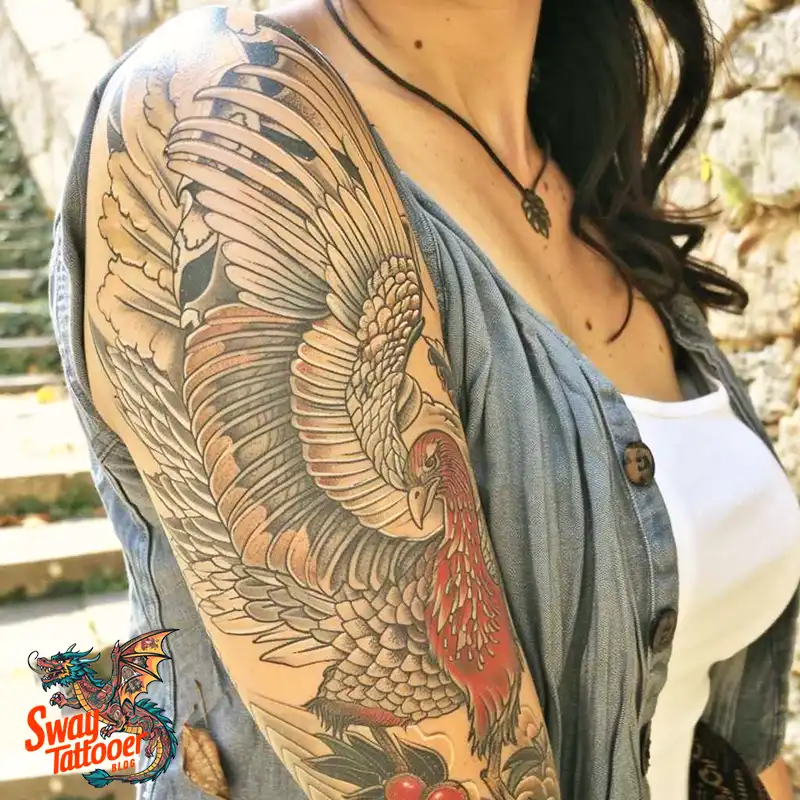
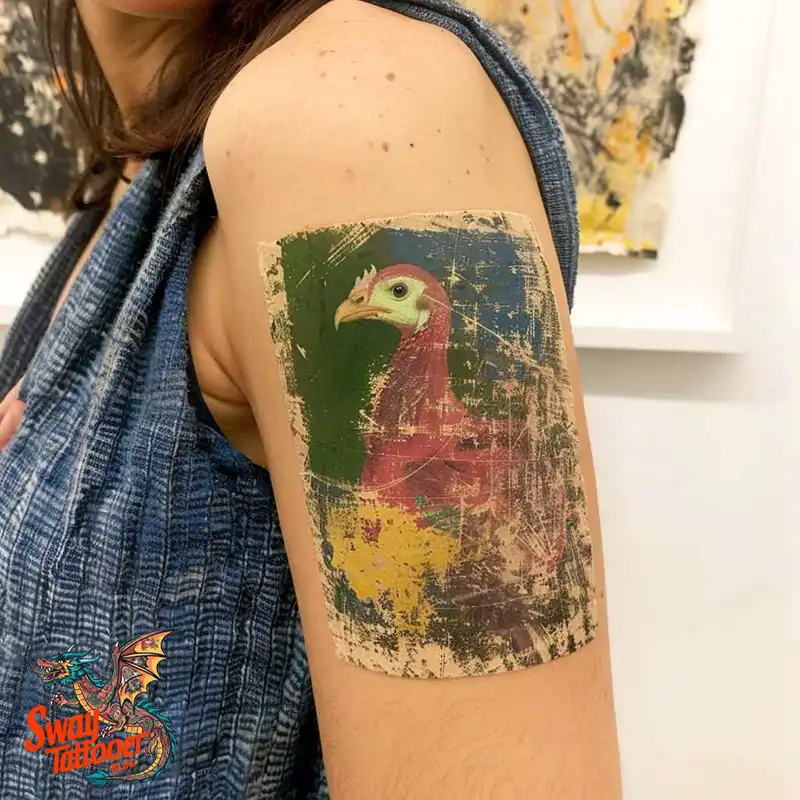
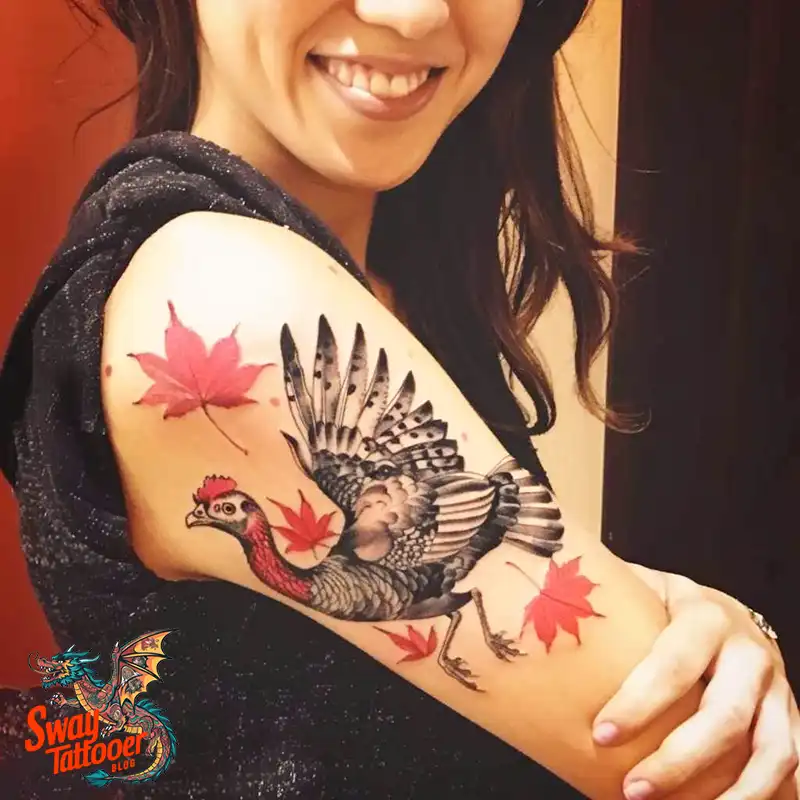
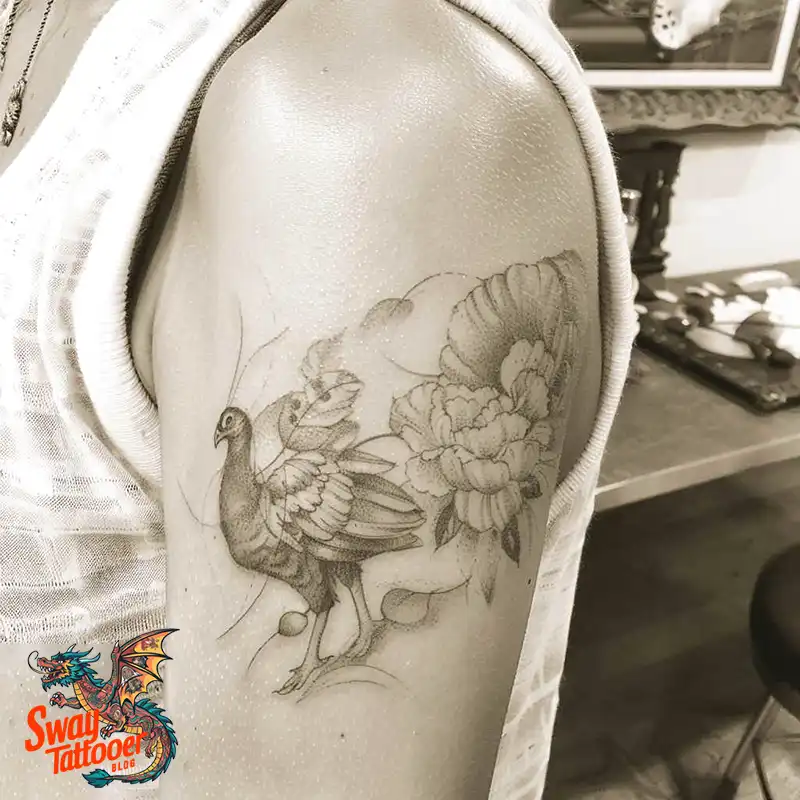
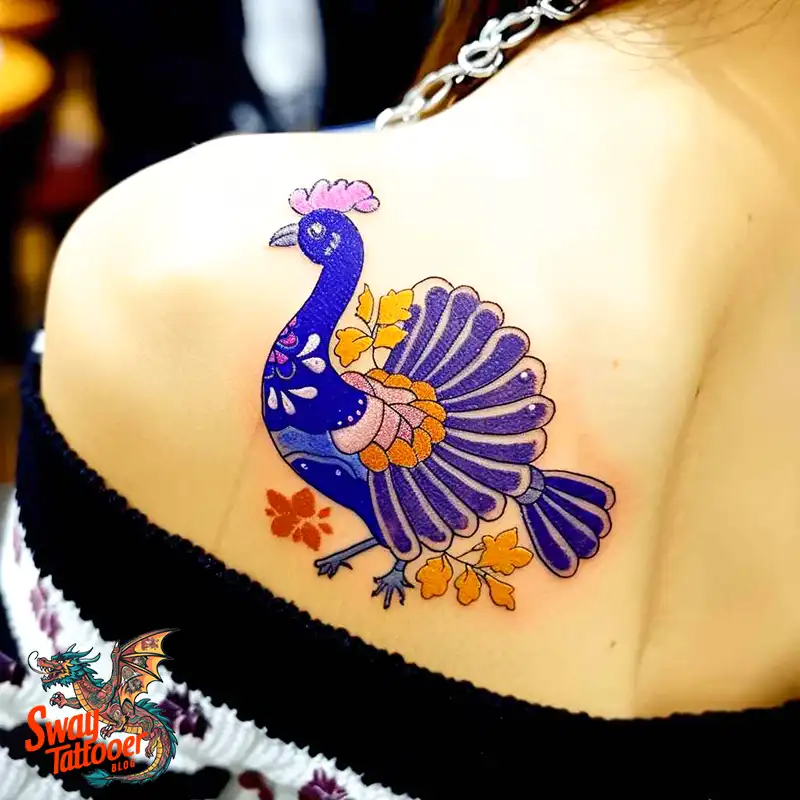
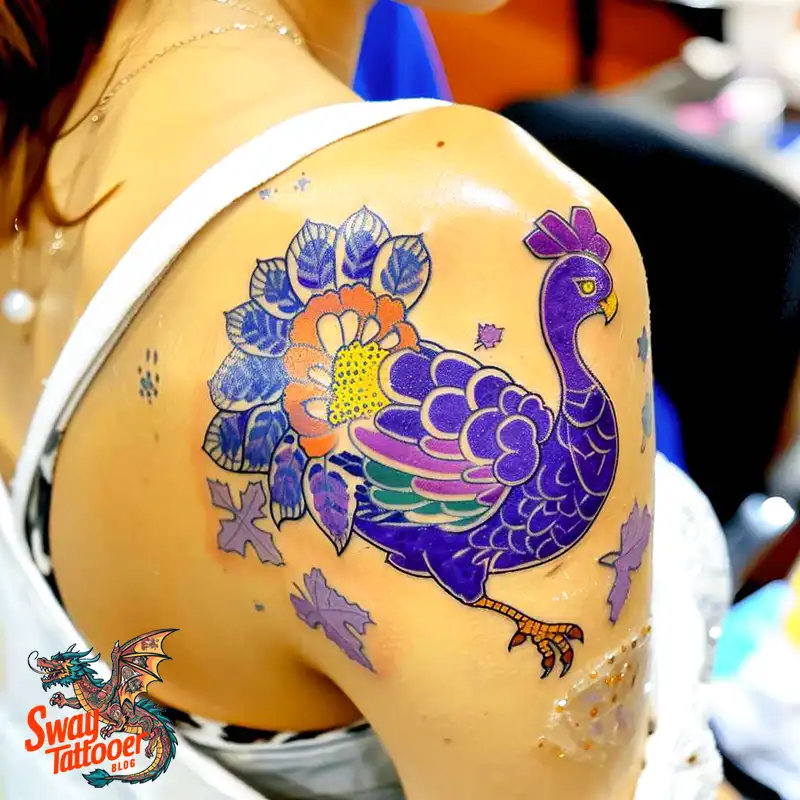
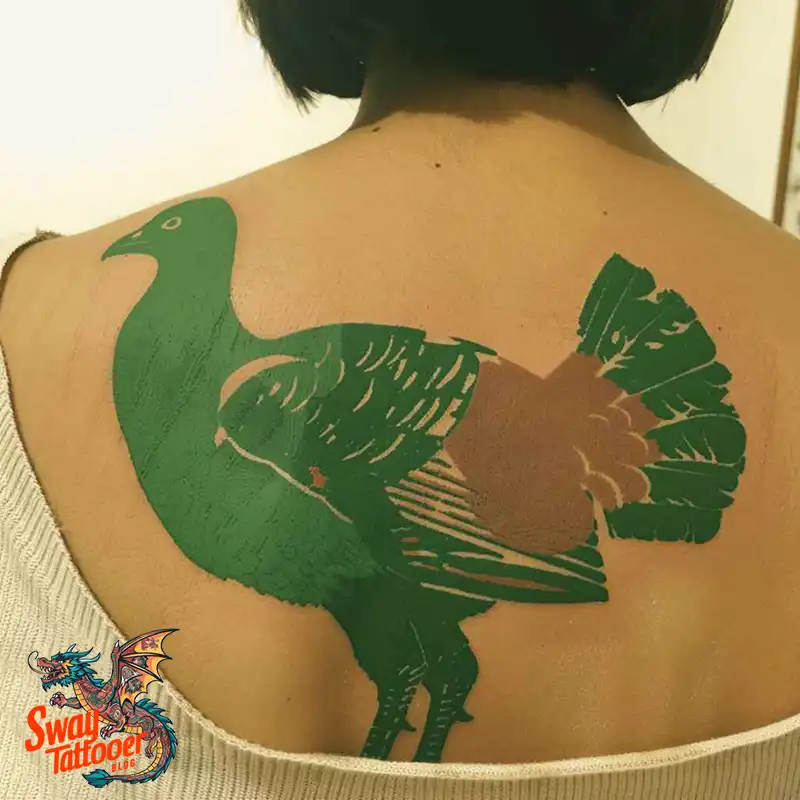
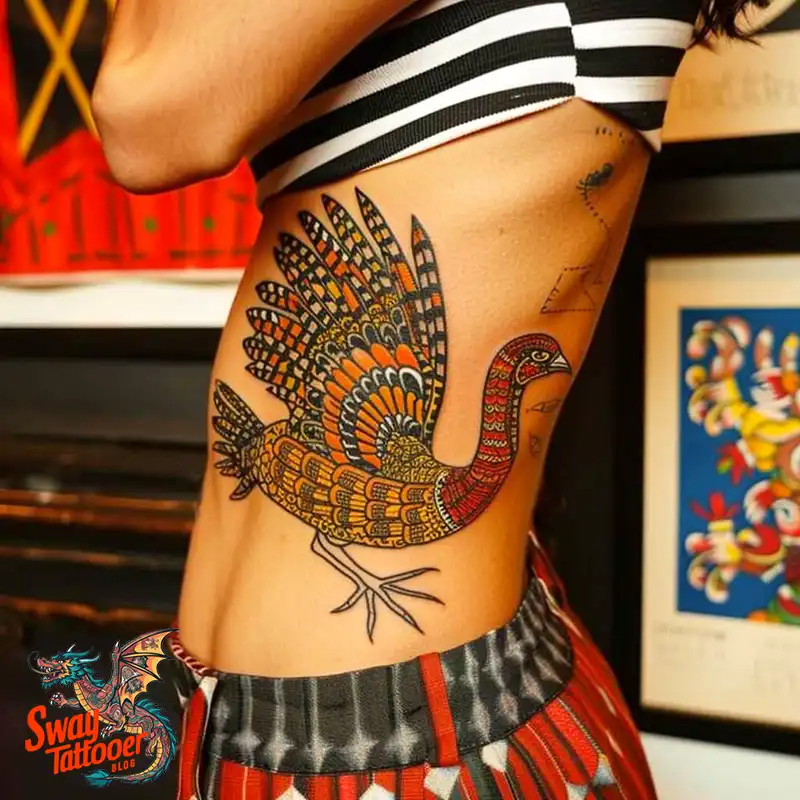
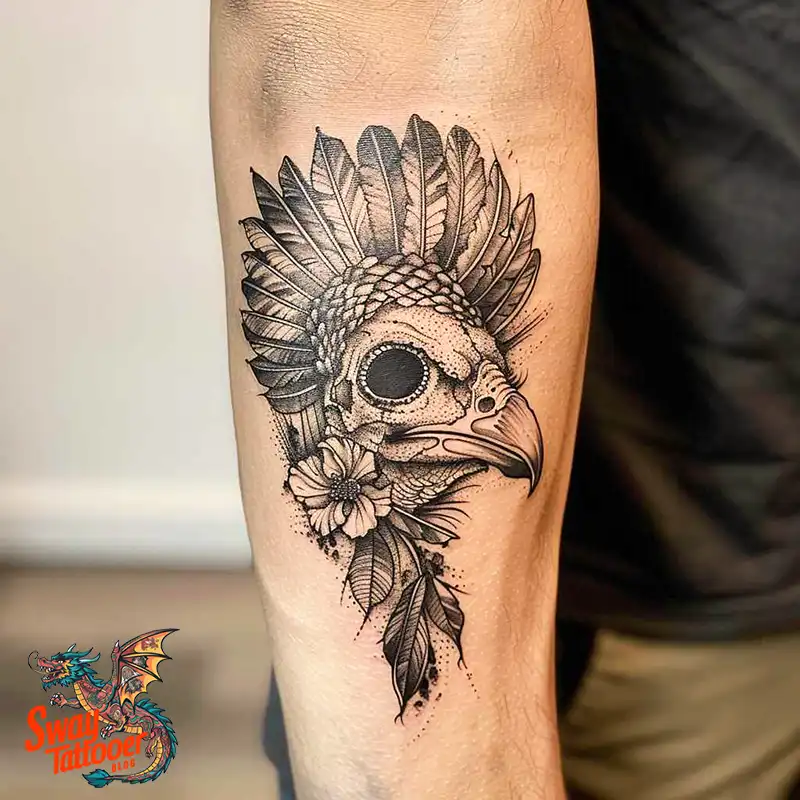
In old Mexico, the Aztecs and Mayans saw the turkey as a jeweled bird. They called it huexolotl, which means “big monster”. They did not just eat it. They revered it as a god. The colorful tail feathers of the ocellated turkey look like eyes. In a tattoo, these eye-spots can represent the all-seeing nature of the divine.
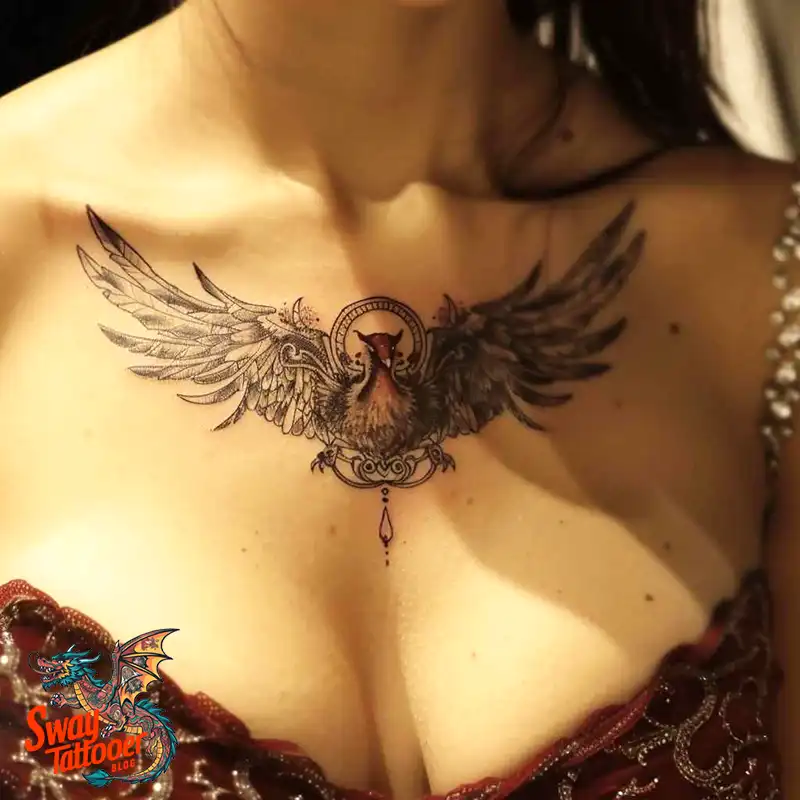
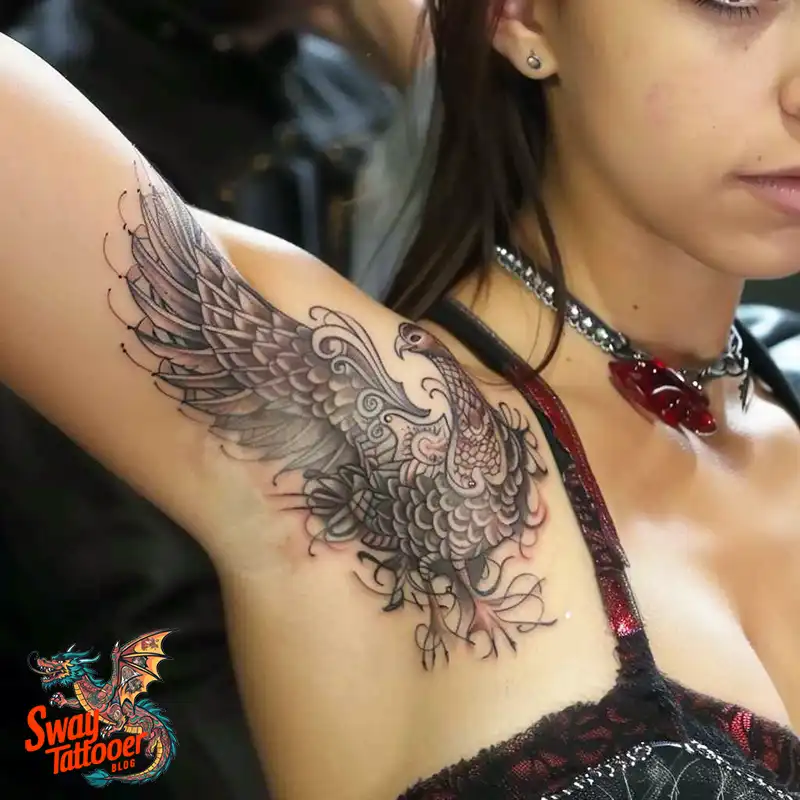
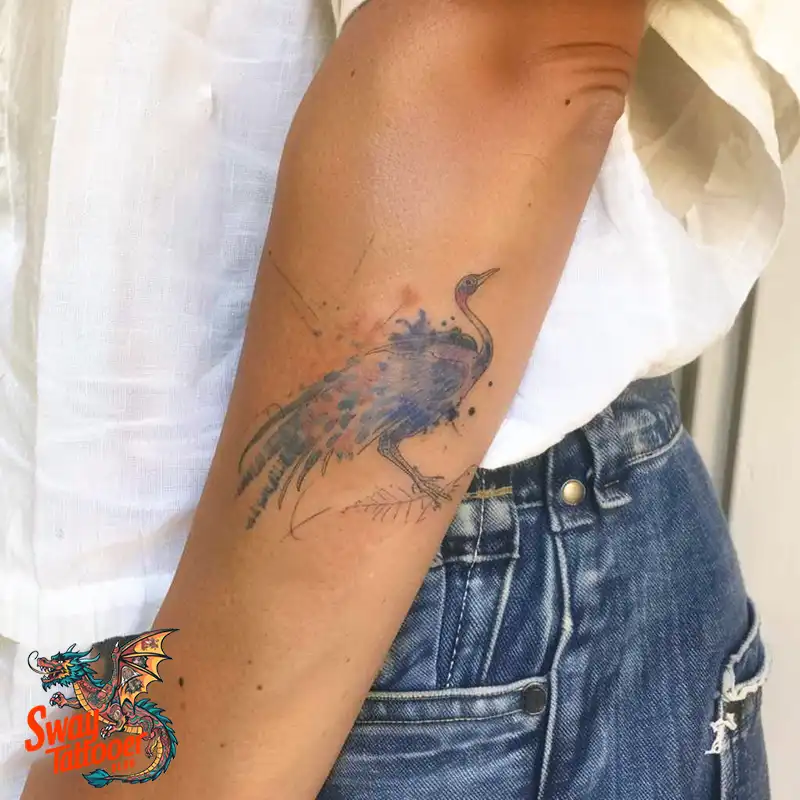
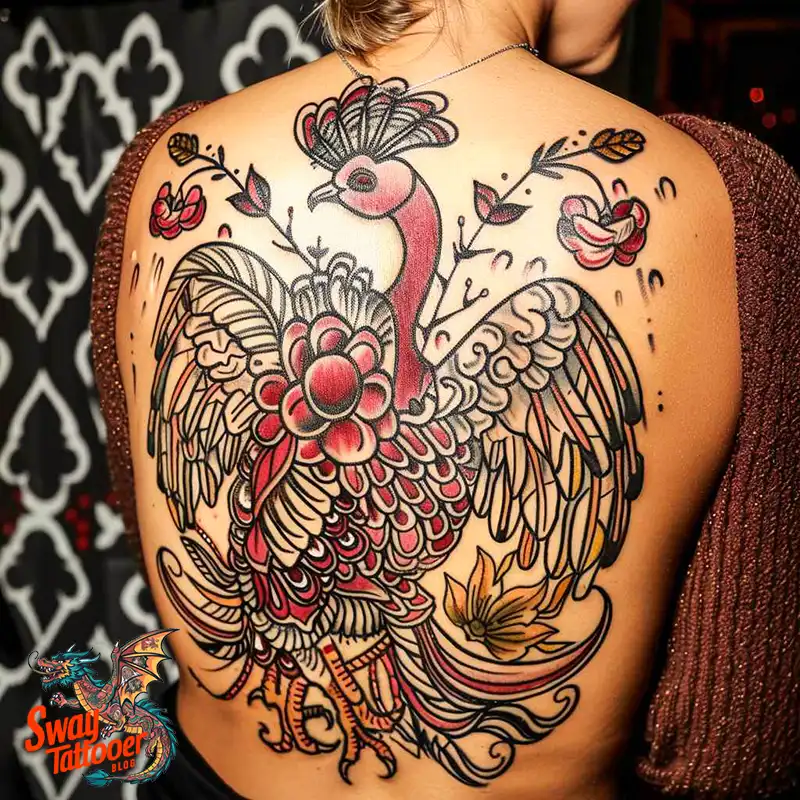
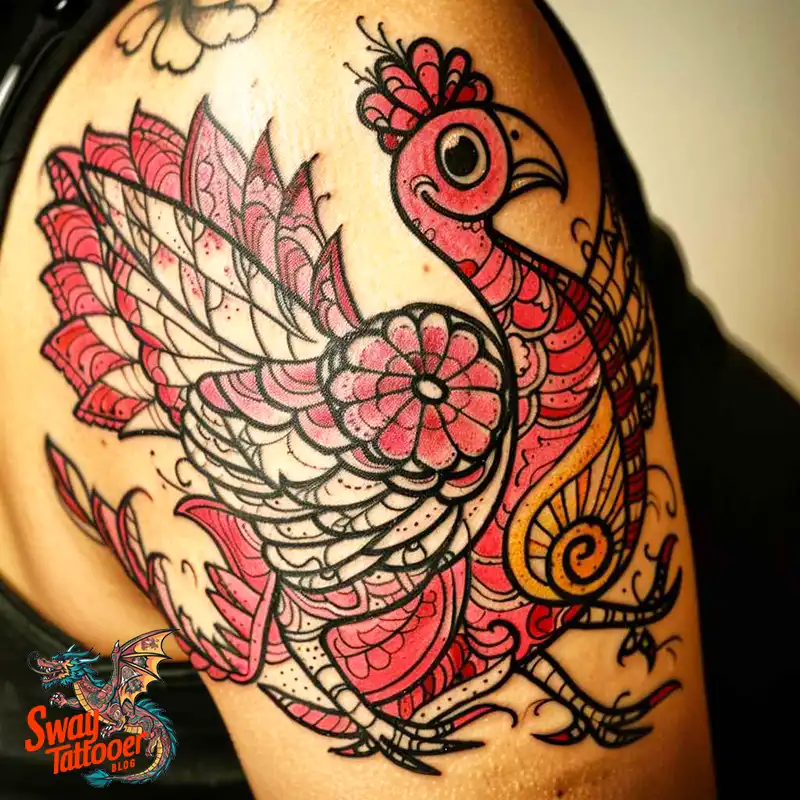
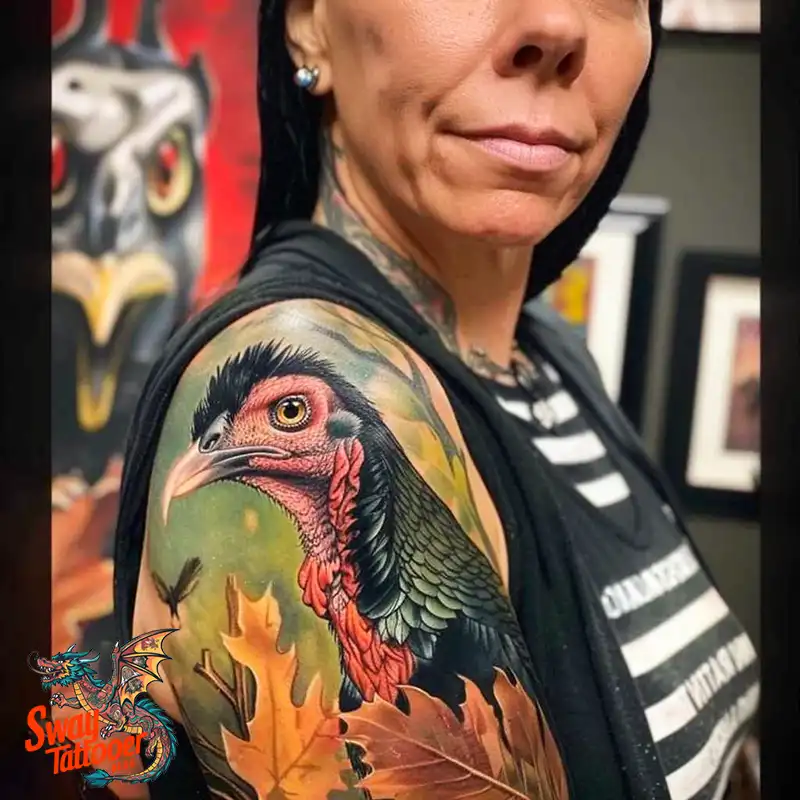

Symbols of the Country of Turkey:
If you want to show your heritage, the symbols of Türkiye offer a rich palette. These designs connect you to a long history of empires and art.
- The Crescent and Star: This is the most famous sign. It means faith, hope, and guidance. Legend says it reflects the moon in a pool of blood after a great battle.
- The Tulip: This is the national flower. It stands for purity and divine love. It was a favorite of the Ottoman era.
- The Gray Wolf: Known as the Bozkurt, it is a sacred guardian. It shows strength and independence.
- The Nazar (Evil Eye): This blue eye bead is a top choice for a small tattoo design. It is a lucky charm to keep you safe from bad energy.
This article focuses on turkey (the bird) tattoo designs and symbolism. For cultural or Turkish heritage symbols (e.g., crescent & star), see our separate guides.
History:
In southeast Turkey, there is a very old way of tattooing called Deq. This art is over 10,000 years old. It is an ancestral language of the skin.
The Sacred Ritual
Deq is more than just art. It is a form of worship. The way they make the ink is very unique. They mix lamp soot with breast milk. They say milk from a mother with a baby girl makes the best ink. This mixture is poked into the skin with a single needle.
Deq Patterns and Meanings
Each dot and line tells a story about the person’s life.
- The Sun: Often on the chin, it means a lifelong search for wisdom.
- The Ladder: Drawn on the hands, it shows the soul’s journey to the sky as we age.
- Medicinal Dots: Tiny dots on the forehead were once used to help stop head pain.
Young people in cities like Istanbul are now starting a “Deq Renaissance”. They are getting these ancient signs to honor their family roots.



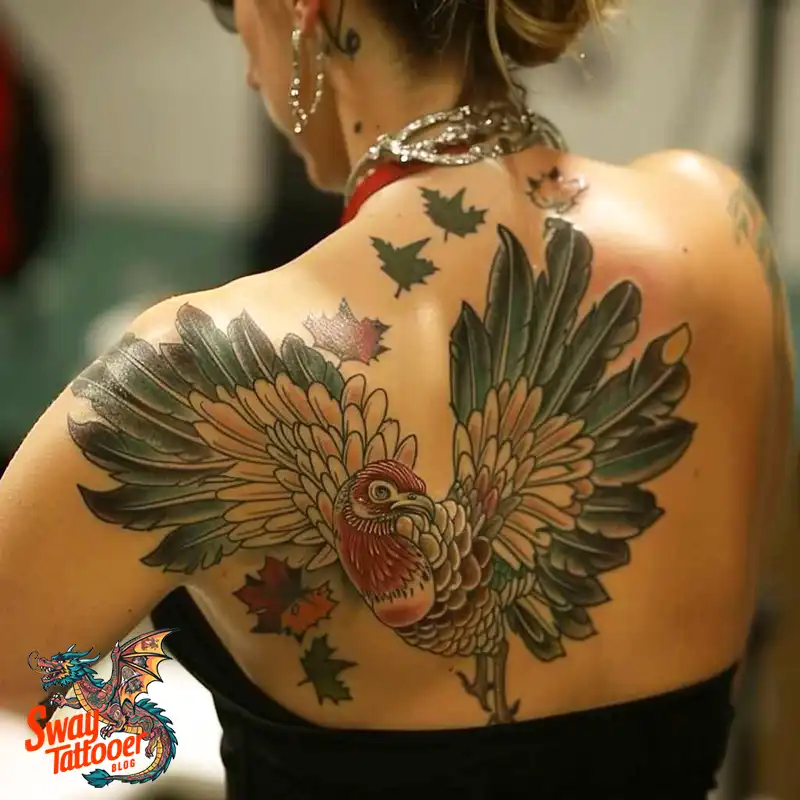
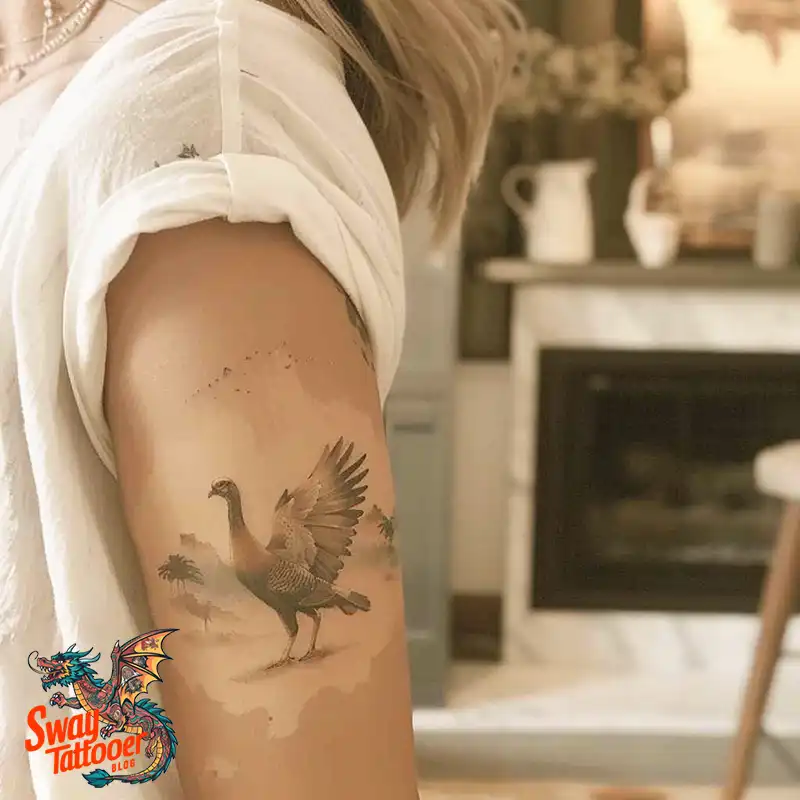
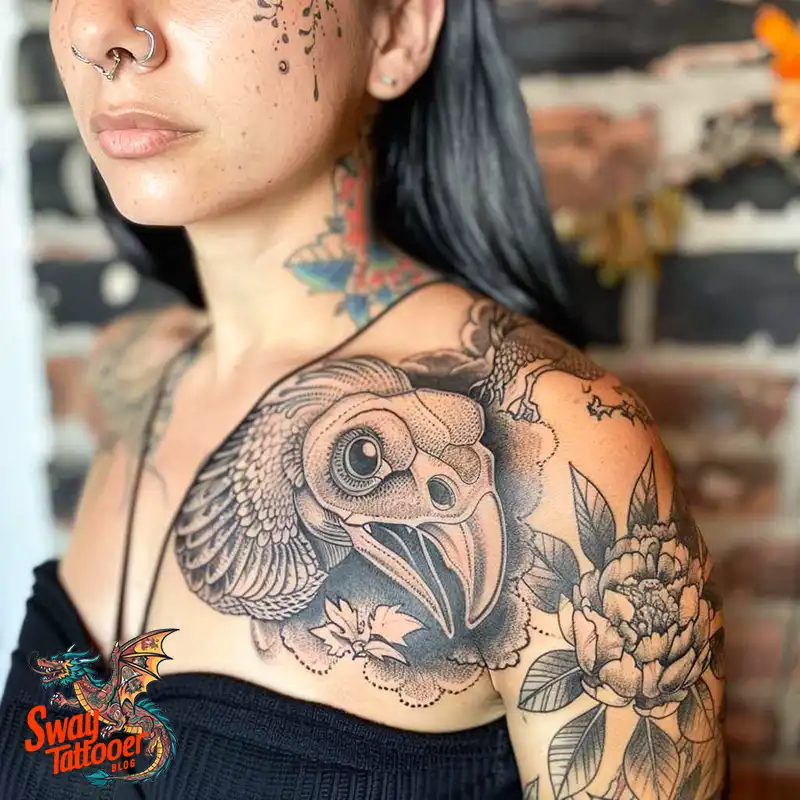
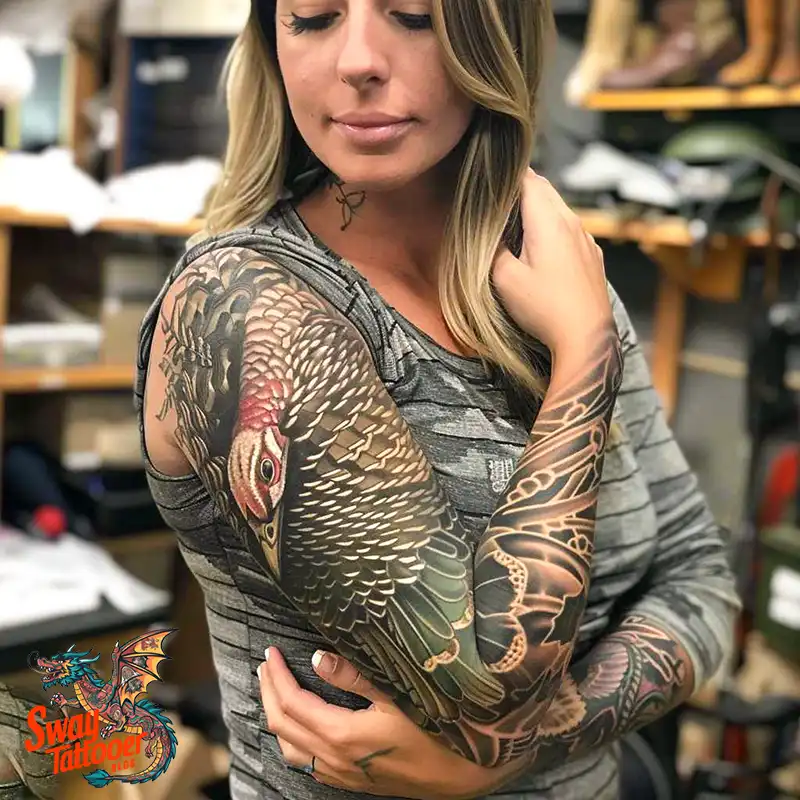
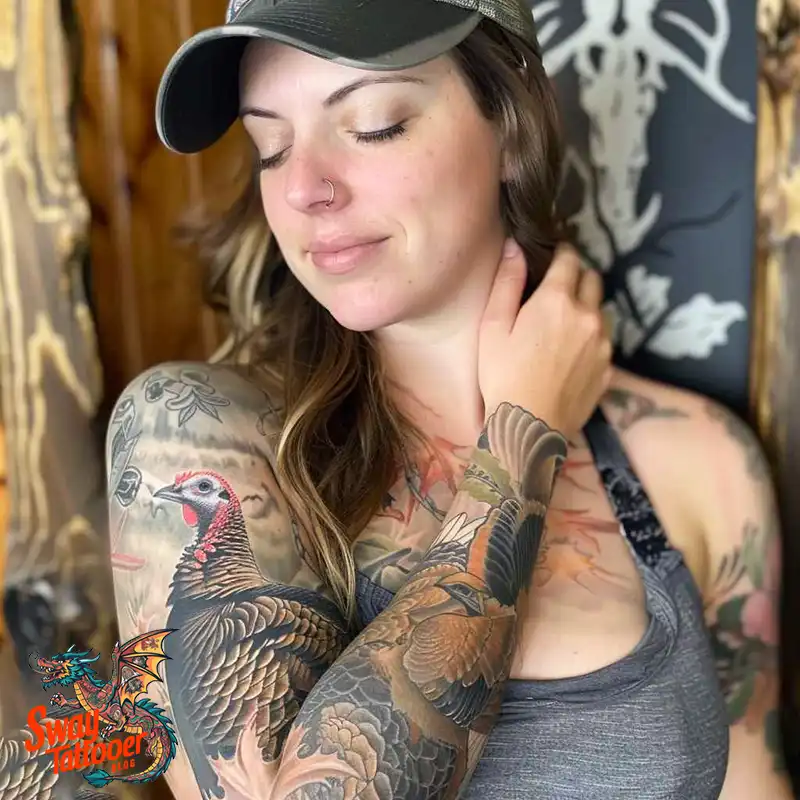
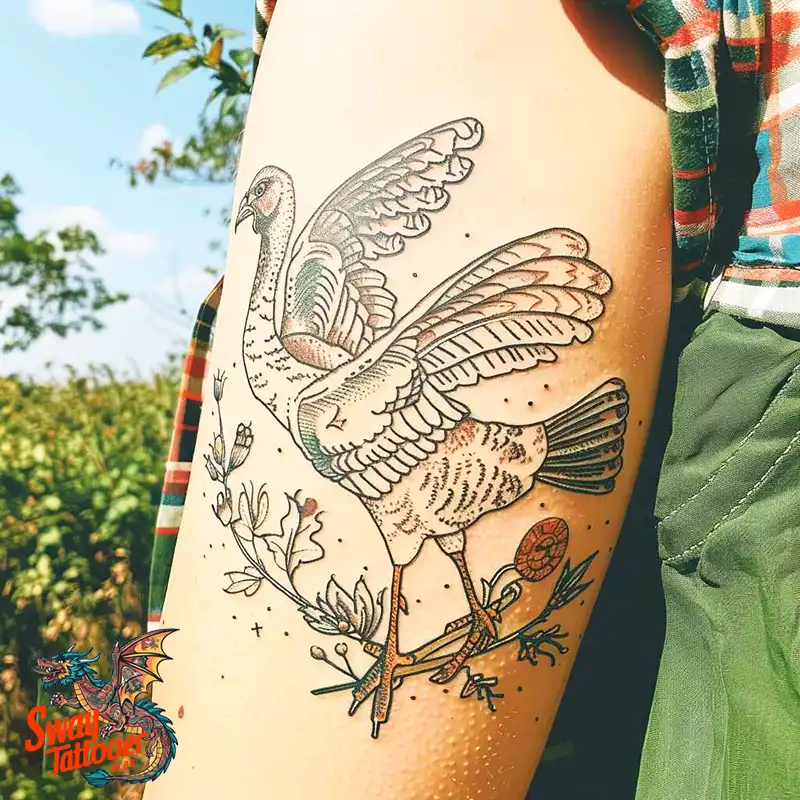
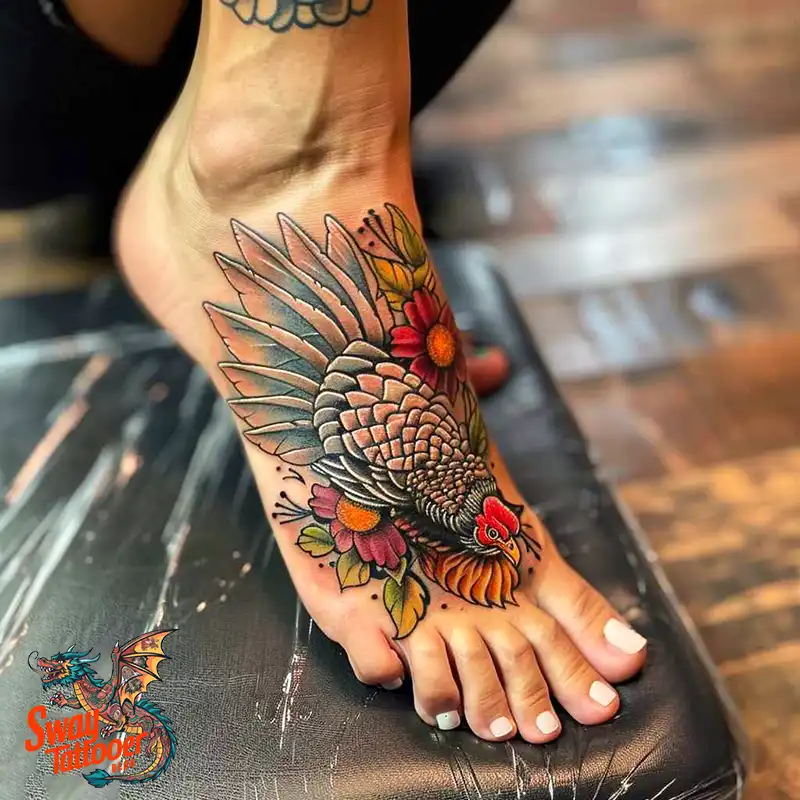
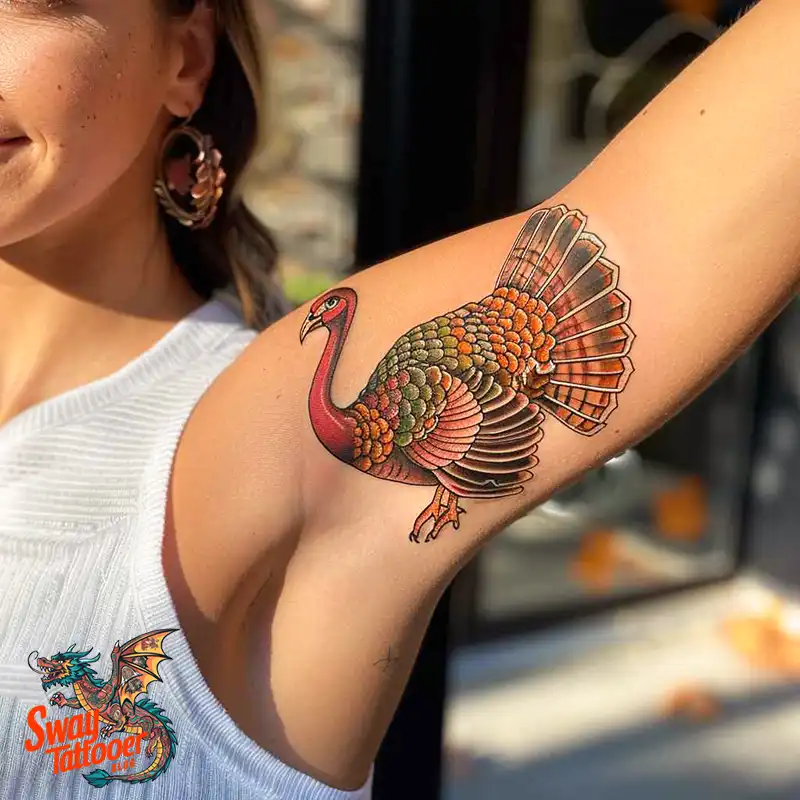
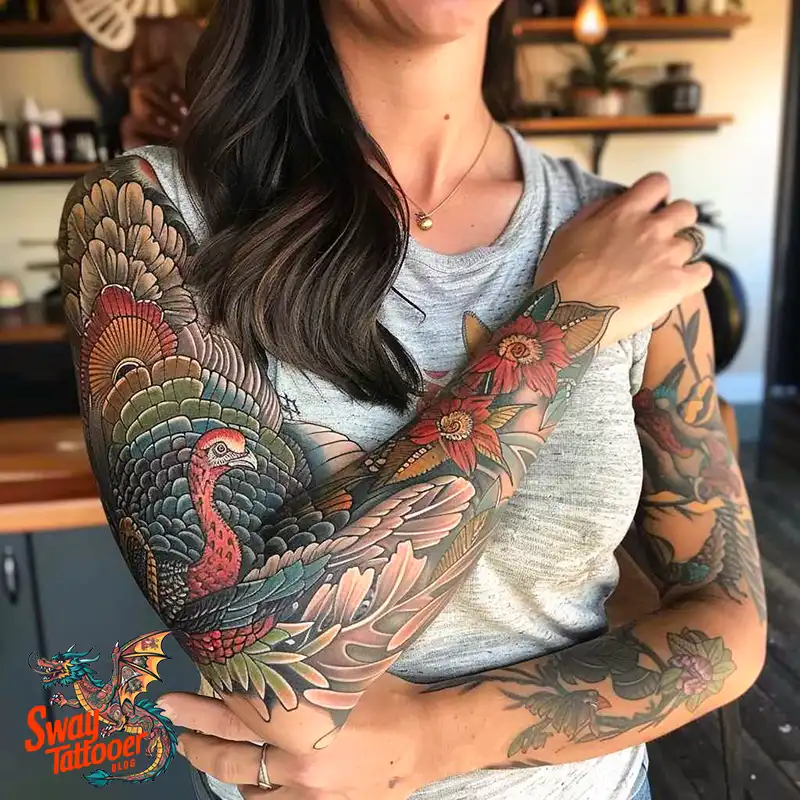
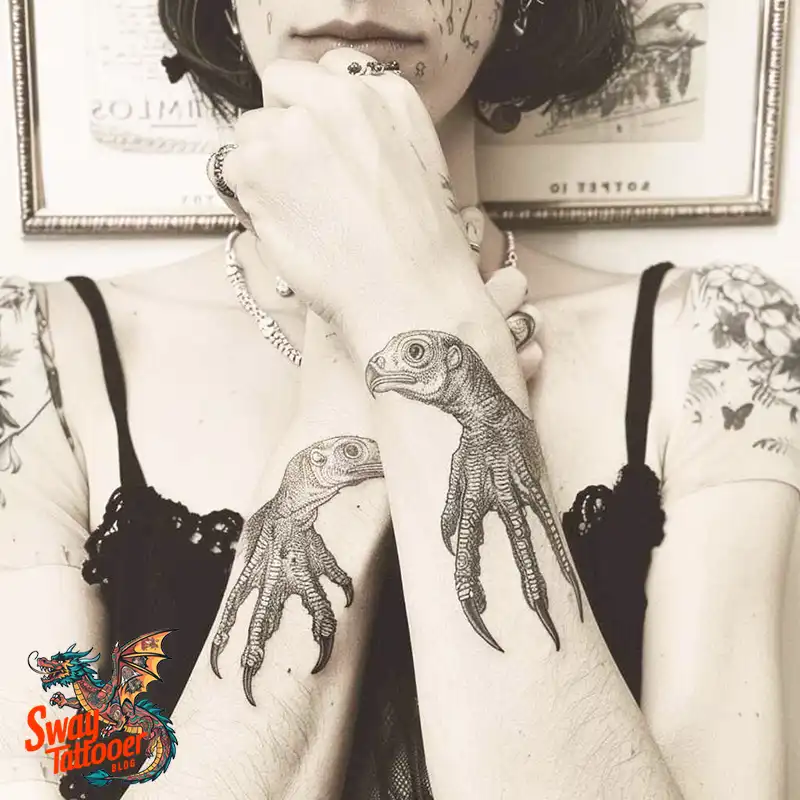
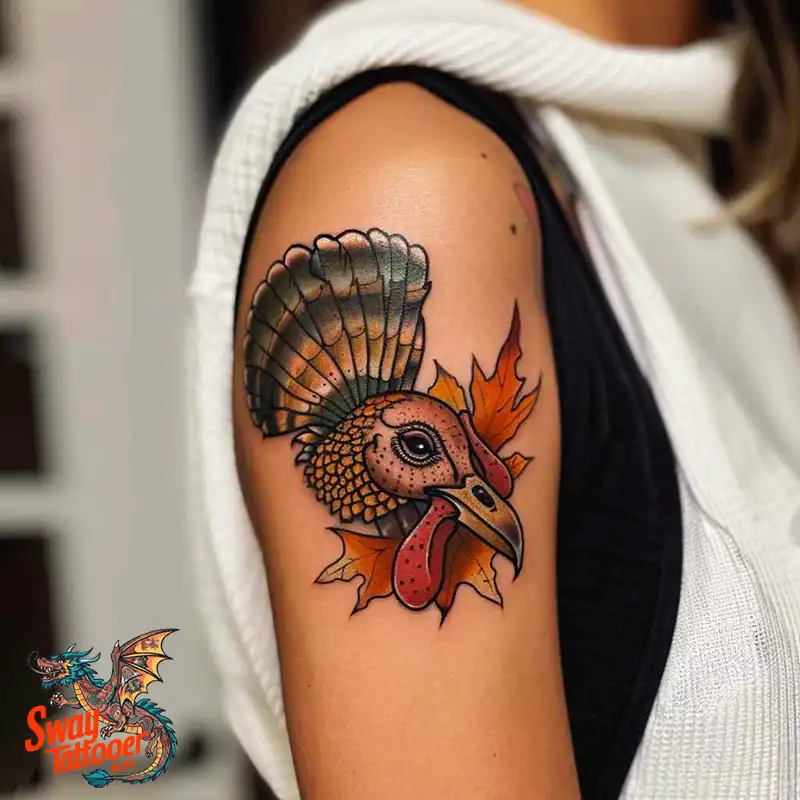
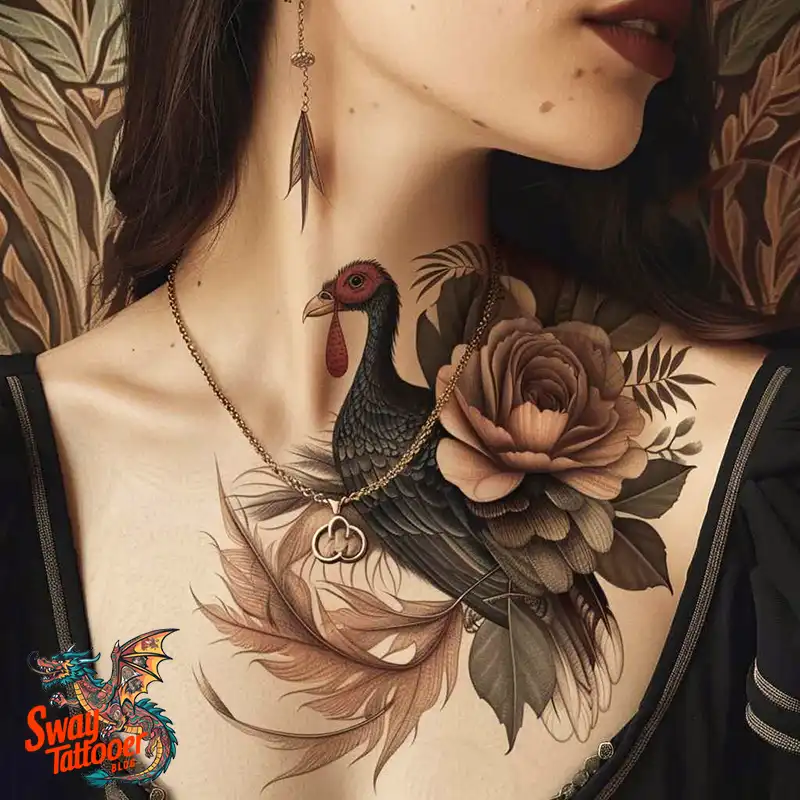
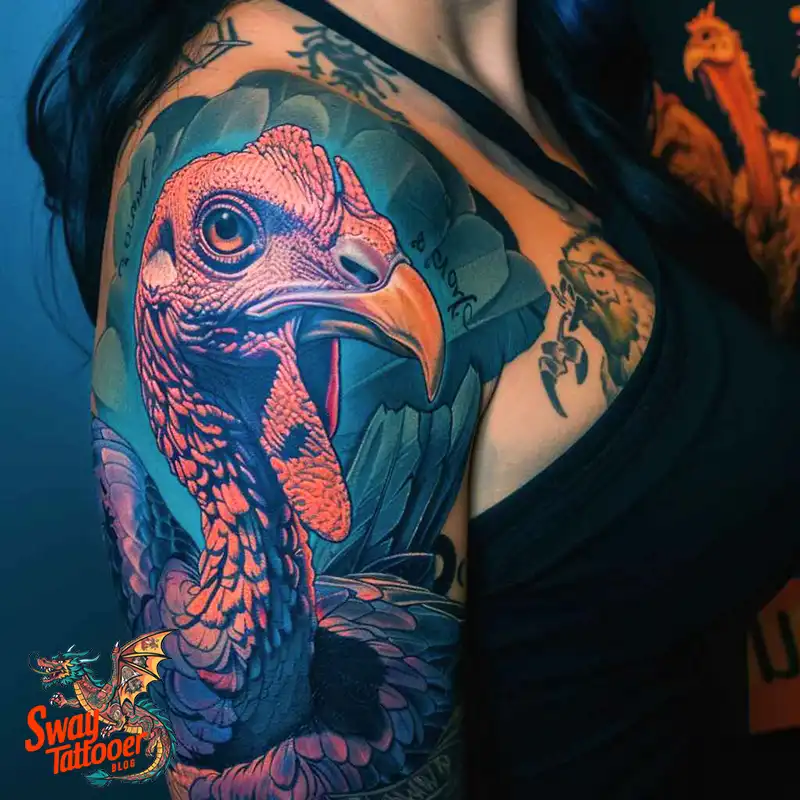
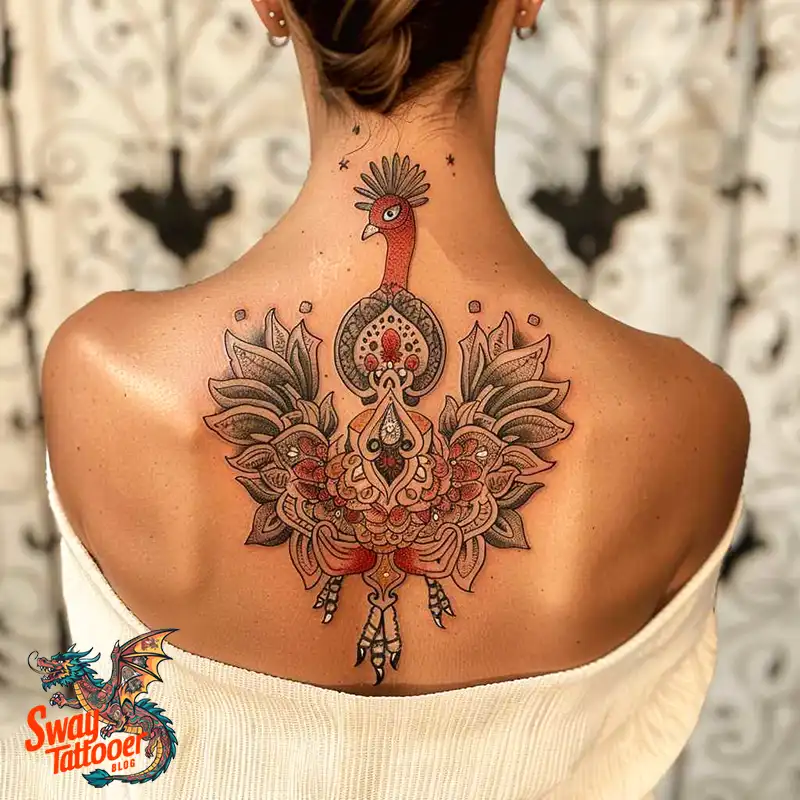
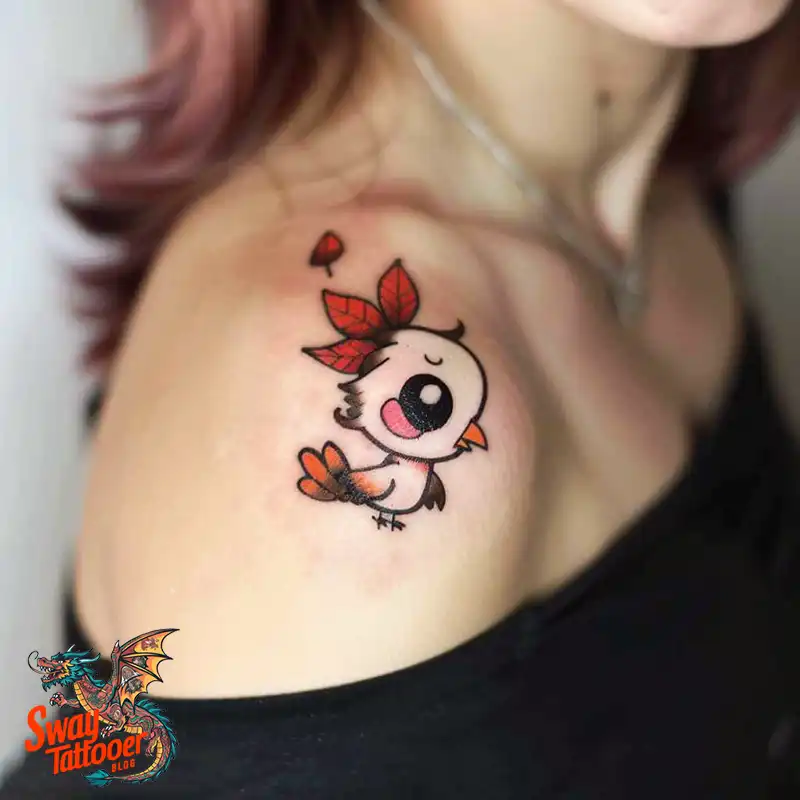

Turkey Tattoo Design Ideas:
If you love travel, the buildings in Turkey tattoos are perfect for art. The city of Istanbul offers a world-famous skyline. These designs act as a “visual diary” of your trip.
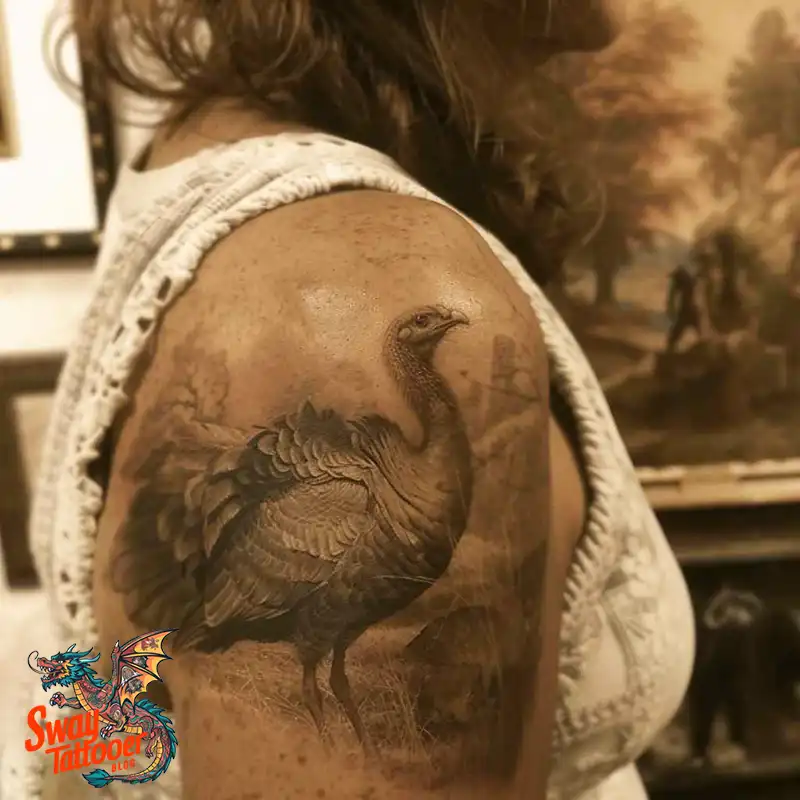
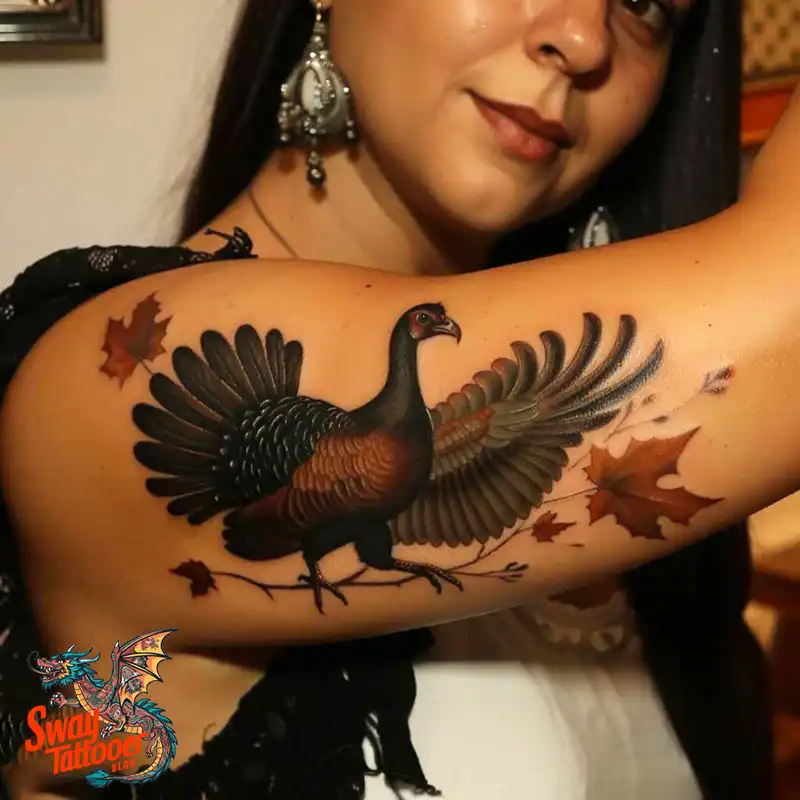
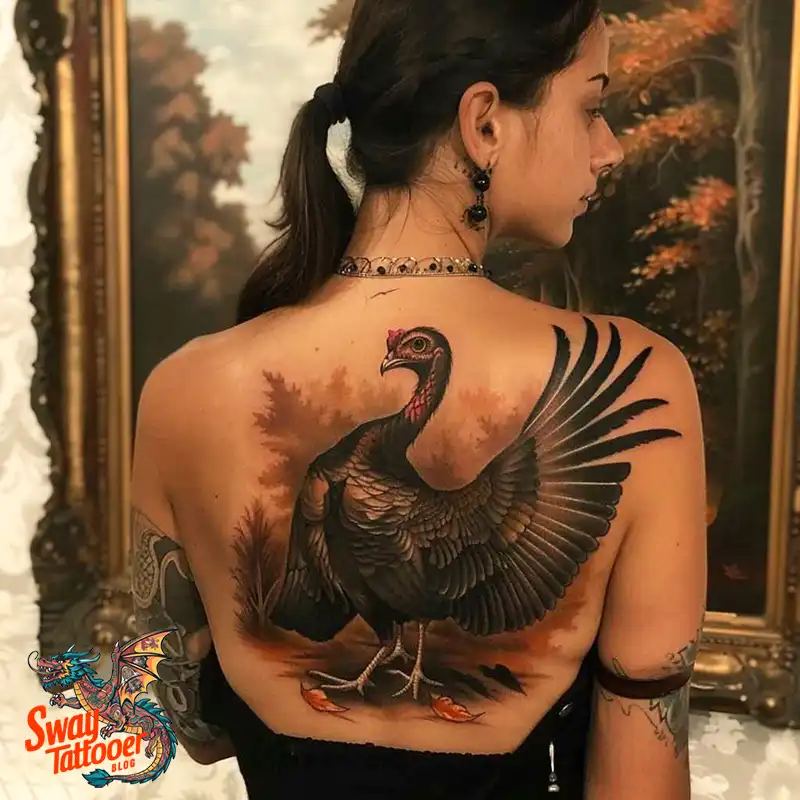
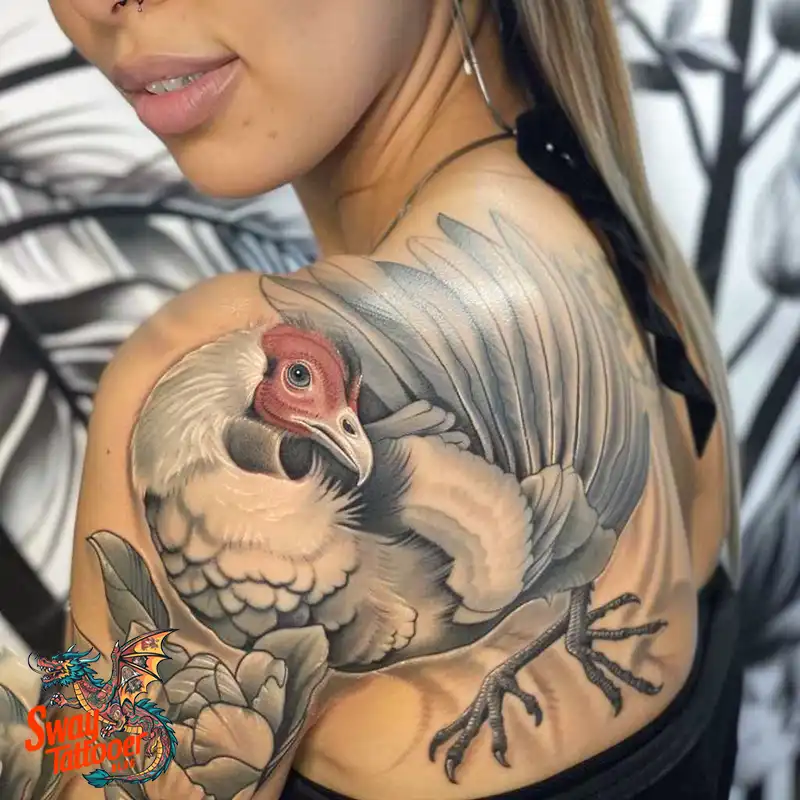
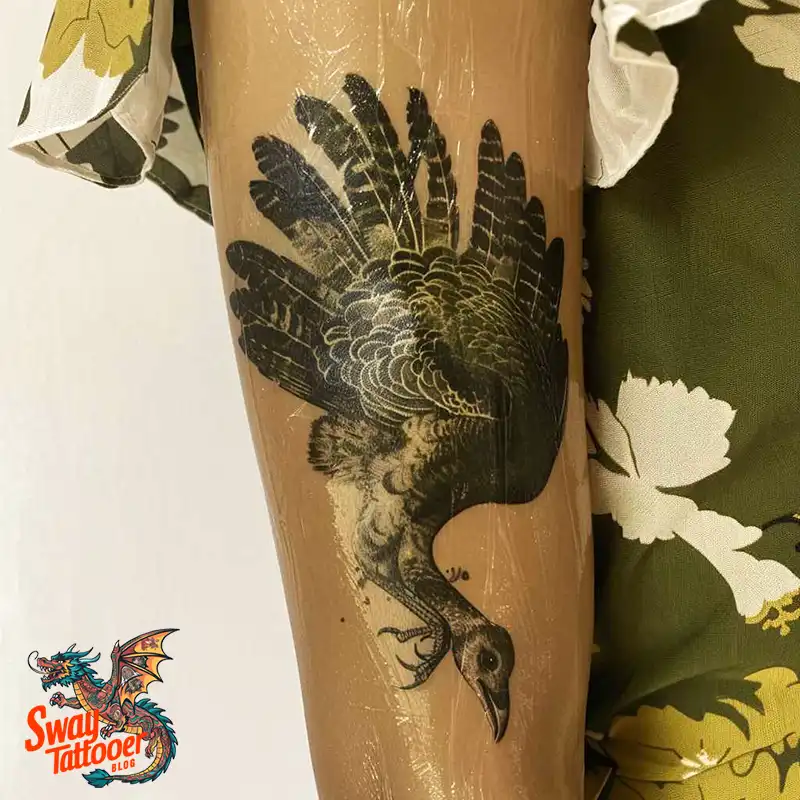
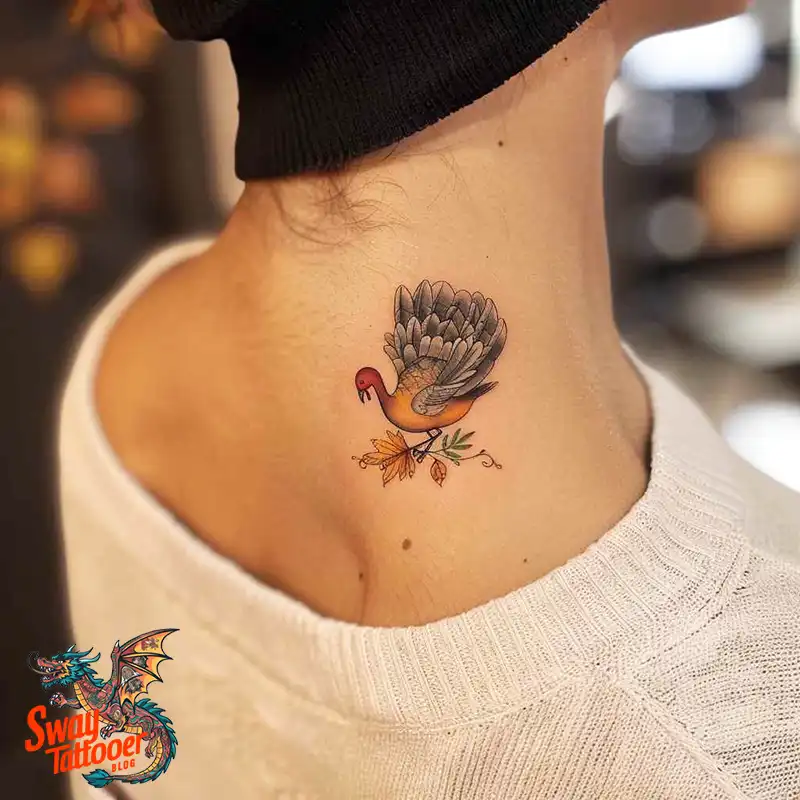
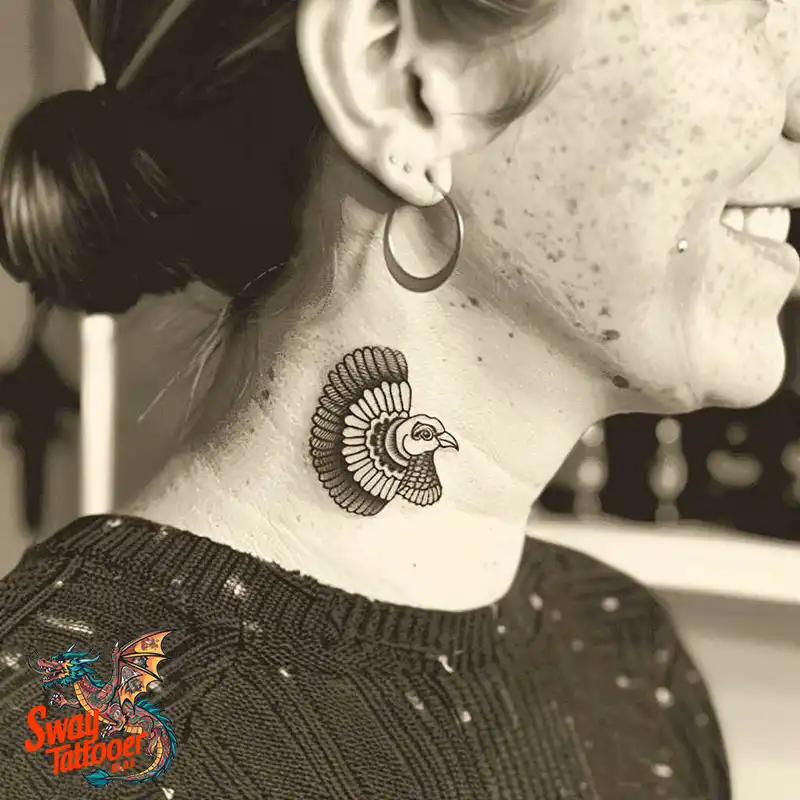
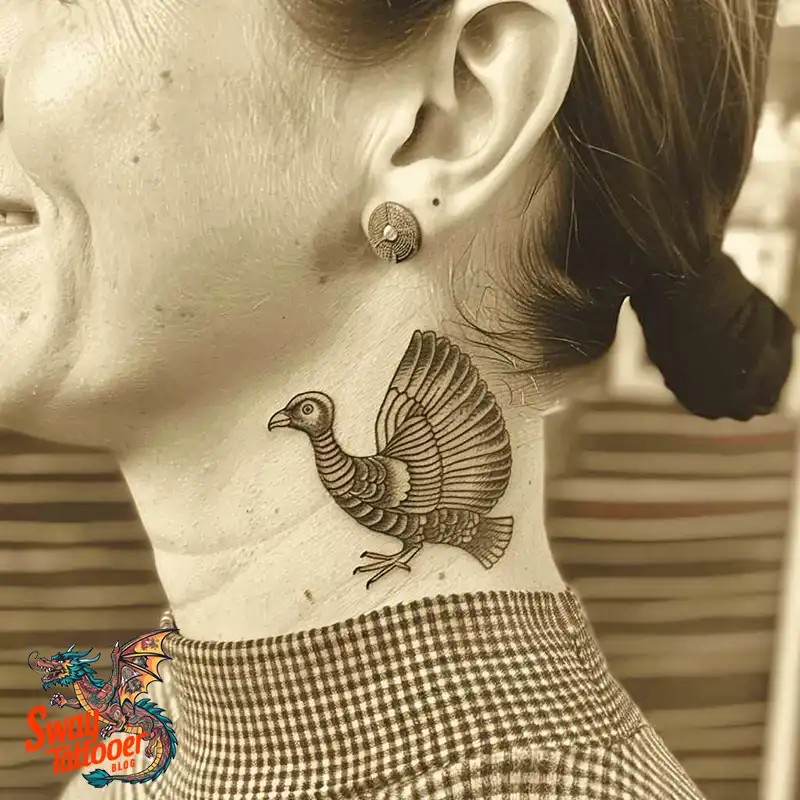
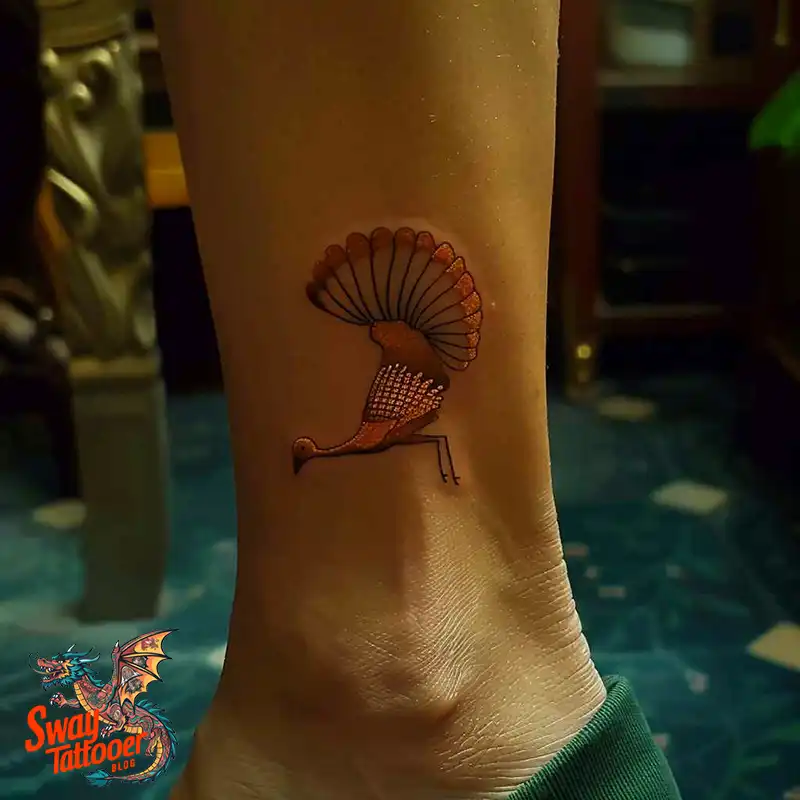
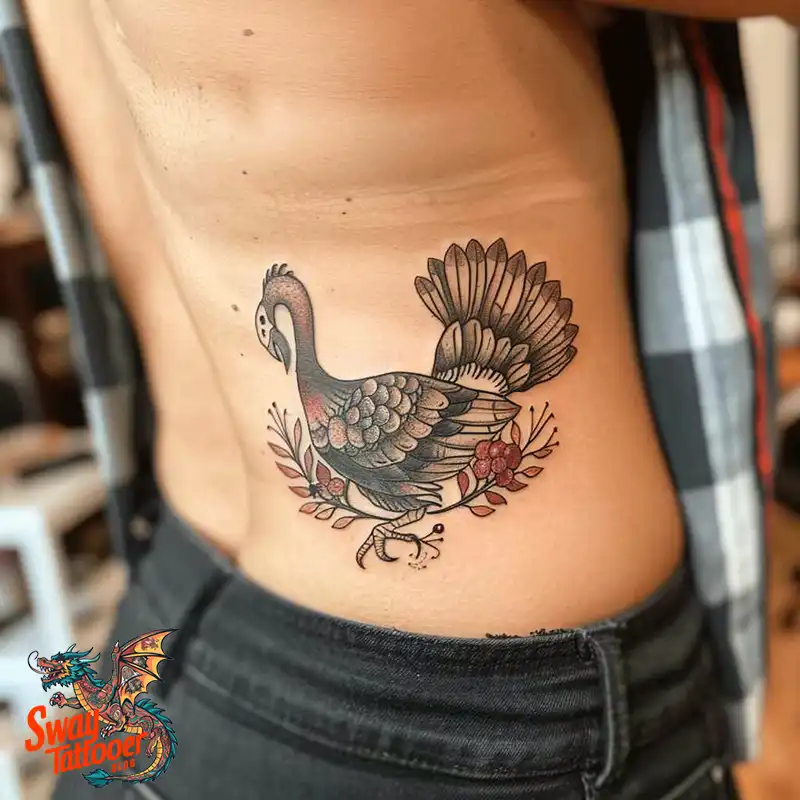
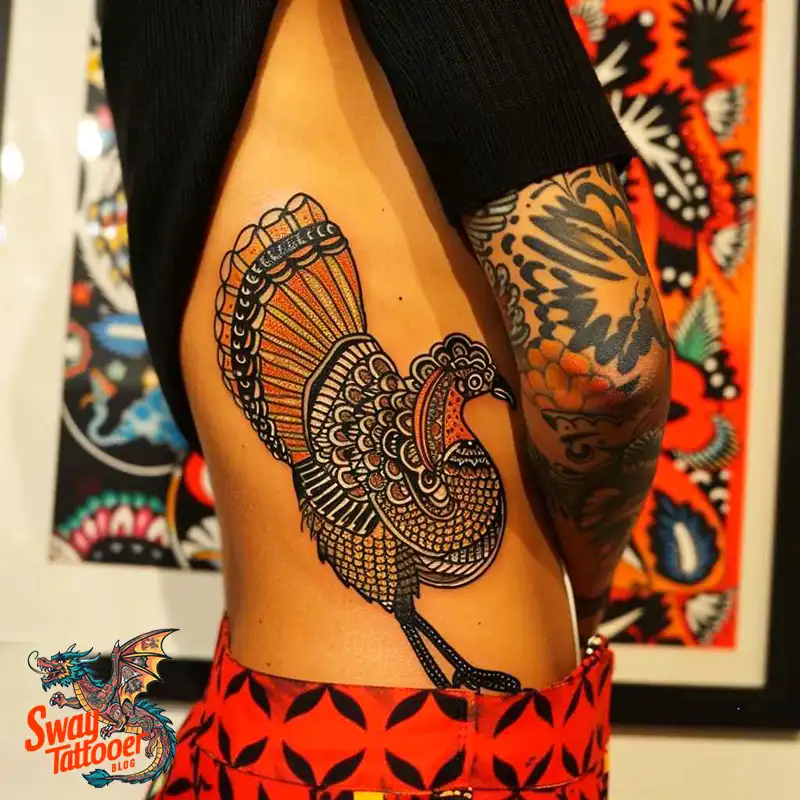
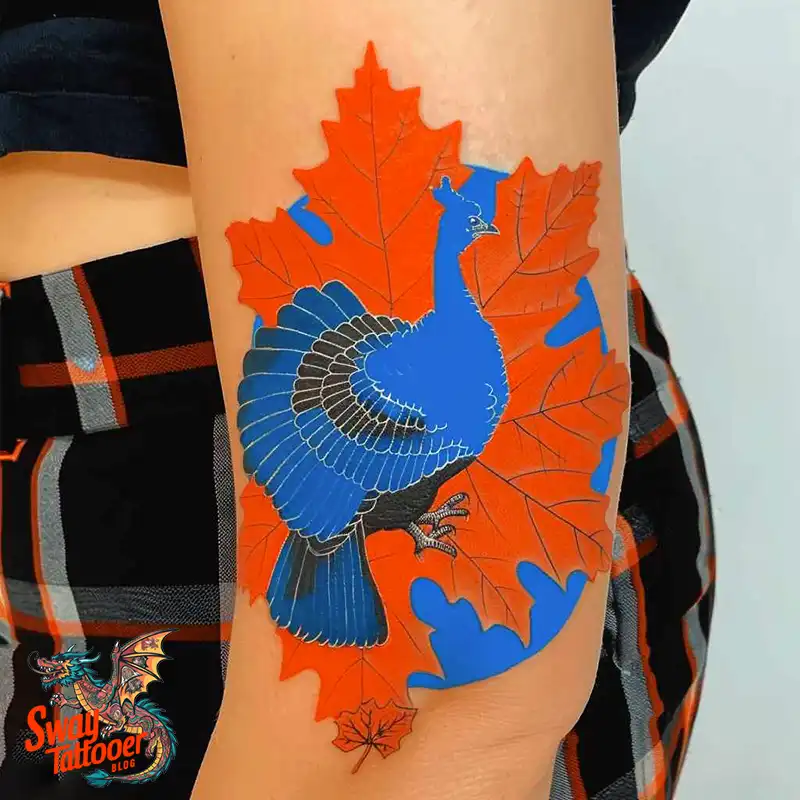
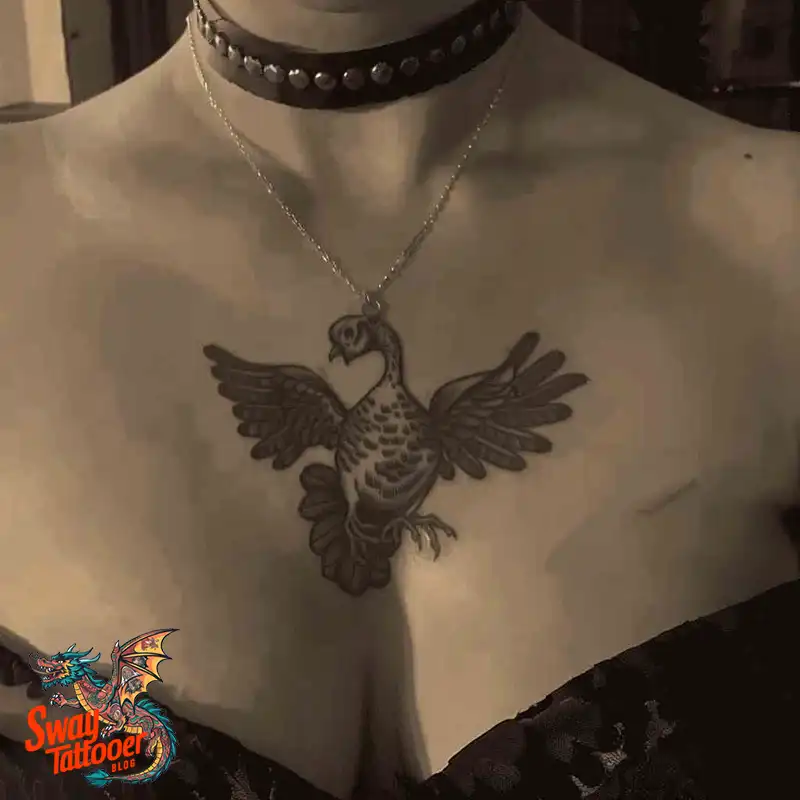
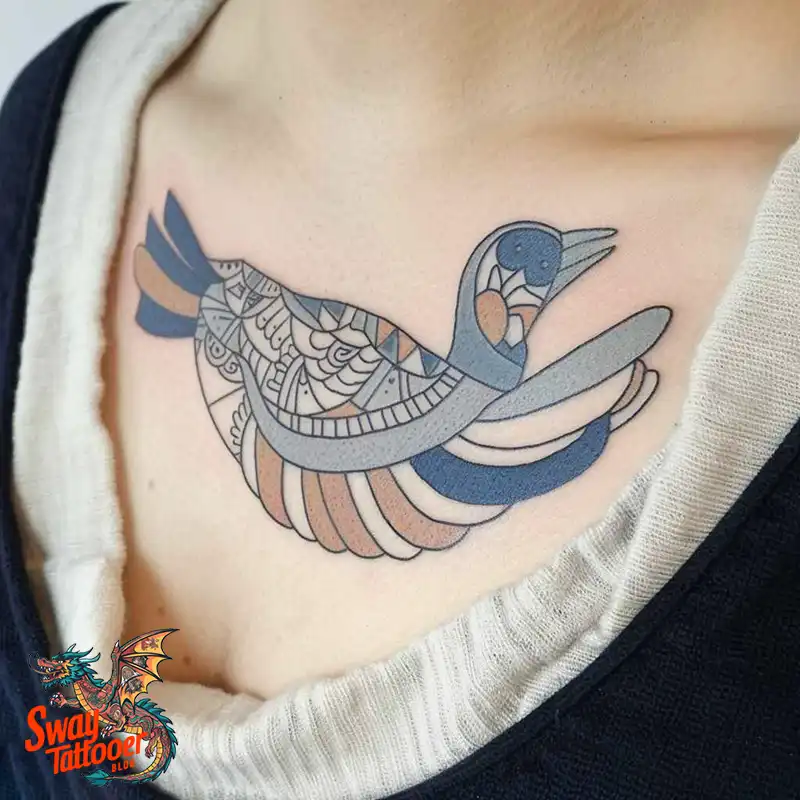
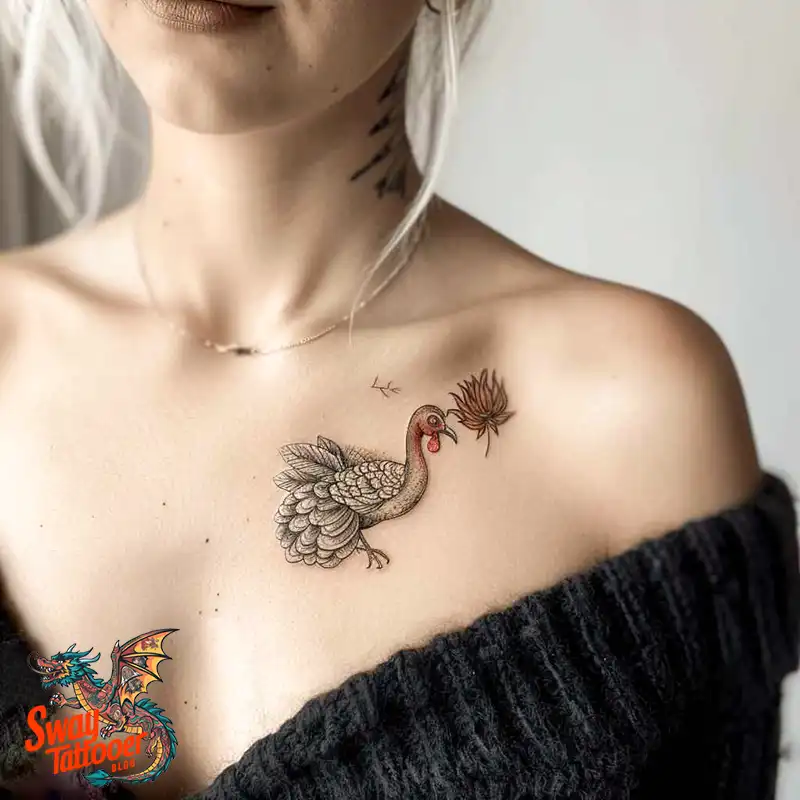
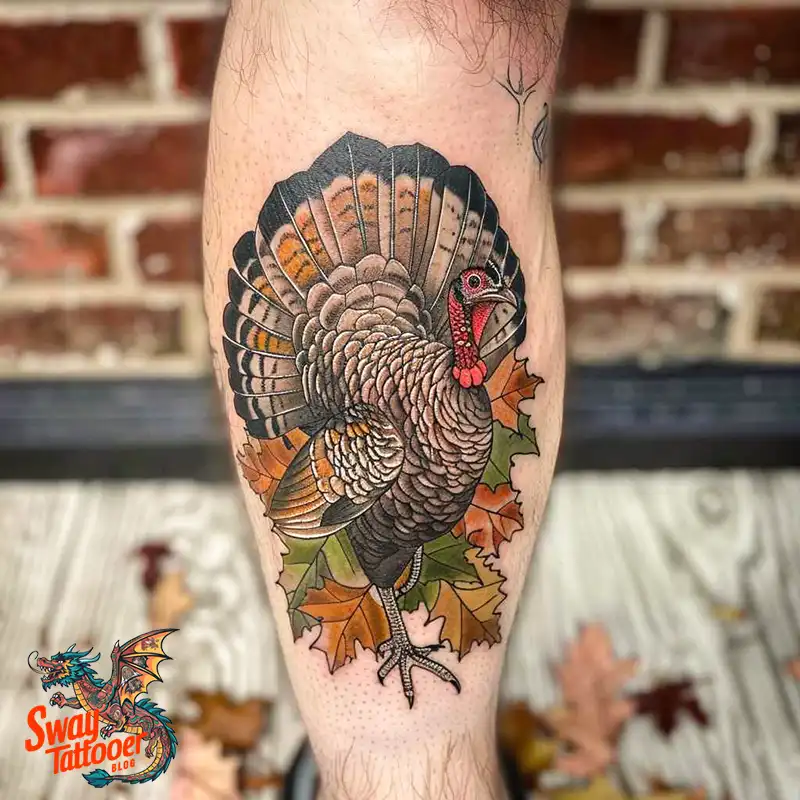
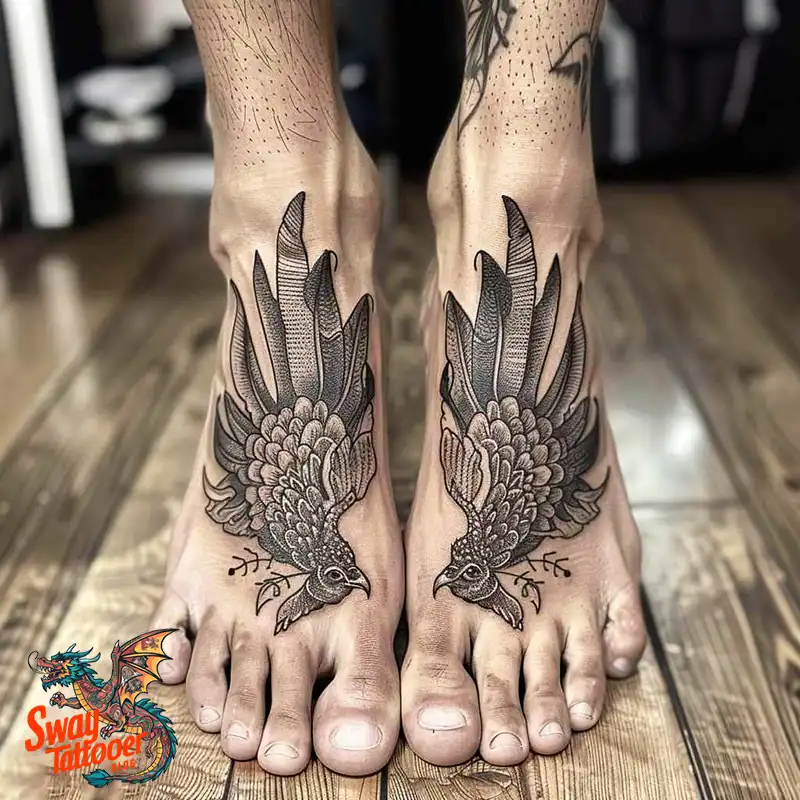
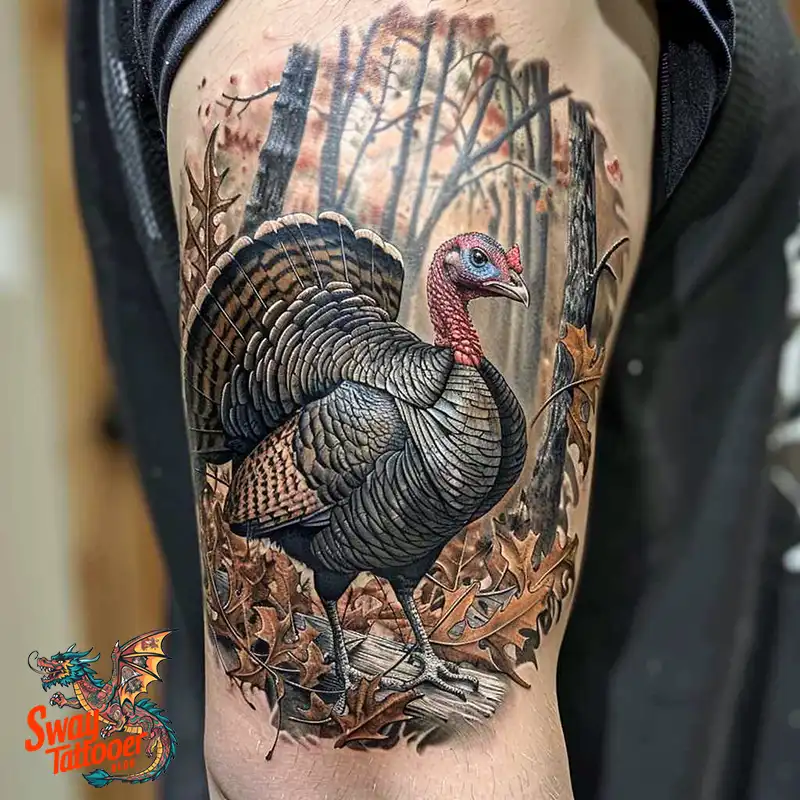
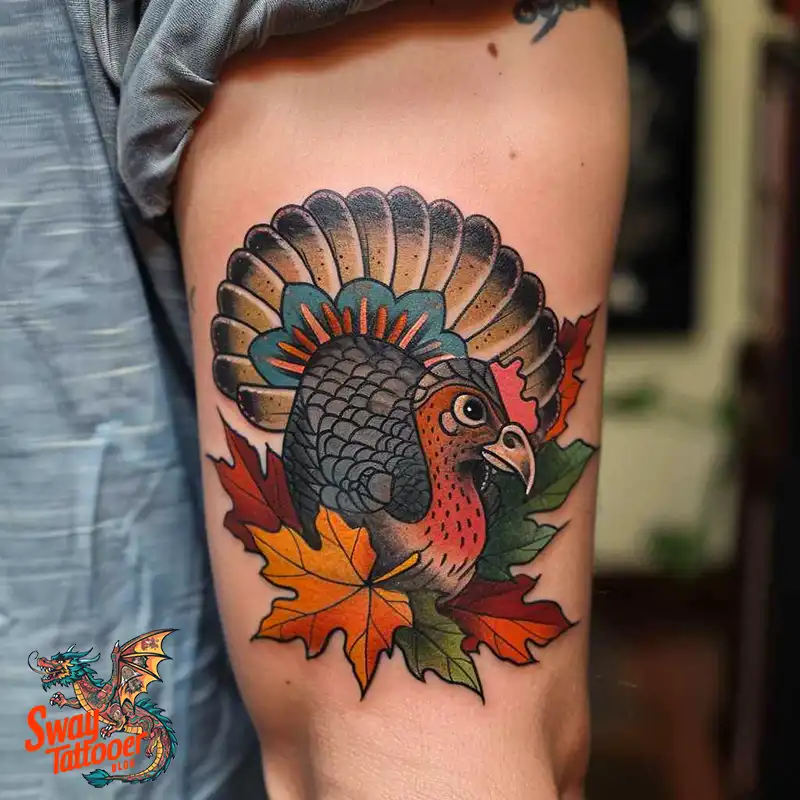
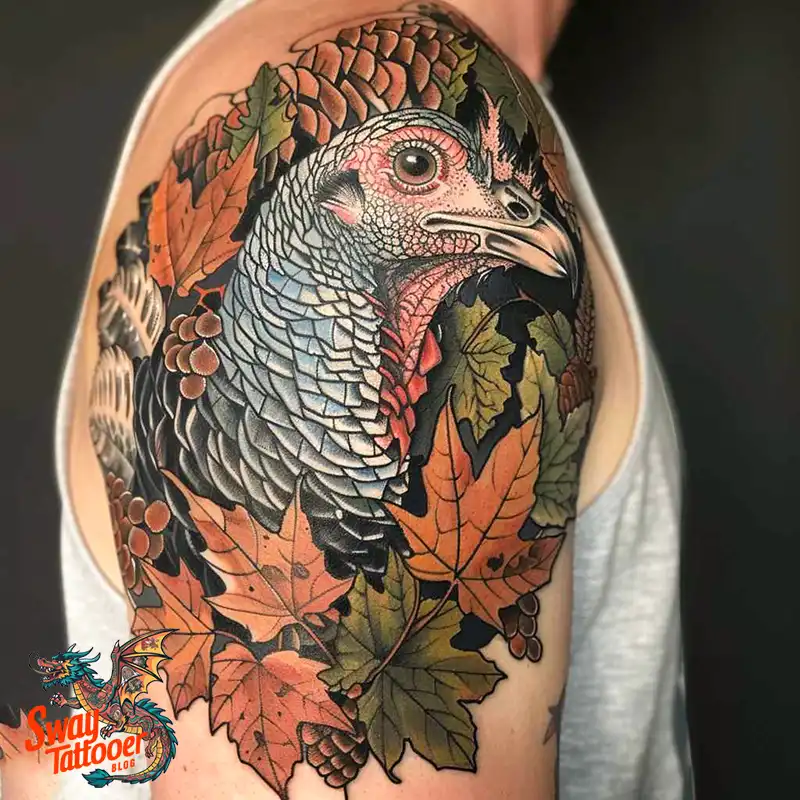
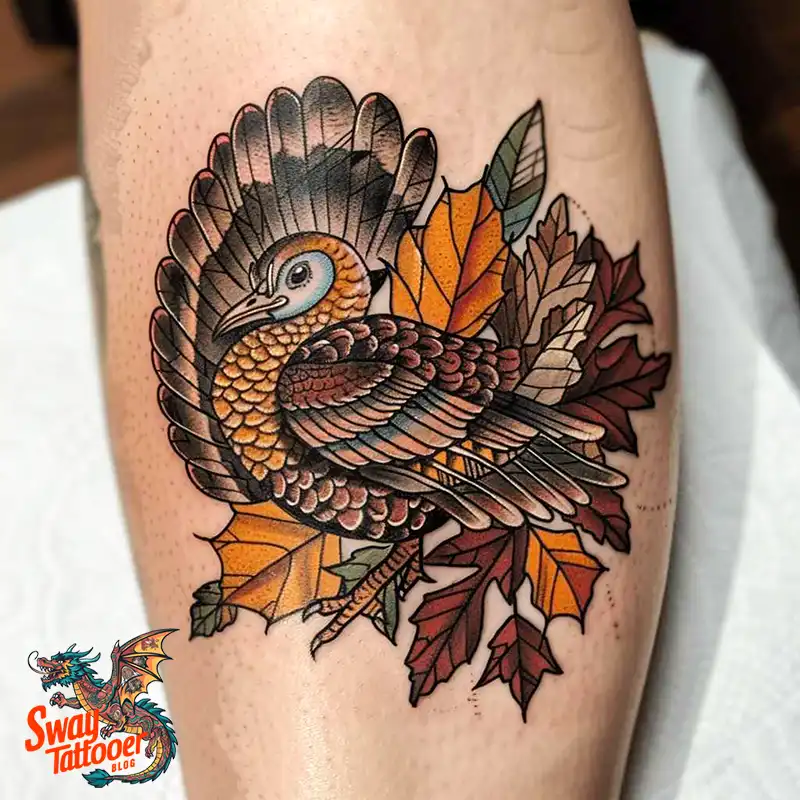
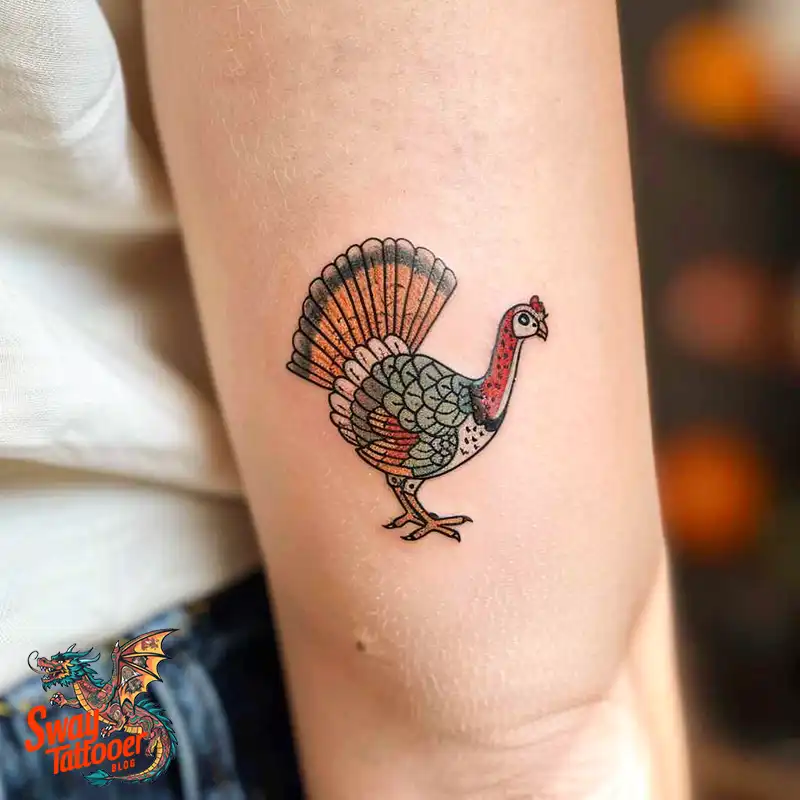
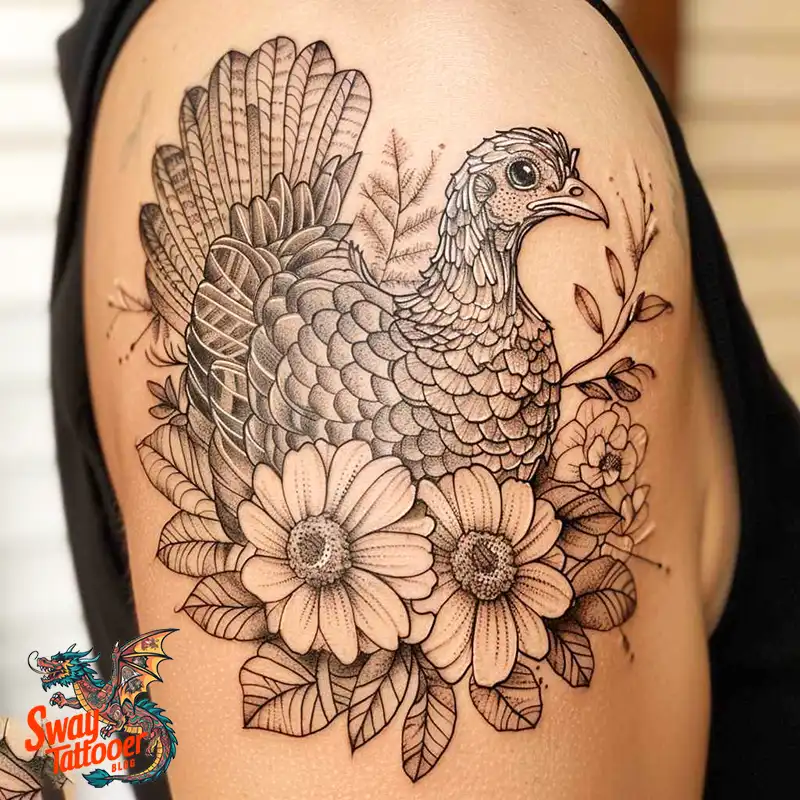
I’ve noticed that clients who choose a realistic turkey with feathers spread often say it represents family bonds and protection, not just aesthetic appeal.
- Hagia Sophia: This is the most popular choice for a building tattoo. It is a sign of peace and harmony. It has been both a church and a mosque. This shows that different beliefs can live together in one place.
- Maiden’s Tower: This small tower sits in the water. It is a symbol of love and longing. It makes for a beautiful, small tattoo on the arm.
Picking the Style: 2026 Trends
The way your tattoo is drawn changes how it looks over time. In 2026, a few styles are very popular.
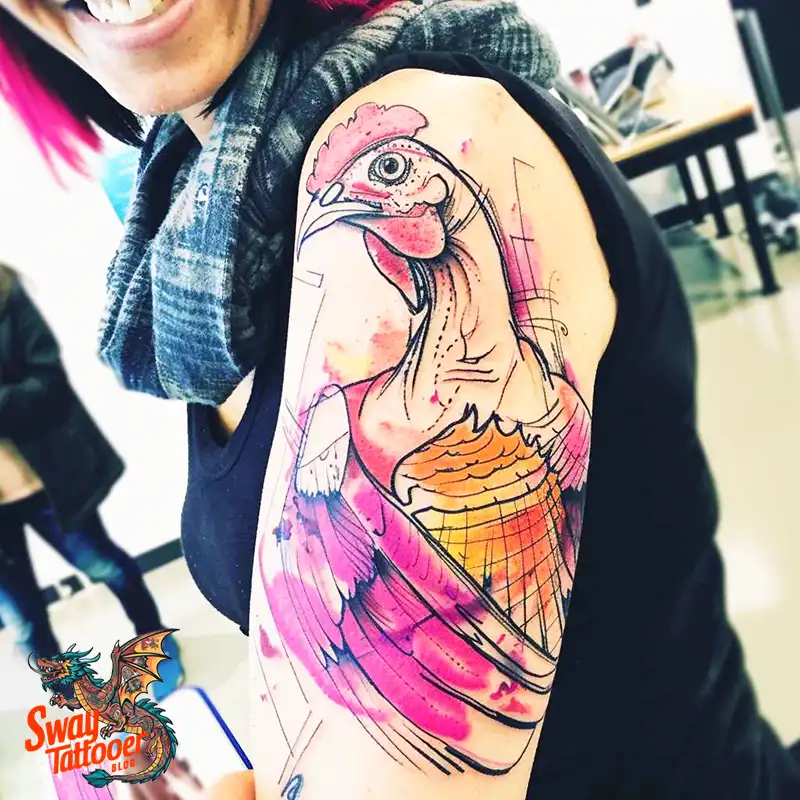
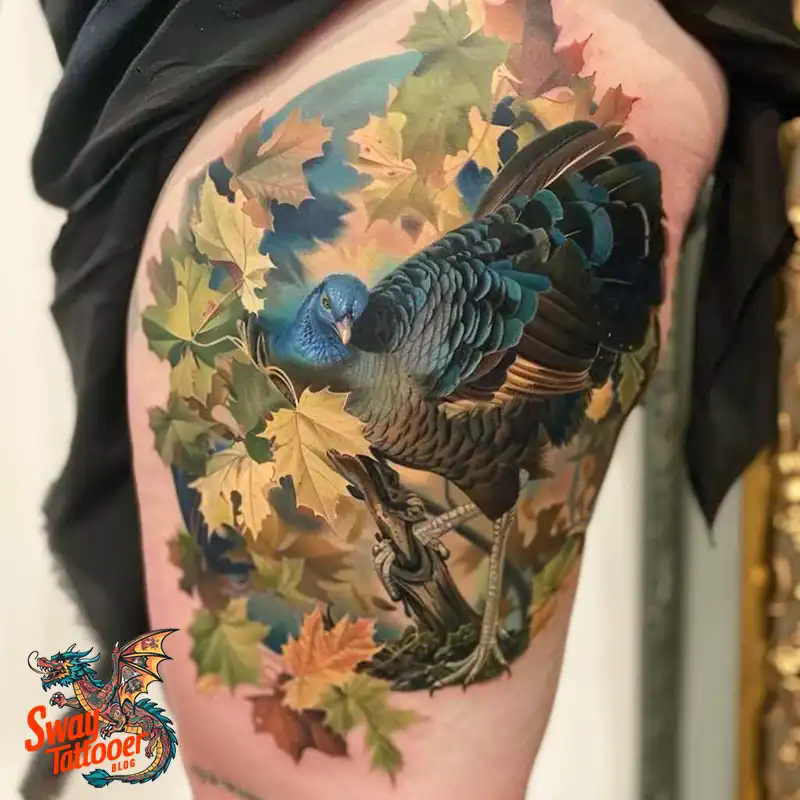
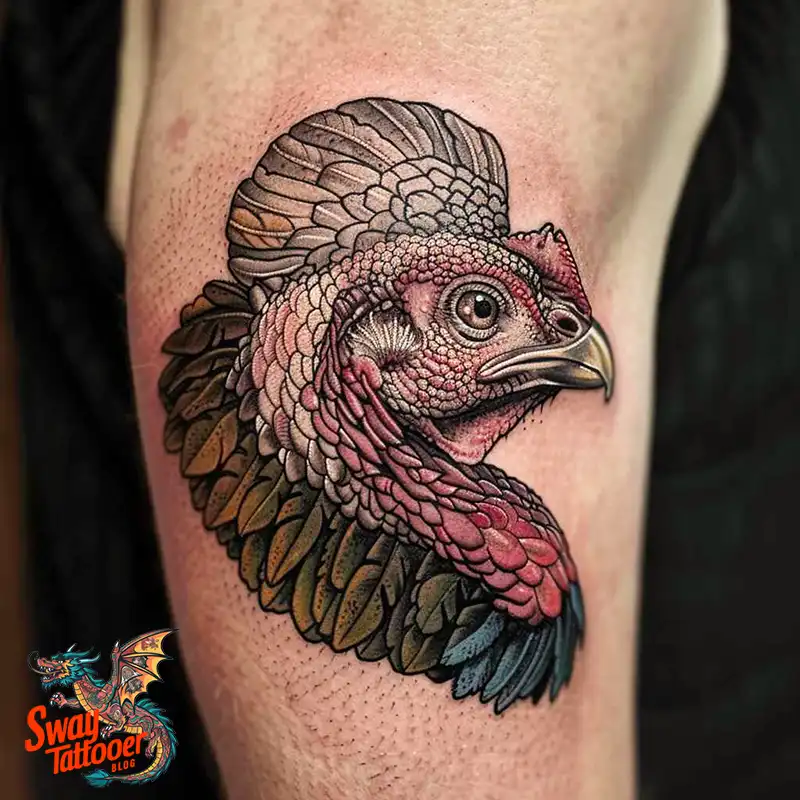
- Realism: This is the best style for bird tattoos. It makes the feathers look soft, and the eyes look bright. It is a professional way to honor nature.
- Micro-Realism: Istanbul is now a world hub for this style. Artists draw tiny, perfect portraits. They can fit a whole city skyline into a tiny space.
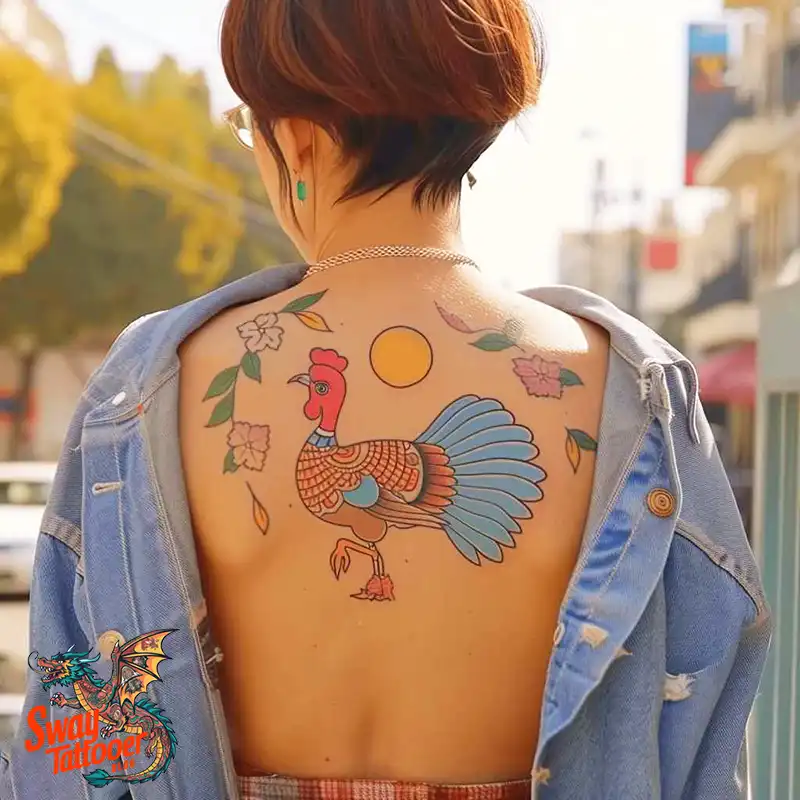
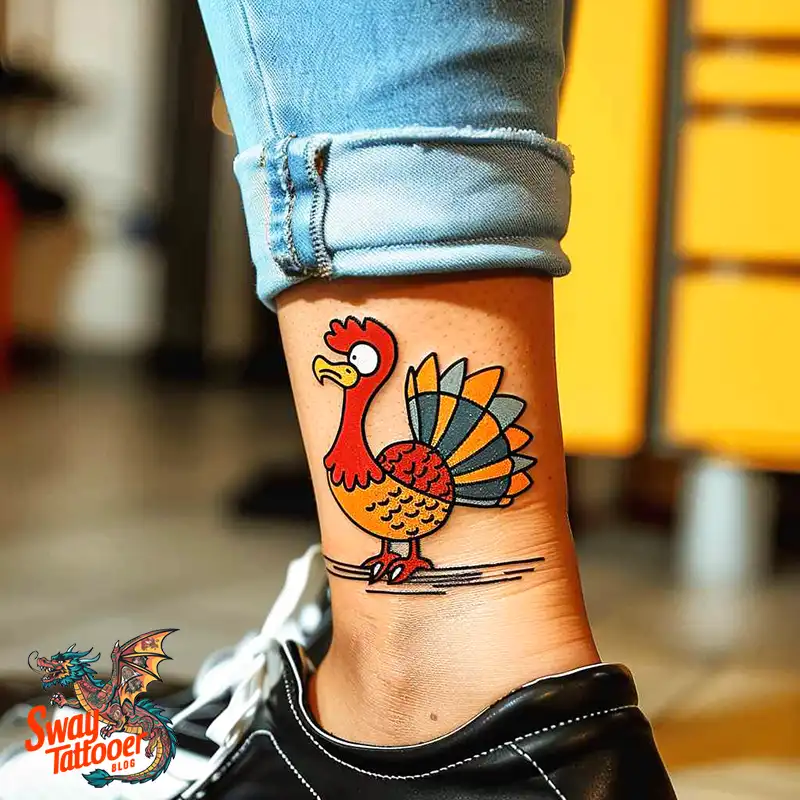
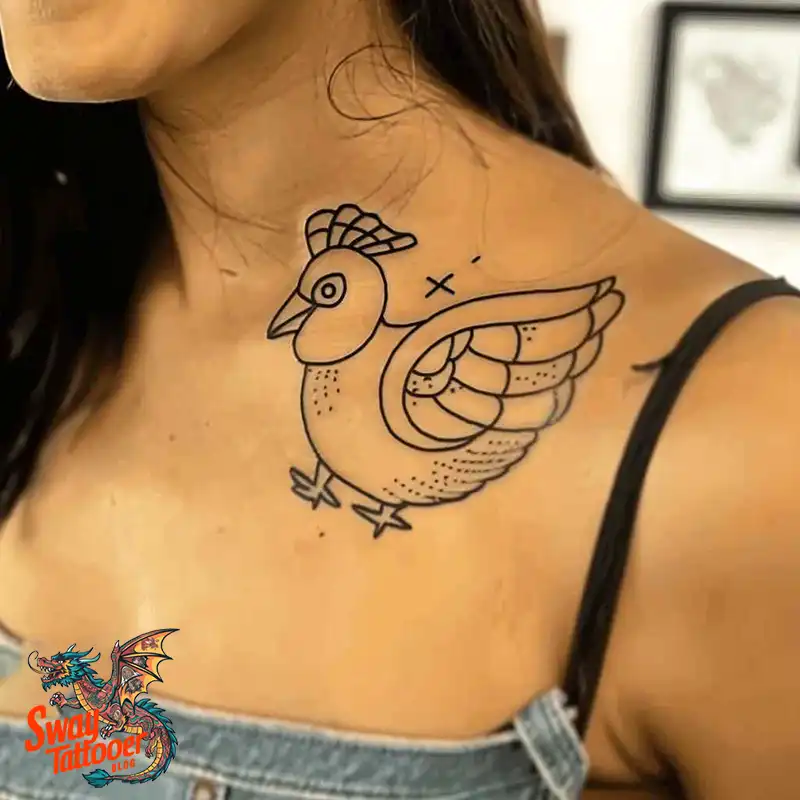
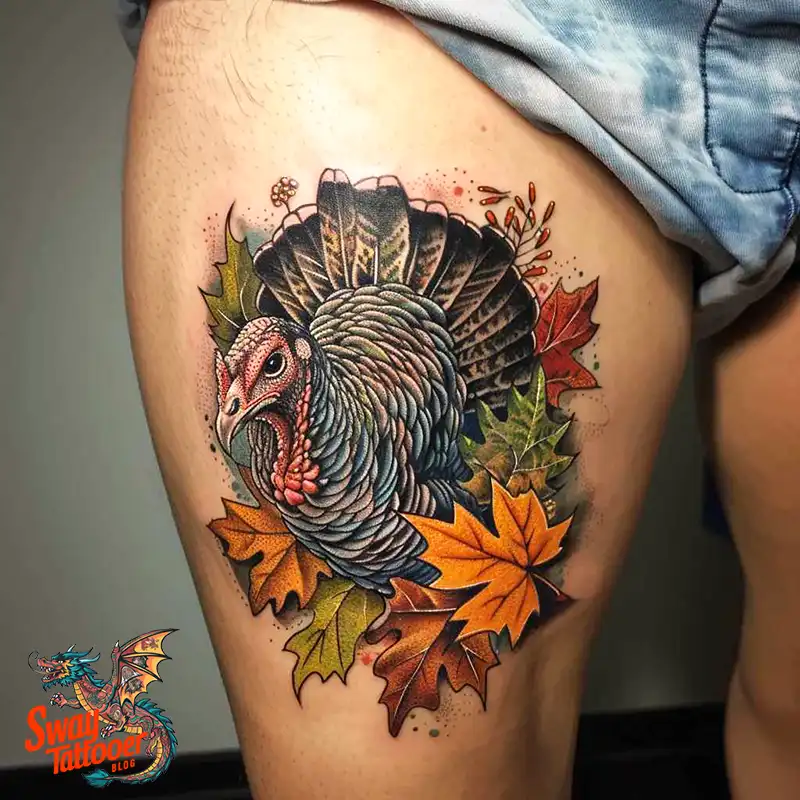
- Neo-Traditional: This style uses bold lines and bright colors. It is great for tulips or wolves. It adds a modern twist to old symbols.
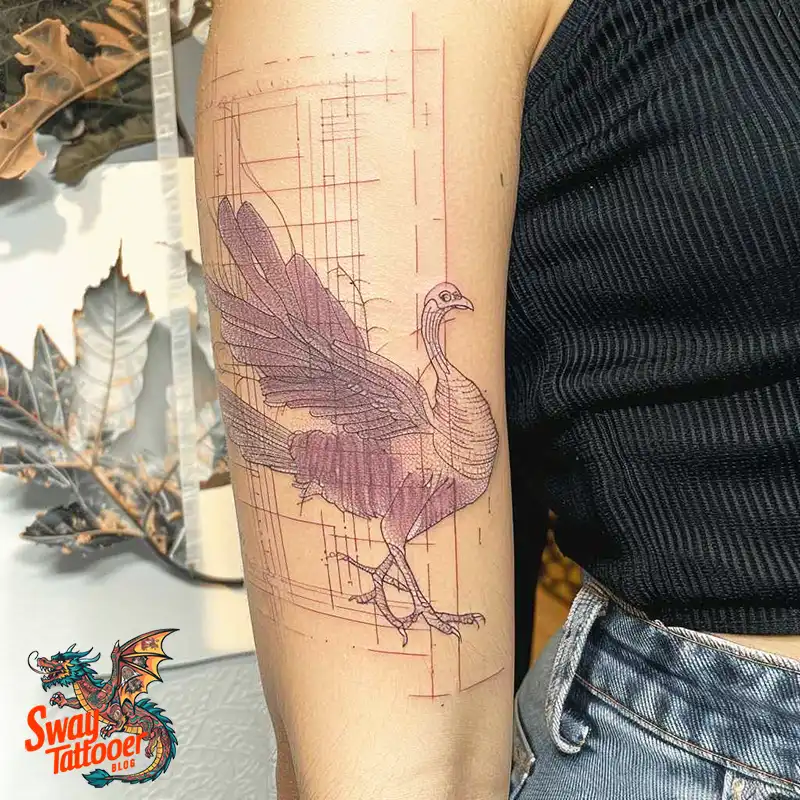
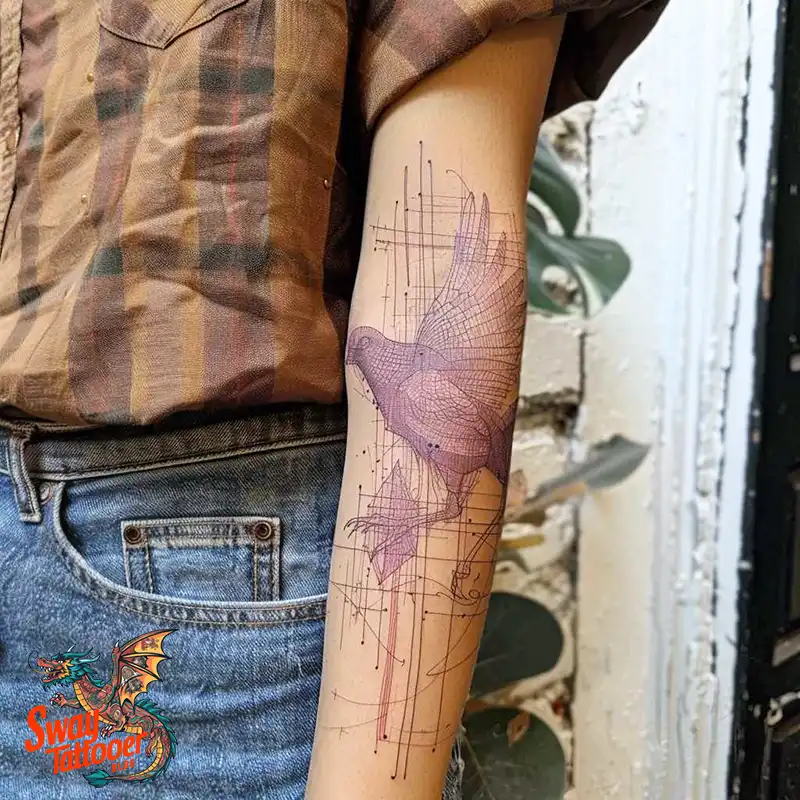
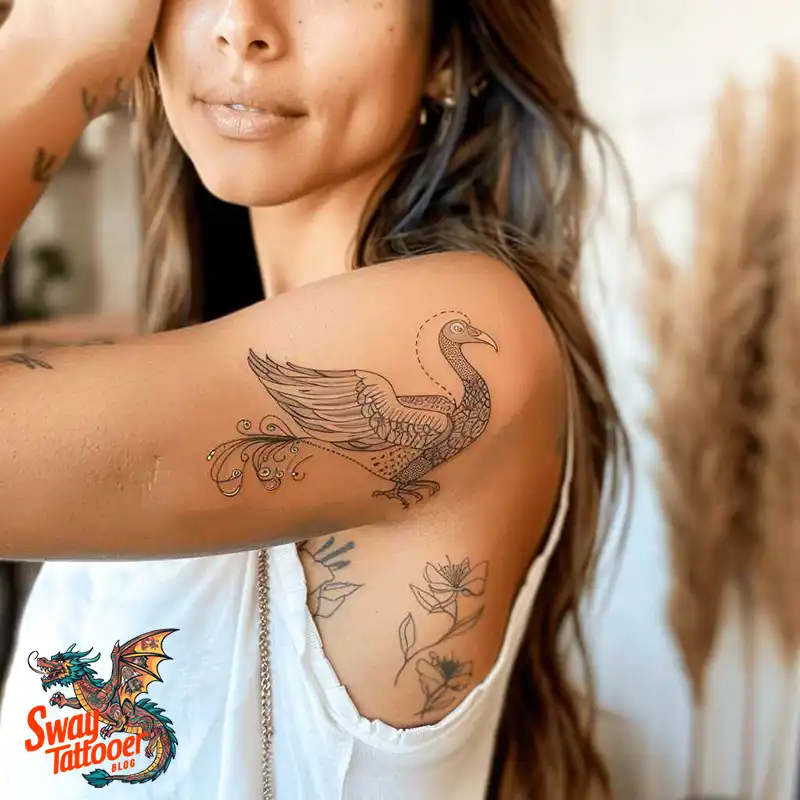
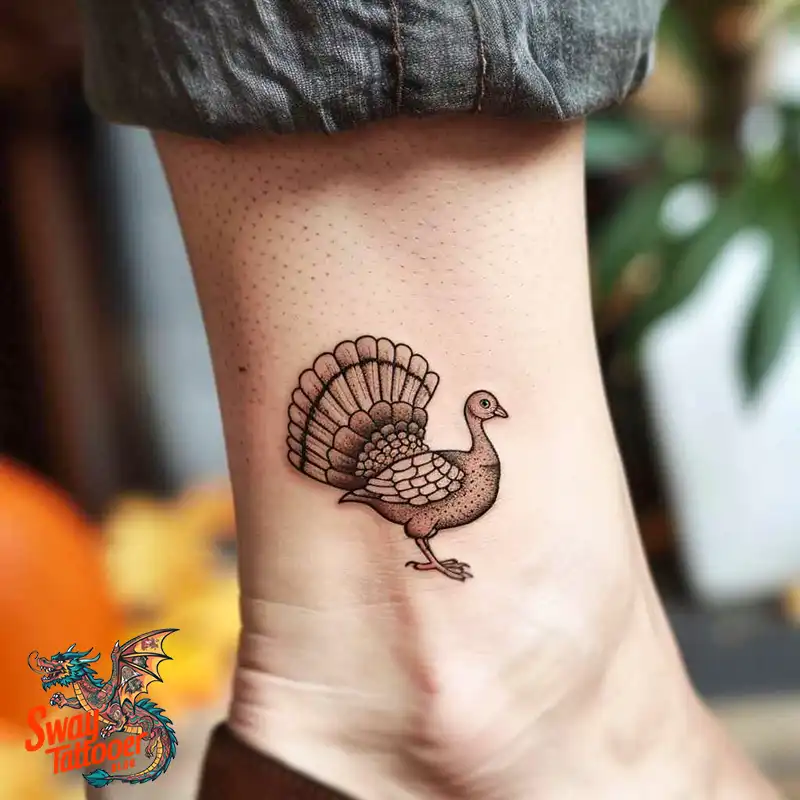
- Fine Line: This style uses very thin lines. It is a top choice for first-timers. It is perfect for a simple Rumi quote or a tiny star and crescent.


Placement:
Choosing the right spot is about comfort and how the art fits your body. Some spots hurt more than others.
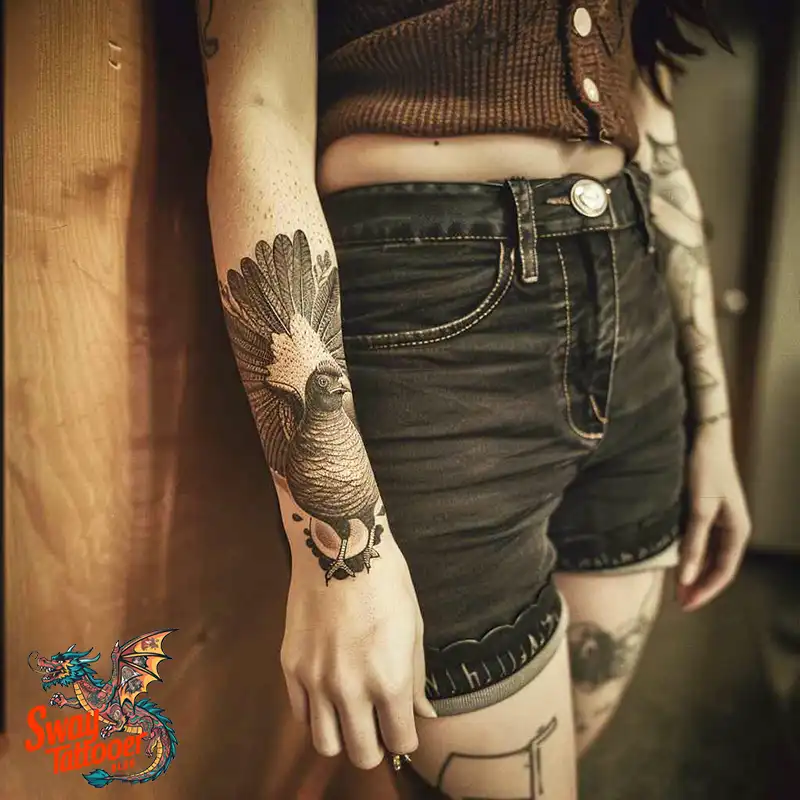
- Low Pain (Thigh or Forearm): These spots have more muscle. They are better for long sessions. They are often rated 3 to 5 out of 10 for pain.
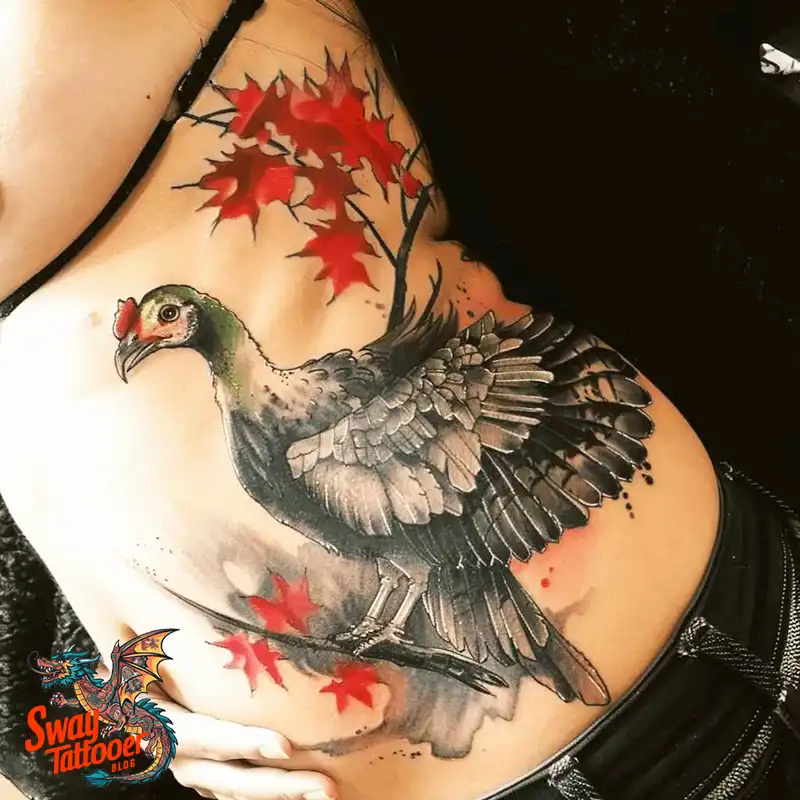
- High Pain (Rib Cage): The rib cage is one of the most painful spots. The skin is very thin over the bone. It is often rated 9 or 10 out of 10.
- Upper Back: This is a broad, flat space. It is great for large birds or buildings. It is also fairly low in pain.
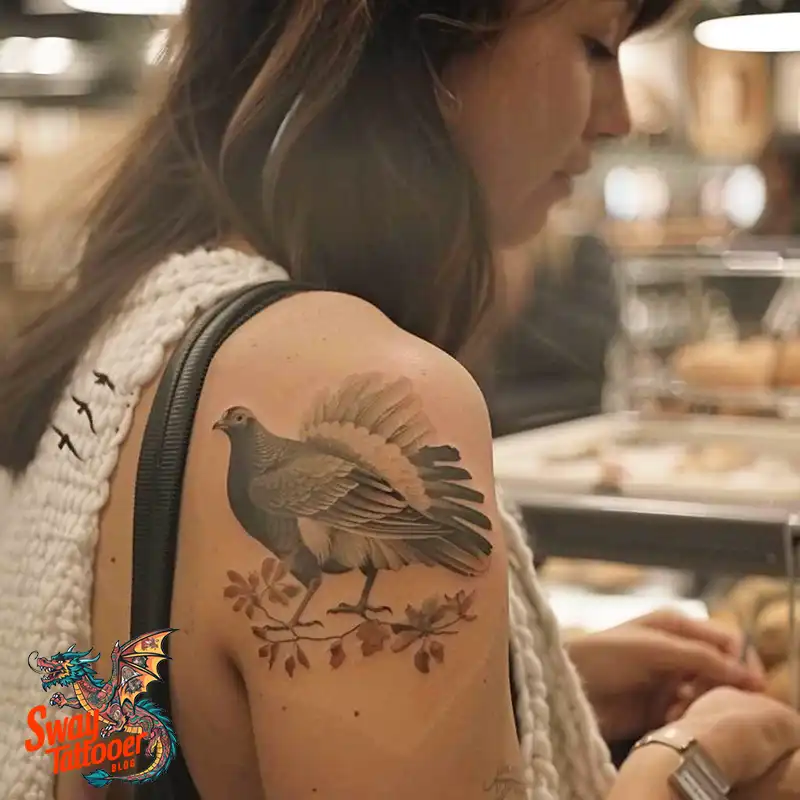
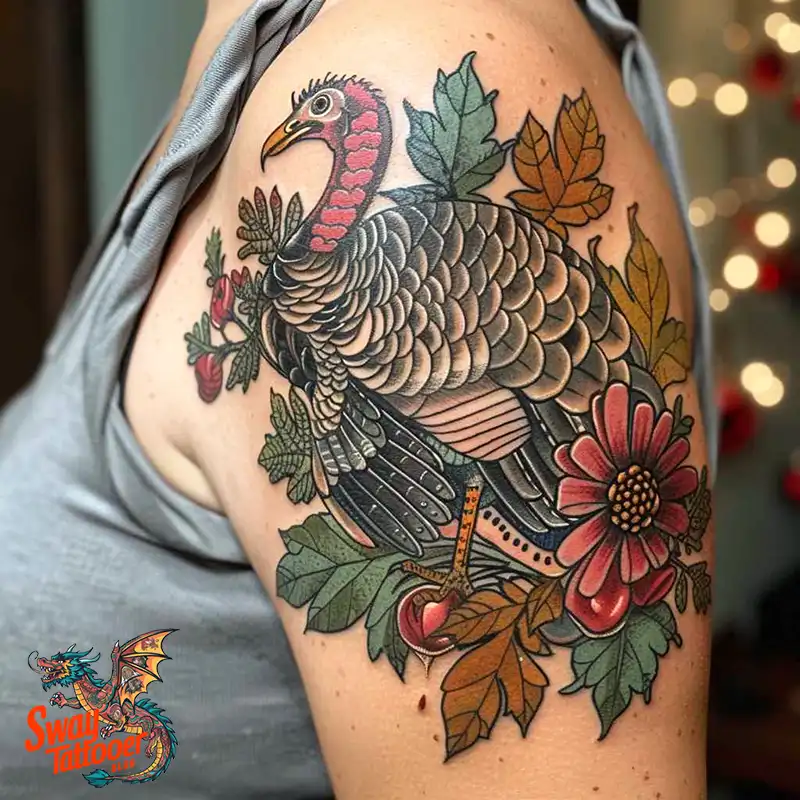
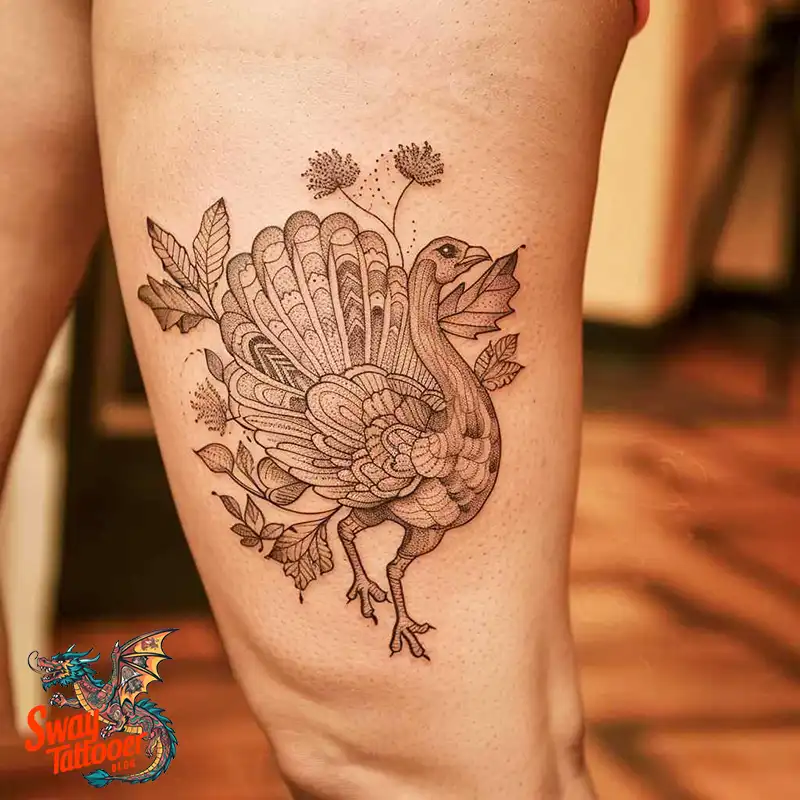
For detailed feathers and fine shading, I recommend upper arm or back placement, as these areas hold ink texture better over time and allow for broader detail.
Taking Care of Your Ink:
Good care is the only way to keep your tattoo vibrant. Red and brown inks can be tricky and need extra attention.
The First Few Weeks
- Keep it Covered: Use a protective bandage for the first few days.
- Wash Gently: Use mild, unscented soap two times a day. Pat it dry with a paper towel.
- Moisturize Thinly: Apply a small amount of water-based lotion. Do not use too much.
- No Picking: Never scratch or pick at scabs. This can pull the color out of your skin.
Long-Term Care
The sun is the “number one enemy” of your art. UV rays make colors dull, and lines blur. Once healed, always use SPF 30 or higher sunscreen. Mineral sunscreens with zinc are best.






FAQs:
Why do a bird and a country share the same name, “Turkey”?
It was actually a big mistake made long ago! Traders bought an African bird in the land of the Turks. People in England started calling it a “turkey” bird after that trade route. Later, settlers in North America found a new bird. It looked just like the first one. So, they gave it the same name by error. Each culture named the bird after where they thought it came from.
What are the best symbols to show Turkish heritage?
You have many beautiful choices. The Tulip is the national flower. It stands for divine love and beauty. The Evil Eye (Nazar) is a world-famous lucky charm. It is used to ward off bad energy. The Crescent Moon and Star are iconic signs of faith and guidance. You can also choose the Gray Wolf for strength and independence.
Does getting a Turkey tattoo hurt?
Yes, all tattoos hurt a little bit. But it really depends on the spot you choose. Areas with thin skin over bone hurt the most. These are the ribs, the spine, or the ankles. Spots with more muscle padding hurt less. These are the upper arm, the forearm, or the thigh. Most people describe the feeling as a slight burn or a scratch.
How much does a tattoo in Turkey cost?
Prices in Turkey are often much cheaper than in the US or Europe. A small, simple design usually starts around €60. Medium-sized tattoos can cost between $350 and $850. Very large or detailed art can range from $1,000 to $2,000 or even more. The price depends on the skill of the artist and the size of the piece.
How do I take care of a new tattoo to keep it vibrant?
You must follow a strict care plan. Keep the area clean and dry. Wash it twice a day with very mild, unscented soap. Apply only a thin layer of lotion to keep it moist. Do not soak it in water or swim for at least two weeks. Most importantly, stay out of the sun for three weeks to prevent fading.
Conclusion:
The turkey tattoo is a bridge between the past and the future. Whether you choose the brave bird or the pride of a nation, your ink is a symbol of resilience and abundance.
To make your art last:
- Find an Expert: Choose a specialist in realism or fine lines.
- Protect the Color: Red and brown inks need daily sun protection.
- Respect the History: Learn the story behind your design to make it truly meaningful.
Your tattoo is more than just ink. It is a lifelong symbol of your own unique journey.
Leave a Reply