
The olive branch tattoo has lasted far beyond simple trends. It is a powerful symbol in body art. It is elegant and shows a deep message of peace and tranquility. In a world that often feels divided, this symbol means hope and resolution. It is a perfect choice for people who want a small, yet significant permanent mark.
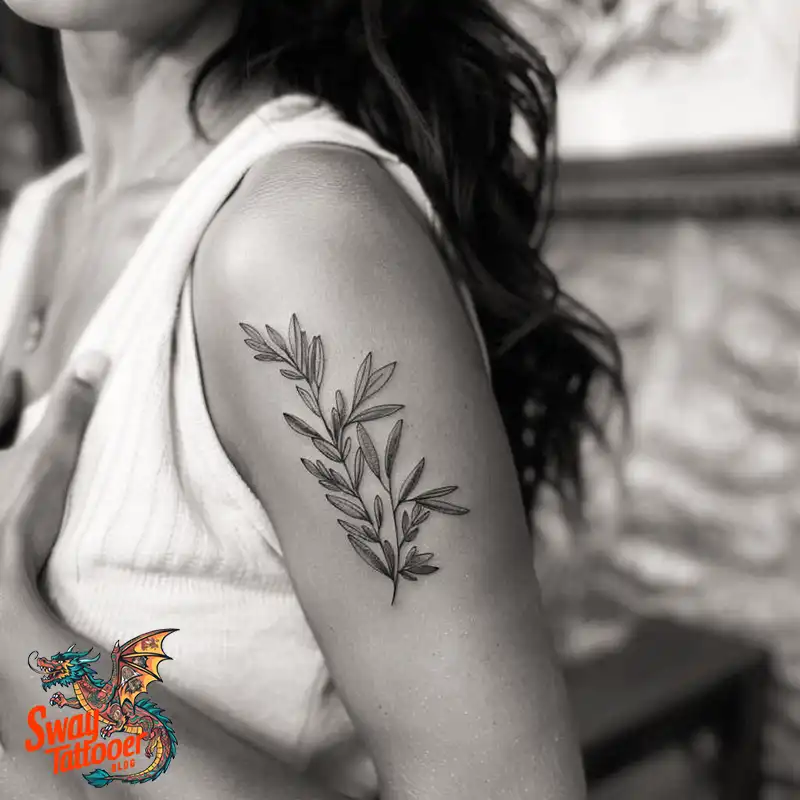
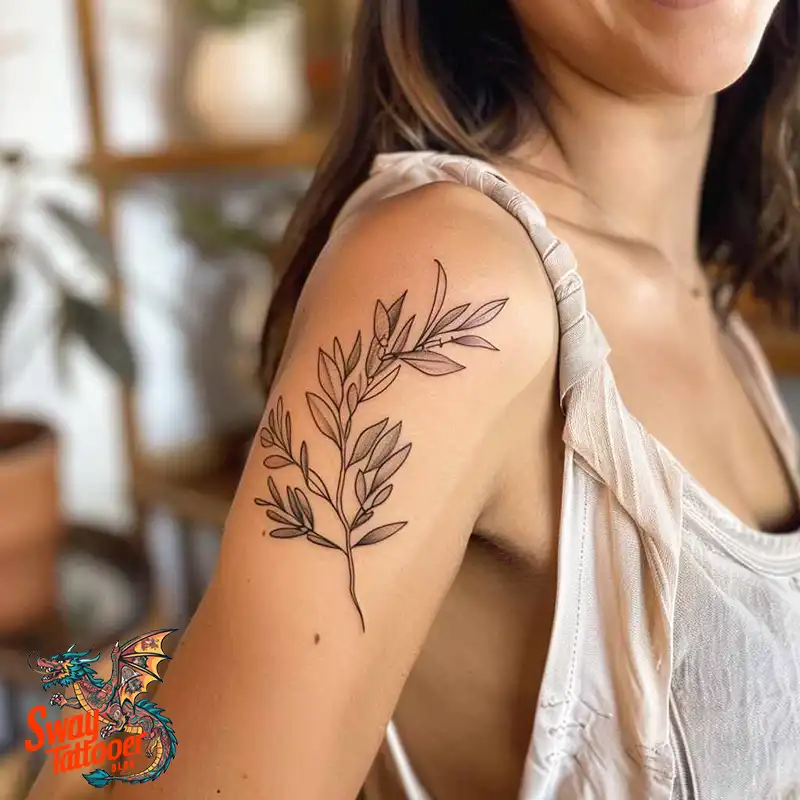
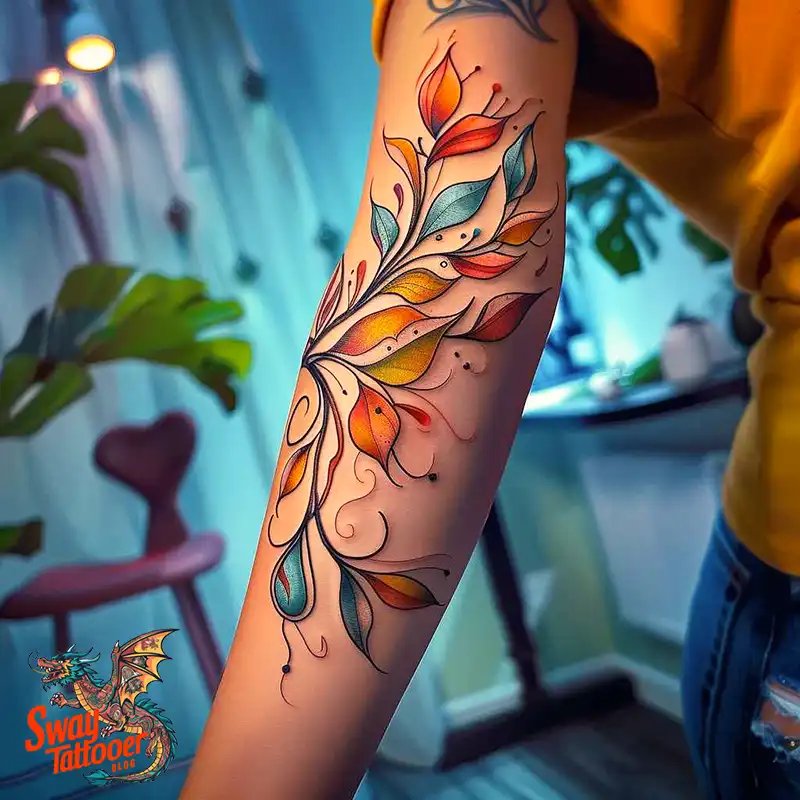
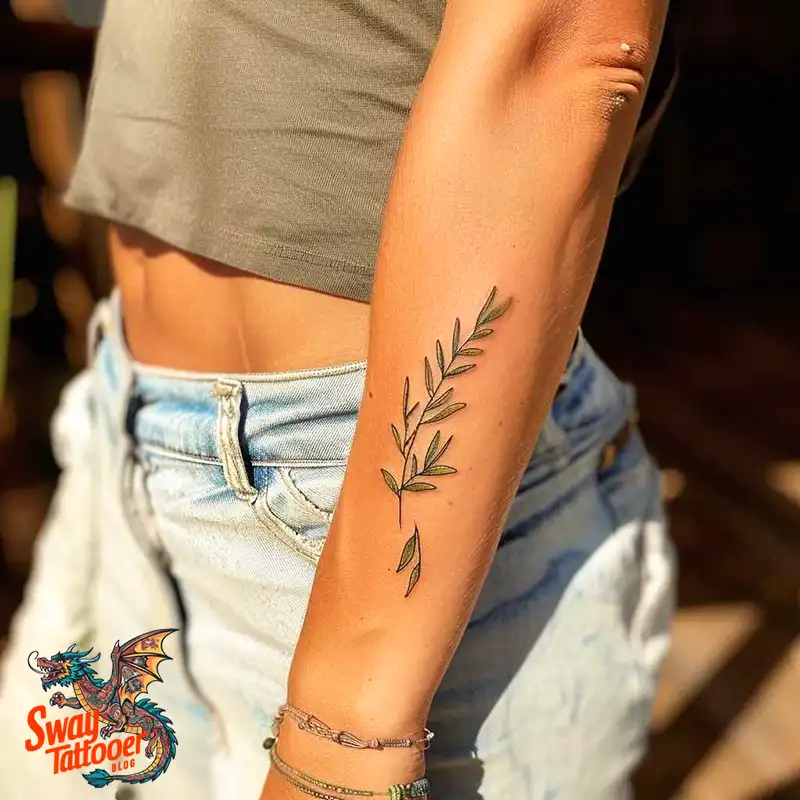
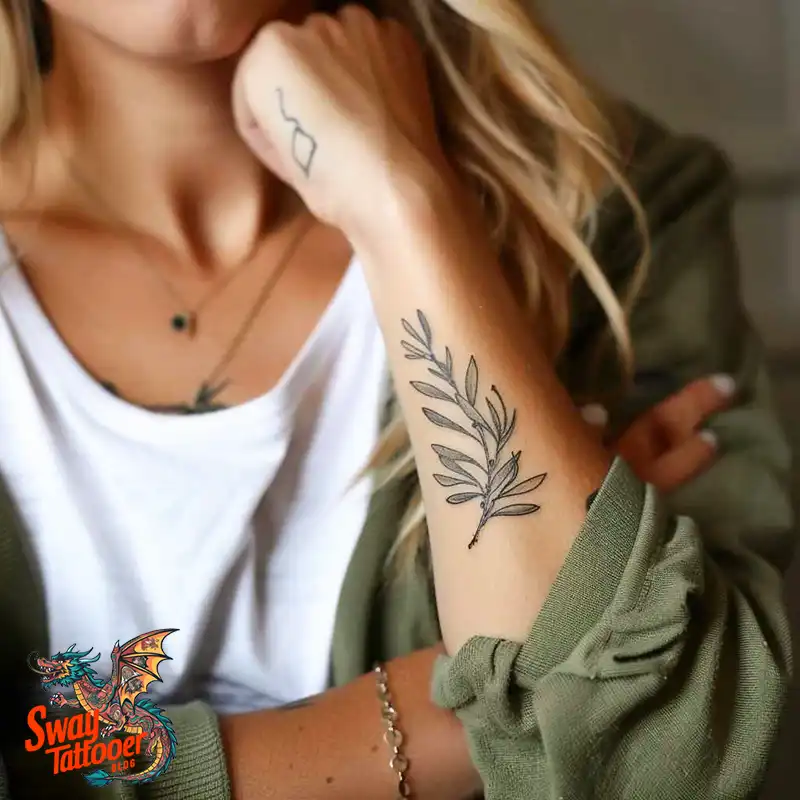
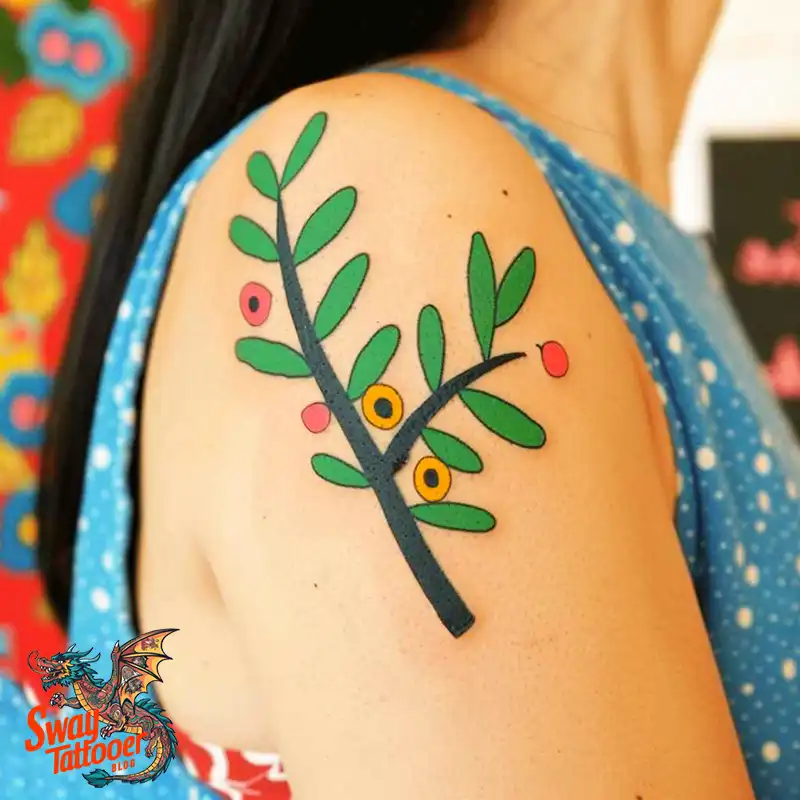
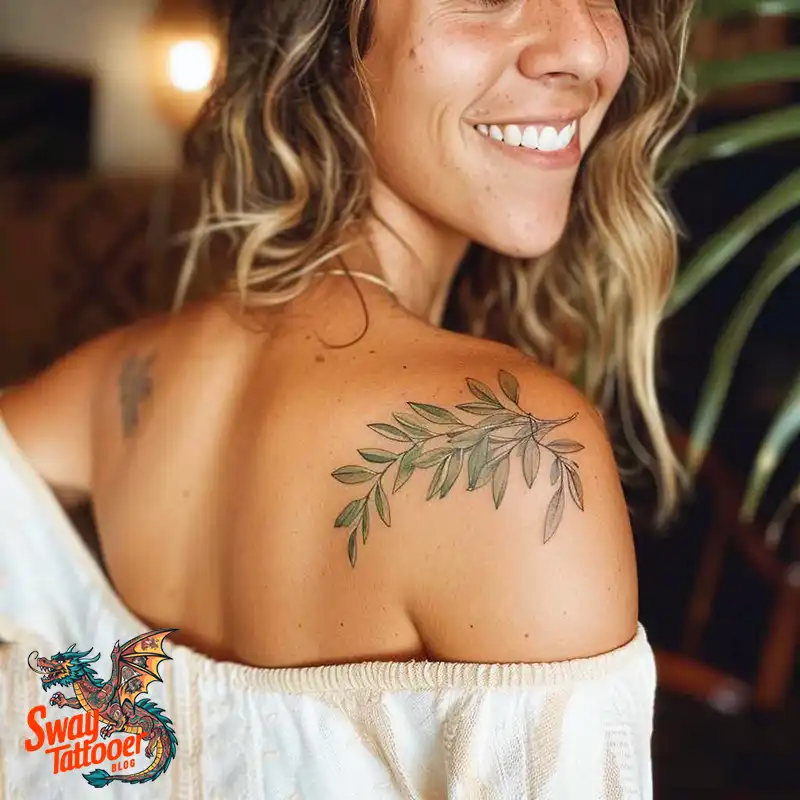
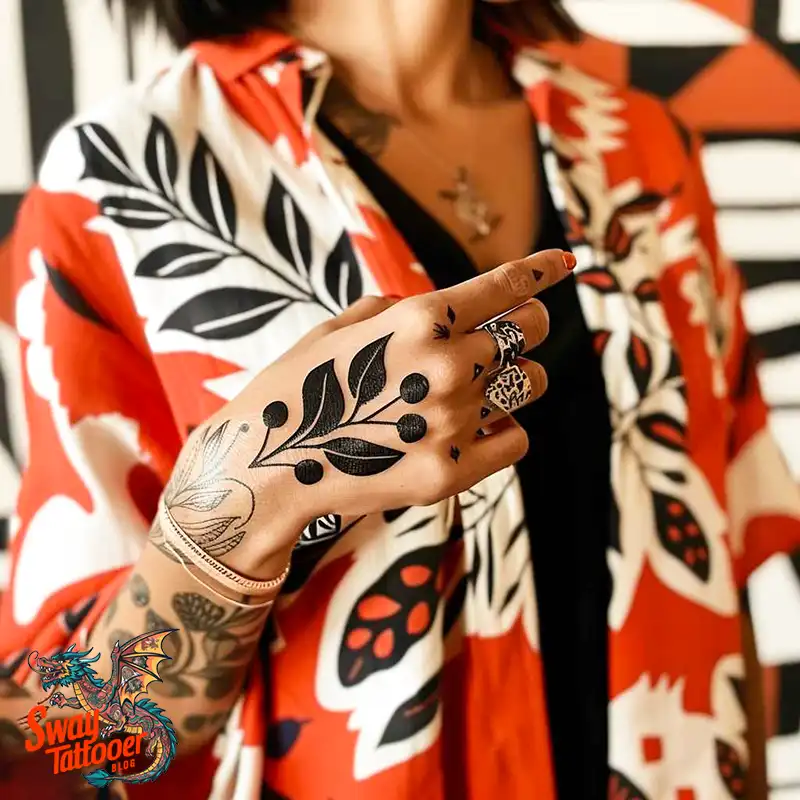
The power of the olive branch is in its simplicity. You can draw it as a simple, slender sprig of leaves. This is great for a subtle, minimalist look. Or you can draw a full wreath with many olives. The design is a sign of your personal commitment to calm. It reminds you that you succeeded in overcoming hard times and are now striving for a peaceful life.
Decoding the Symbolism:
The meaning of the olive branch tattoo is complex. It comes from thousands of years of culture and religion. The symbol shows two powerful ideas: it means the end of a fight and victory. This suggests the tattoo is about the successful resolution of a struggle, not just avoiding it.
Universal Meanings:
At its core, the olive branch is known all over the world as a gesture of peace and reconciliation. It means a conflict has stopped. It represents goodwill and harmony. For many people, the tattoo is a declaration of hope. It marks a fresh start or a commitment to finding common ground.
Personal Interpretation:
On a personal level, this design often marks a time of great personal growth that happened after a period of struggle. The tattoo serves as a constant reminder of your strength and resilience. It reminds you that you are moving toward a tranquil life.
The Power of the Olive Tree:
The deeper meaning comes from the olive tree itself. The tree is known for its long life and tenacity.
- Endurance: Olive trees have deep roots. They can grow even in rocky soil. This symbolizes endurance and resilience. They can produce fruit for hundreds of years.
- Renewal: Even after being cut back, the stumps grow new shoots. This makes the olive branch a symbol of rebirth and continued growth.
- Victory: A circle of olive leaves (wreath) means triumph and victory. This comes from its role in the ancient Olympic Games.


A History Etched in Time:
The historical connections of the olive branch are crucial. This makes the tattoo a timeless and universally understood declaration.
Greek Origins:
In Ancient Greece, the olive tree was sacred. It was essential to Athena, the goddess of wisdom.
- Athena’s Gift: The city of Athens was named after Athena because she gifted the olive tree to the people. This act meant prosperity and peace.
- Victory Wreath: A wreath of olive leaves (kotinos) was used to crown the victors of the ancient Olympic Games. Messengers also carried branches as a sign of peaceful intentions.
Roman Adoption:
The Romans quickly adopted this symbol. Roman envoys carried the olive branch as an official sign of peace during diplomatic missions.
- Pax Romana: The goddess of peace, Pax, was often shown holding the branch. This symbolized that peace brings prosperity.
- Hard-Won Peace: The Romans gave the olive wreath to victorious generals. This showed their role in restoring peace to conquered lands. This emphasizes that peace is achieved through strength.
Biblical Significance:
The olive branch tattoos holds immense spiritual meaning. It solidified its universal meaning of hope and reconciliation.
- Noah’s Ark: The most important story is from Noah’s Ark. A dove returned to the ark carrying a freshly plucked olive leaf. This single leaf meant the end of the great flood and the renewal of life on Earth. It was a sign of hope.
- Spiritual Unity: The olive tree is also a symbol of spiritual unity and God’s relationship with people. It suggests that diverse people come together as one prosperous spiritual tree.

Historical Significance of the Olive Branch
| Culture/Era | Primary Meaning | Key Context/Reference |
| Ancient Greece | Wisdom, Prosperity, Victory | Athena’s Gift to Athens, Olympic Wreaths |
| Ancient Rome | Peace, Diplomacy, Triumph | Pax Romana, Envoys, Victorious Generals |
| Judeo-Christian Tradition | Hope, Renewal, Reconciliation | Noah’s Ark (Dove and Olive Leaf) |
| Modern Diplomacy | Global Peace and Unity | The United Nations Emblem |
Design & Style Catalogue:
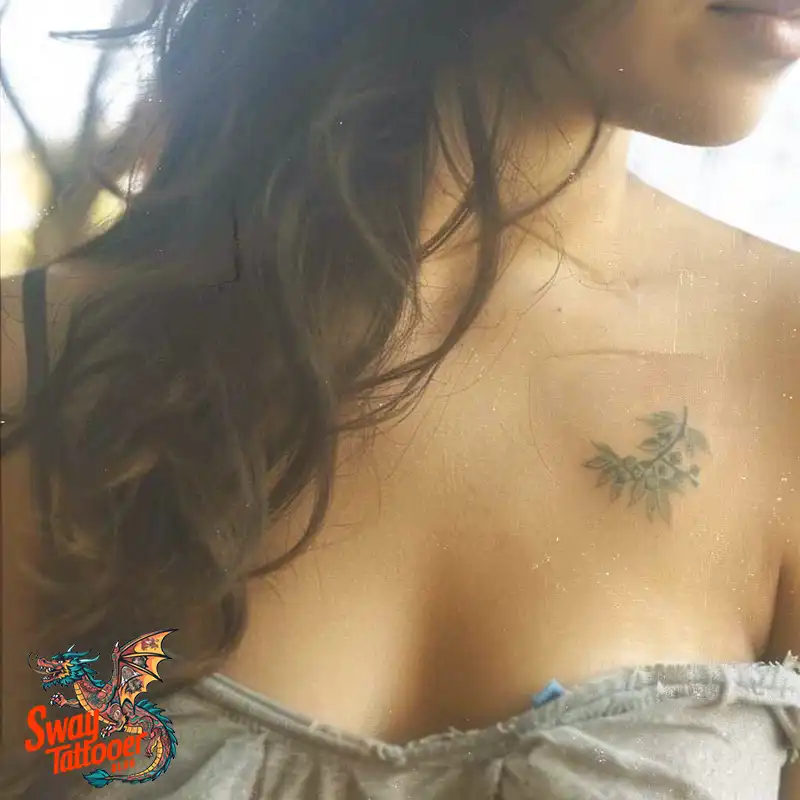
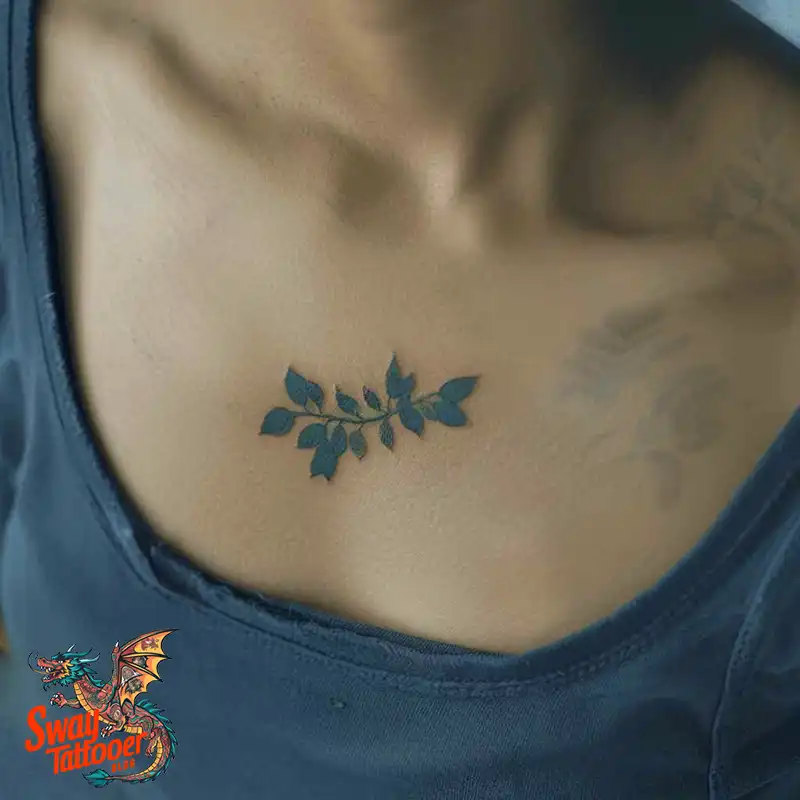
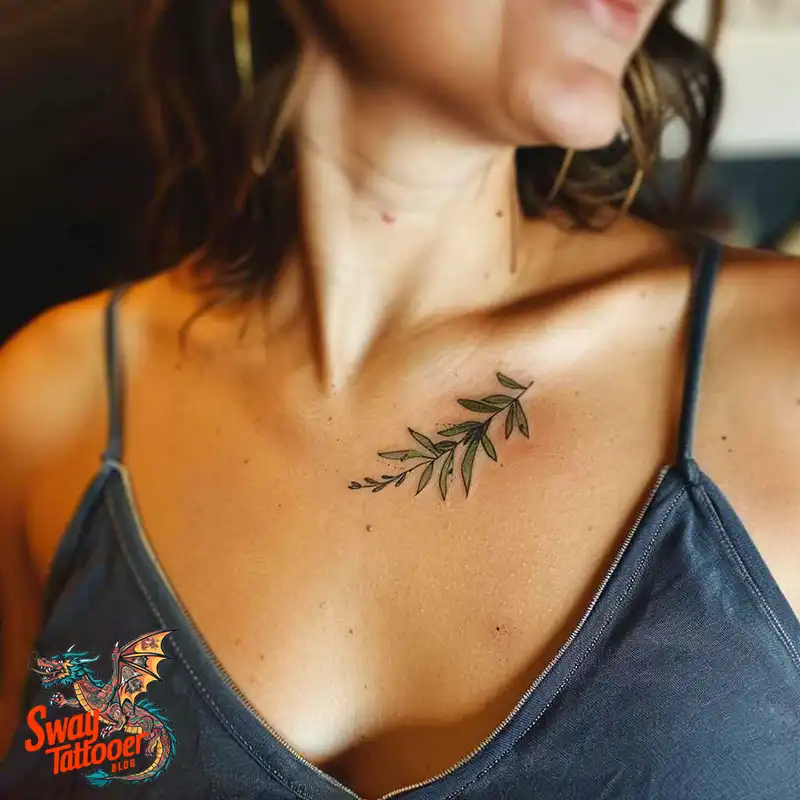
The olive branch’s natural shape—slender and graceful—makes it very versatile for body art.
Primary Design Formats
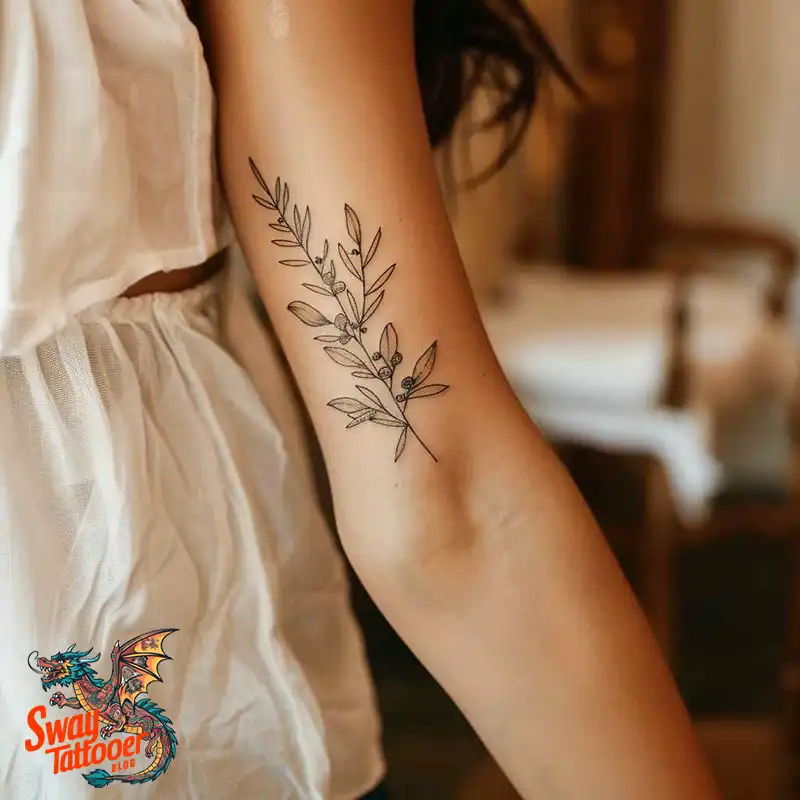
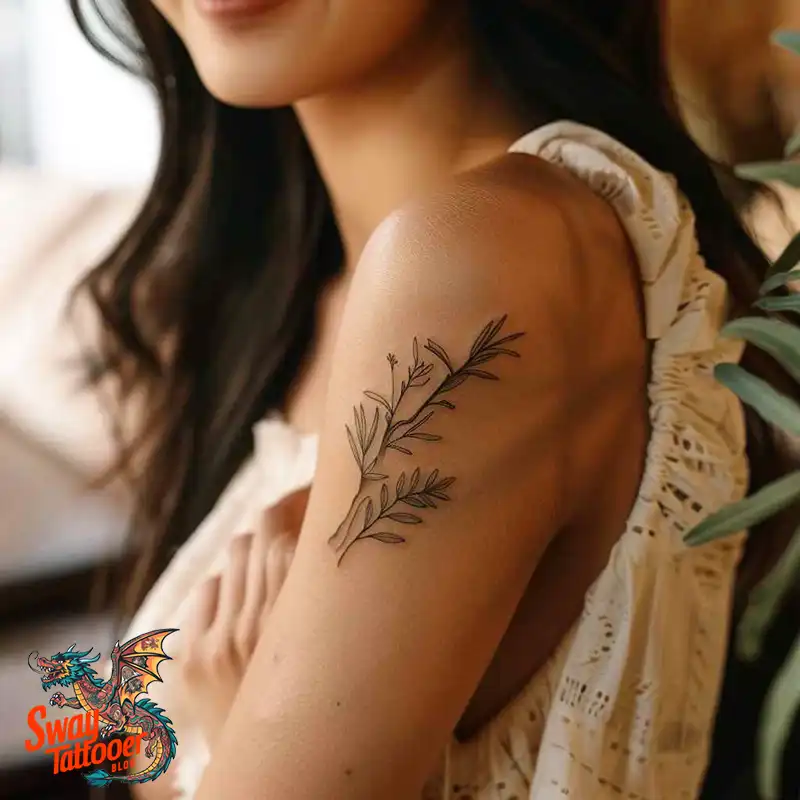
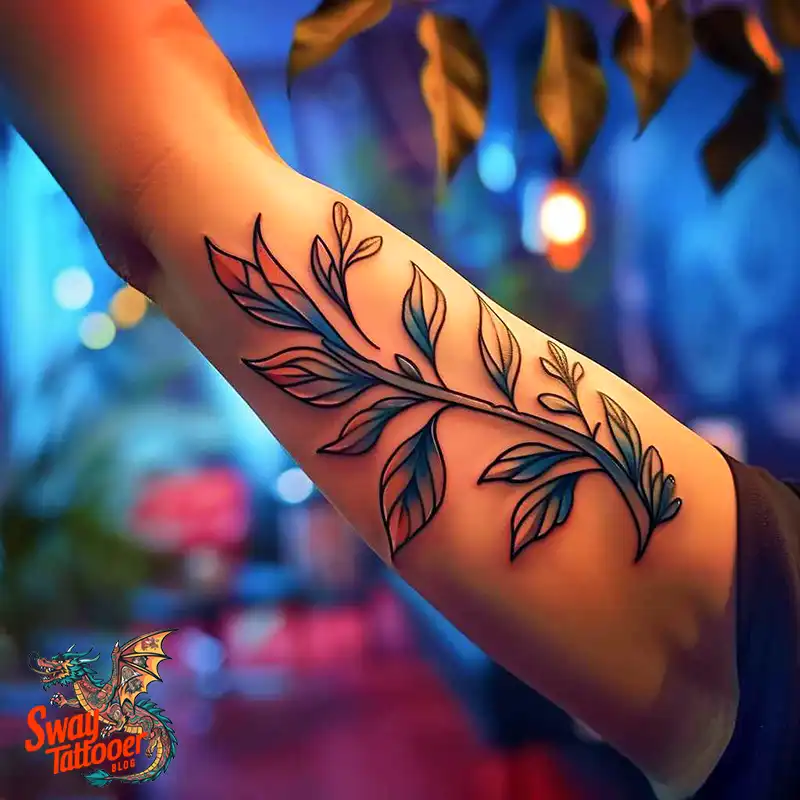
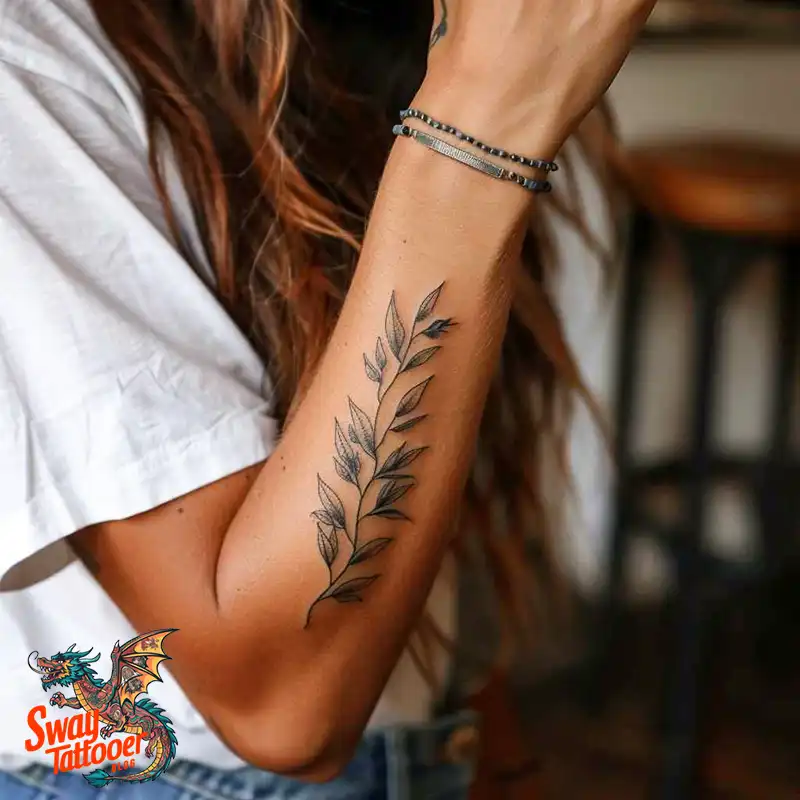
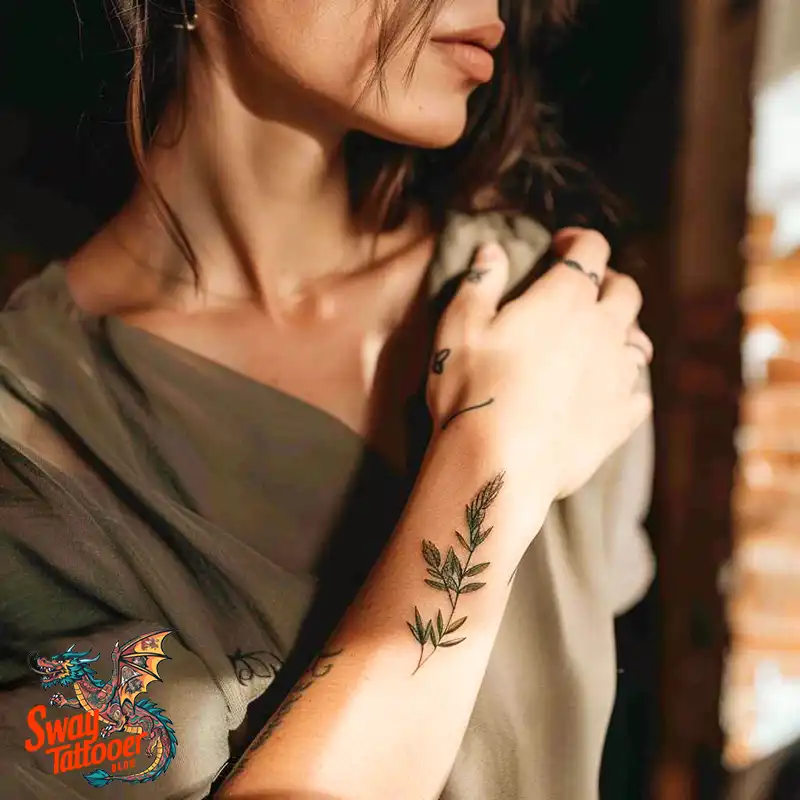
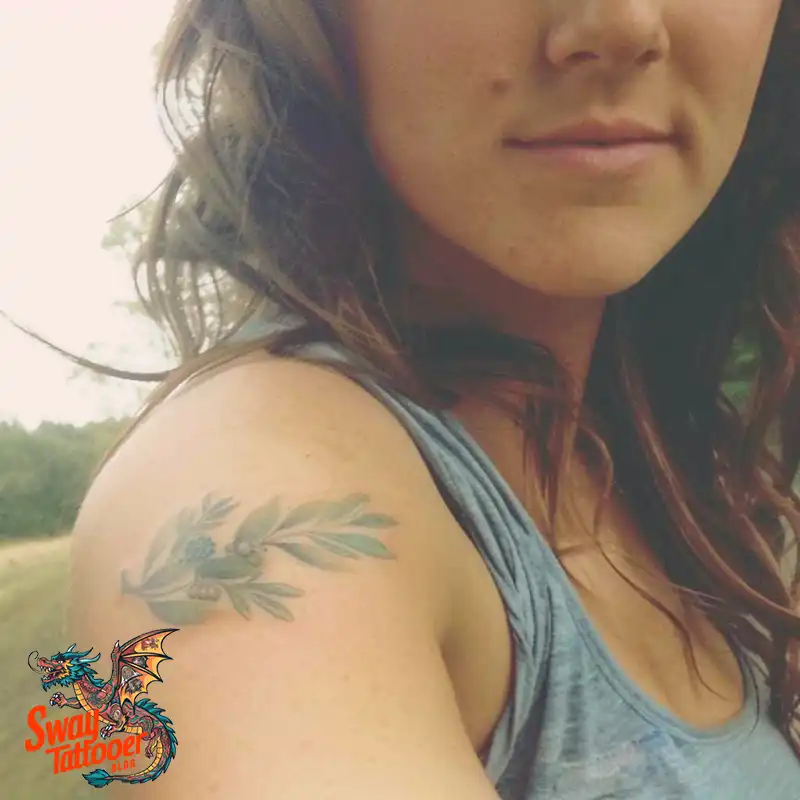
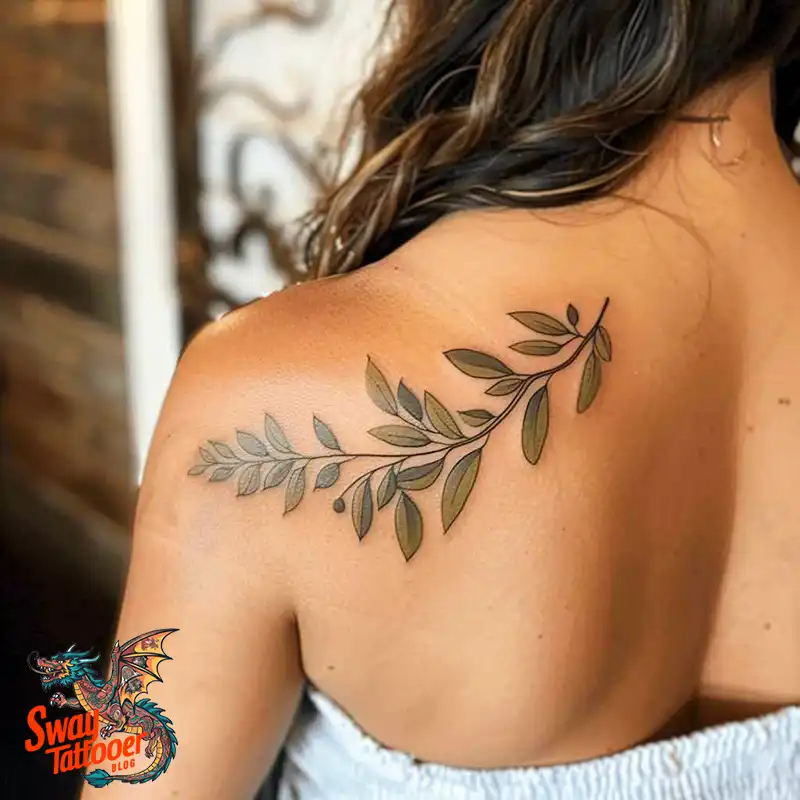
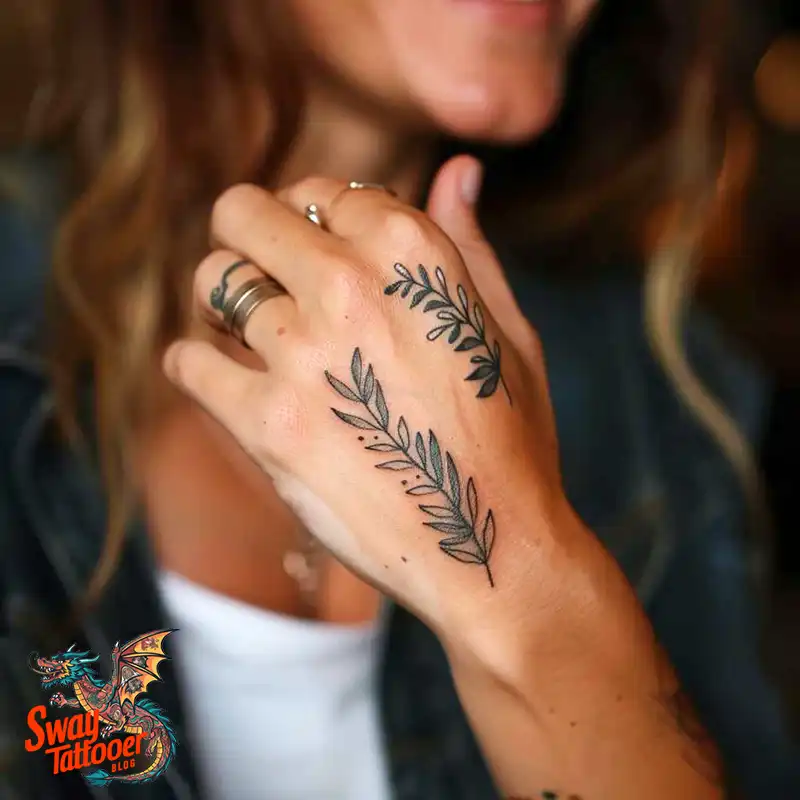
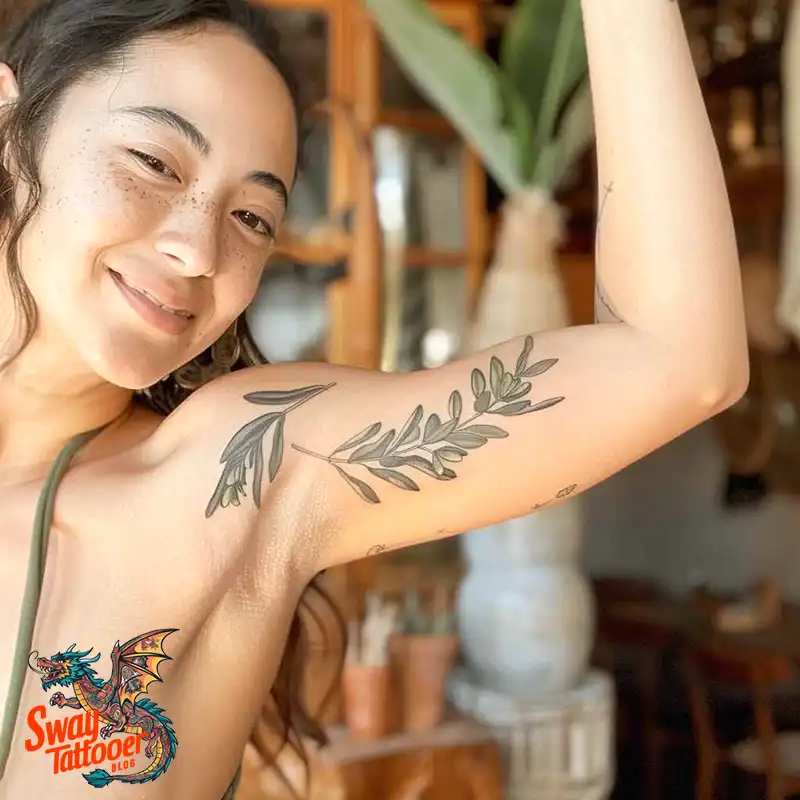
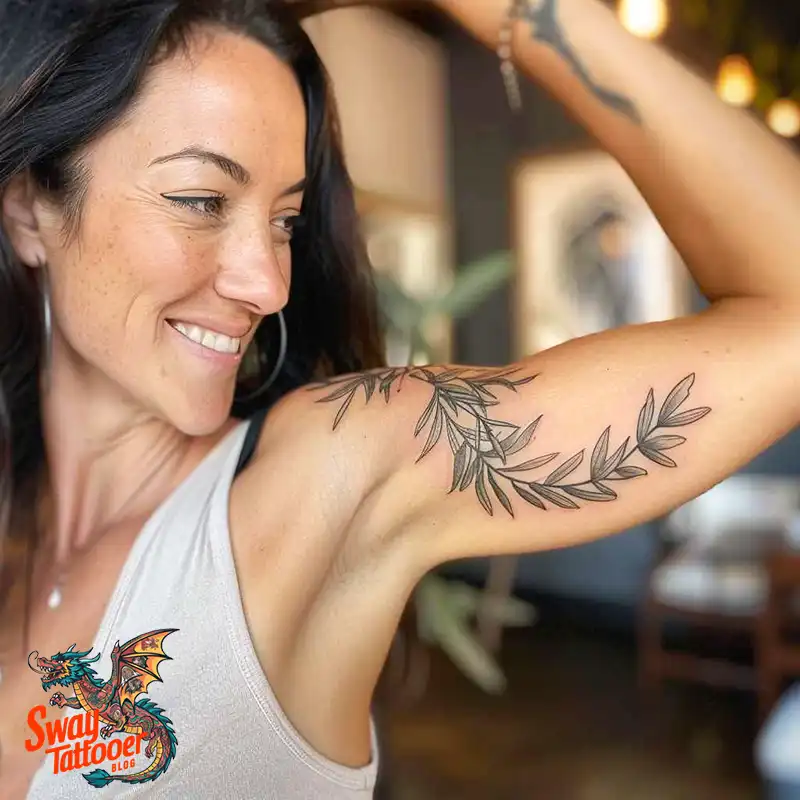
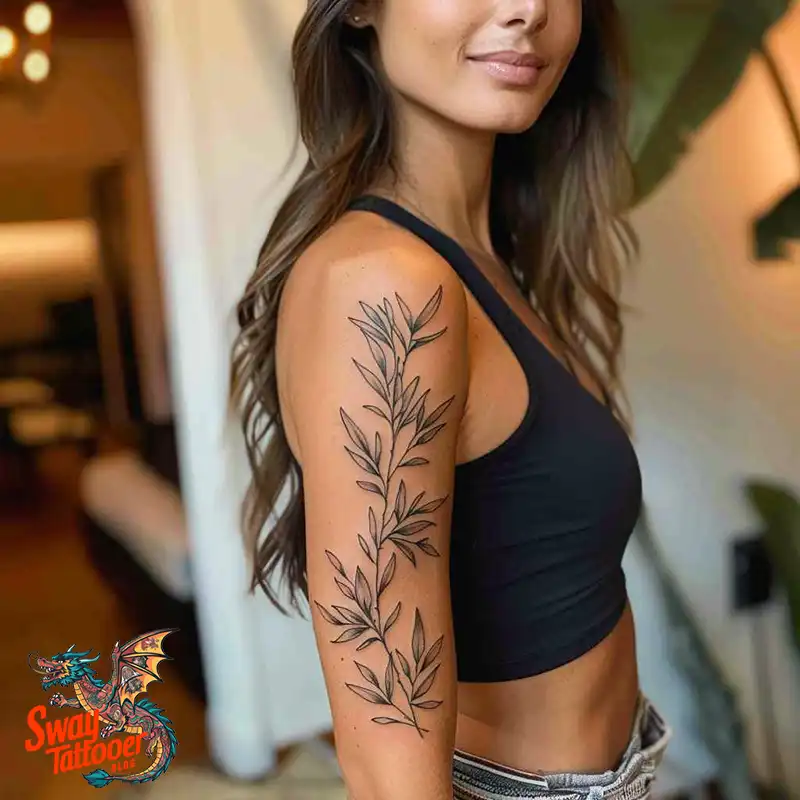
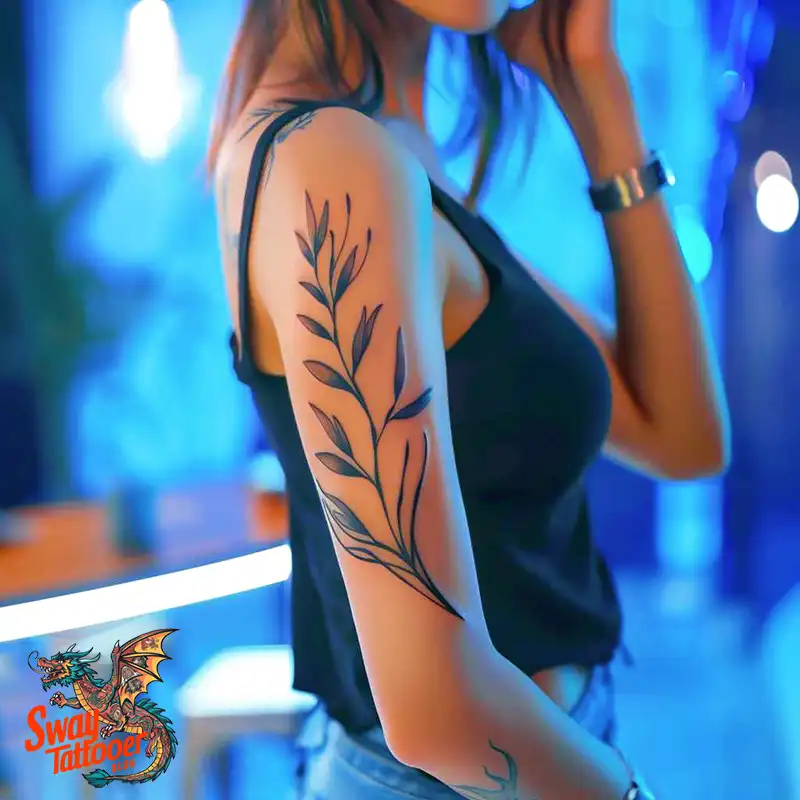
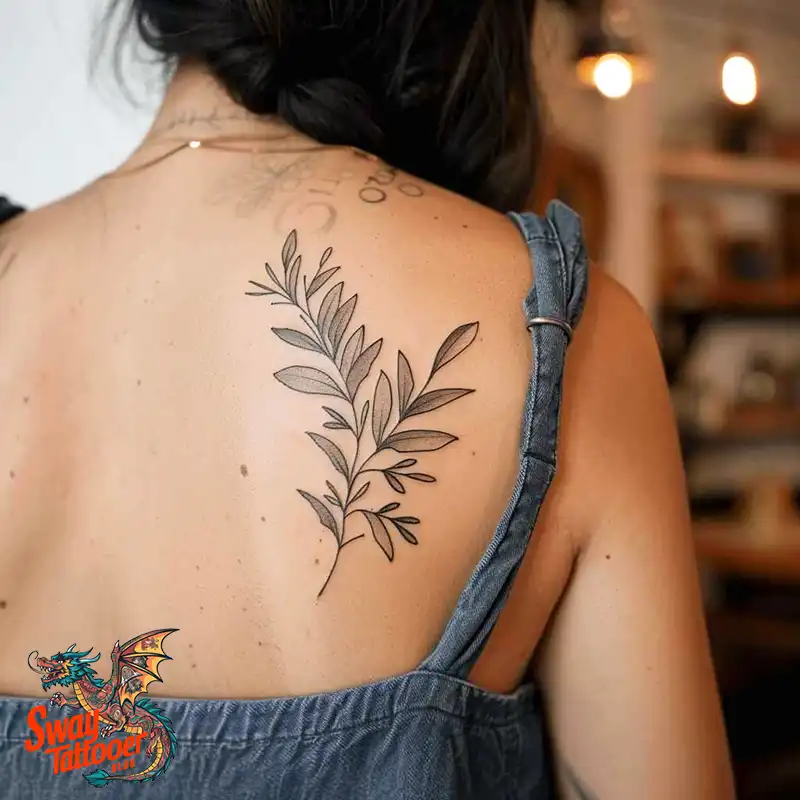
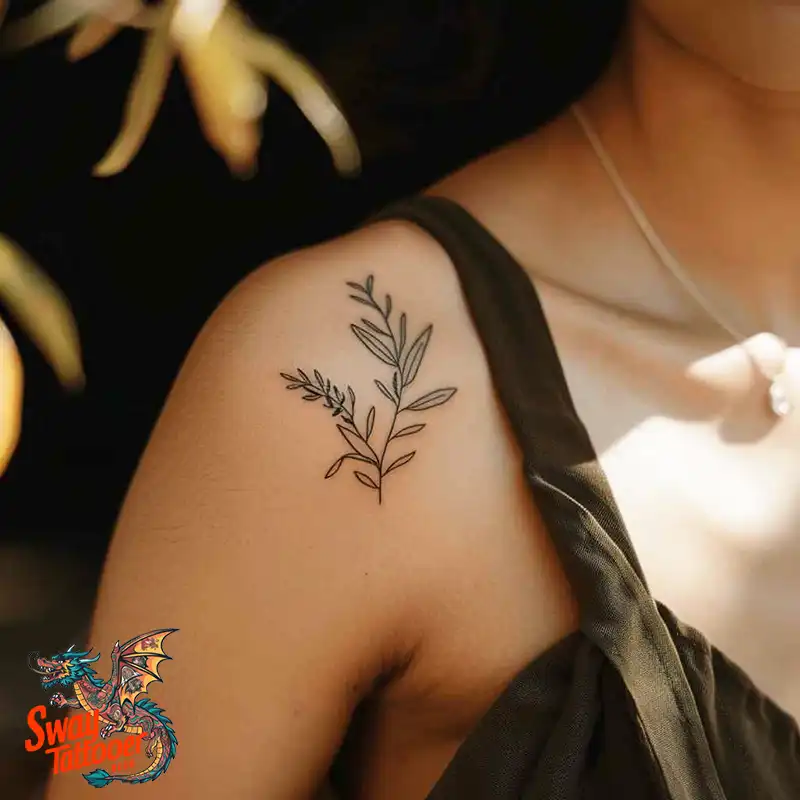
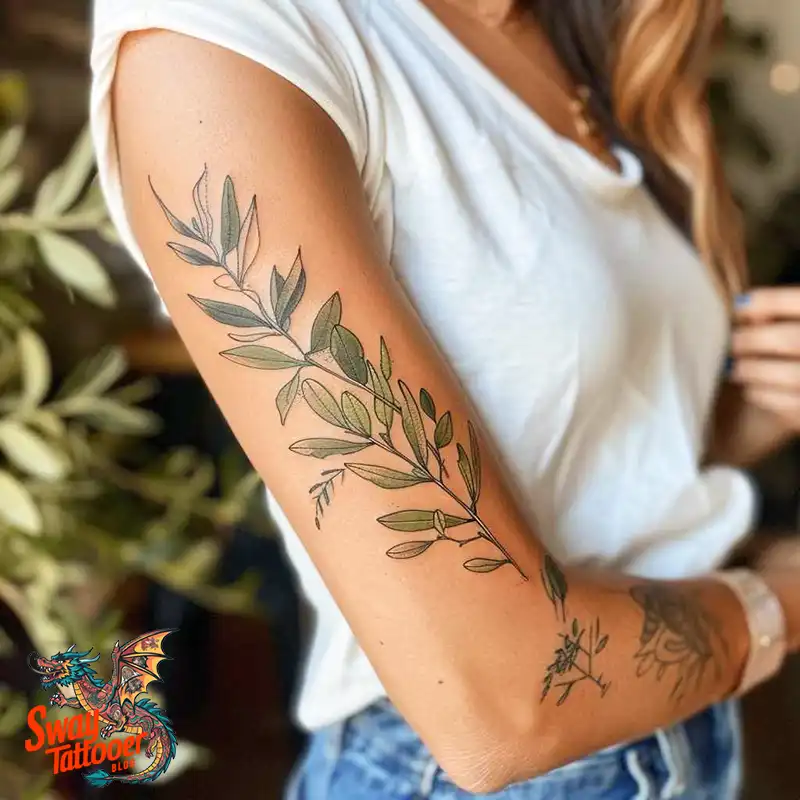
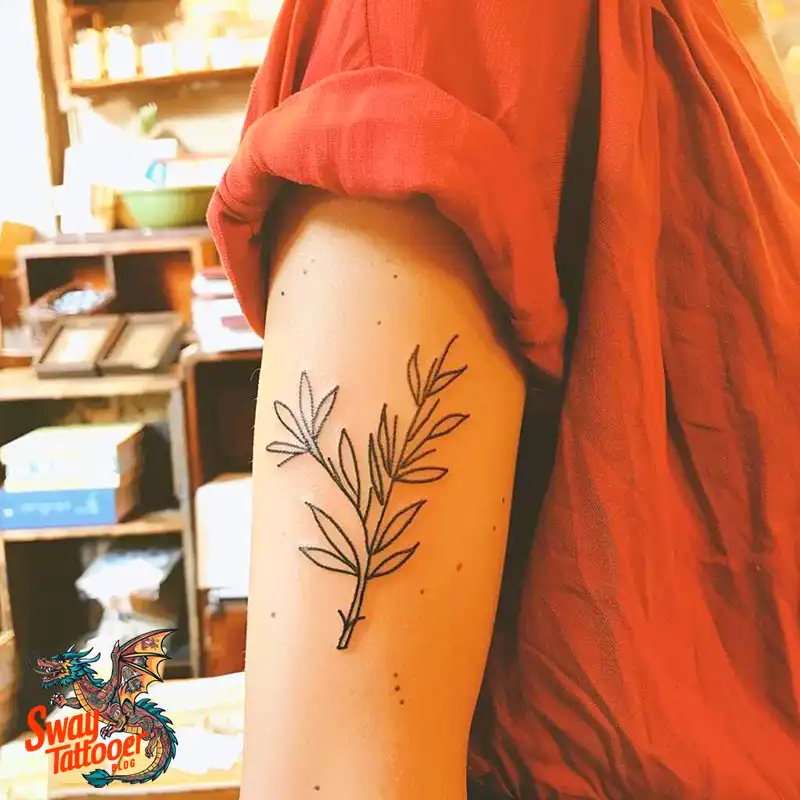
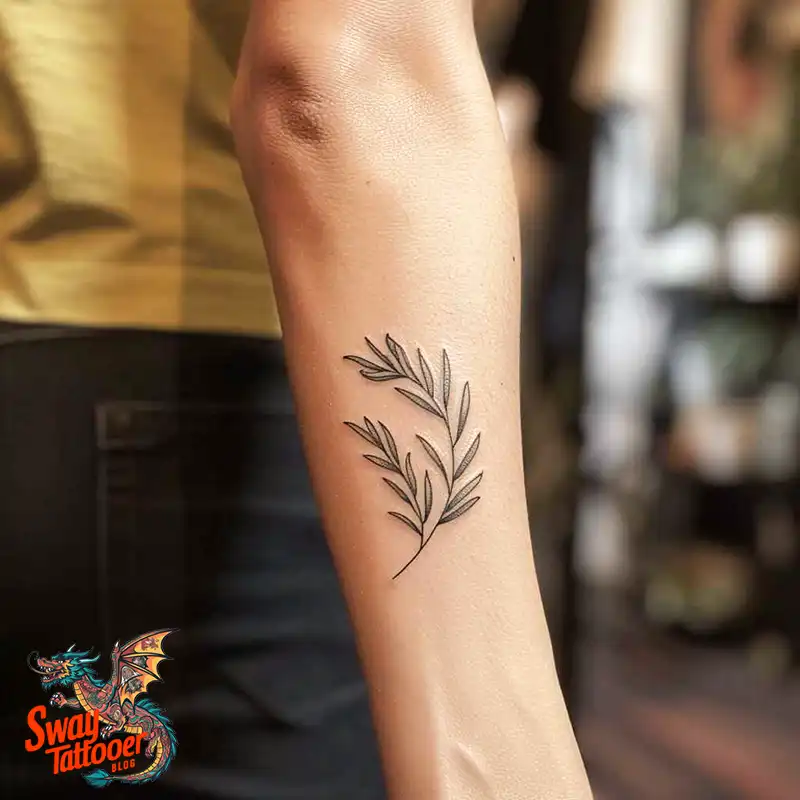
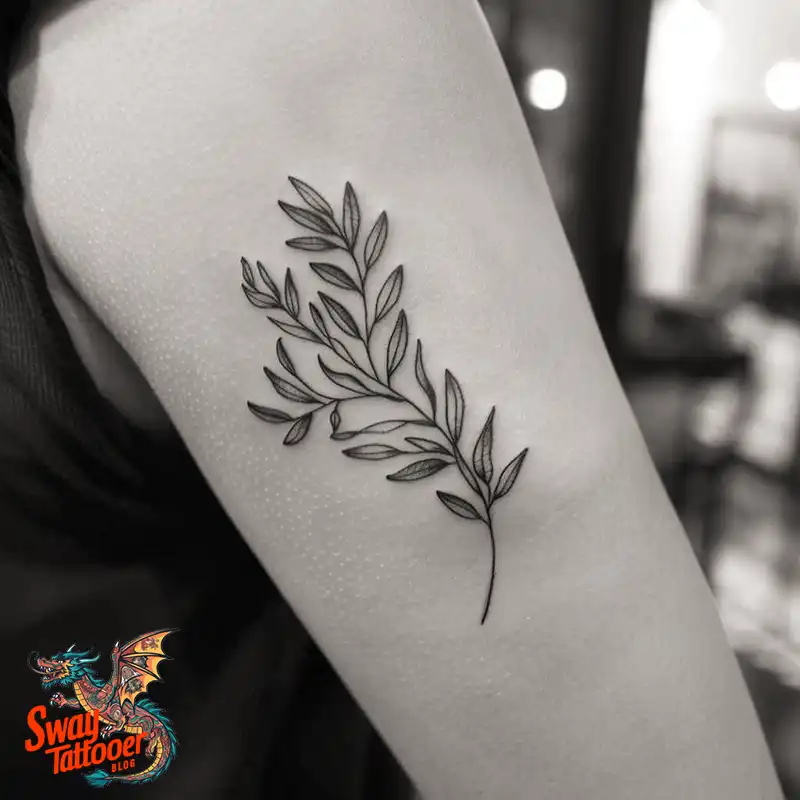
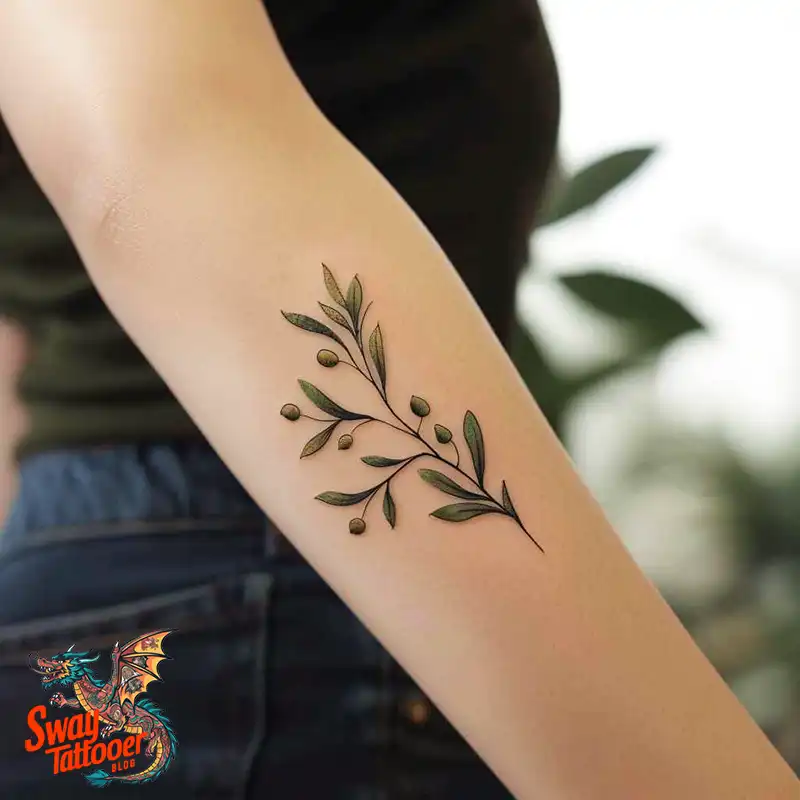
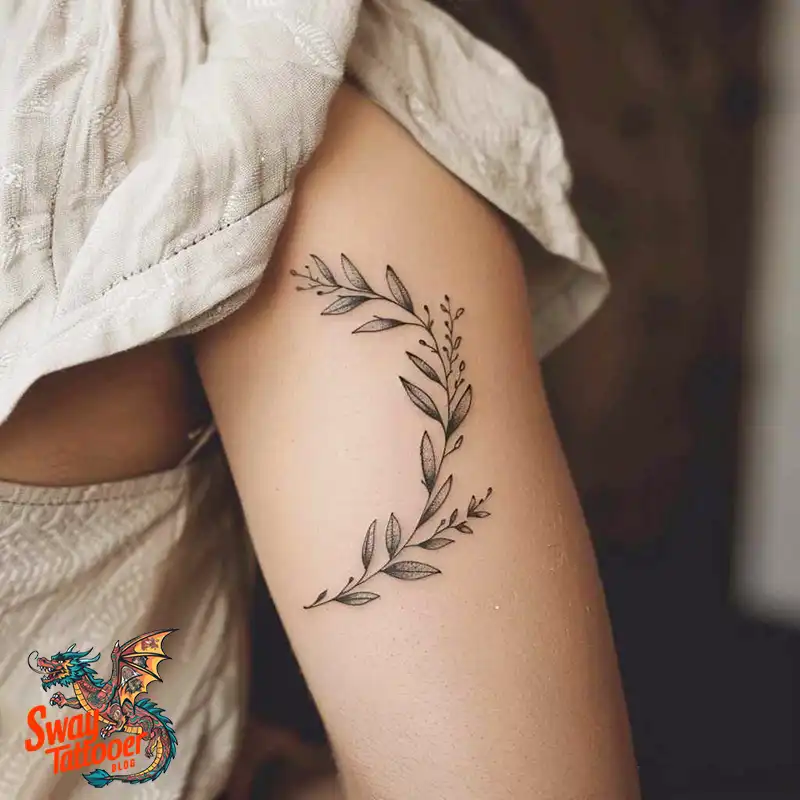
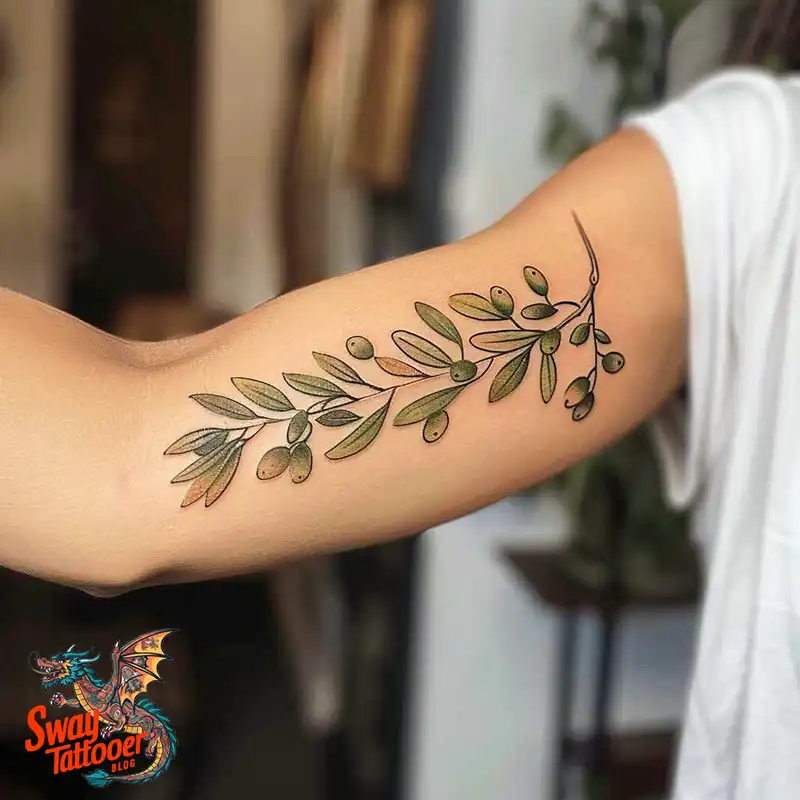
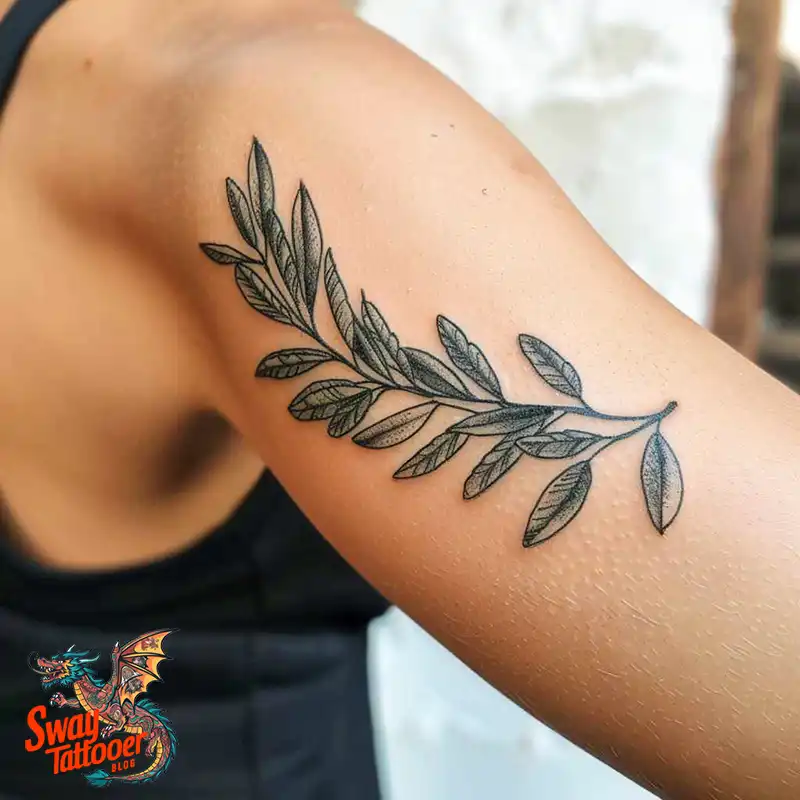
- The Single Sprig: This is very popular for minimalist and understated looks. It often curves gently around an arm or wrist.
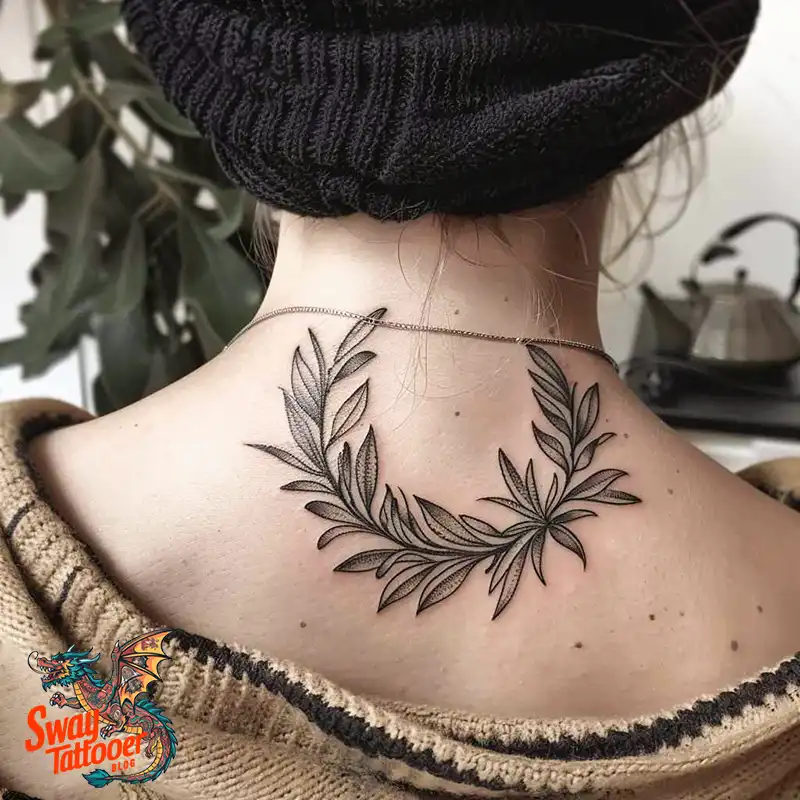
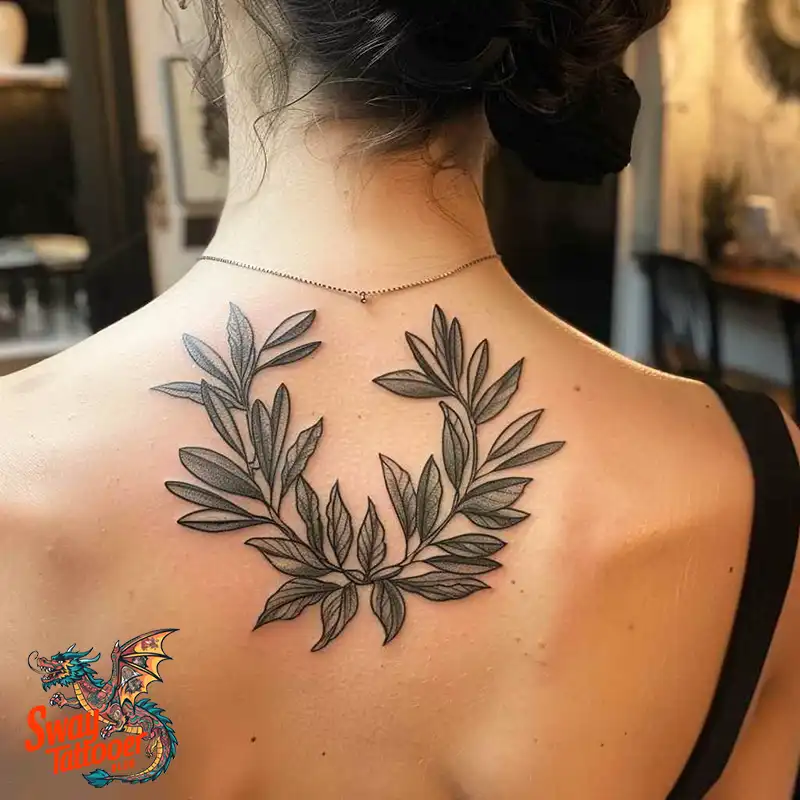
- The Olive Wreath Tattoo: This circular shape means victory, triumph, and achievement.
Aesthetic Styles (Technical Application)
The style defines the visual impact and the tattoo’s long life.
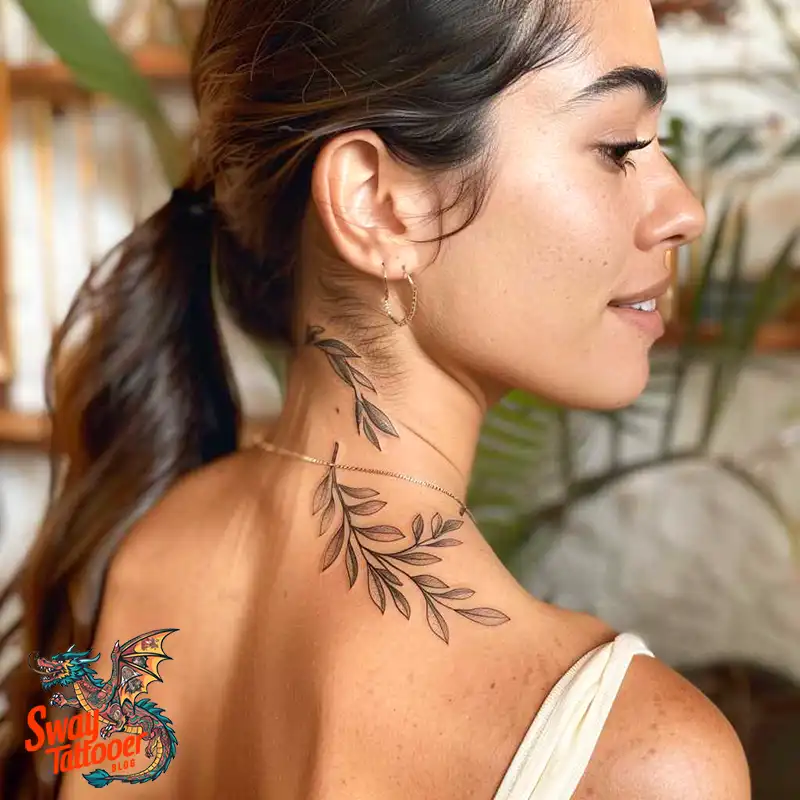
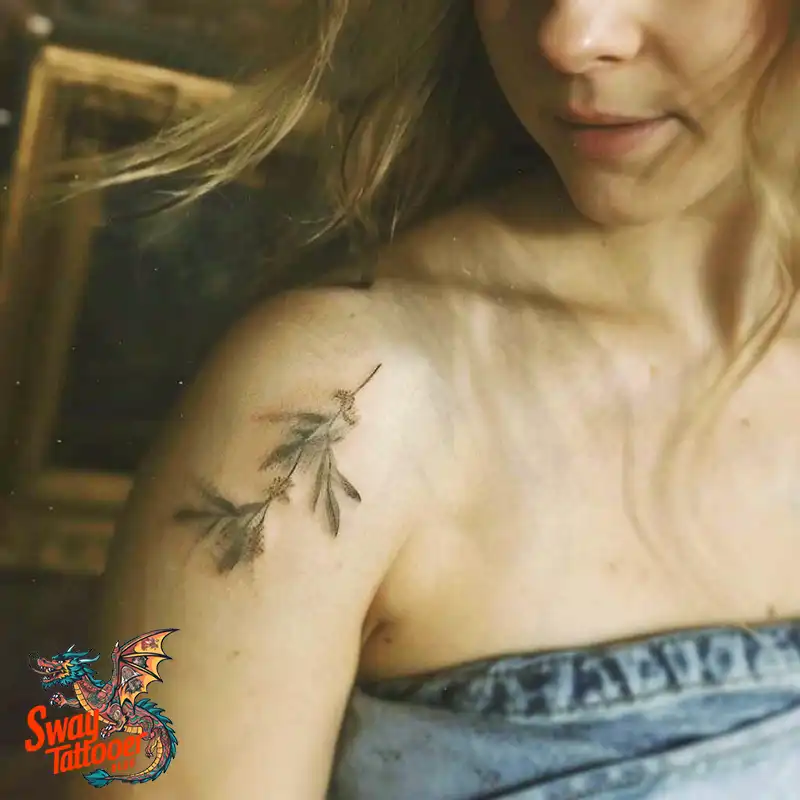
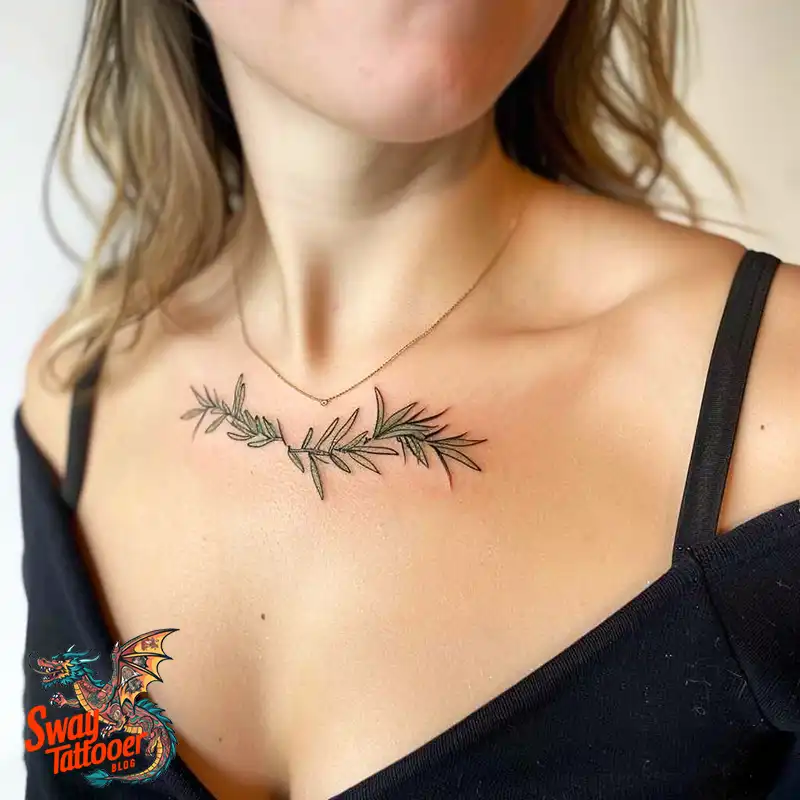
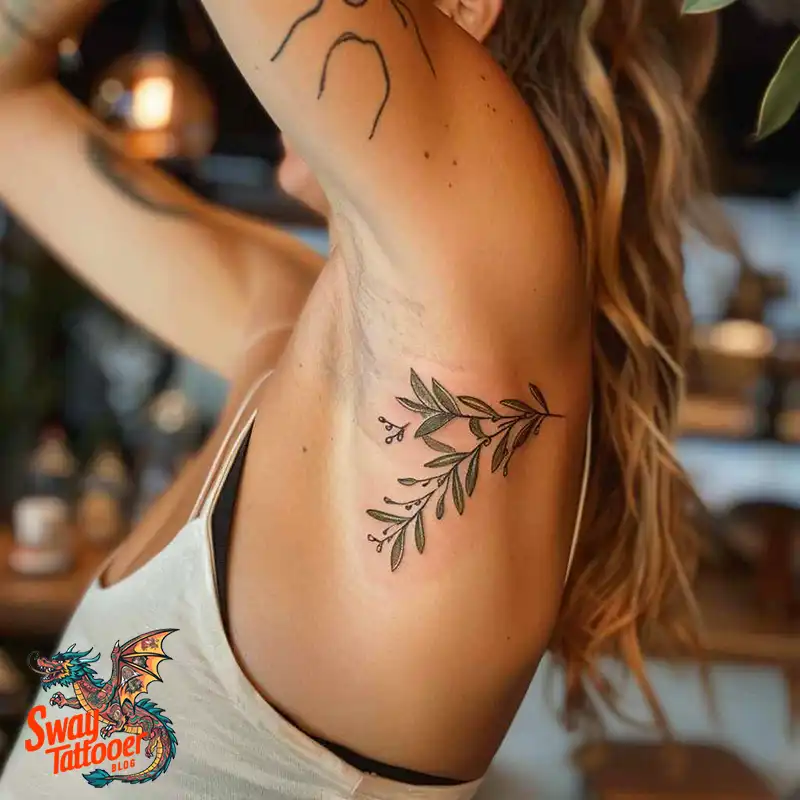
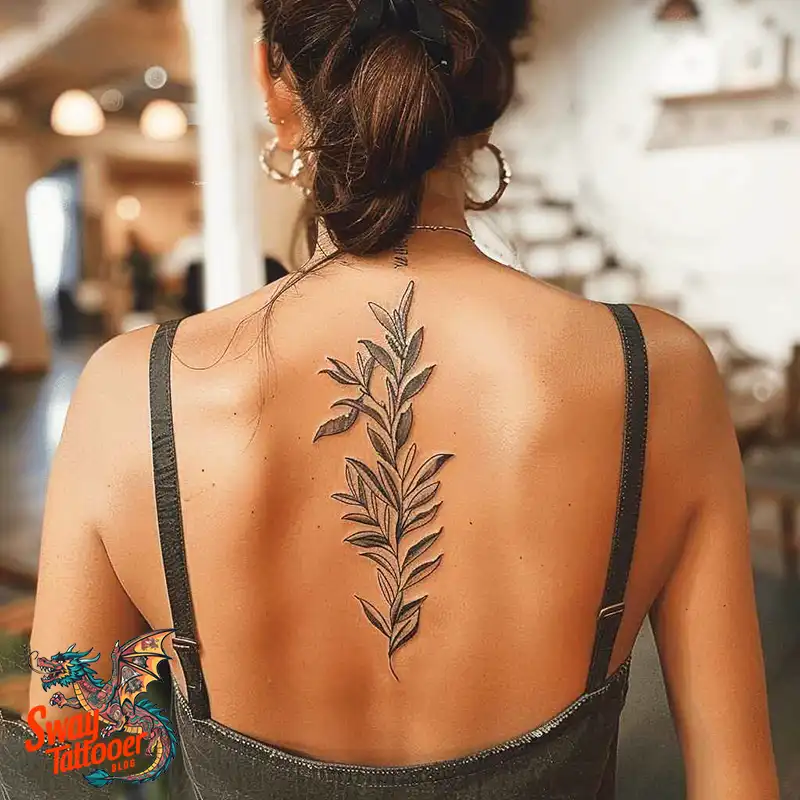
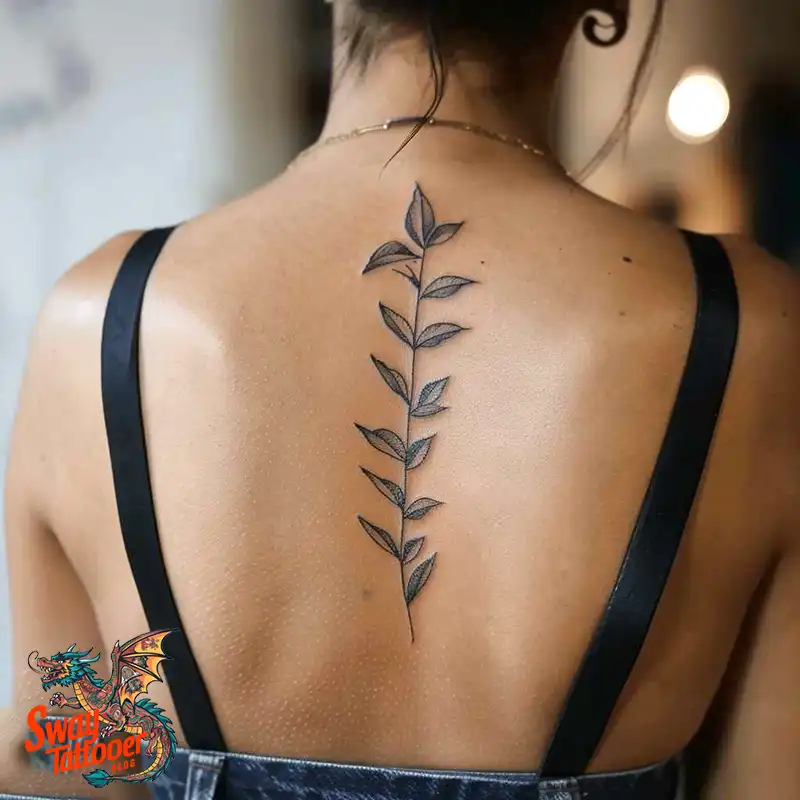
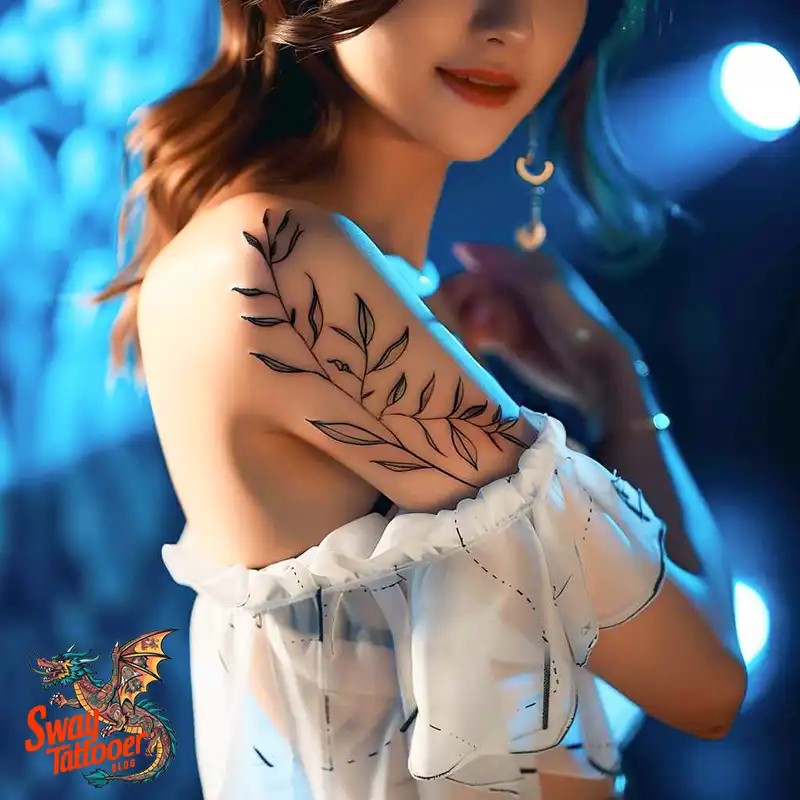
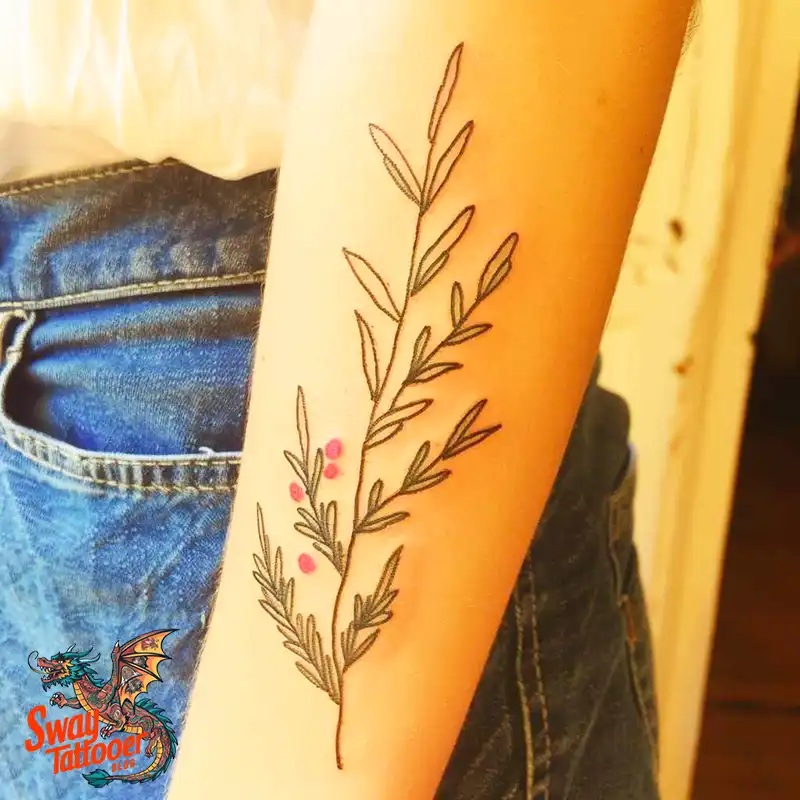
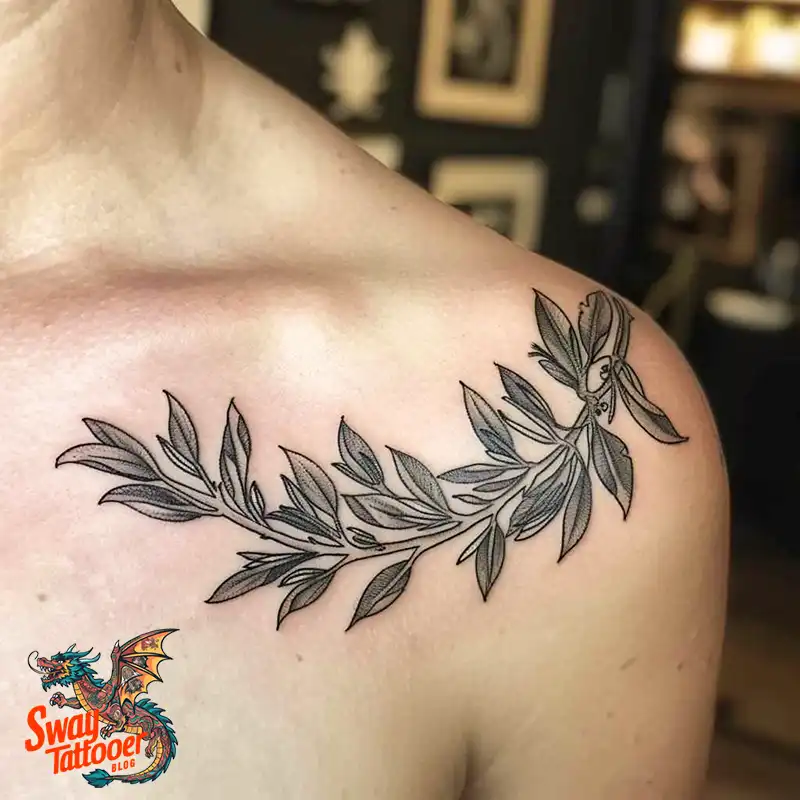
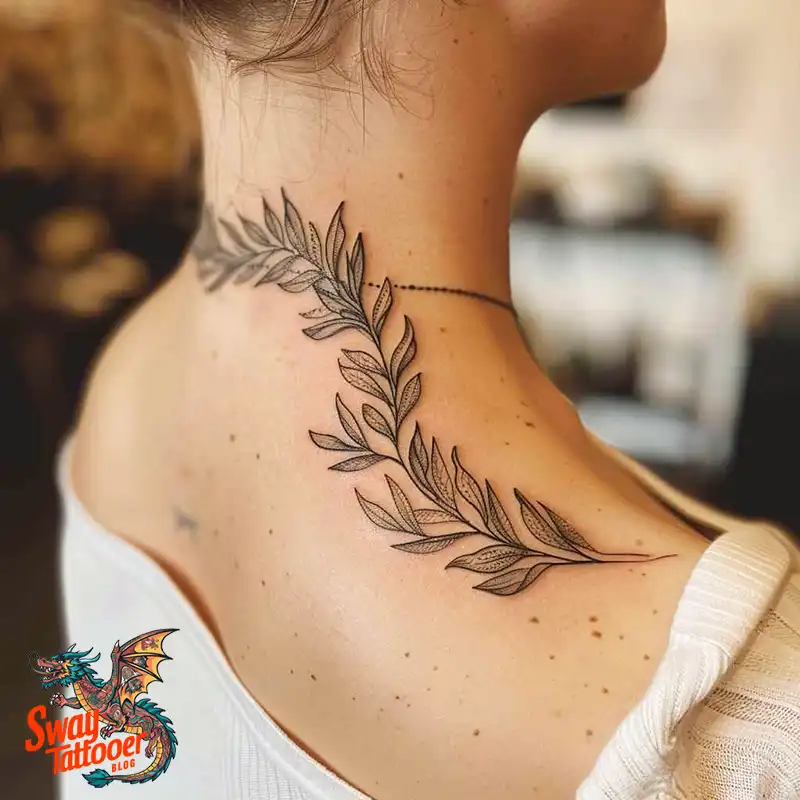
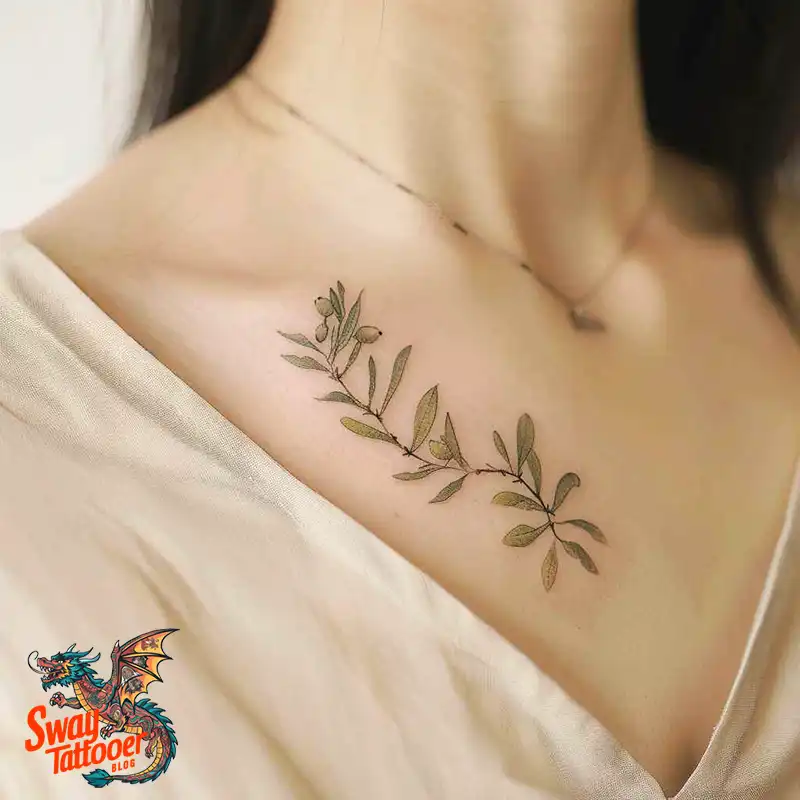
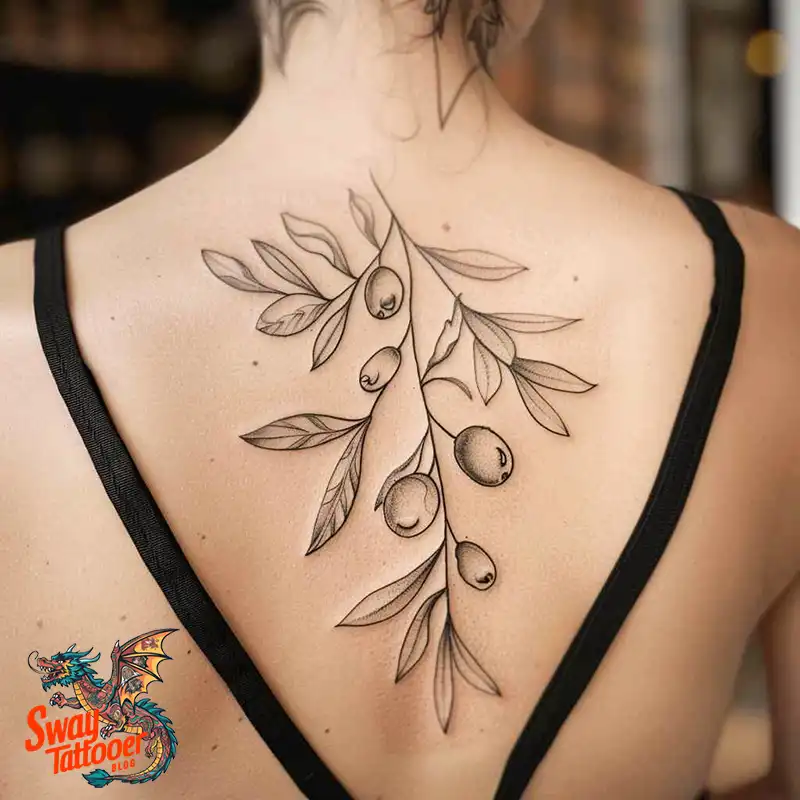
- Fine Line: This is the most popular trend now. It uses thin, delicate lines to create an elegant look. The simple shape of the olive branch is perfect for this style. Success needs exceptional precision.
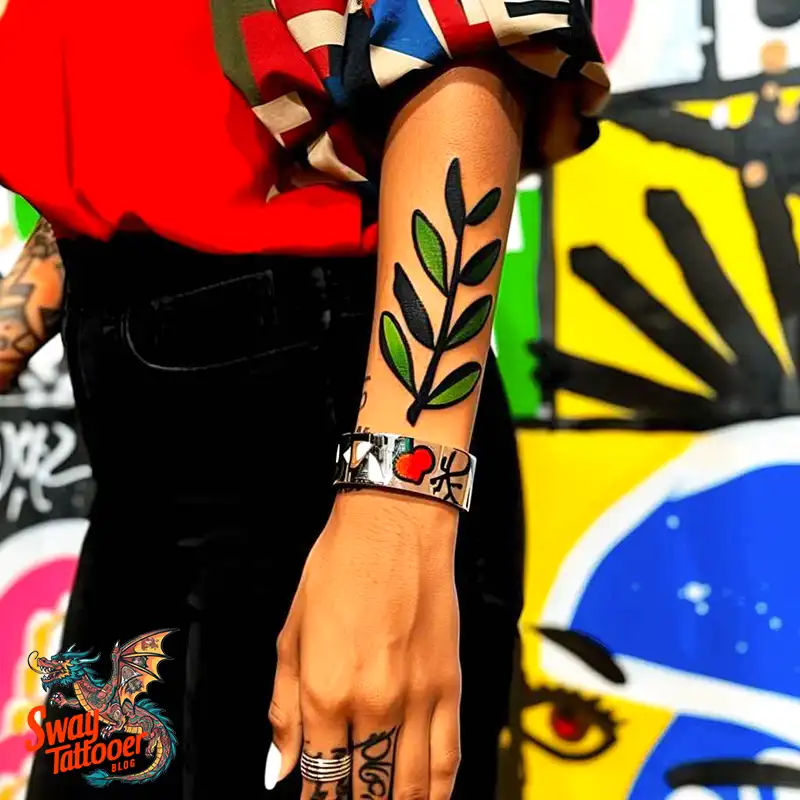
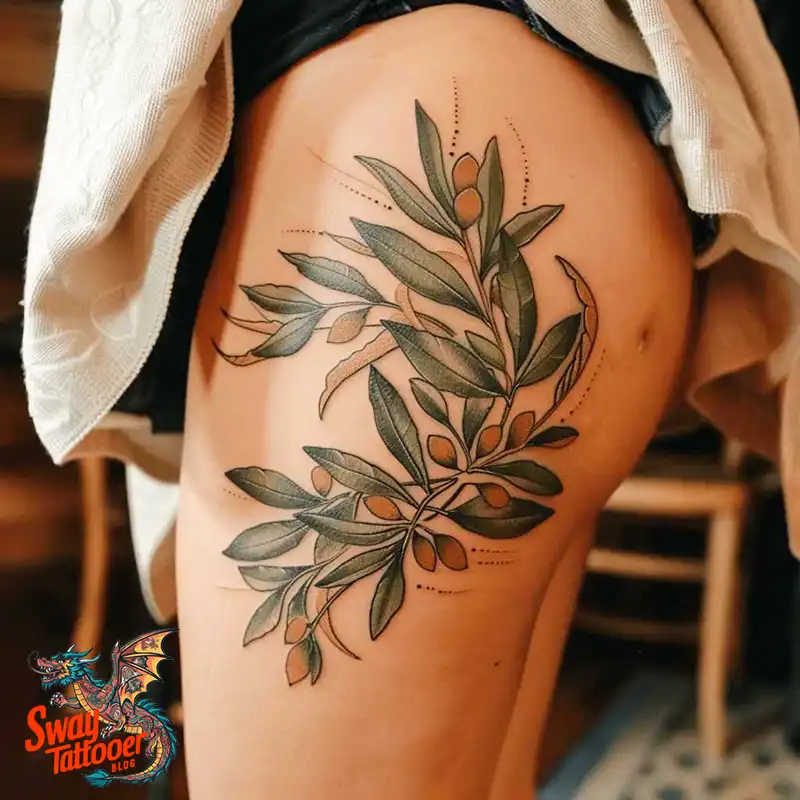
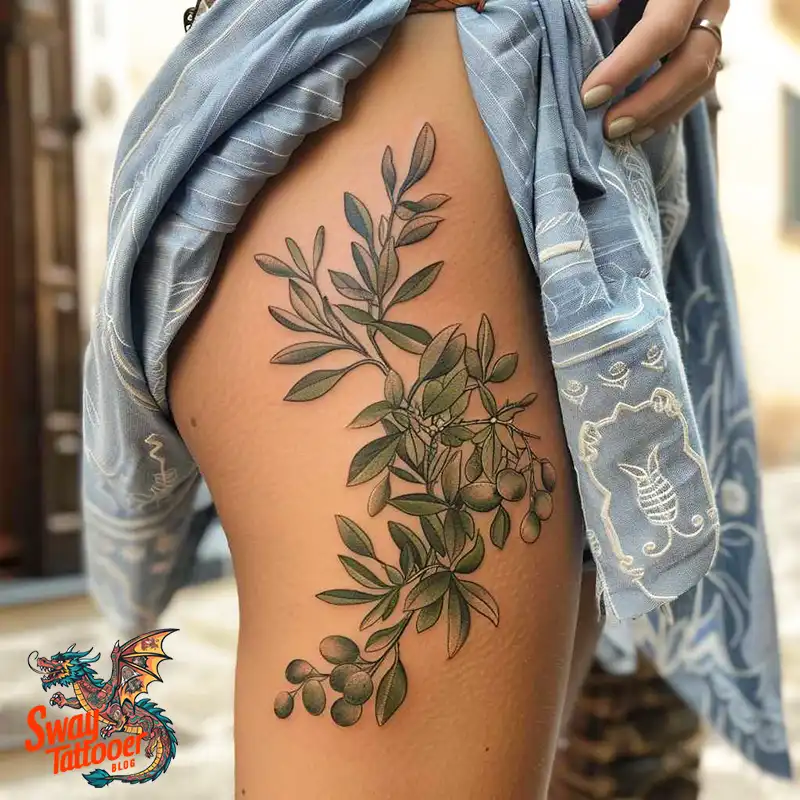
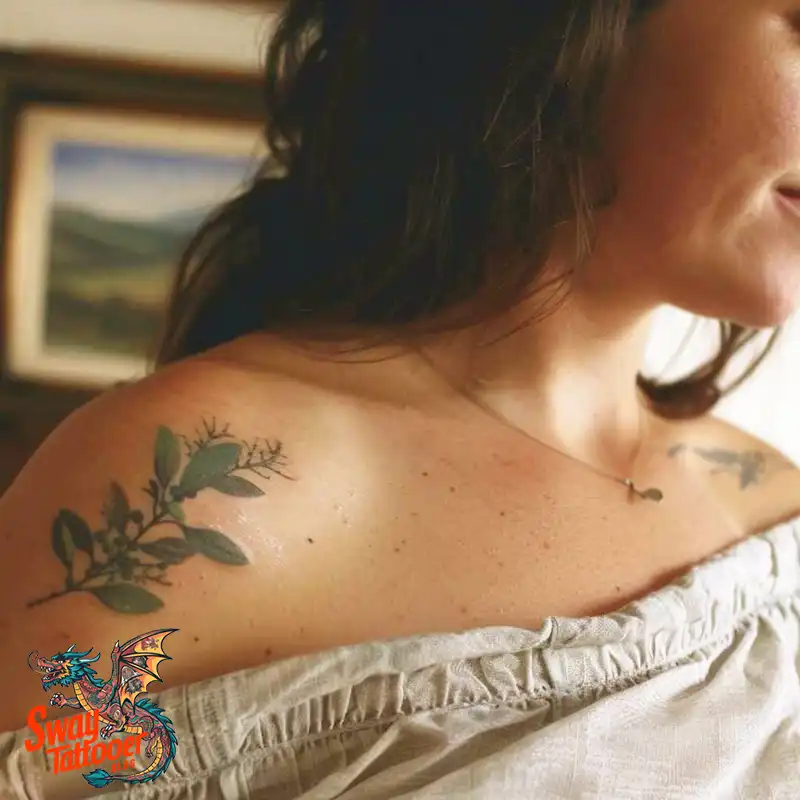
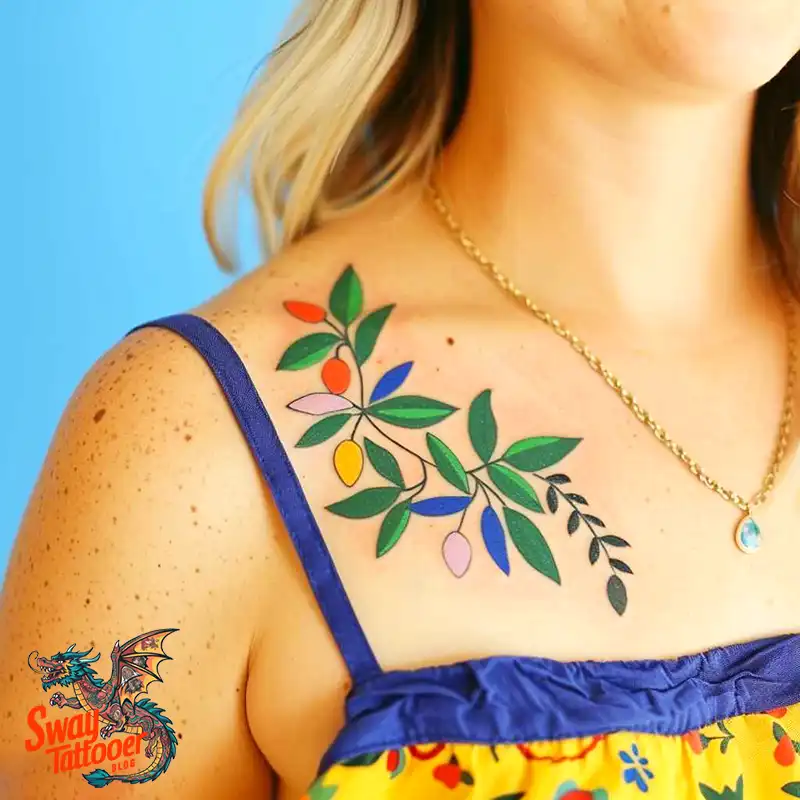
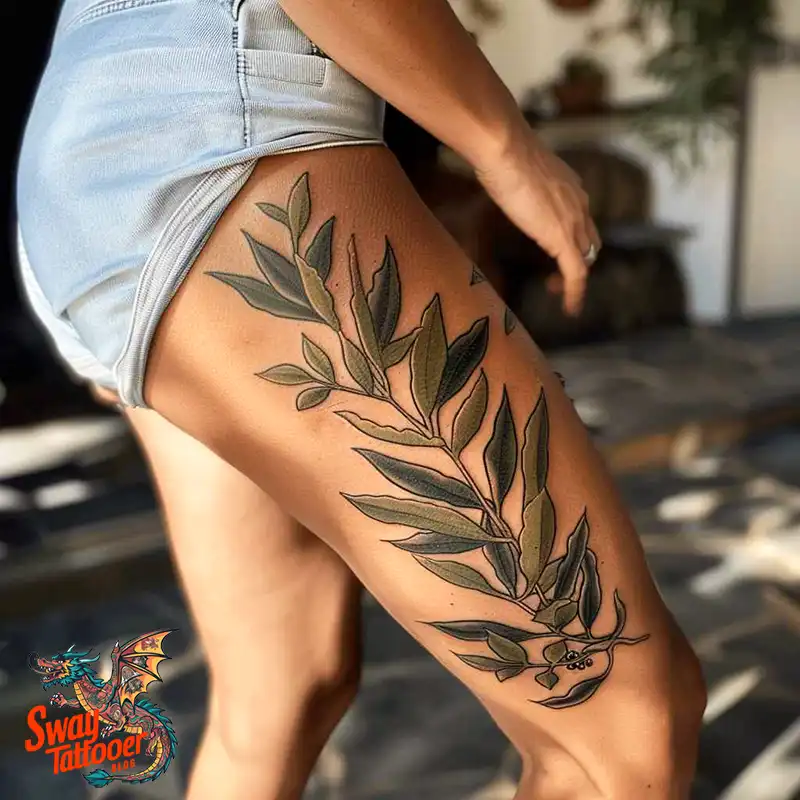
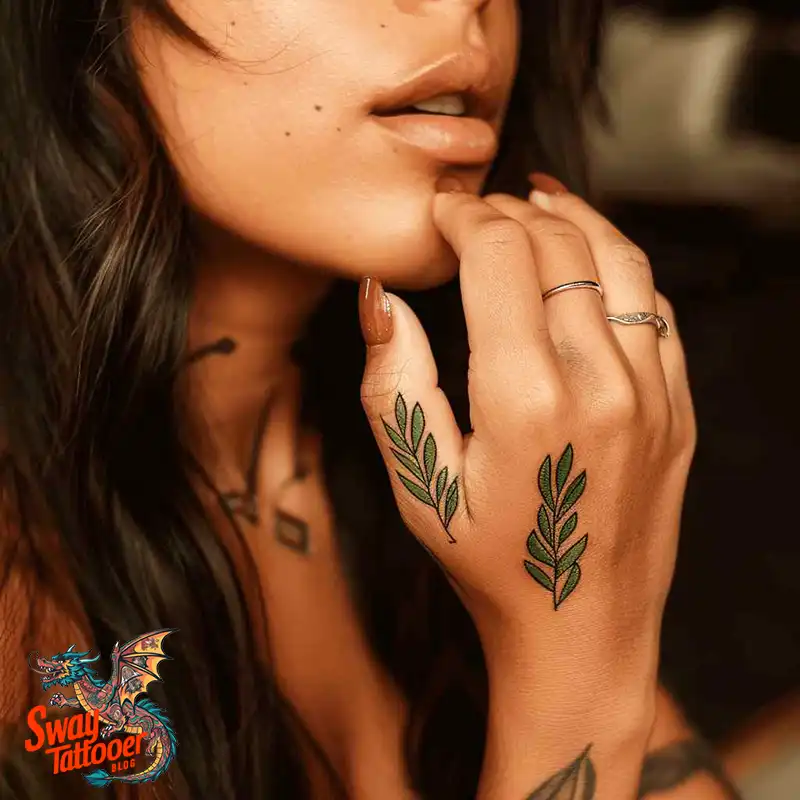
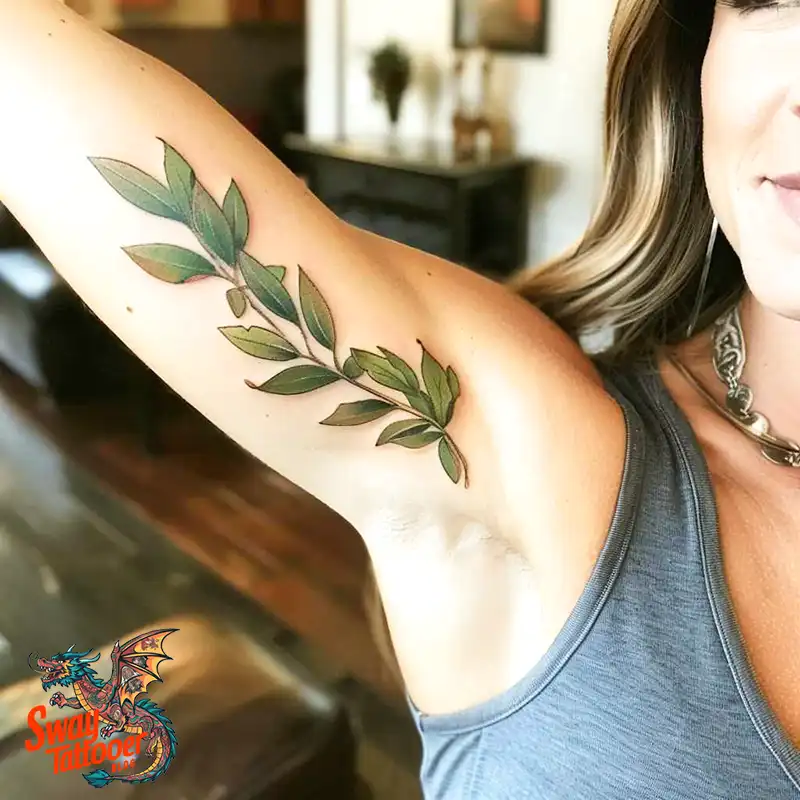
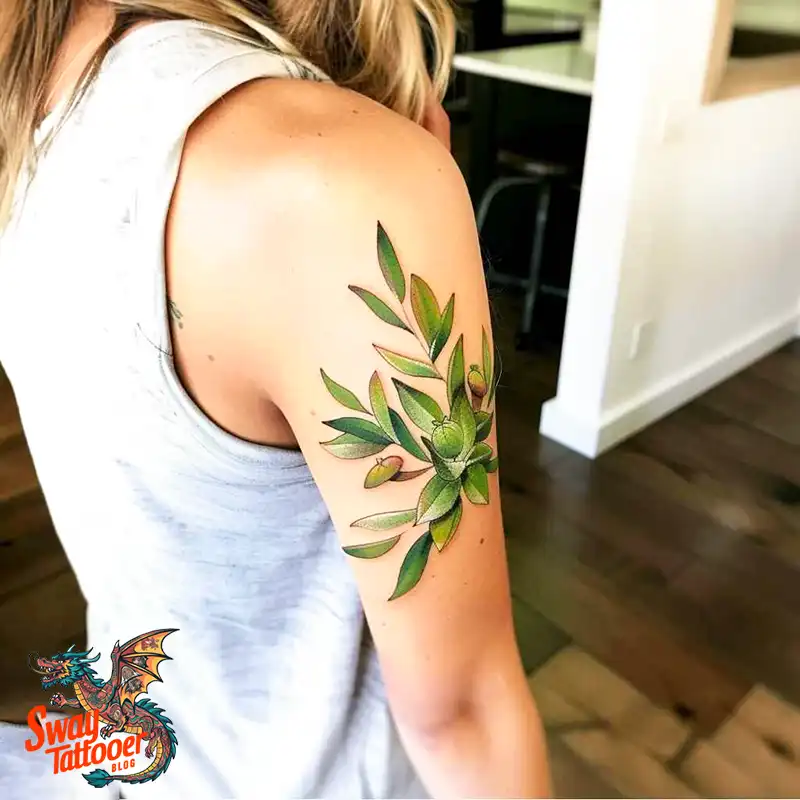
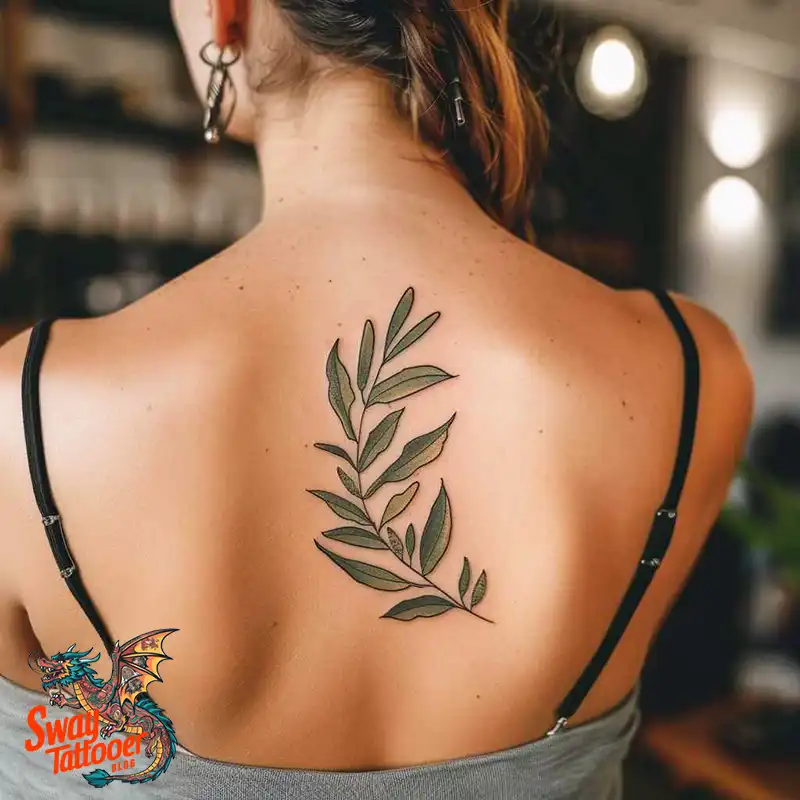
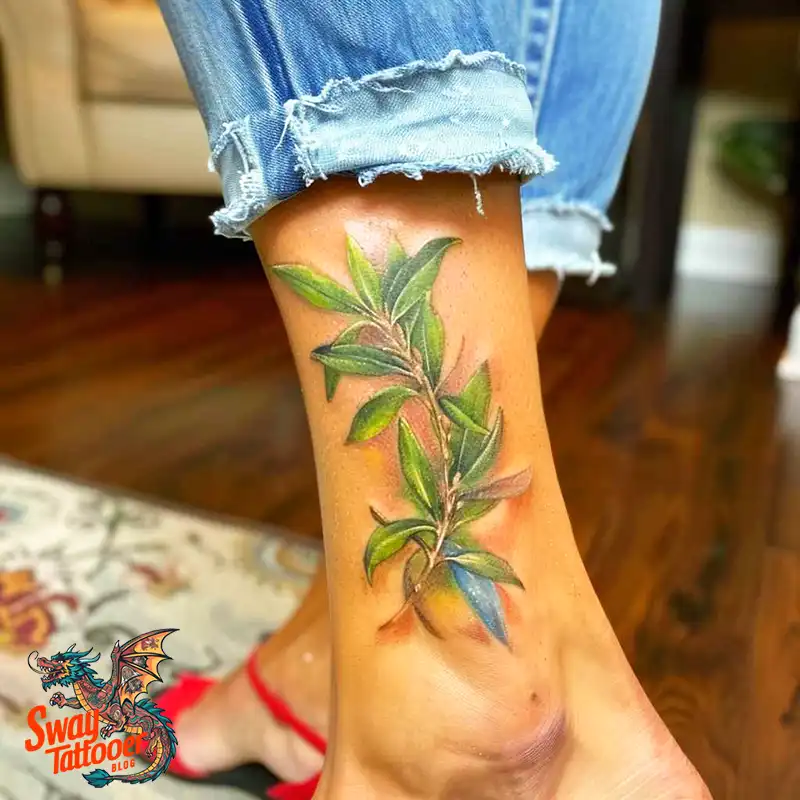
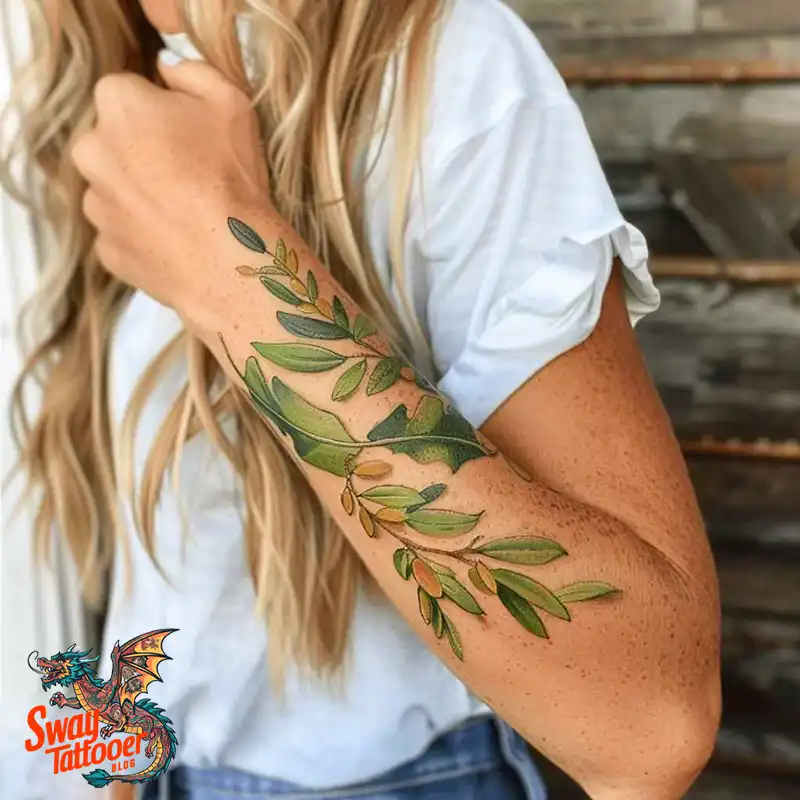
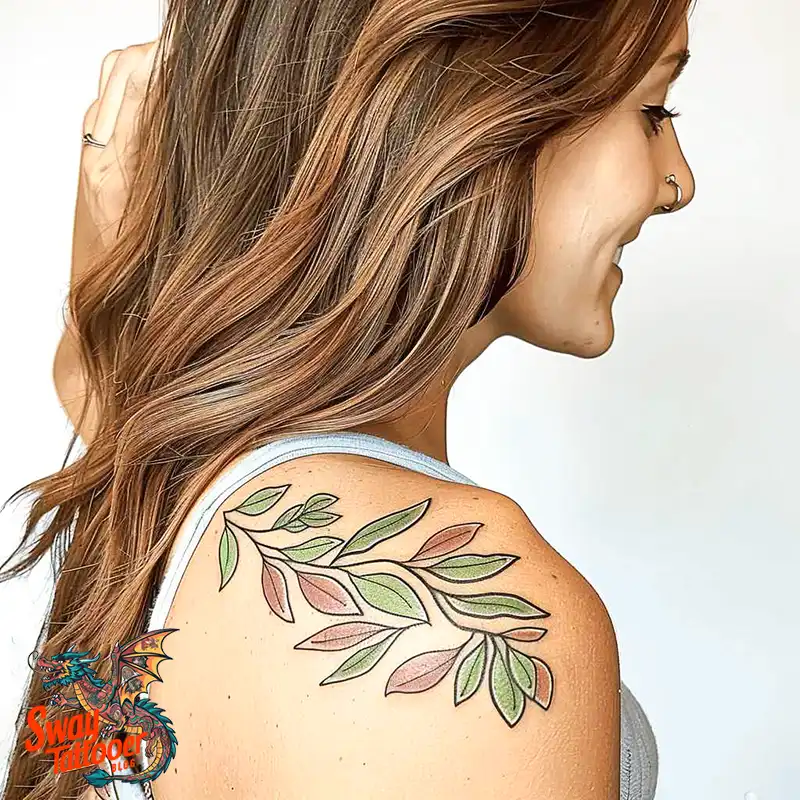
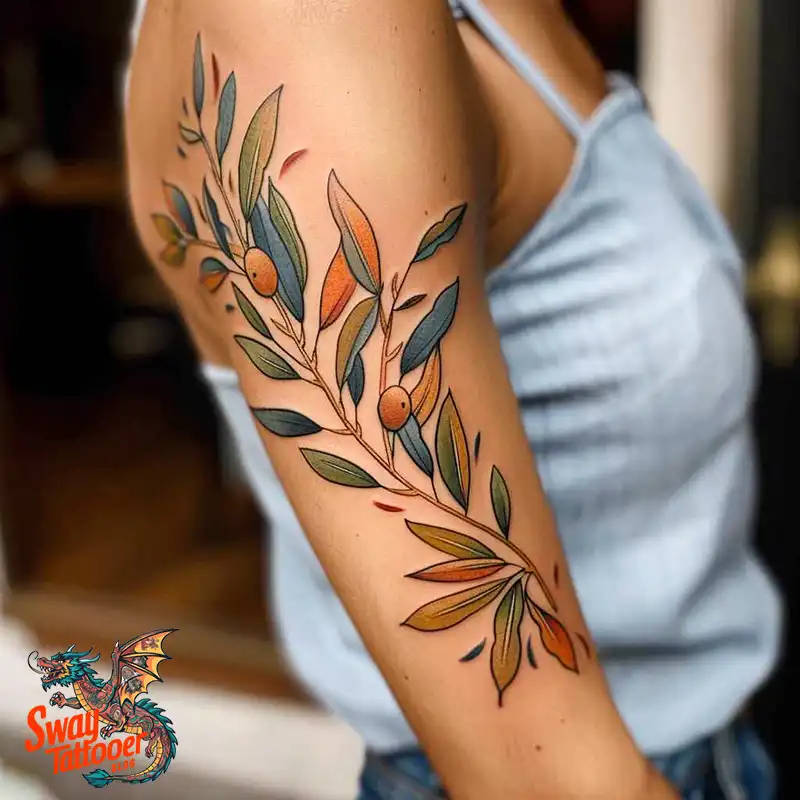
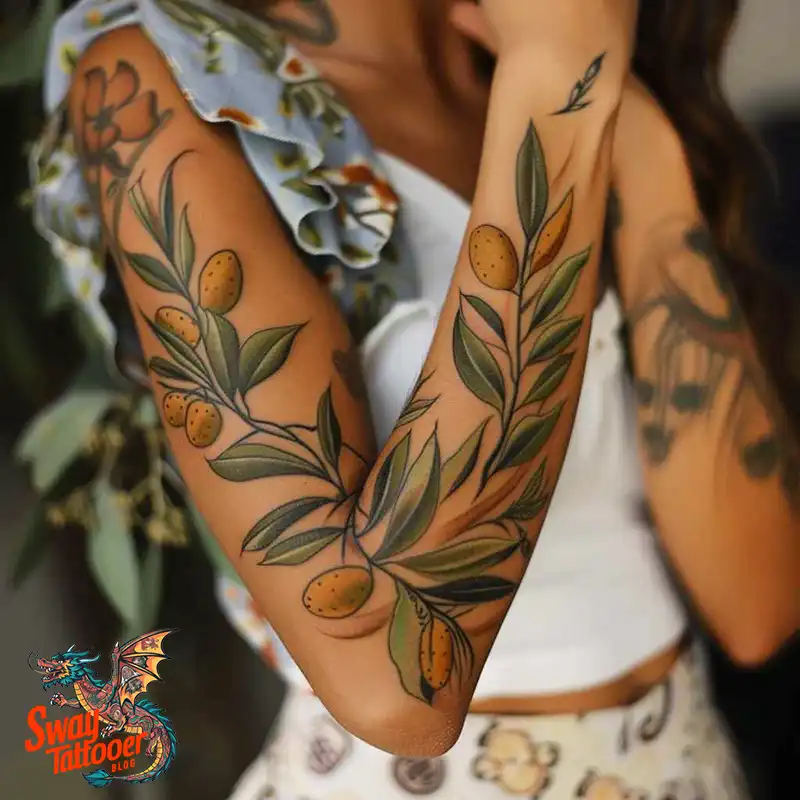
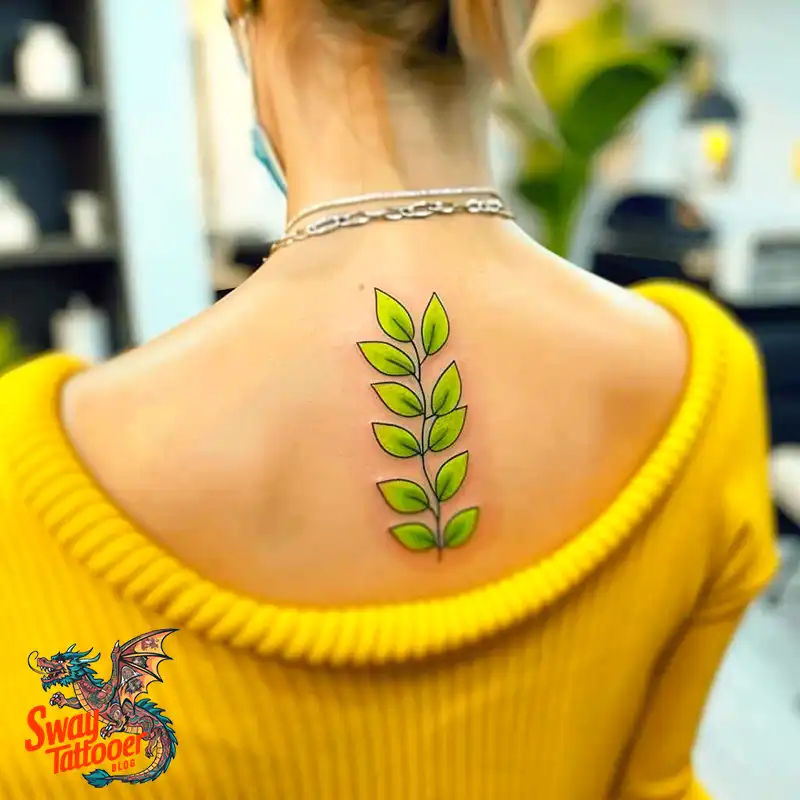
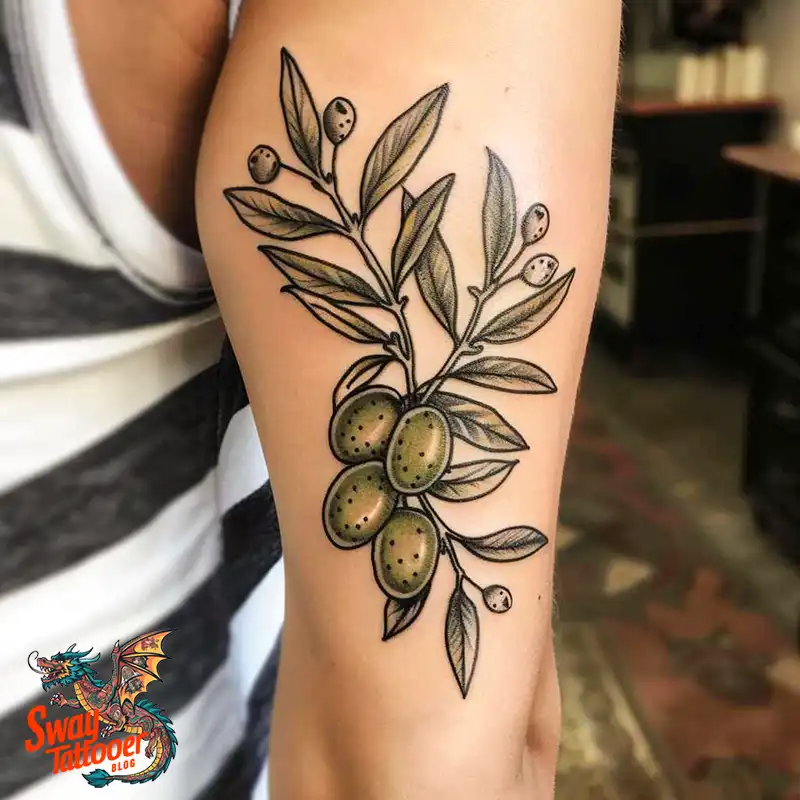
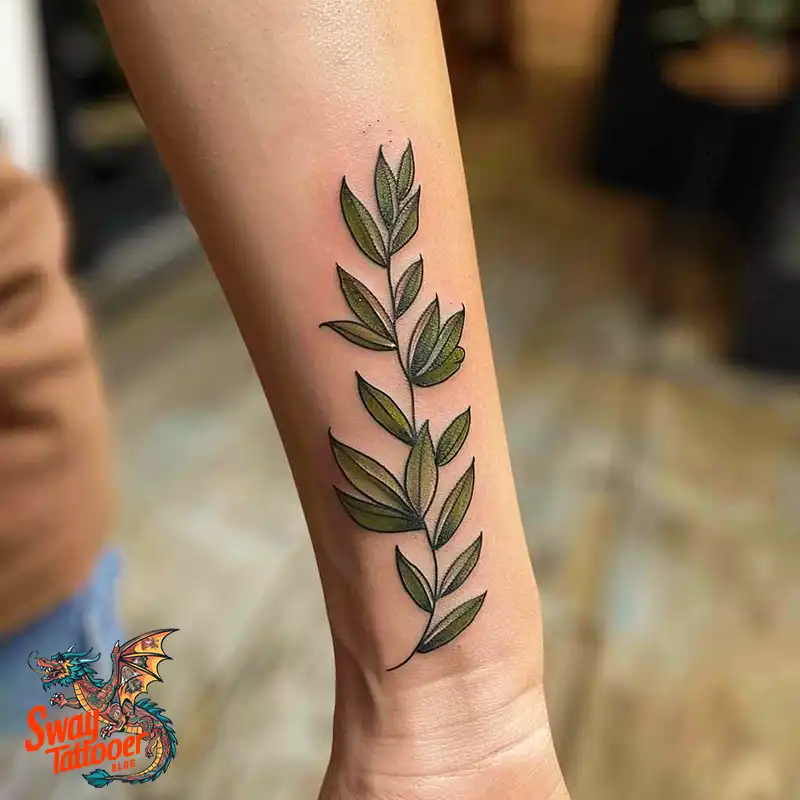
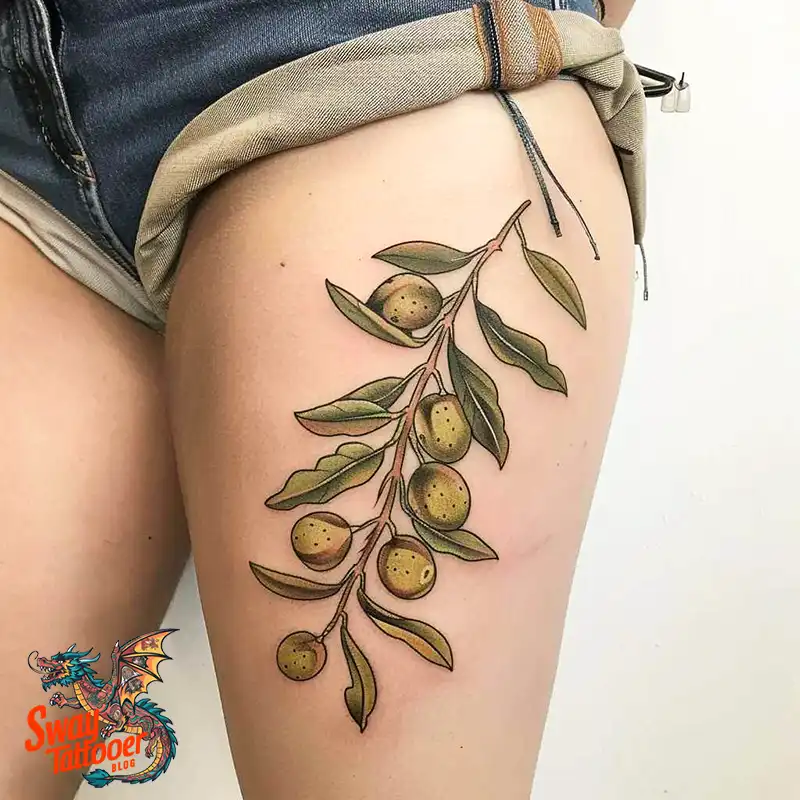
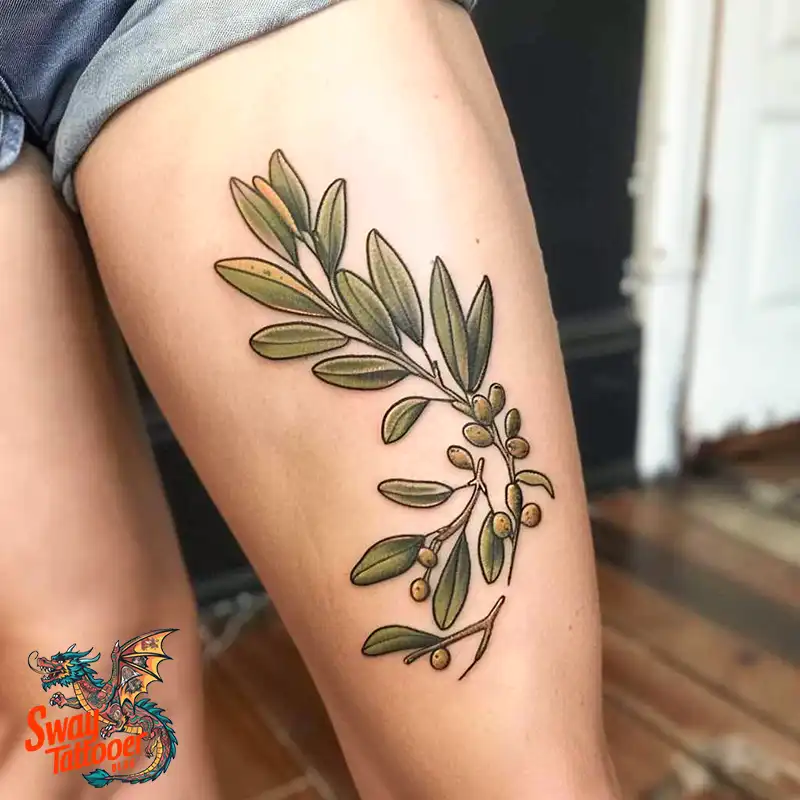
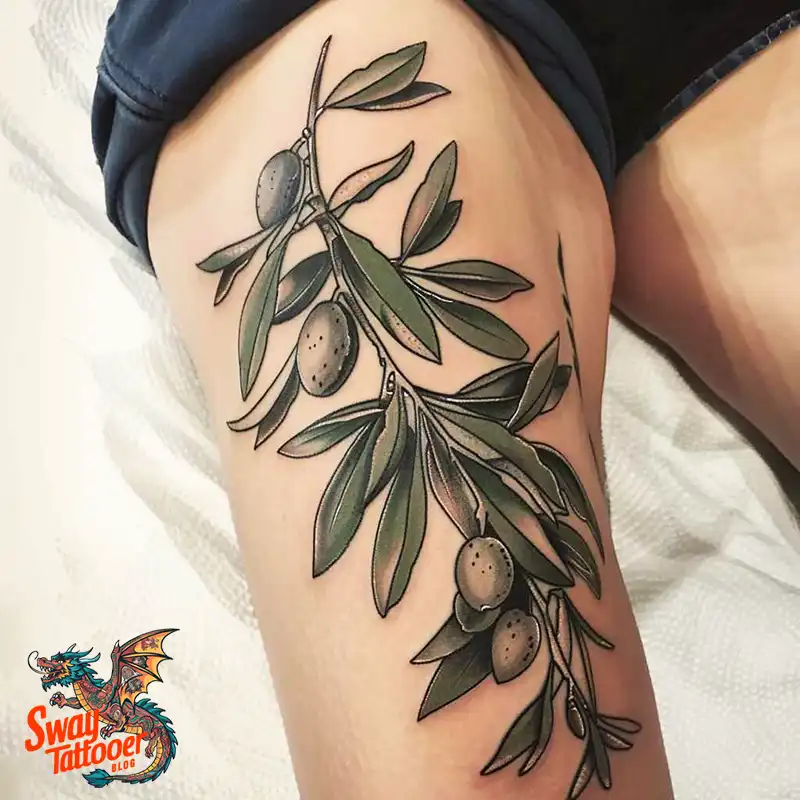
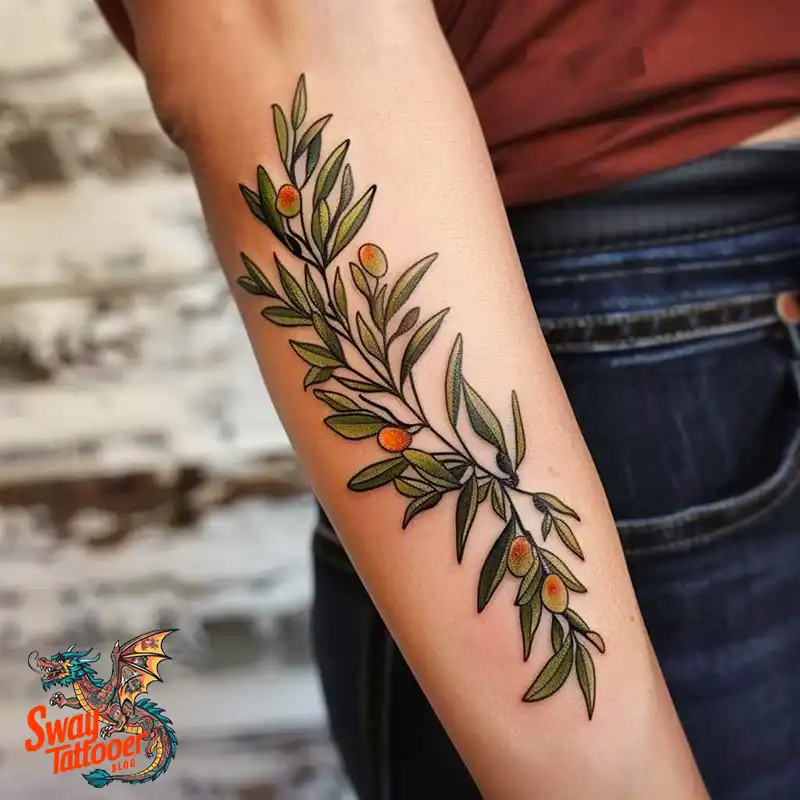
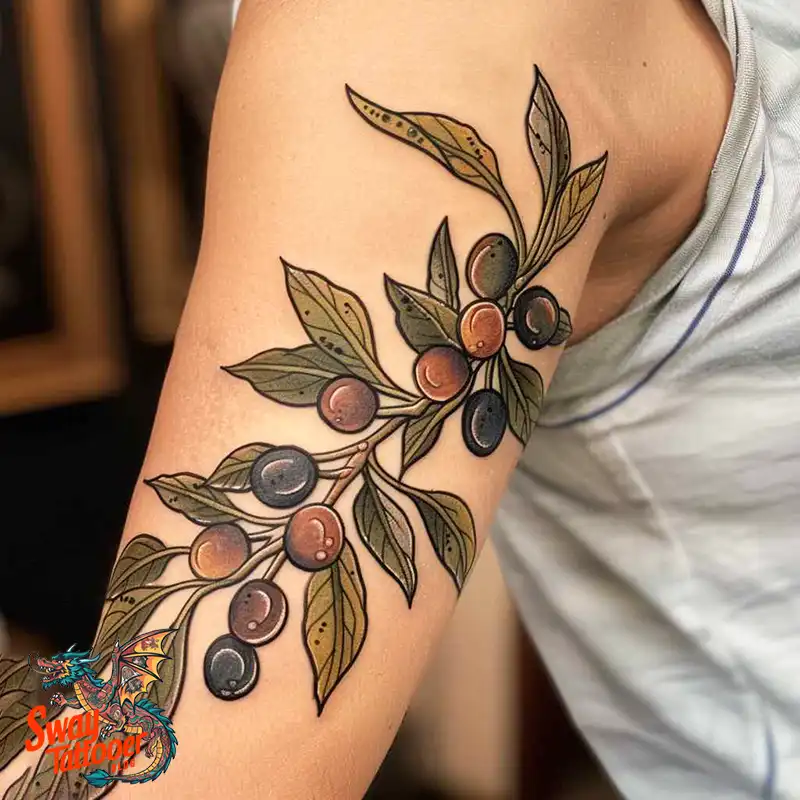
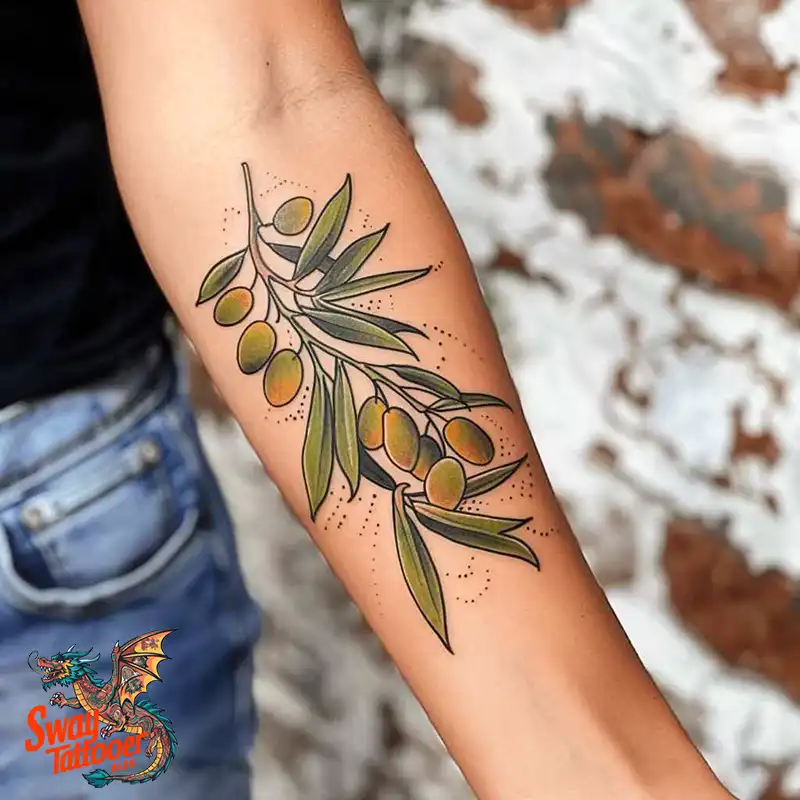
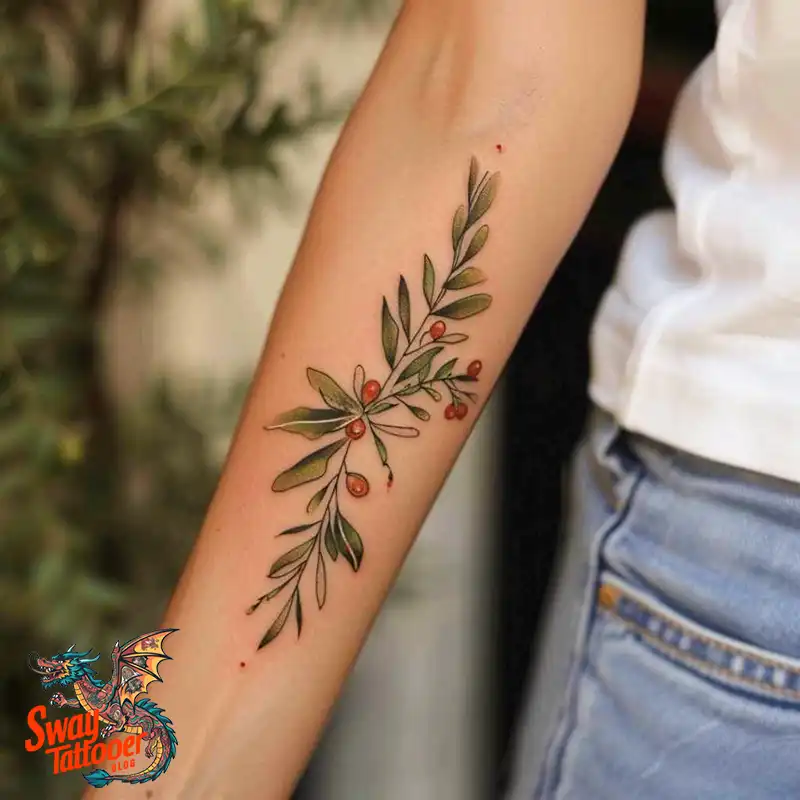
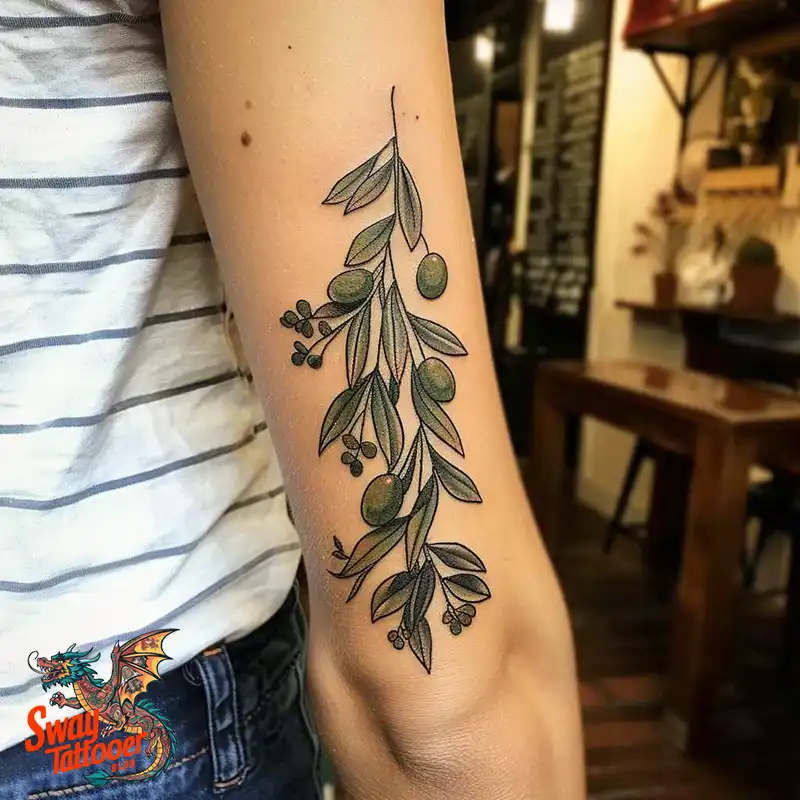
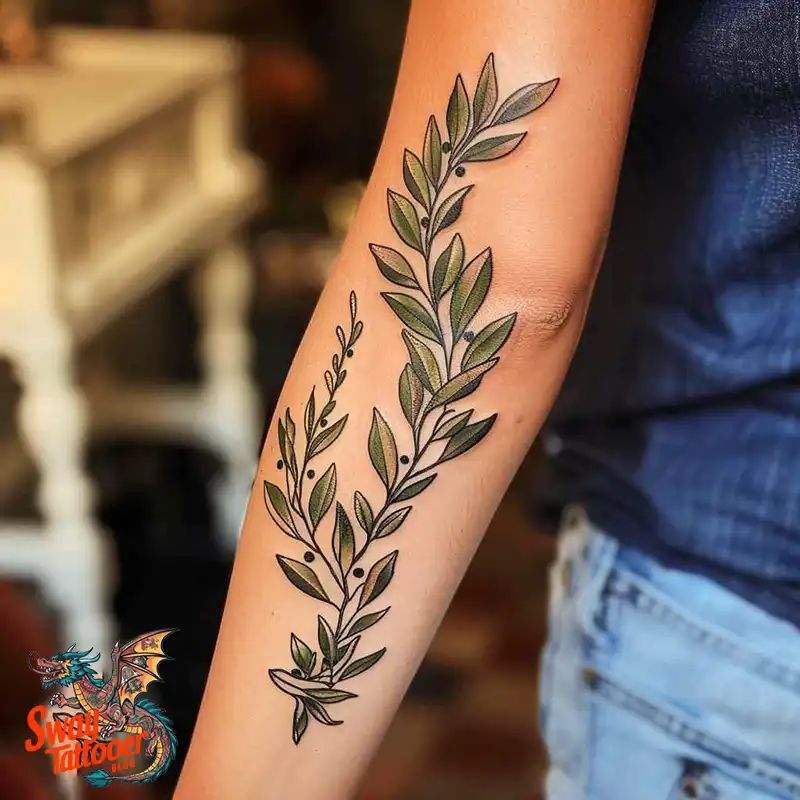
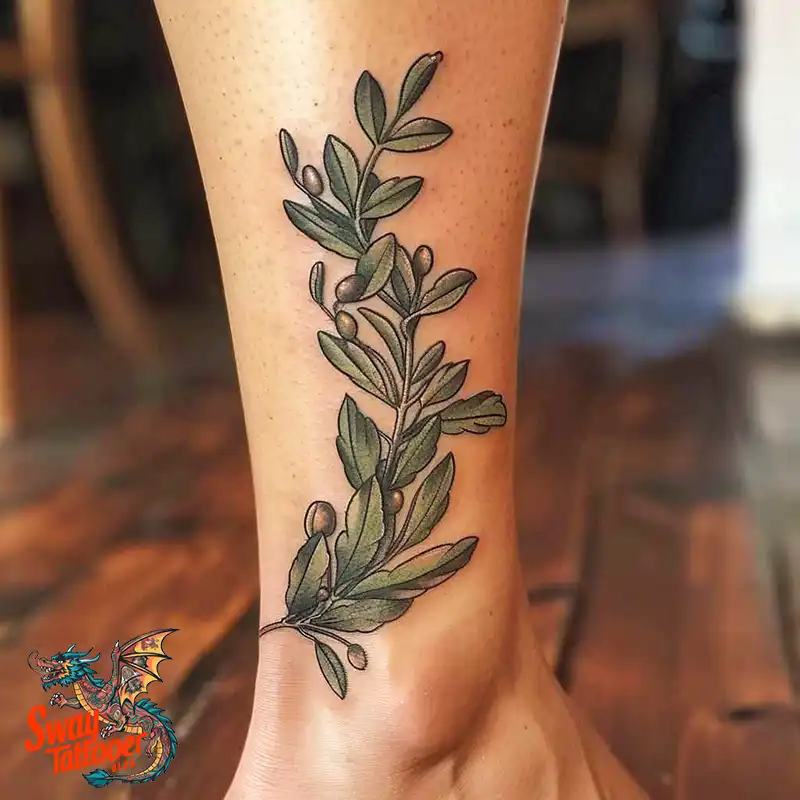
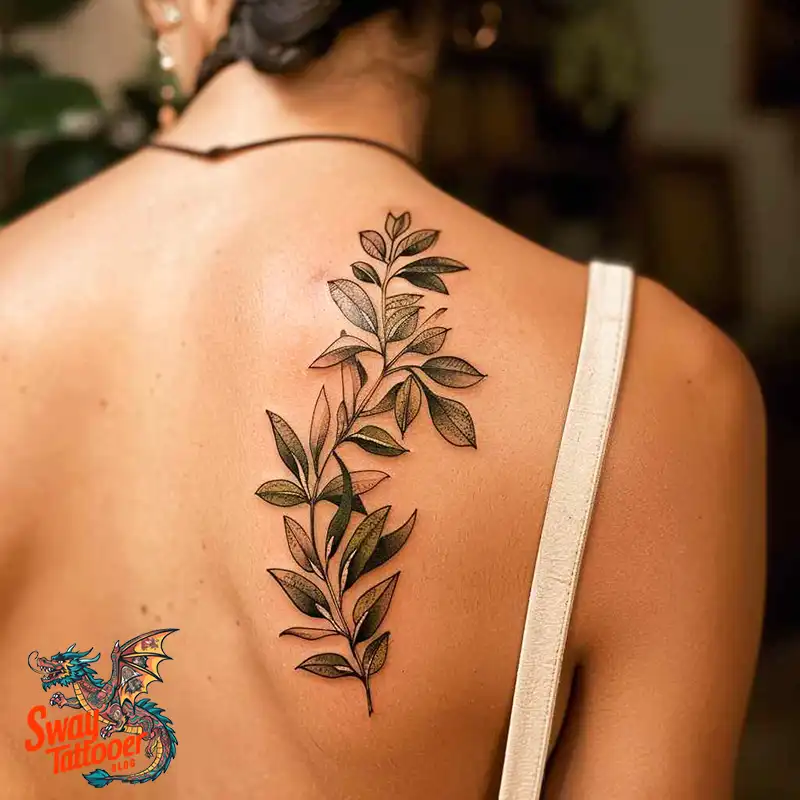
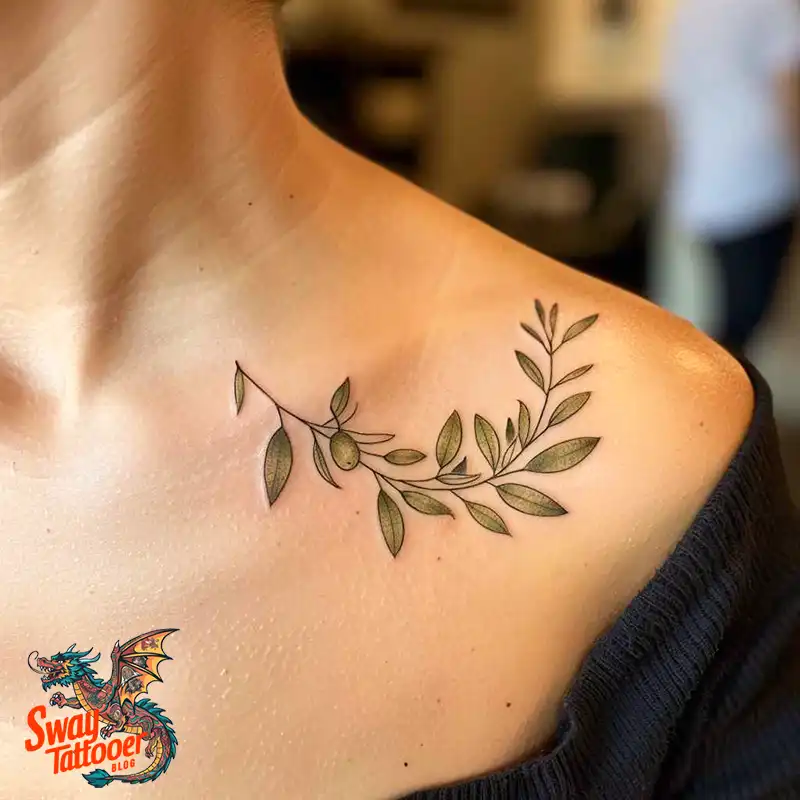
- Botanical Realism: This style looks lifelike. It uses true greens and colors for the leaves and olives. This realistic detail can symbolize finding serenity.
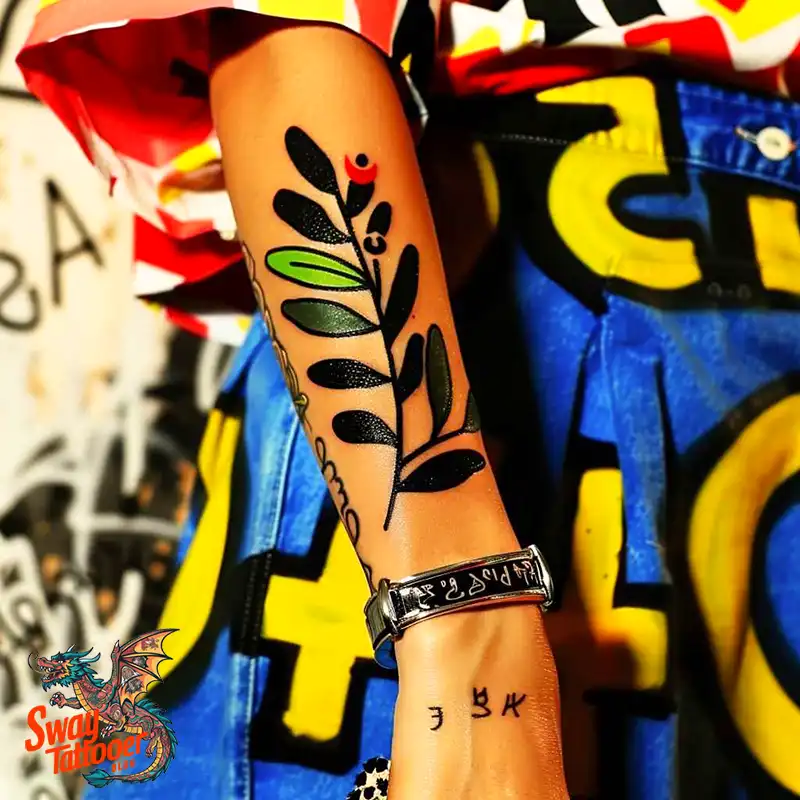
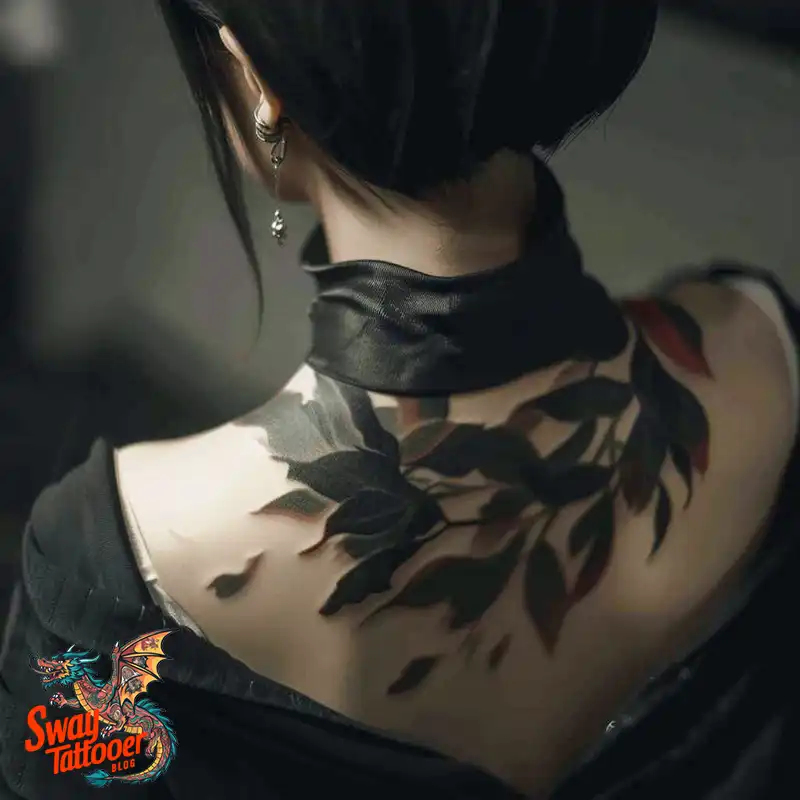
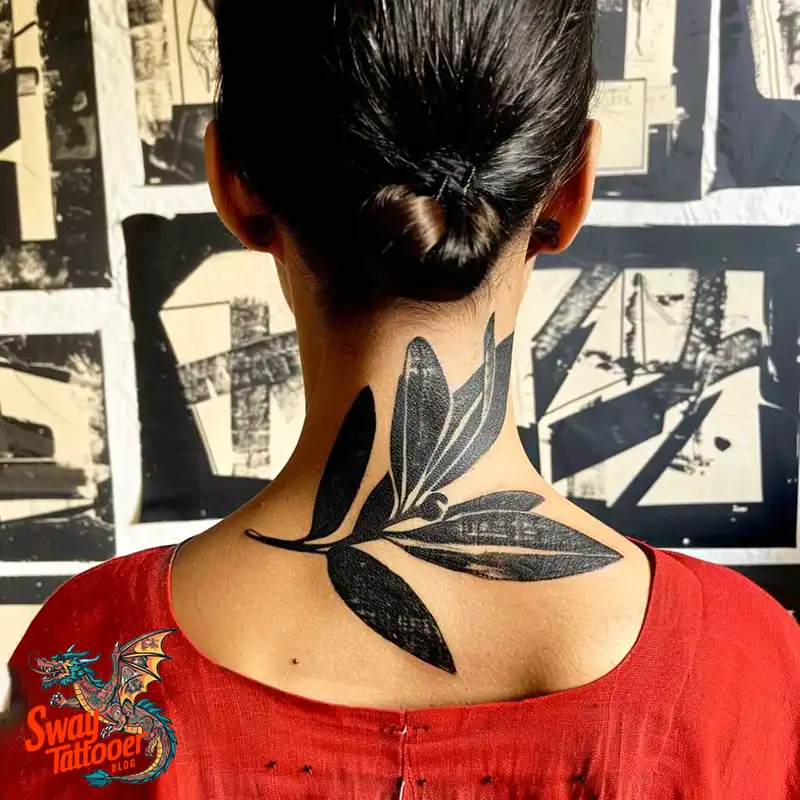
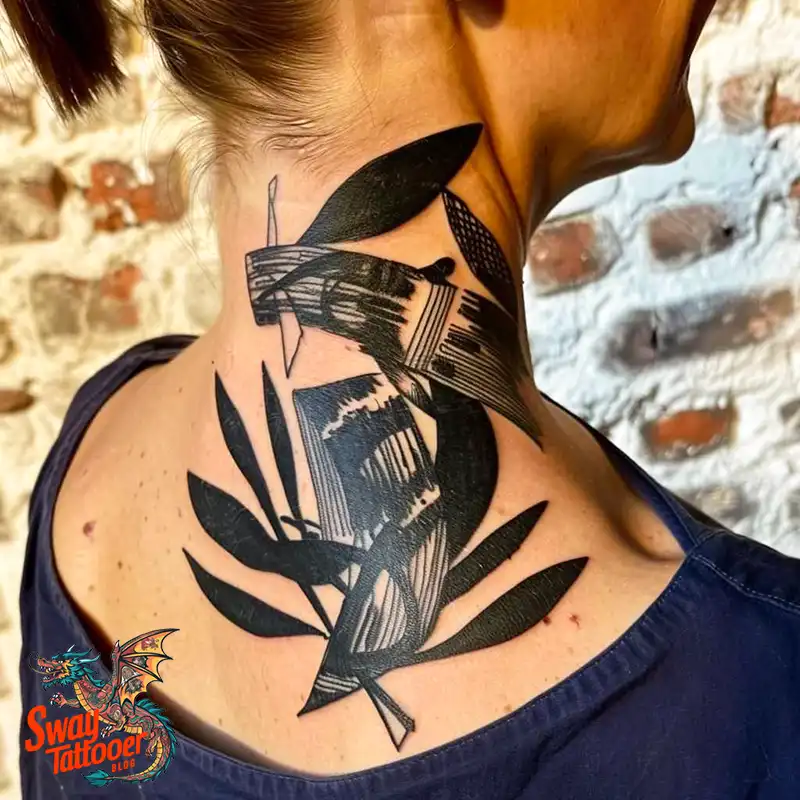
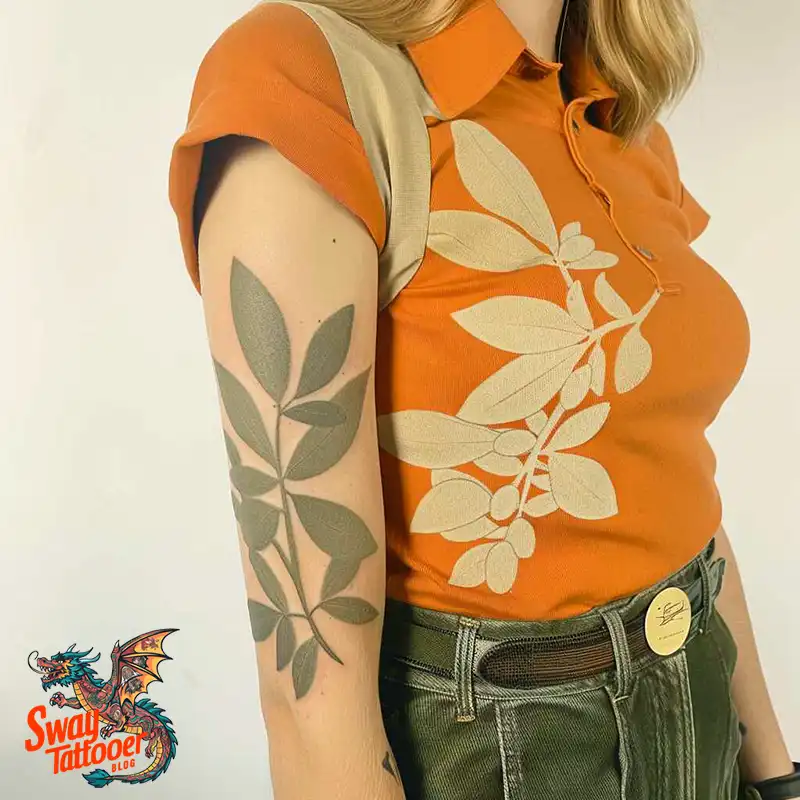
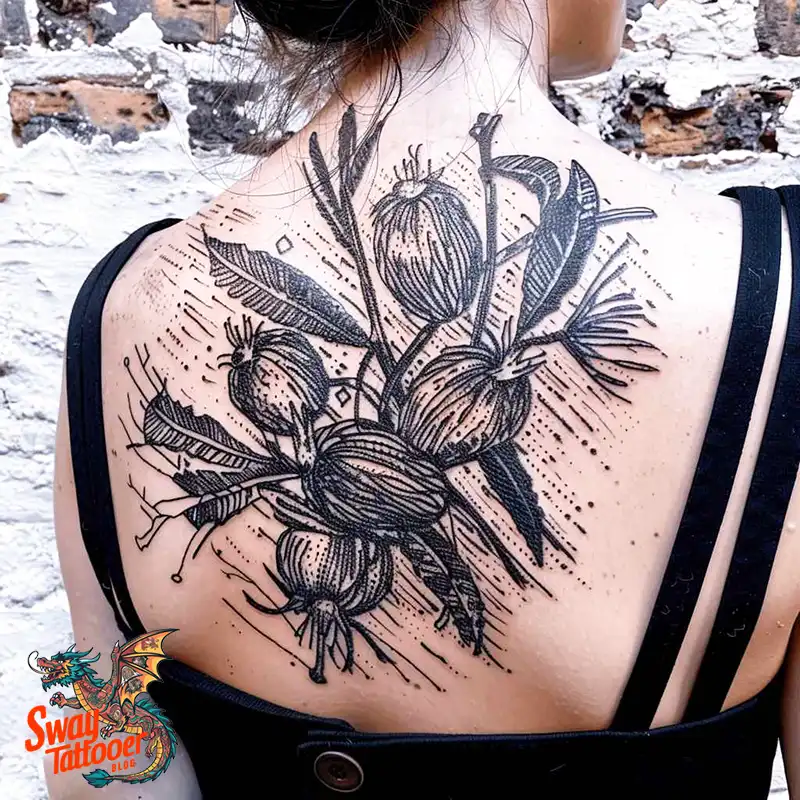
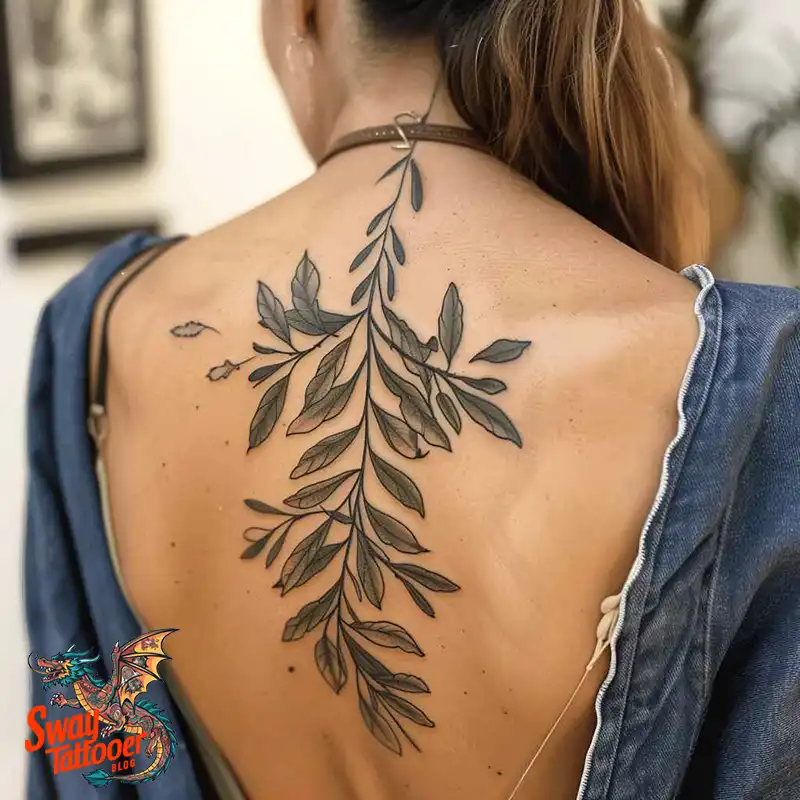
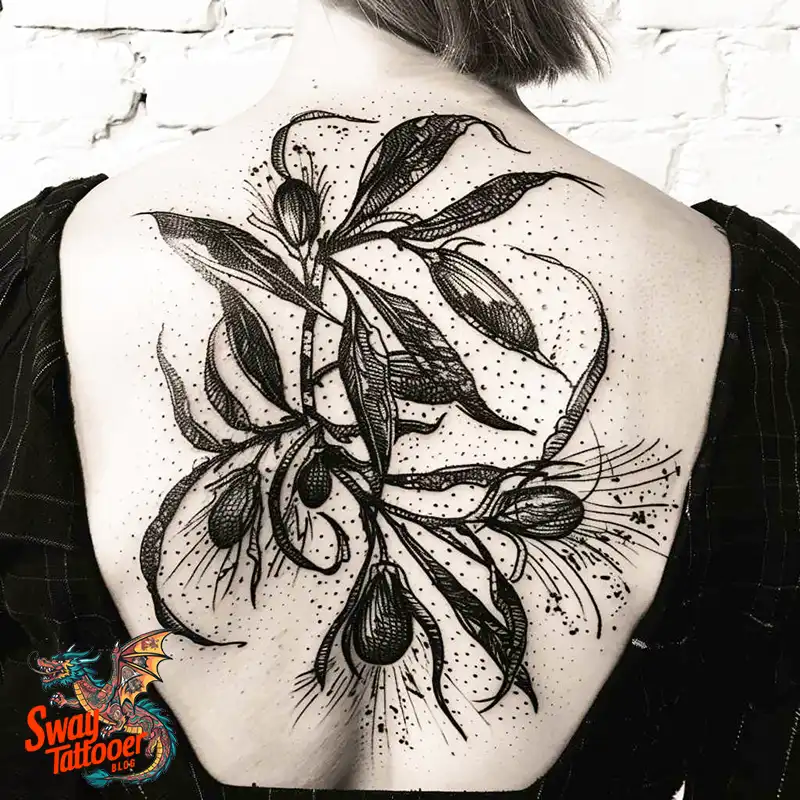
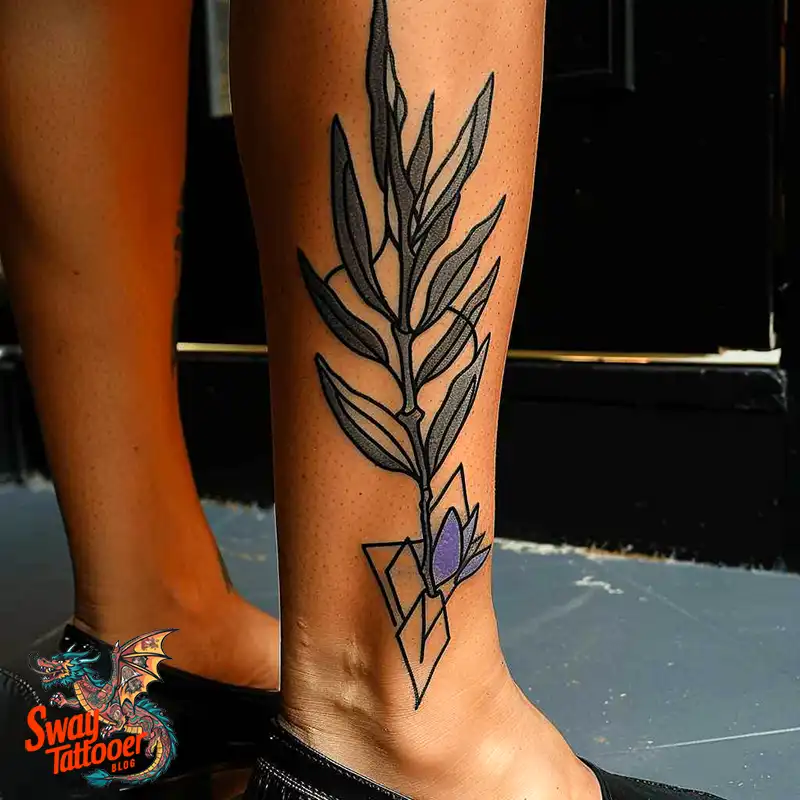
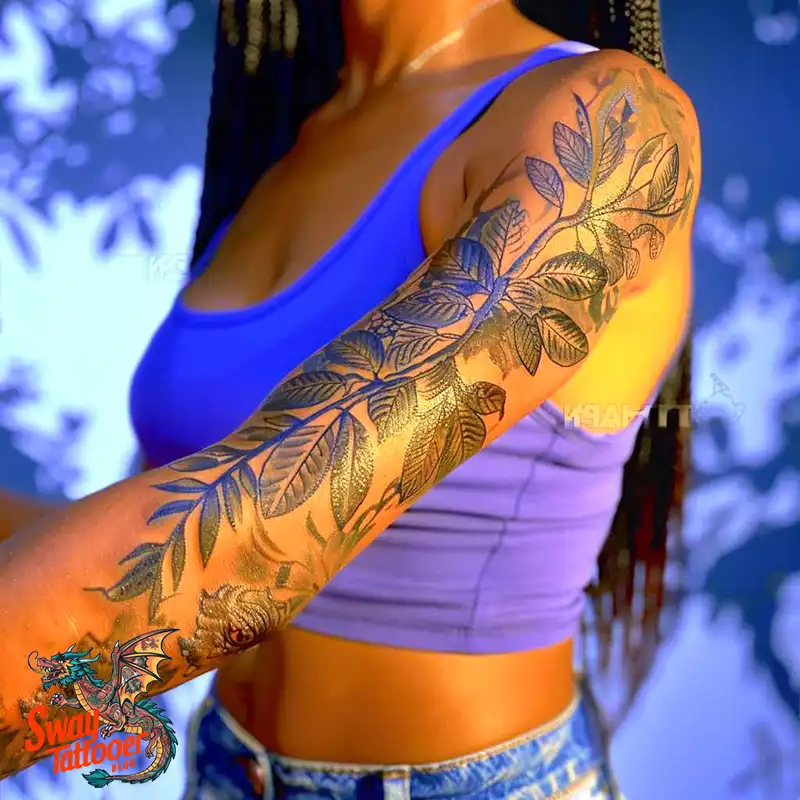
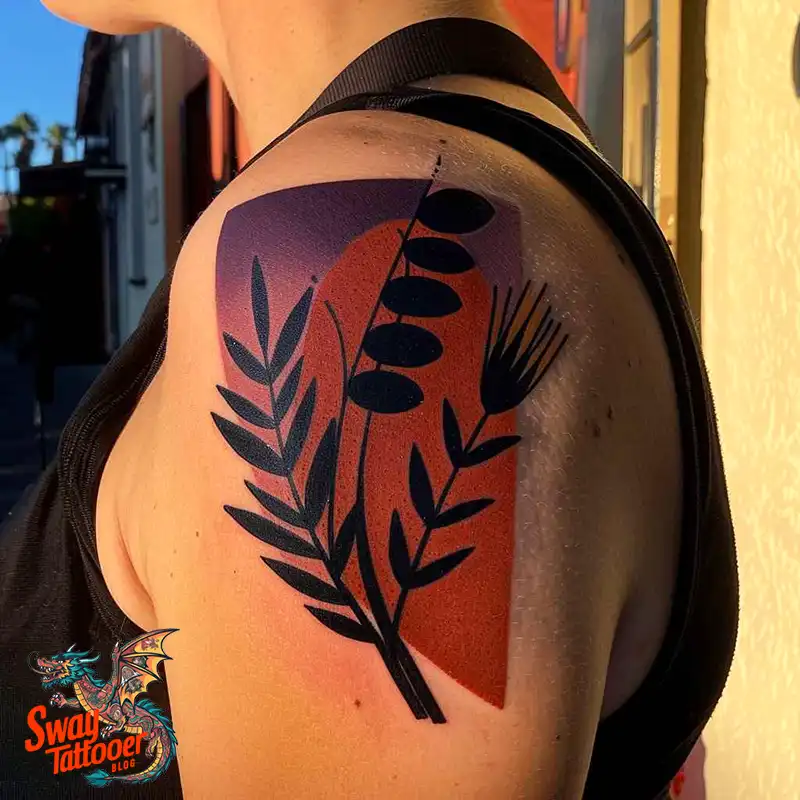
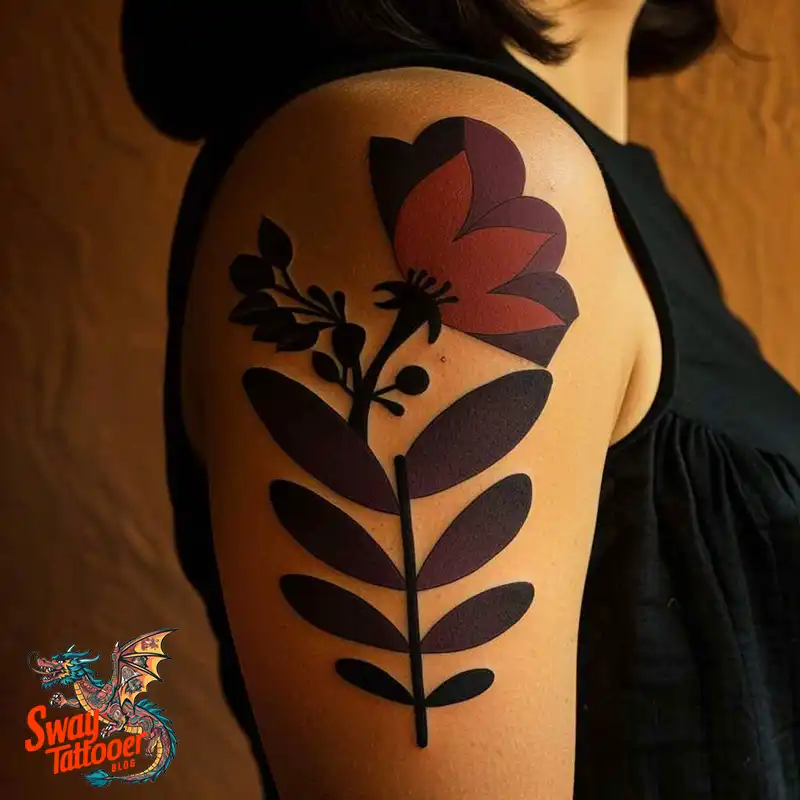
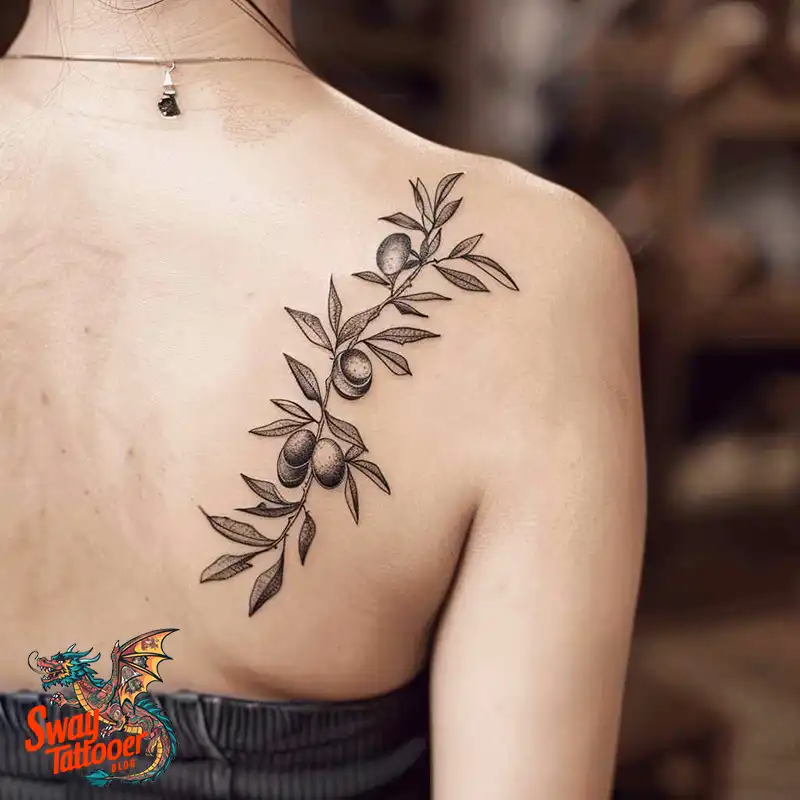
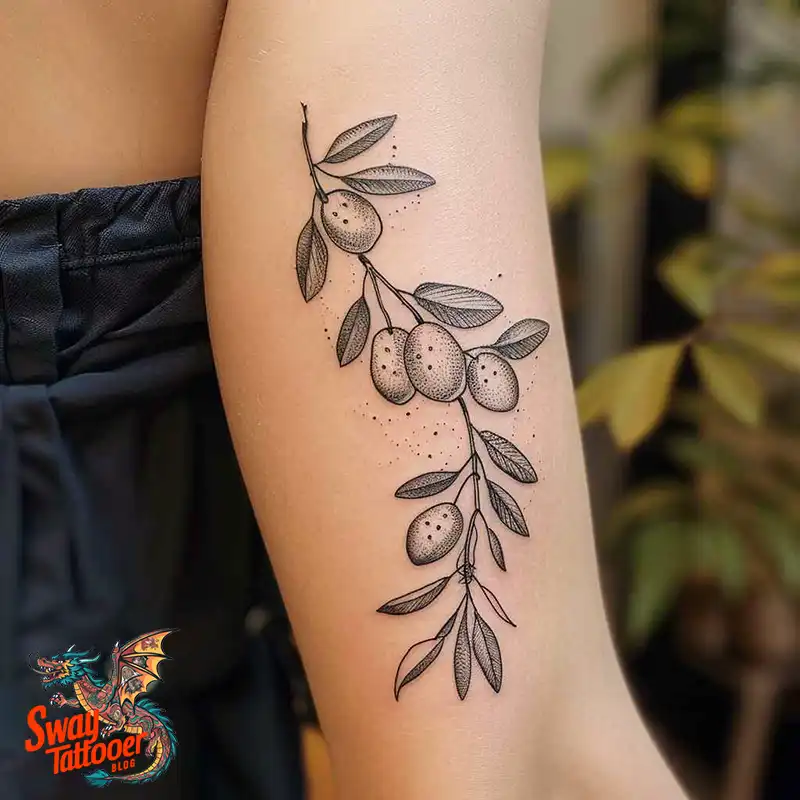
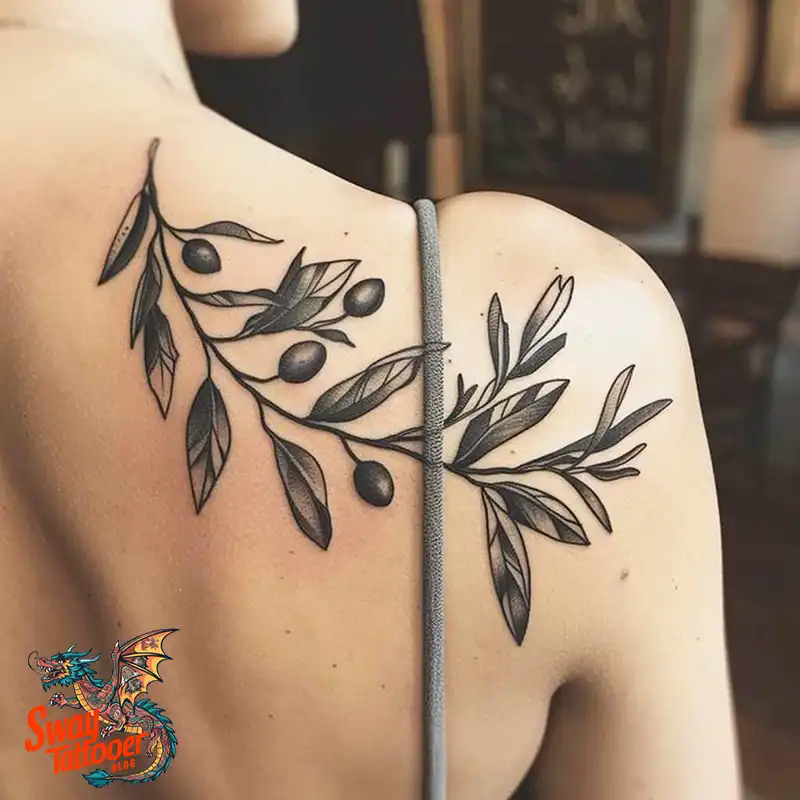
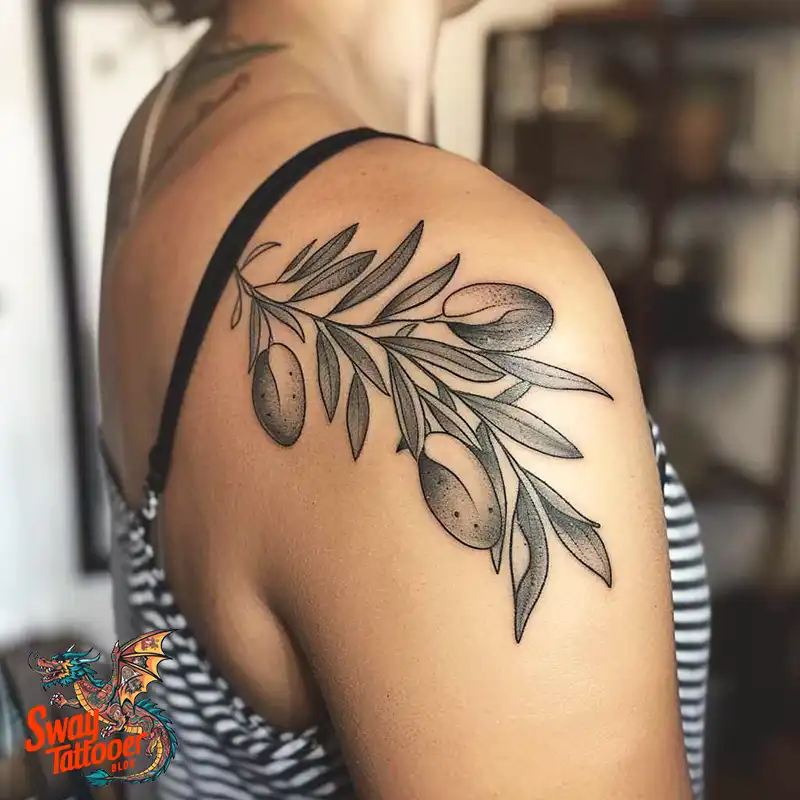
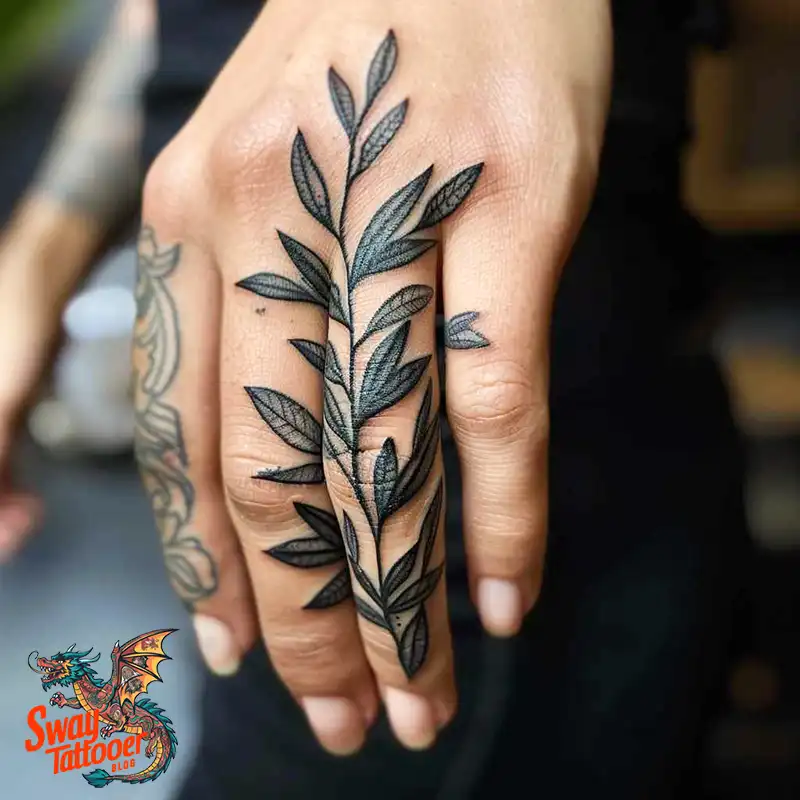
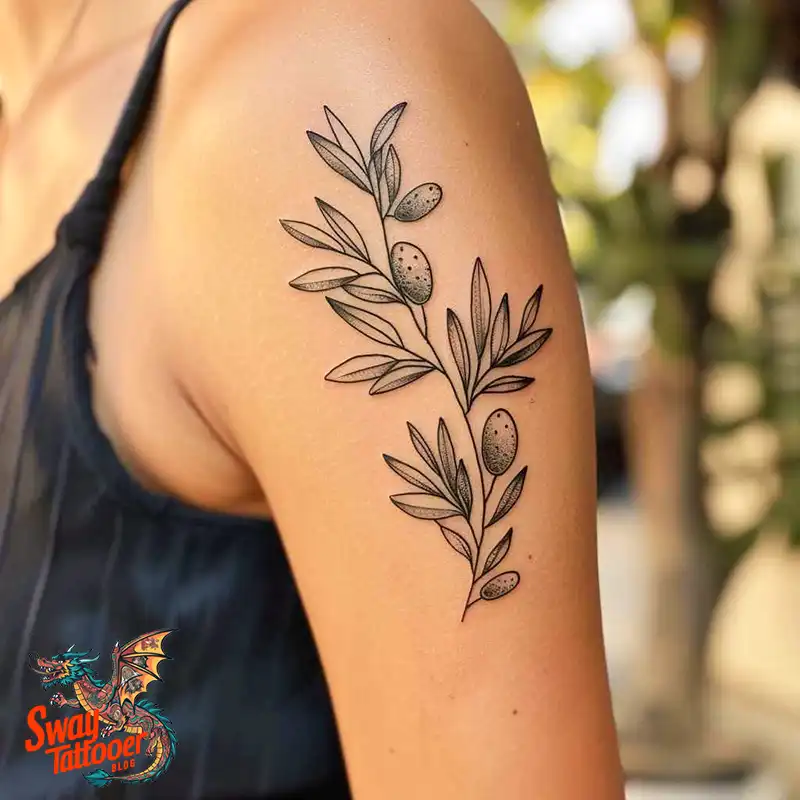
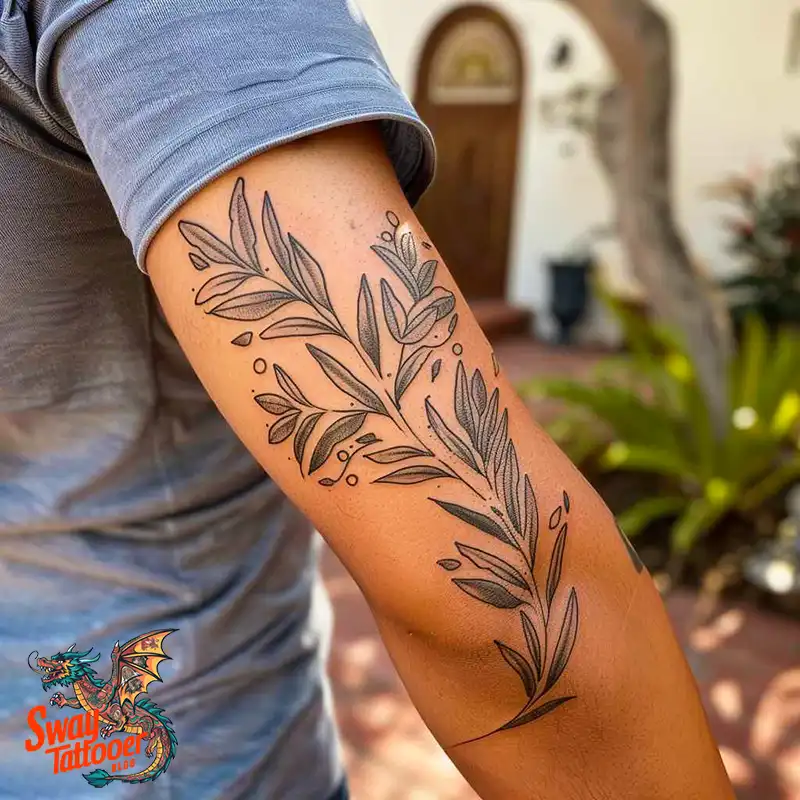
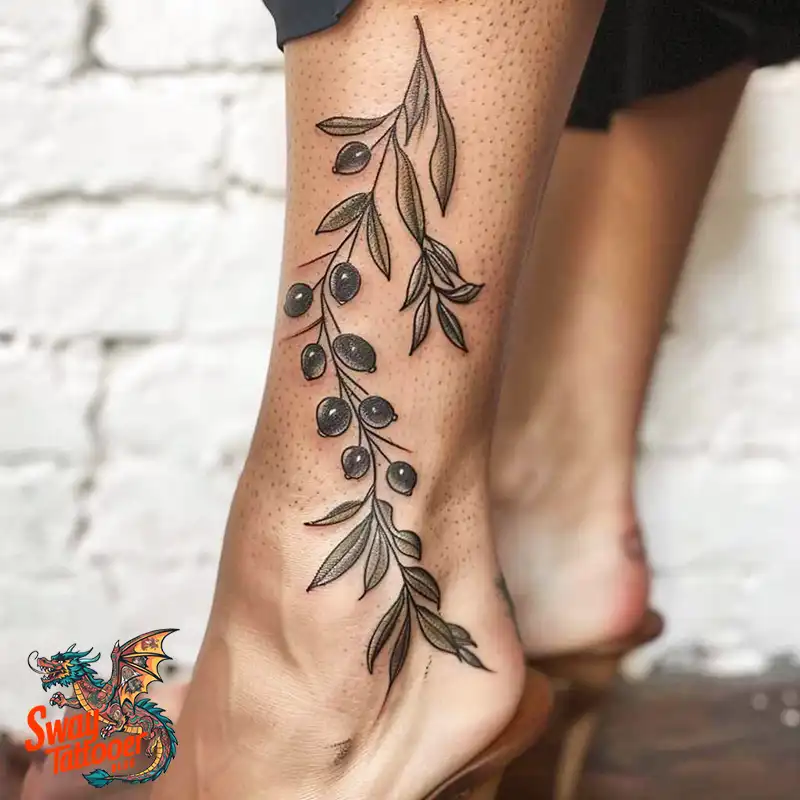
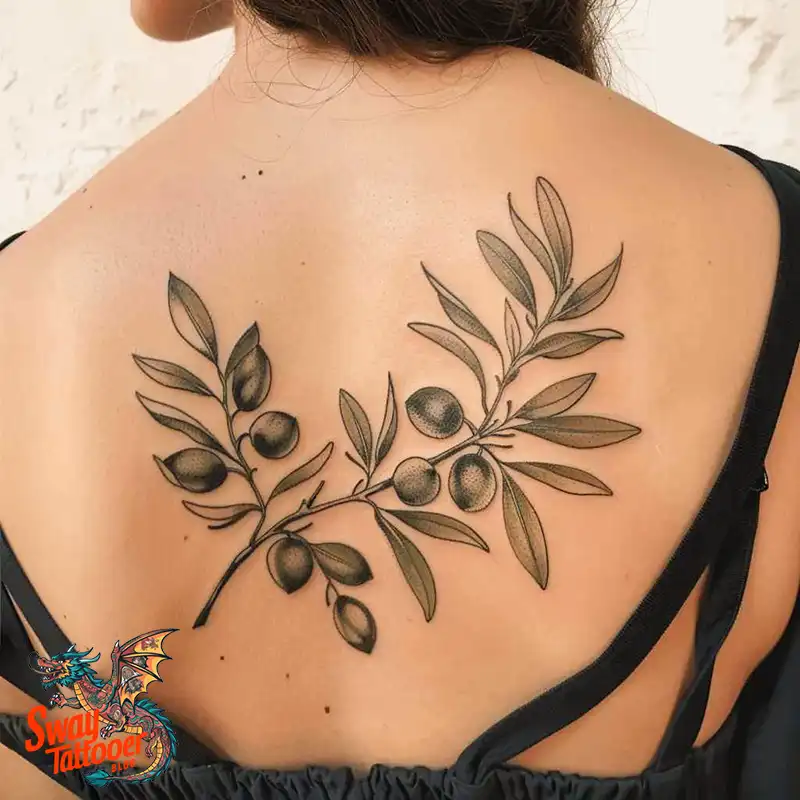
- Blackwork/Black and Grey: This style uses only black ink. It focuses on shading and texture. This creates a bold yet subtle representation.
Design Combinations (Layering Meaning)
The olive branch tattoo is frequently combined with other elements to deepen its symbolic narrative:
- The Classic Duo: Olive Branch and Dove: This combination is strongly linked to the narrative of Noah’s Ark, directly emphasizing hope, healing, reconciliation, and peace. It serves as a potent, visible reminder of one’s belief in peaceful solutions to life’s challenges.
- Sacred Geometry: Incorporating mathematically precise patterns behind or around the branch creates a stunning juxtaposition of the structural and the organic. These geometric forms signify balance, harmony, and cosmic order, merging with the peace of the branch to appeal to those seeking philosophical depth and spiritual unity.
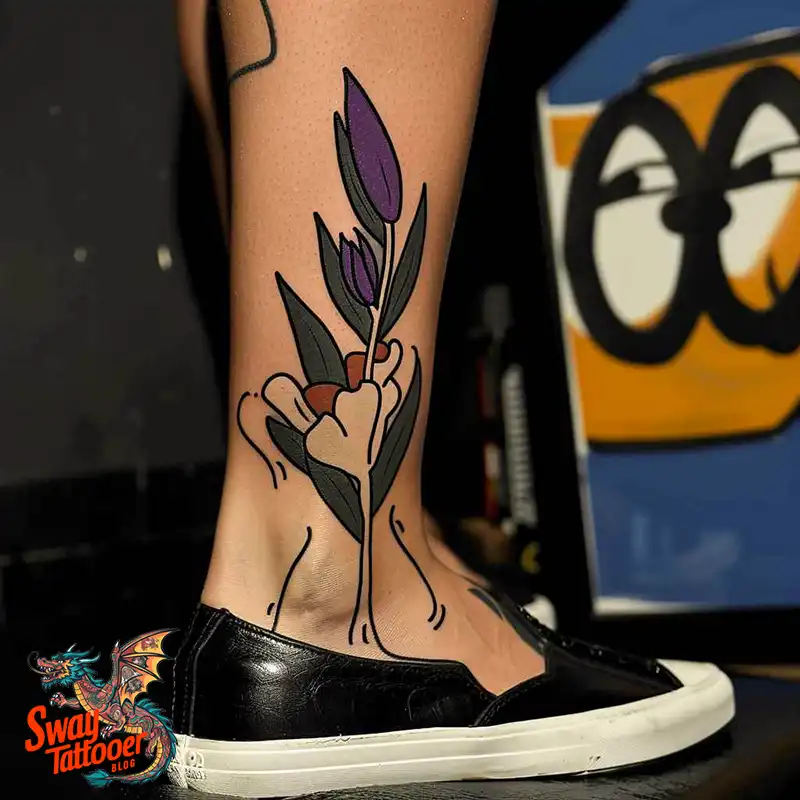
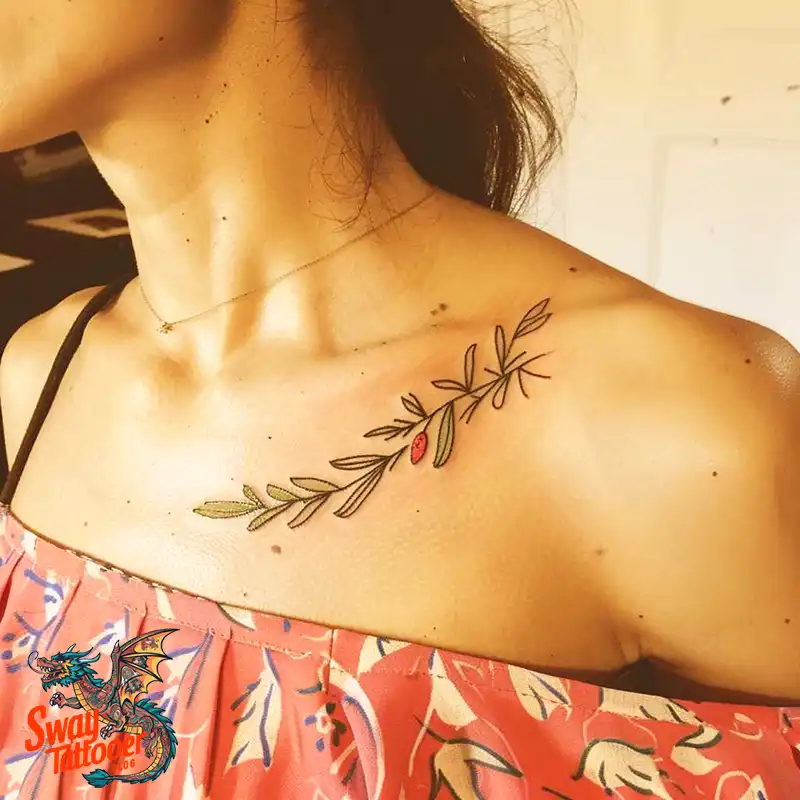
- Complementary Symbols: The branch can be entangled with symbols like anchors (stability), swords (controlled conflict or justice), keys (unlocking a new beginning), or abstract watercolor splashes (artistic flow or transition) to create bespoke meanings.





The Art of Placement:
Effective tattoo placement requires balancing the design’s aesthetic flow with practical considerations such as size, visibility, and long-term clarity.
Matching Design to Canvas Size
The olive branch is naturally suited to elongated placements. The choice of body placement should always match the complexity and size of the artwork.
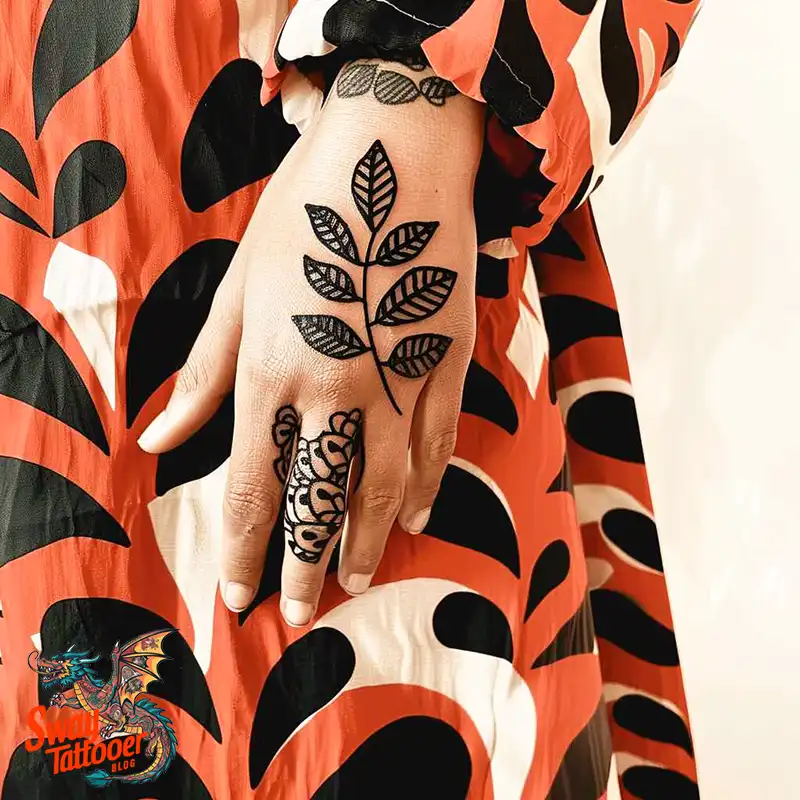
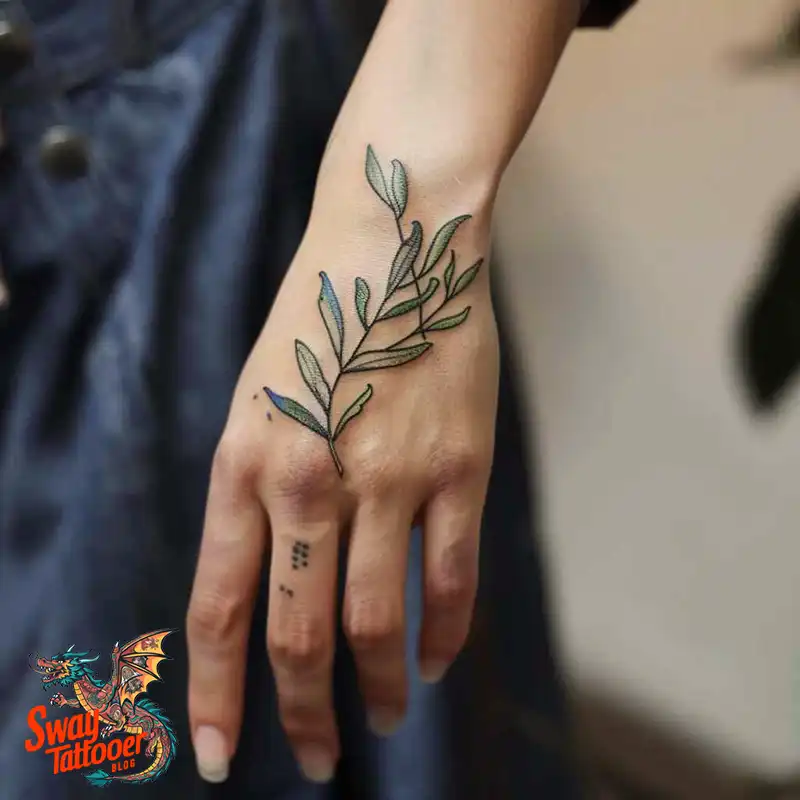
- Small Designs (Minimalist Sprigs): These are best suited for the smallest, most discrete areas of the body, including the wrist, ankle, back of the palm, behind the ear, or fingers.
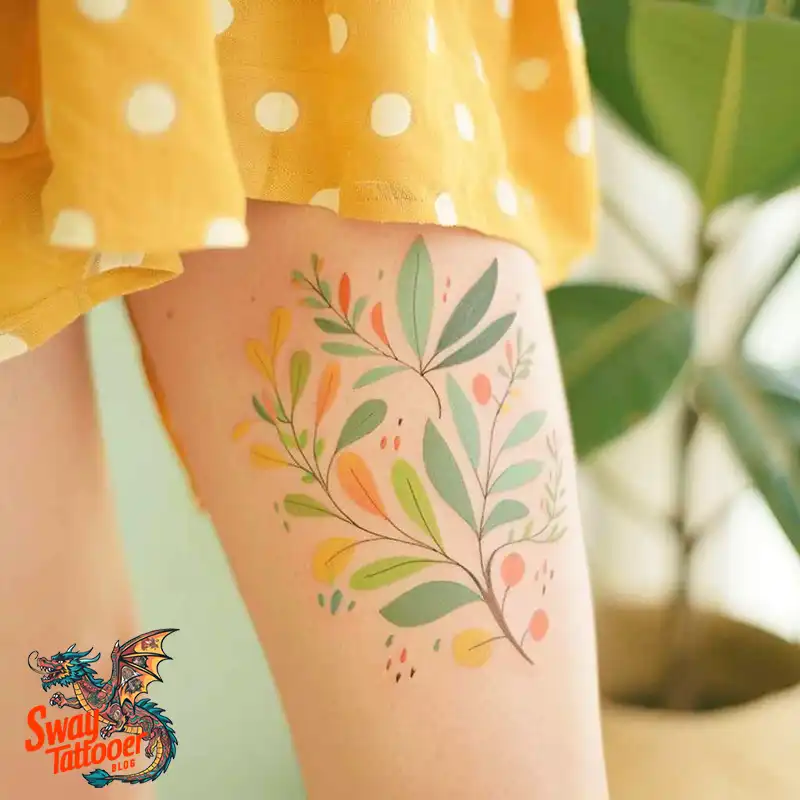
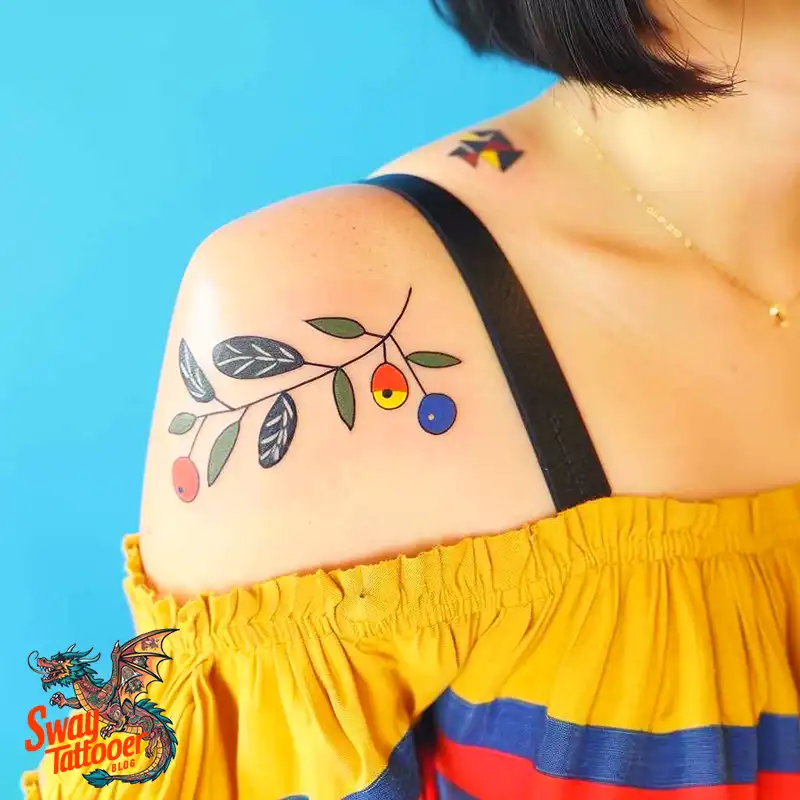
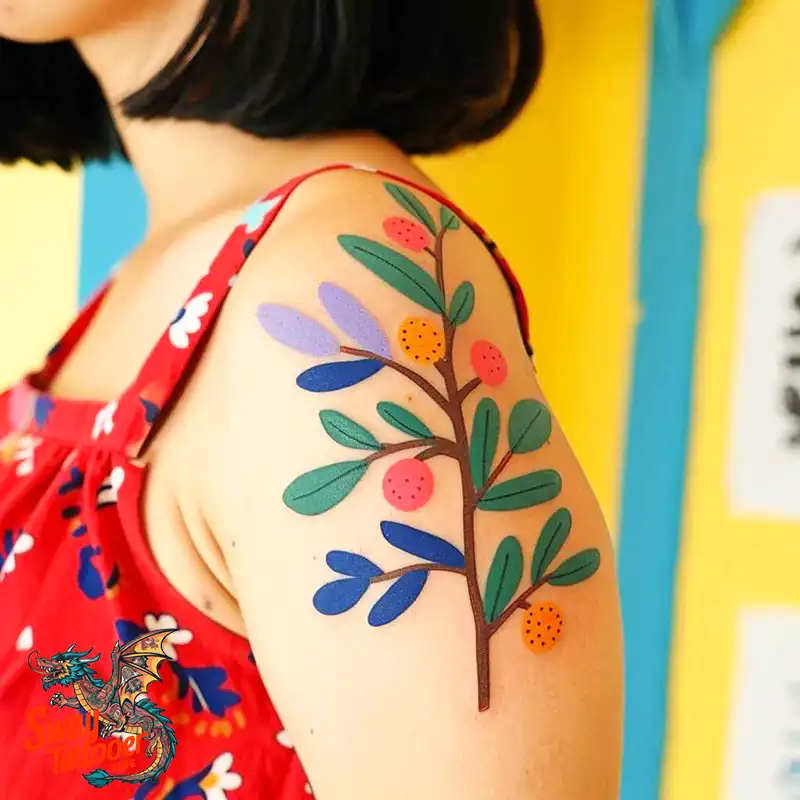
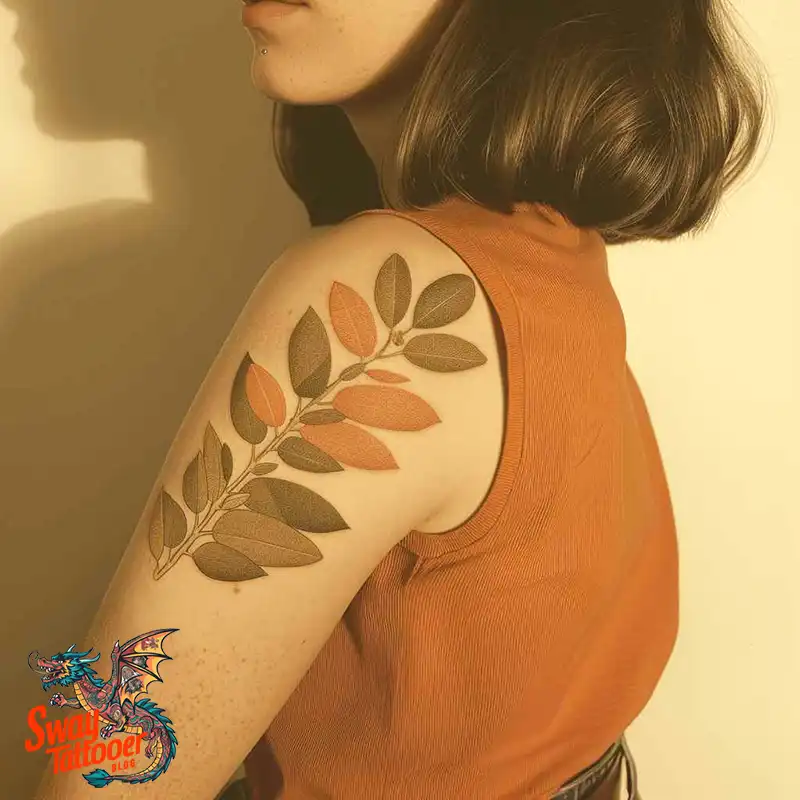
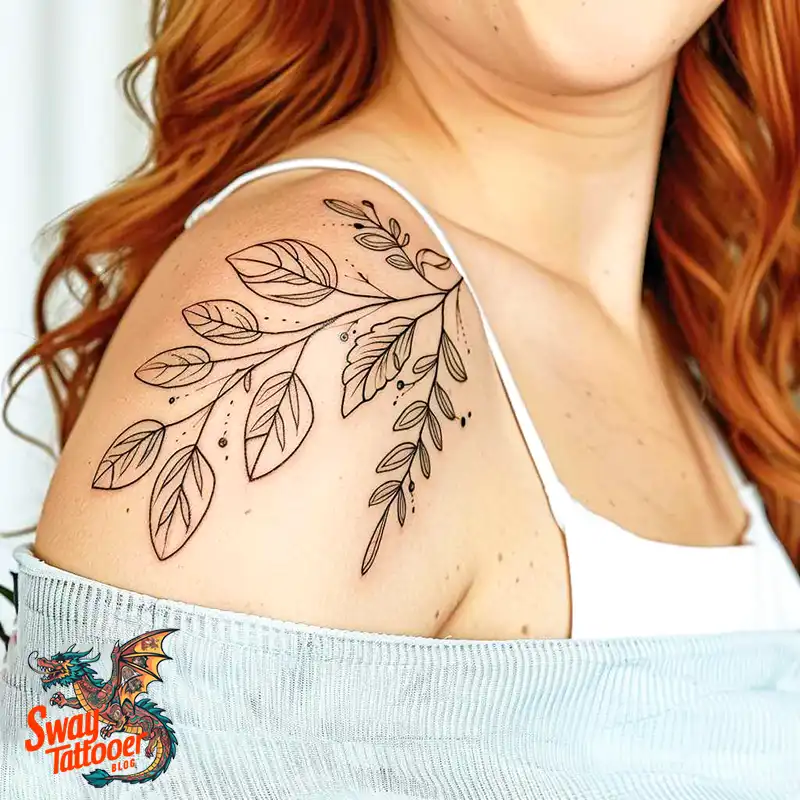
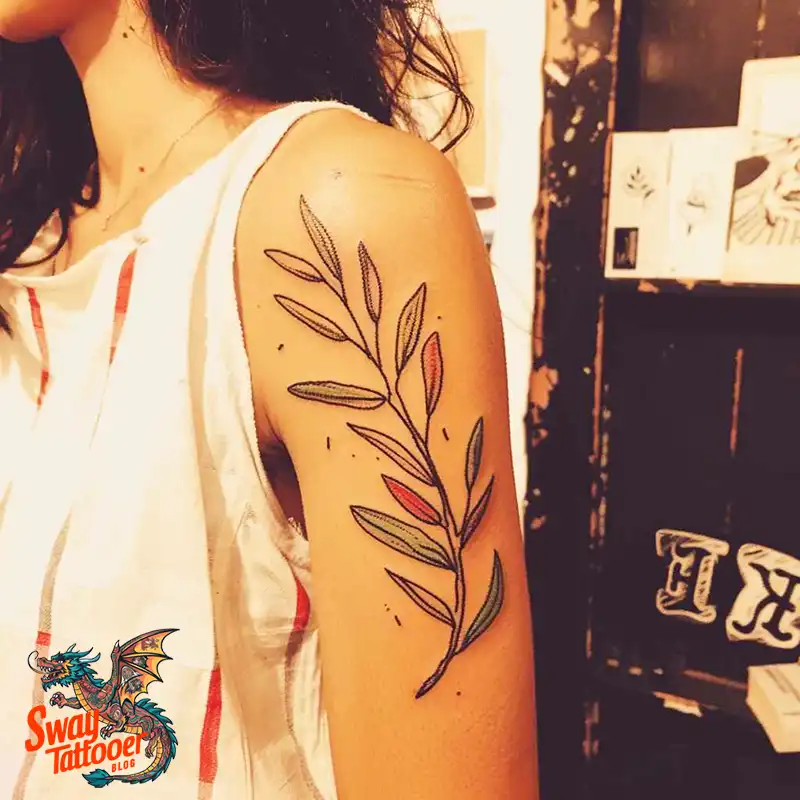
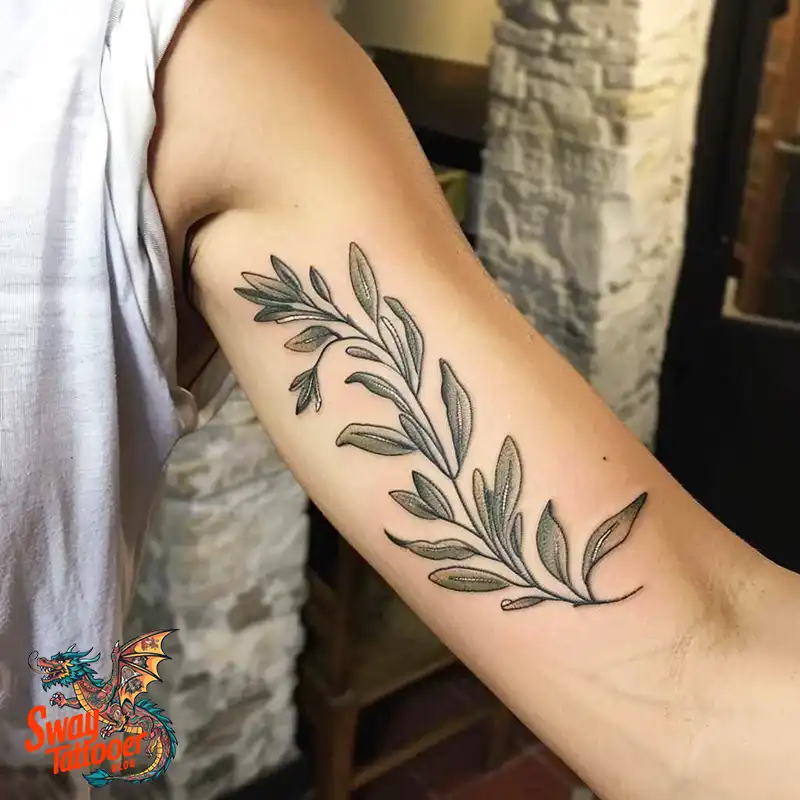
- Medium Designs (Wrapping Branches, Small Wreaths): These designs are ideal for “long and skinny” canvases. Popular medium areas include the forearm, inner arm, calf, neck, upper arm, and shoulder blade. The inner arm is a highly sought-after location because it allows the branch to wrap elegantly along the natural curve of the body, providing a versatile display area.
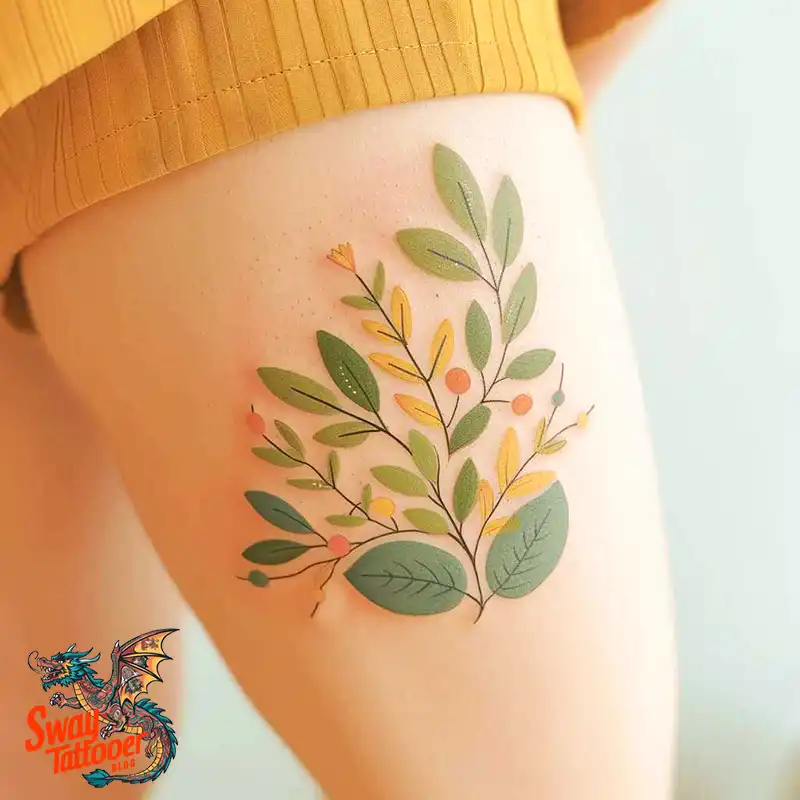
- Large Designs (Detailed Wreaths, Combined Scenes): For the most intricate or expansive pieces, stable, broad canvases such as the thigh, chest, or upper back are necessary to accommodate the detail and shading.
Placement and Pain Index
While pain tolerance is highly personal, general anatomical factors dictate the level of discomfort.
- Least Painful Areas: Areas with the thickest skin, most padding (muscle and fat), and fewest nerve endings are generally the least painful. These include the shoulders and the outer thighs.
- Moderate Pain: Popular placements for the olive branch, such as the wrist and forearms, typically fall into a moderate pain category. While these areas contain nerve endings, the pain is often manageable compared to bony zones.
- More Painful Areas (High Severity): Areas close to bone with very little fat or thin skin, or locations with a high concentration of nerve endings, are considered highly painful. This includes the rib cage, collarbone, neck, inner bicep, and ankle. Clients opting for fine line work in these bony locations should prepare for increased discomfort.


Longevity for Fine Line Olive Branches:
The strong market preference for the Fine Line style for botanical tattoos introduces specific technical challenges. The longevity of the design is highly dependent on both the artist’s skill and the chosen placement.
The Fine Line Challenge and Artist Skill
Fine line artistry relies on the deposition of minimal amounts of pigment with extreme precision. Because these tattoos are so delicate, the work is “unforgiving.” The artist’s skill level is the single most critical factor: an experienced professional understands the exact depth required to place the ink stably within the skin layers. Poor application, particularly placing the ink too deep or too shallow, is the primary reason fine line designs may blur prematurely into an “unrecognizable ink cloud.”
Furthermore, small and intricate details, such as individual olive leaves or small berries, have a higher risk of blurring over time if not spaced adequately.
The Aging Process and Placement Stability
Unlike traditional tattoos, which use dense ink packing and bold lines that tend to thicken slightly over decades, fine line designs soften and lighten. A well-executed fine line tattoo will retain its essential form and beauty, but its delicate nature makes it highly susceptible to the effects of skin movement and friction, which are the greatest adversaries to long-term clarity.
Fine Line Olive Branch Longevity Risk Matrix
| Placement Area | Movement/Friction Level | Longevity Outlook | Key Aftercare Warning |
| Forearm/Calf | Low to Moderate | High clarity, excellent aging | Maintain moisture balance (avoid over-moisturizing) |
| Wrist/Ankle | High | Moderate to High blurring risk | High necessity for long-term UV protection and touch-ups |
| Fingers/Hands/Feet | Very High | Poor; highly susceptible to rapid fading/blurring | Expect frequent need for touch-ups; not recommended for highly intricate details |
| Shoulder Blade/Upper Arm | Low | Excellent longevity potential | Ideal for detailed designs; low friction |


Essential Aftercare:
Given the technical fragility of the currently popular fine line style, aftercare for an olive branch tattoo must be particularly meticulous. This process ensures the initial precision remains crisp and prevents premature blurring or fading.
Immediate Healing (First 2-3 Weeks)
The first two to three weeks constitute the initial healing stage, during which the surface of the skin closes over the ink.
- Cleaning and Protection: The tattoo must be gently cleansed daily with mild, fragrance-free soap and lukewarm water. Rubbing should be avoided; gently pat dry with a clean towel. Crucially, the tattoo must be protected from immersion in water (avoiding swimming or hot tubs) until fully healed to prevent infection and ink leaching.
- The Specific Moisturizing Protocol: Fine line tattoos require specialized care compared to traditional tattoos. Moisturizing is necessary to prevent excessive scabbing, but the application must be light. Applying too much product can cause the delicate, thinly deposited ink to spread or blur within the dermis layer.
- Friction and Scabbing: Tight clothing and heavy movement over the tattoo must be avoided. While peeling is normal, scratching or picking at scabs can pull out ink and permanently distort the lines.
Long-Term Maintenance and Longevity
The olive branch is a symbol of longevity and endurance. Preserving the artwork’s integrity, therefore, becomes an act of preserving the enduring message the wearer chose.
- Sun Protection: This is the most crucial long-term practice. Once the tattoo is fully healed (typically after 2–3 weeks), a broad-spectrum sunscreen with at least SPF 30 must be applied whenever the tattoo is exposed to the sun. Tanning beds should be strictly avoided.
- Hydration and Touch-Ups: Ongoing moisturizing helps the skin maintain elasticity, preventing the ink from appearing faded or dull. Despite the best care, clients with fine-line tattoos, particularly in high-movement areas, should expect that touch-ups may be necessary over the years to keep the lines crisp and defined.
Practical FAQs:
Q: What is the average cost for a small olive branch tattoo?
The cost of a small tattoo is highly variable. A simple, minimalist design (under 2 inches) can range from $50 to $200. However, most professional artists charge based on their hourly rate. For a fine line design, which requires high skill, the price will be higher than a simple outline.
Q: Are color tattoos (e.g., green olives) more expensive?
Yes. Choosing color, especially for the intricate blending needed for green leaves and olives, increases the price. Color work demands additional time, skill, and multiple ink types compared to standard black work.
Q: How long does the total healing process take?
The initial, crucial surface healing takes approximately two to three weeks. Full internal healing of the deeper skin layers can take several months.
Q: How do I choose the right artist for a fine line botanical tattoo?
Choosing the artist is the most important step for longevity. Clients must research portfolios that explicitly show examples of healed, crisp, fine, and botanical tattoos. Relying on an artist who only does bold styles can lead to premature blurring in the delicate olive branch design.
Q: What pain level should I expect for common placements like the wrist or inner arm?
Common placements for the olive branch, such as the wrist, forearm, and inner arm, are generally considered to induce moderate and manageable levels of pain. They possess enough padding compared to highly painful, bony zones like the collarbone or ribs.
Conclusion:
The olive branch tattoo is much more than a simple drawing. It is a declaration steeped in history, myth, and faith. It serves as a powerful emblem of peace, hard-won victory, and spiritual resilience.
The current trend toward the elegant Fine Line style fits the look of the slender olive branch well. But this aesthetic choice introduces specific technical weaknesses. The wearer’s commitment to the profound symbolism of the piece must be mirrored by their commitment to rigorous, specialized aftercare. By selecting an expert fine line artist, choosing a stable placement (avoiding high-friction areas), and diligently protecting the artwork from sun and friction, the olive branch tattoo remains an enduring, sophisticated, and universally recognizable reminder of hope and harmony.
Leave a Reply