Did you know that the sacred War Bonnet (headdress) is a restricted symbol, earned through bravery, not chosen for aesthetics? The Native American tattoo tradition is a profound, living record of family history, spiritual power, and survival against cultural persecution. Approaching this art requires deep respect, moving beyond simple admiration to ethical engagement.
We will explore the restricted symbols you must avoid, analyze how black and grey realism is the most responsible style for animal tattoos (like the wolf and eagle), and outline the critical ethical steps you must take to ensure appreciation, not appropriation. This guide offers the expertise you need to truly honor this ancestral art form through informed, lasting body art.
History and Traditional Practice:
Tattooing in Indigenous cultures is a very old and sacred art form. It was not a modern trend. Tattoos were living documents.
Traditional Functions as Markers of Identity
Tattoos showed who you were in the tribe. They were important markers of identity, family history, and social rank. They were also believed to offer spiritual protection and healing. They recorded family lineage and great achievements, like bravery.
Ancient Techniques and Pigmentation
The methods used for traditional tattooing were complex. People used techniques like pricking the skin with specialized needles or cutting with small blades. Some Northern tribes used skin-stitching. This was like sewing colored thread (often made from natural charcoal) into the skin.

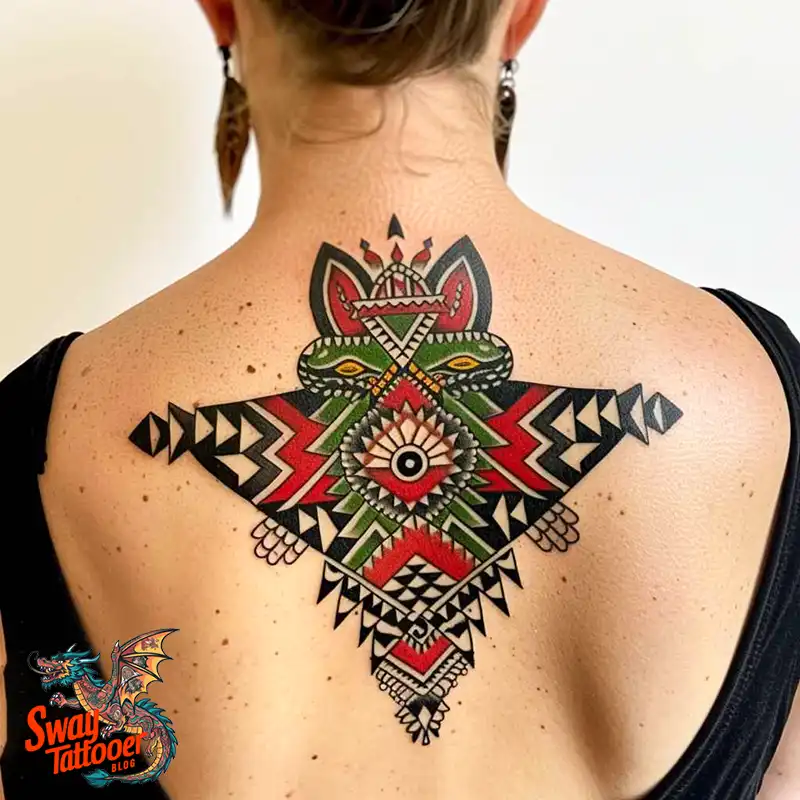
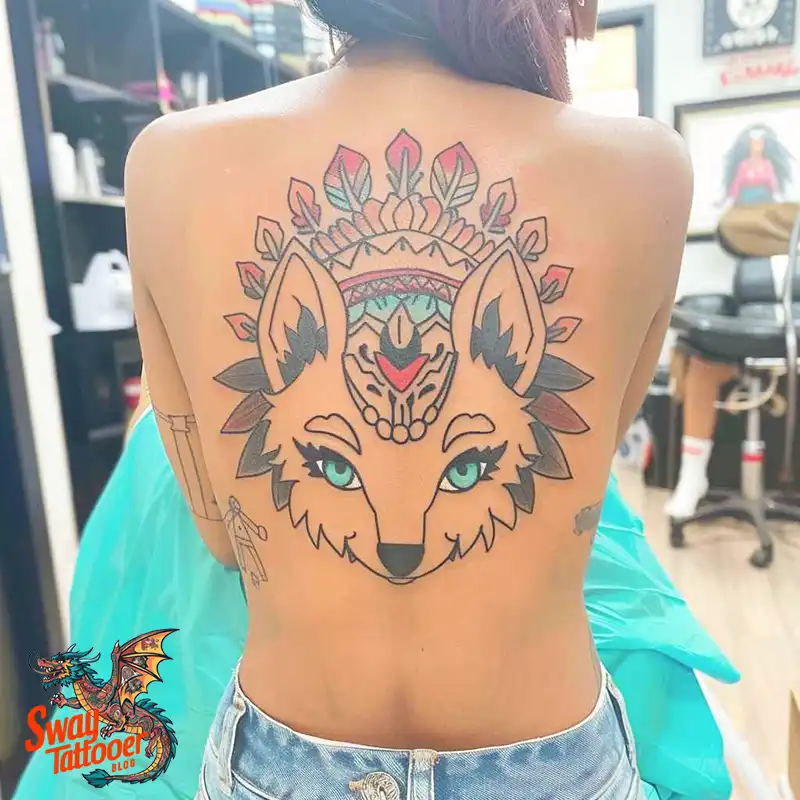
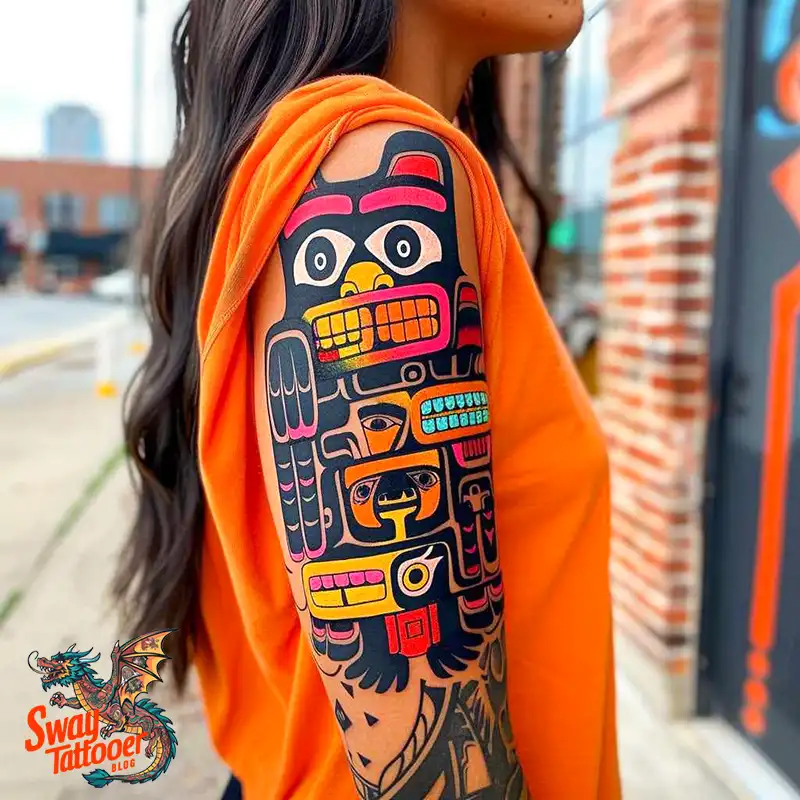
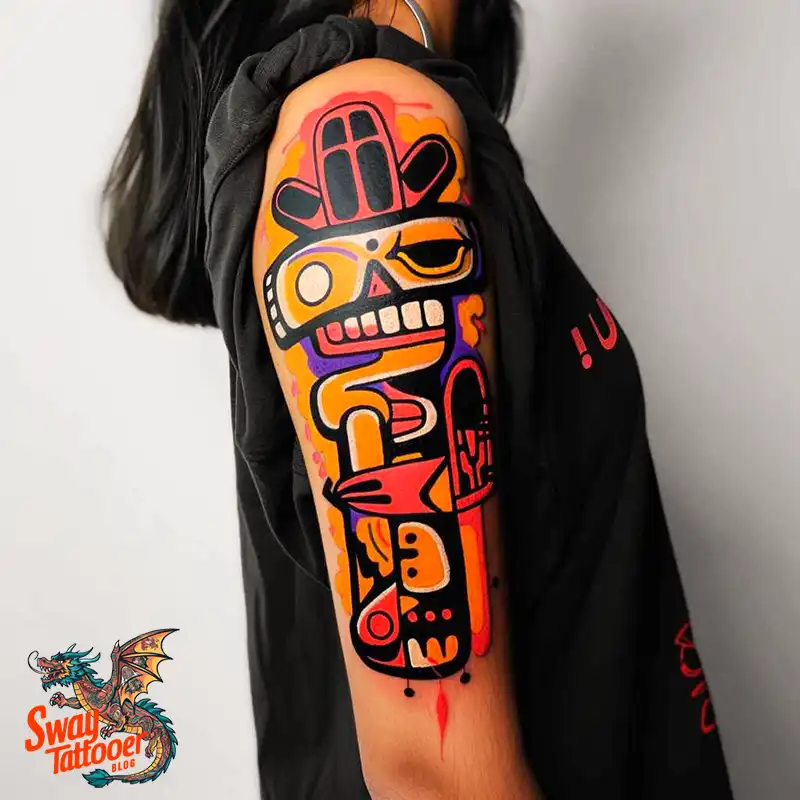
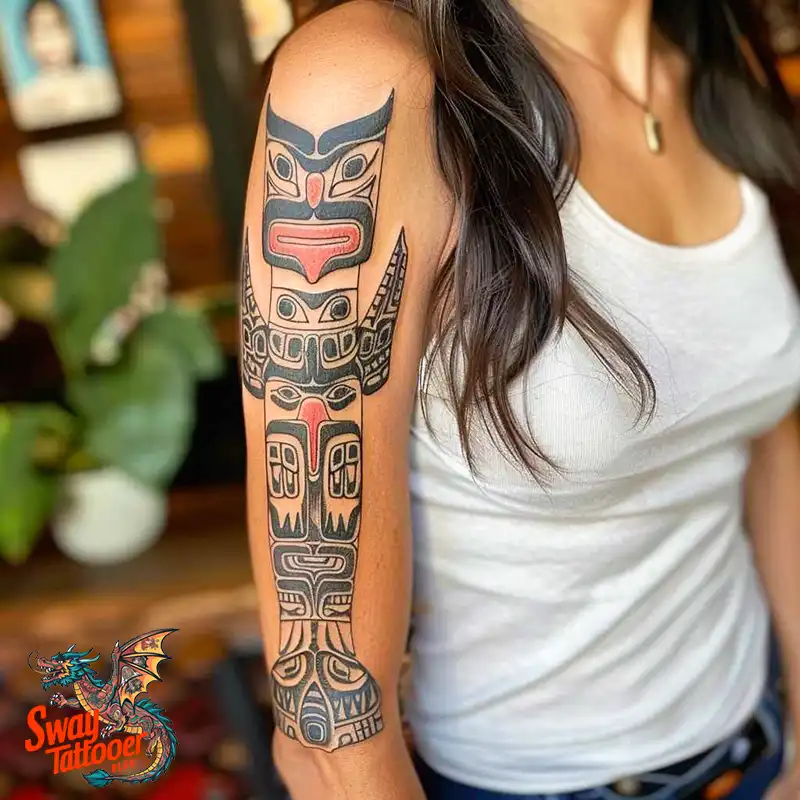
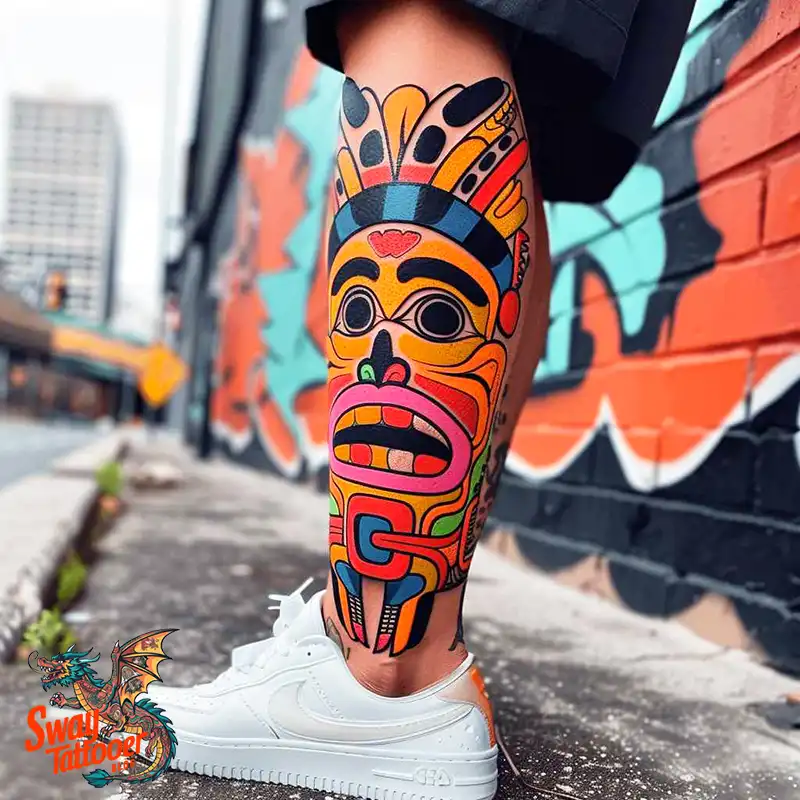
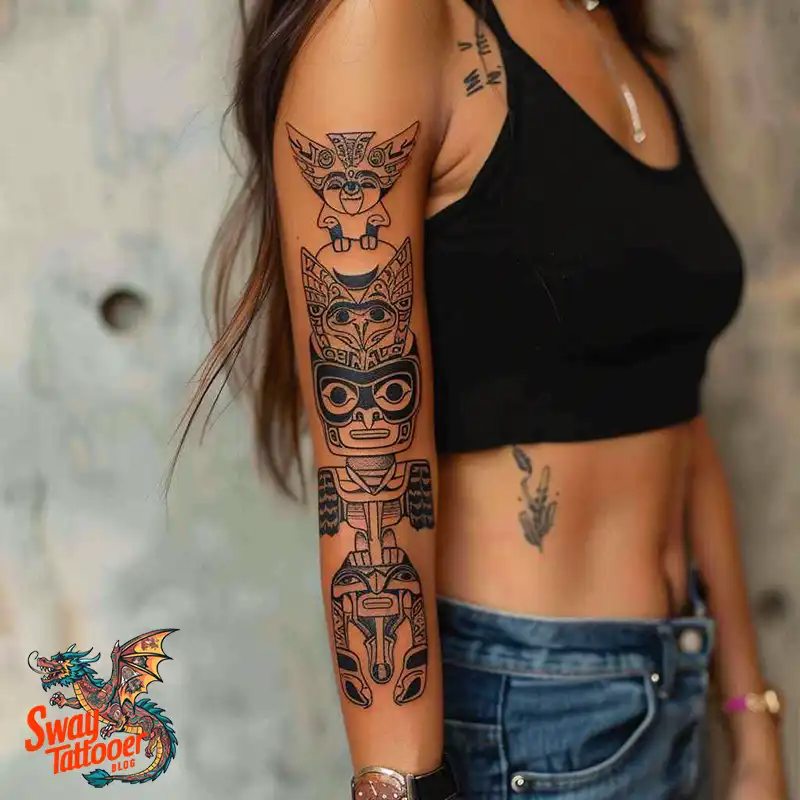

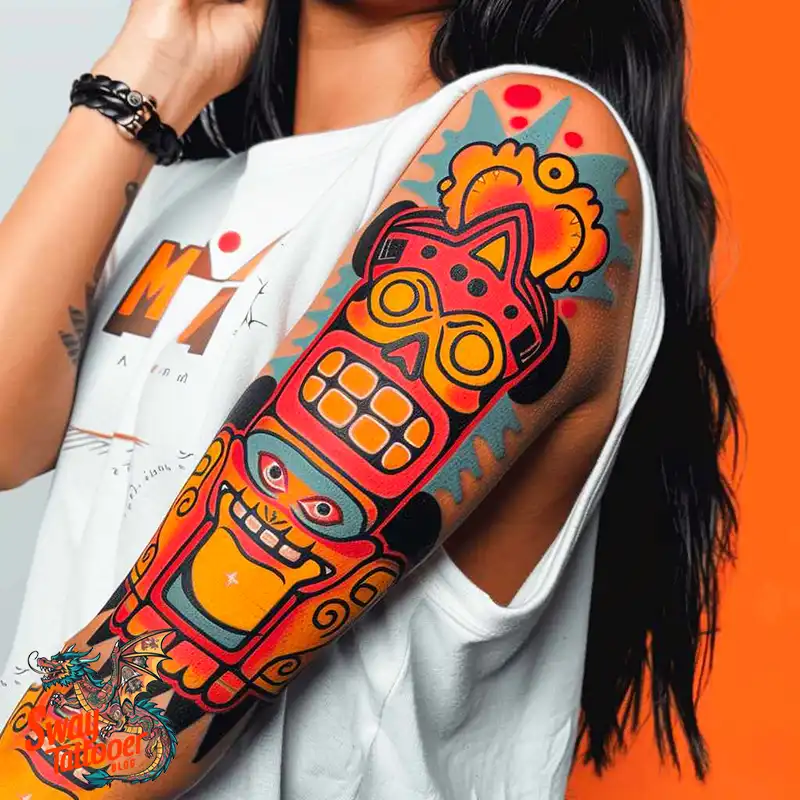
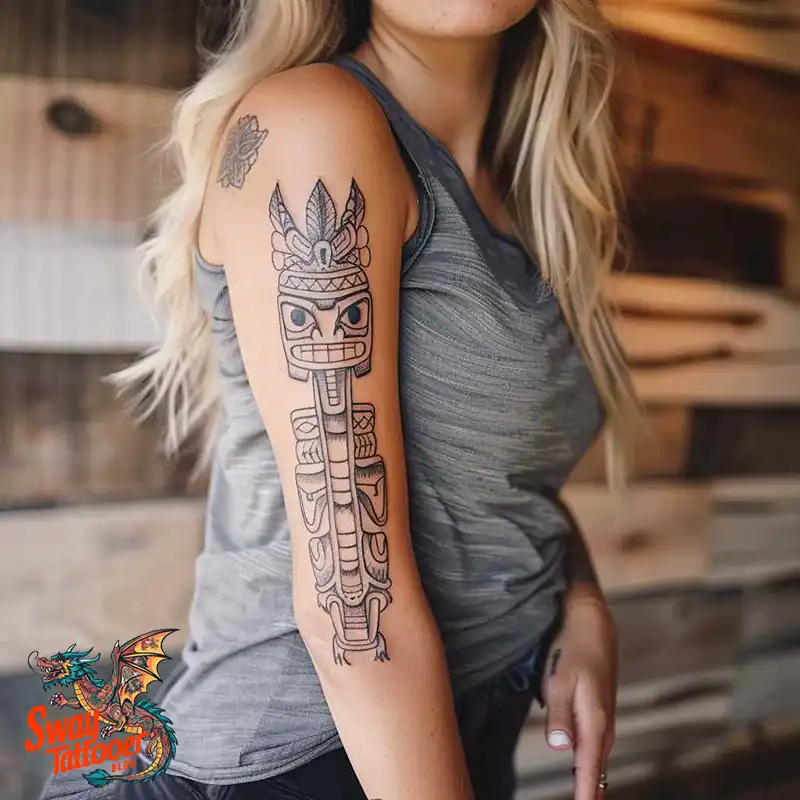
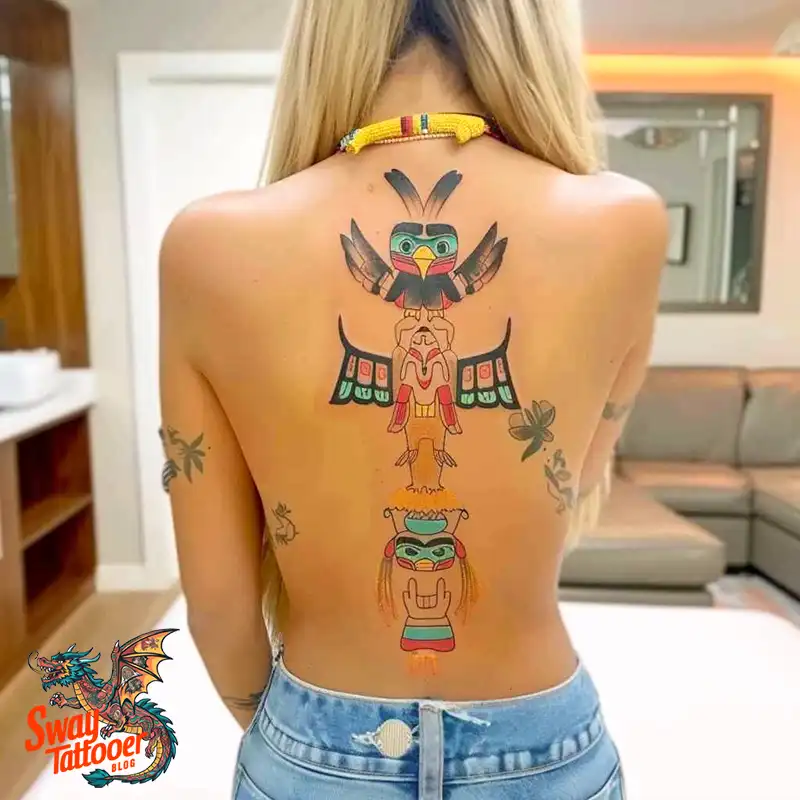
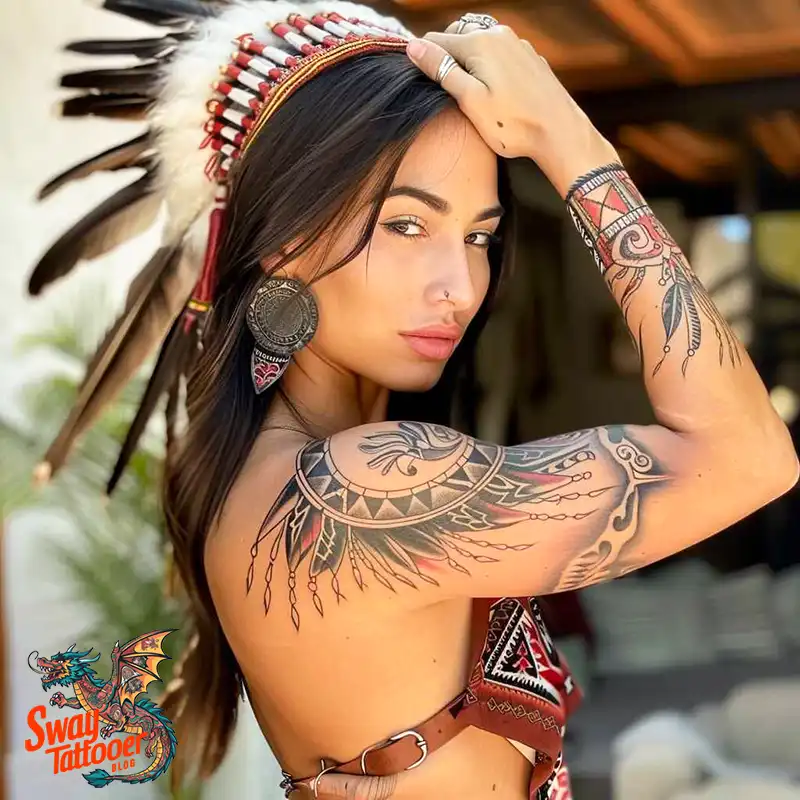
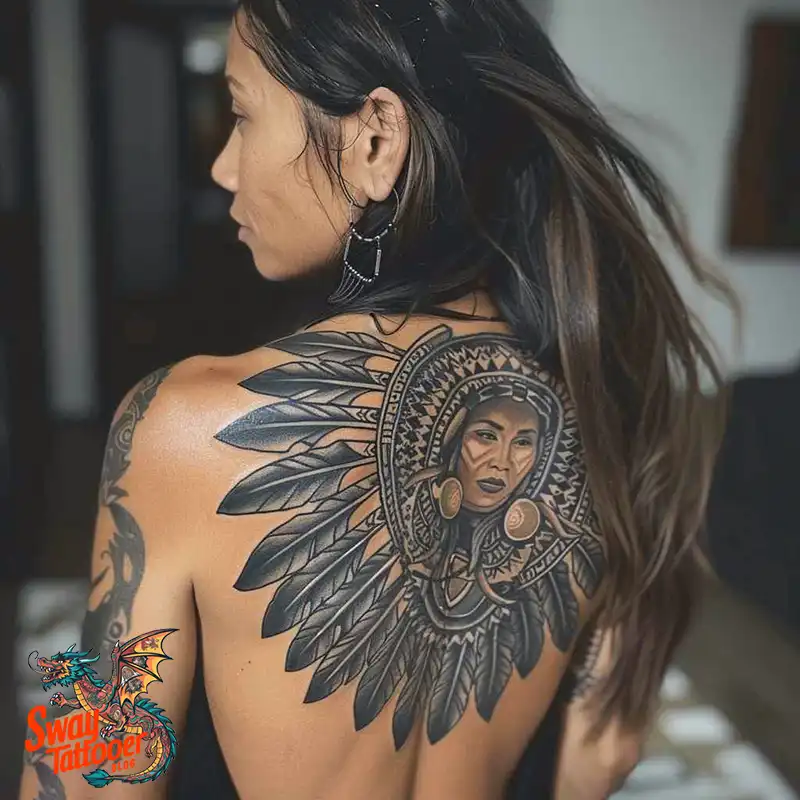
A History of Suppression and Cultural Reclamation
Colonialism interrupted these rich traditions. Many sacred practices were lost for a long time. This painful history shows why the casual use of these symbols is disrespectful. Today, Native American people are strongly reviving this ancient art. They are reclaiming their family lineages and identity. This means the art is not just a trend; it is a sacred practice being actively rebuilt.
Symbolism and Spiritual Weight:
In Indigenous cultures, symbols are rarely just pictures. Animals and designs are seen as potent guides to the spiritual world.
Animals as Spirit Guides
Animals are especially sacred. They are often seen as spirit guides.
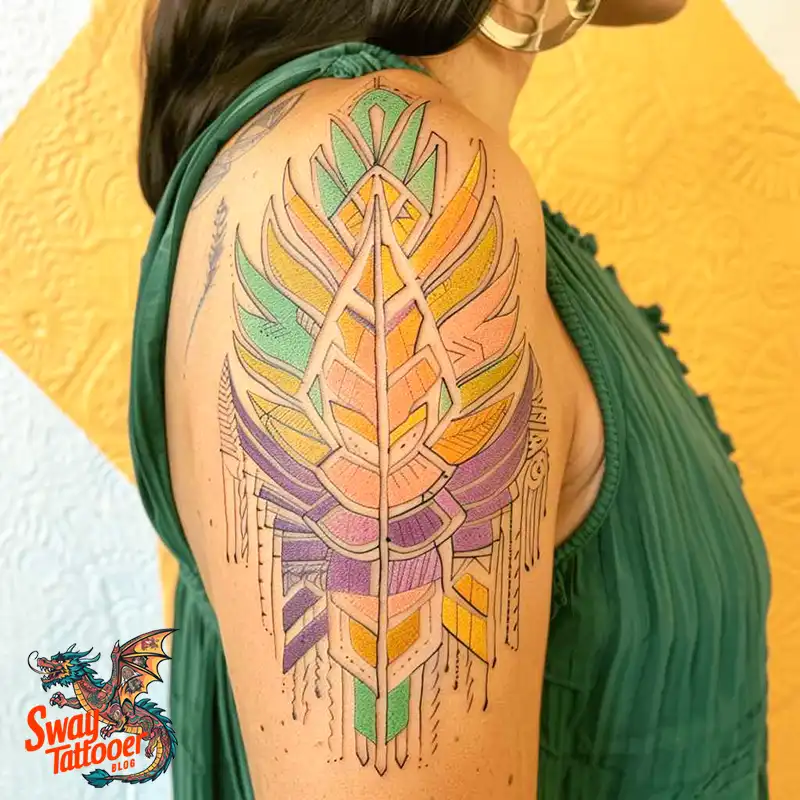
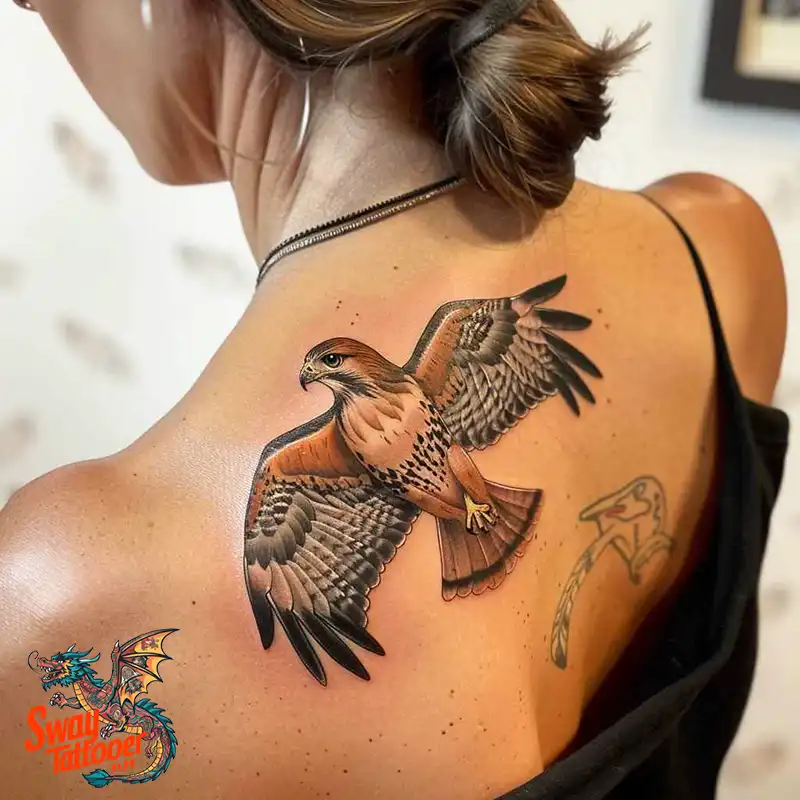
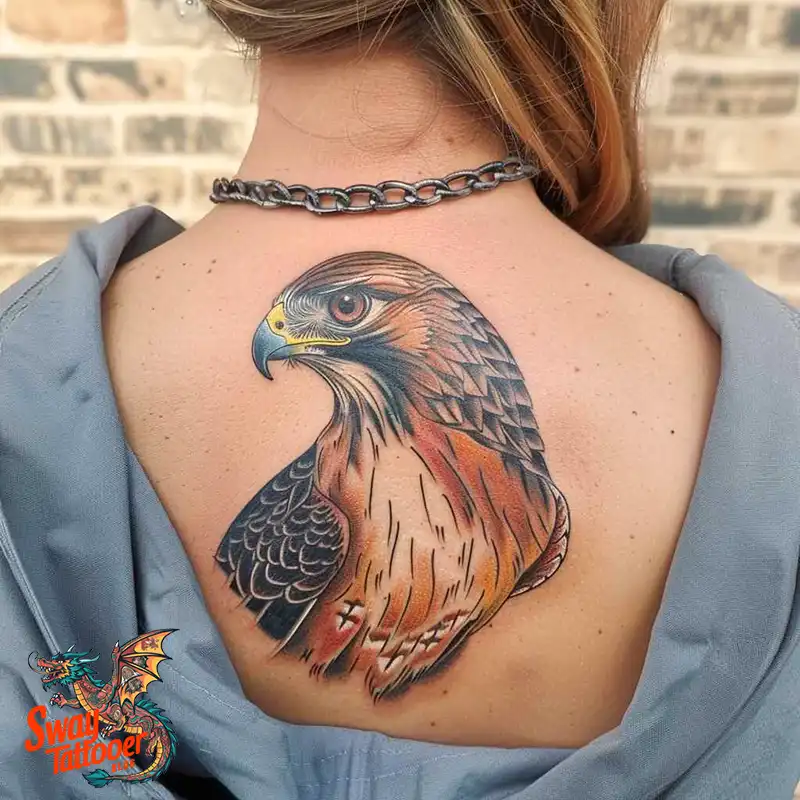
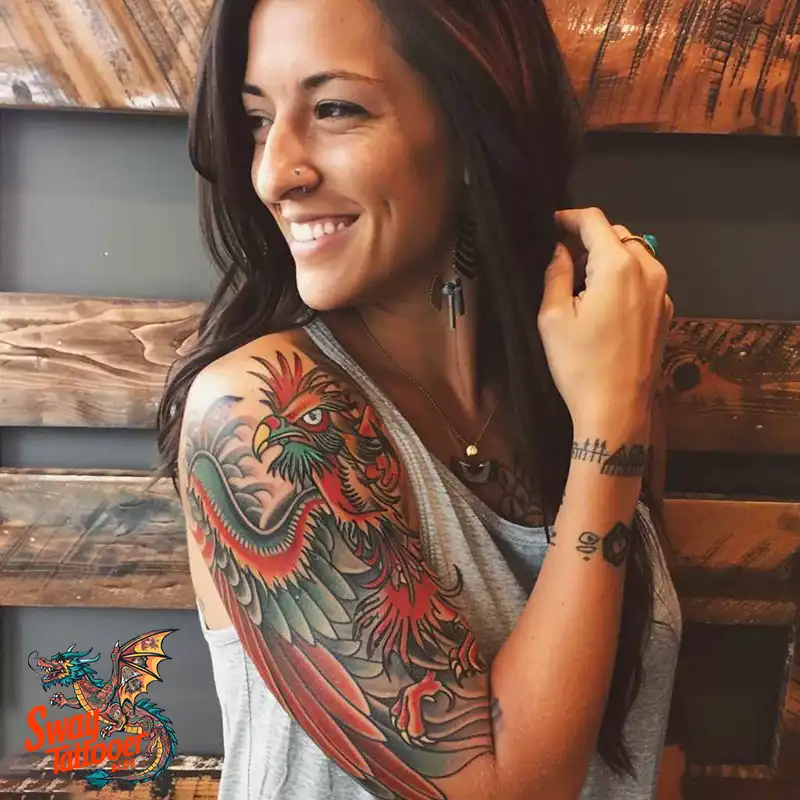
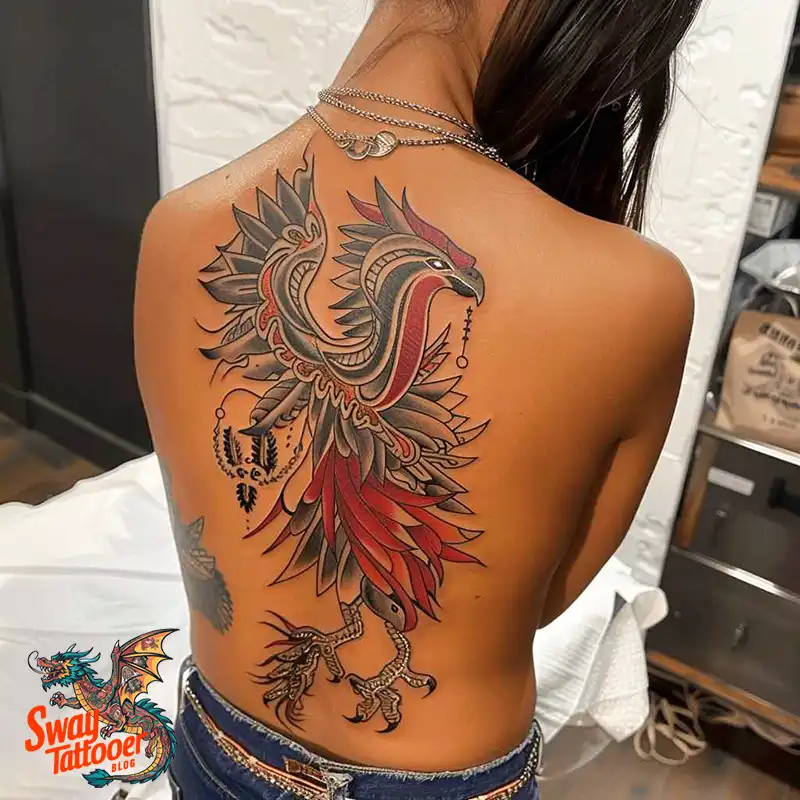
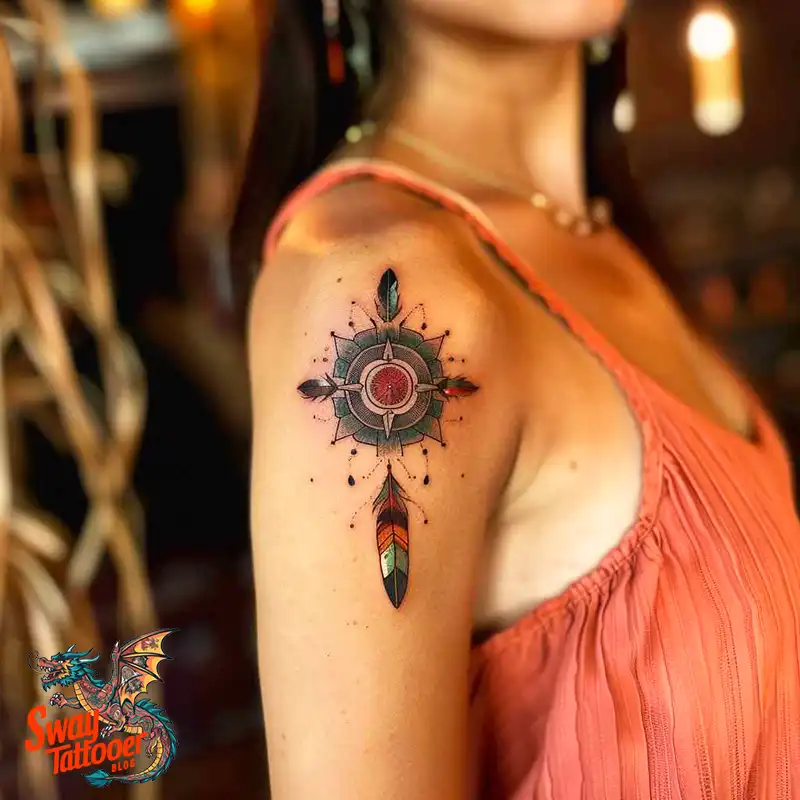
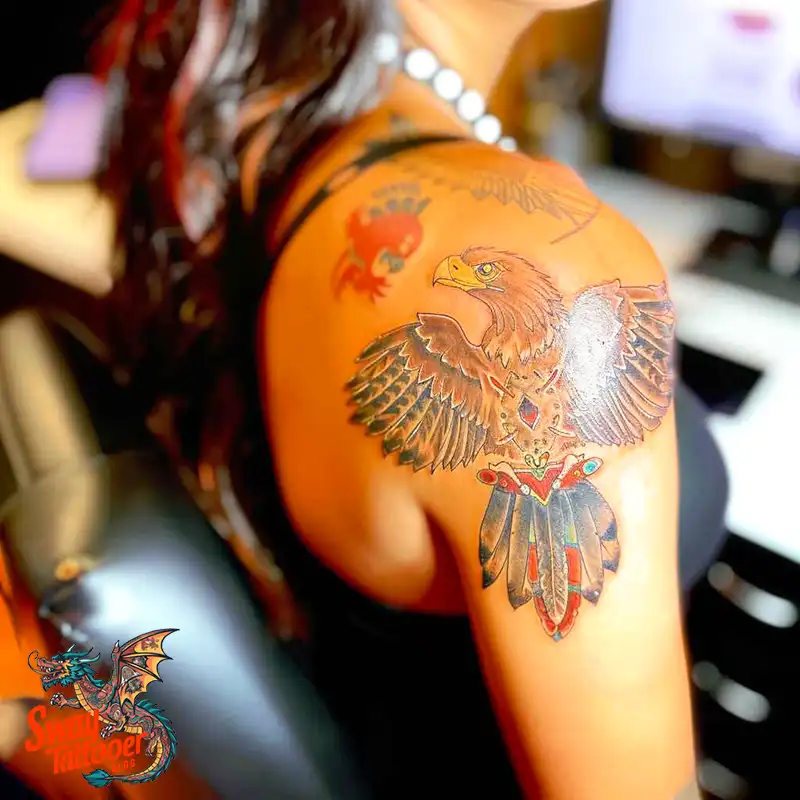
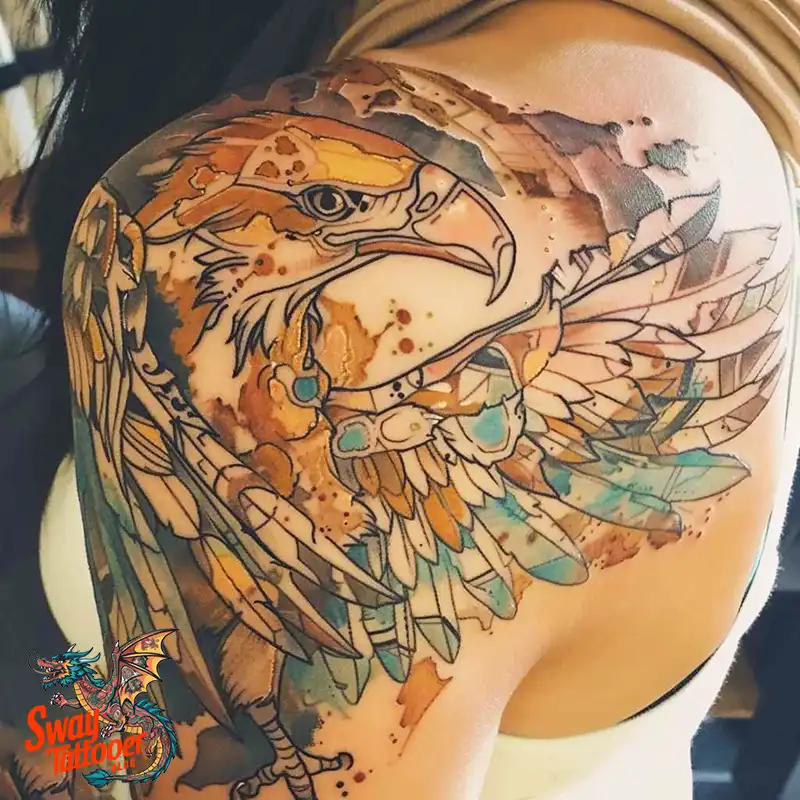
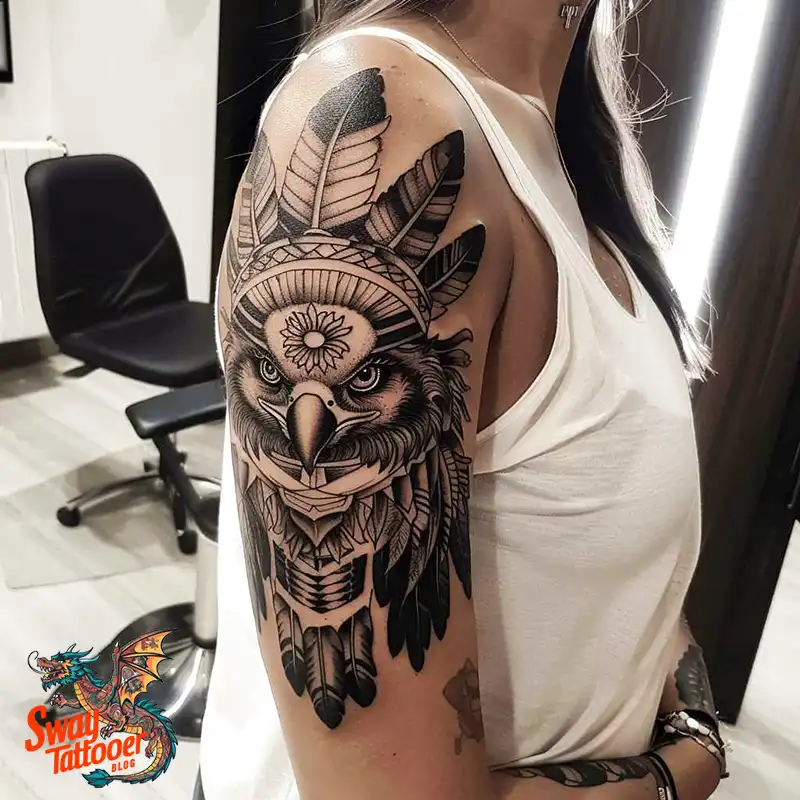
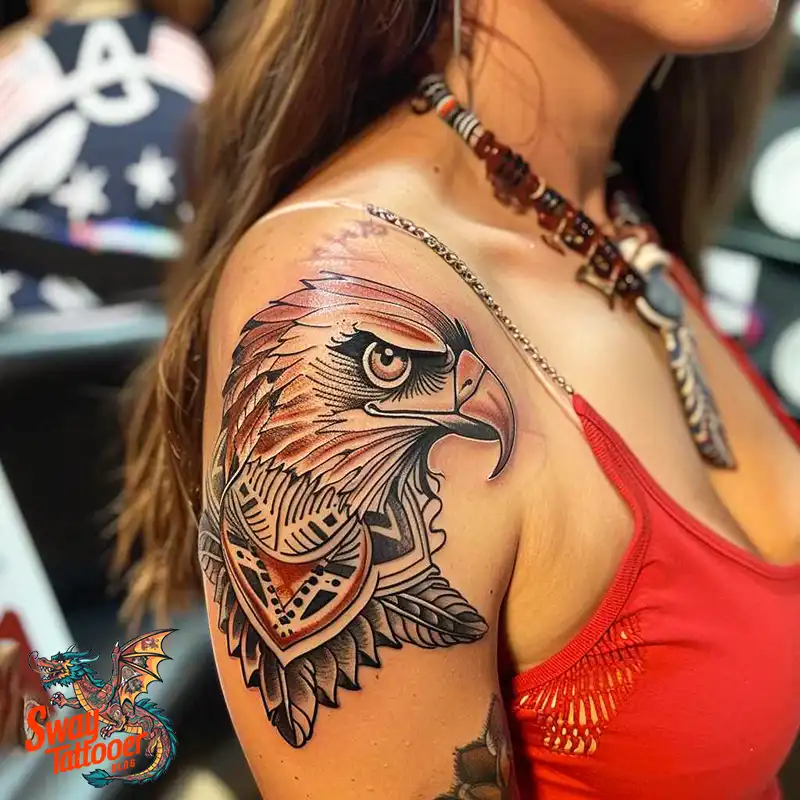
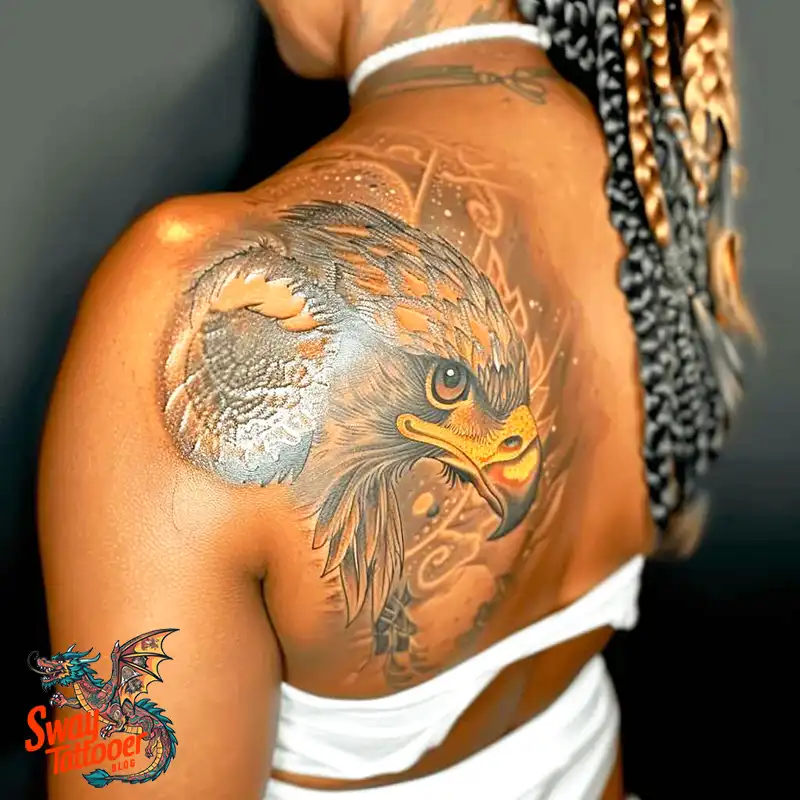
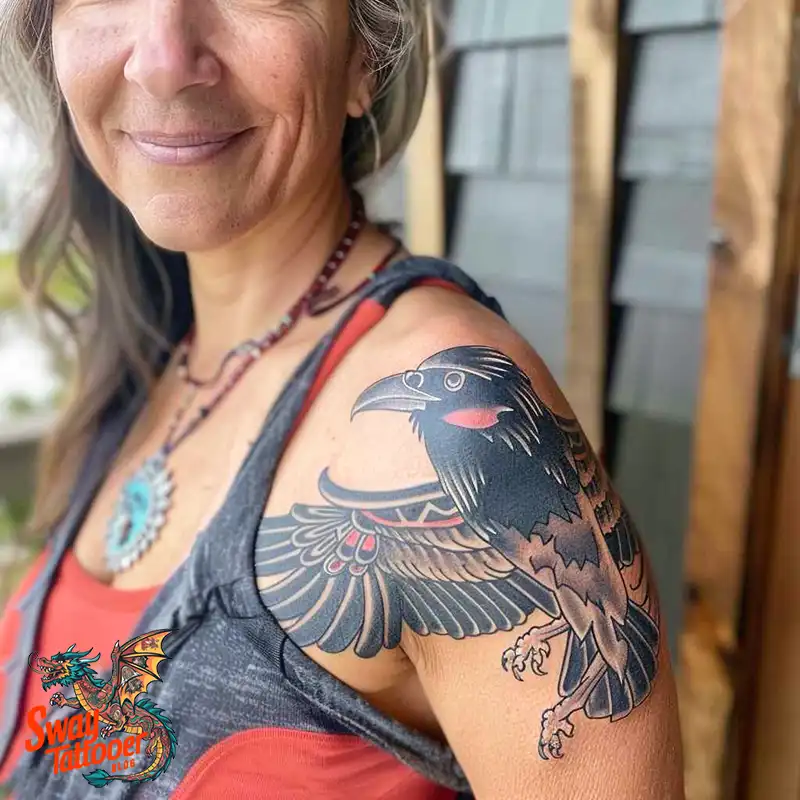
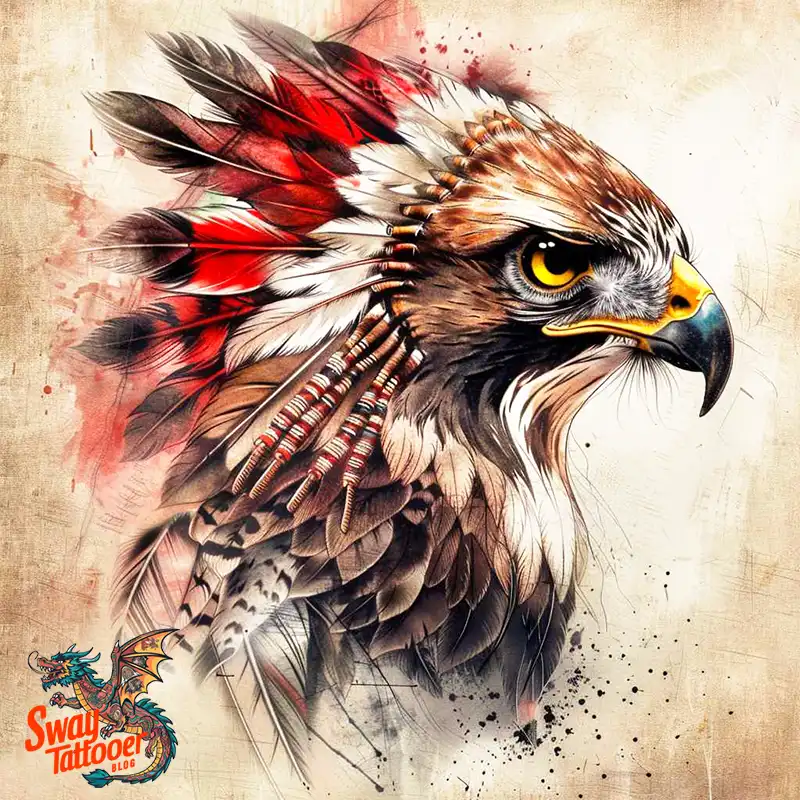
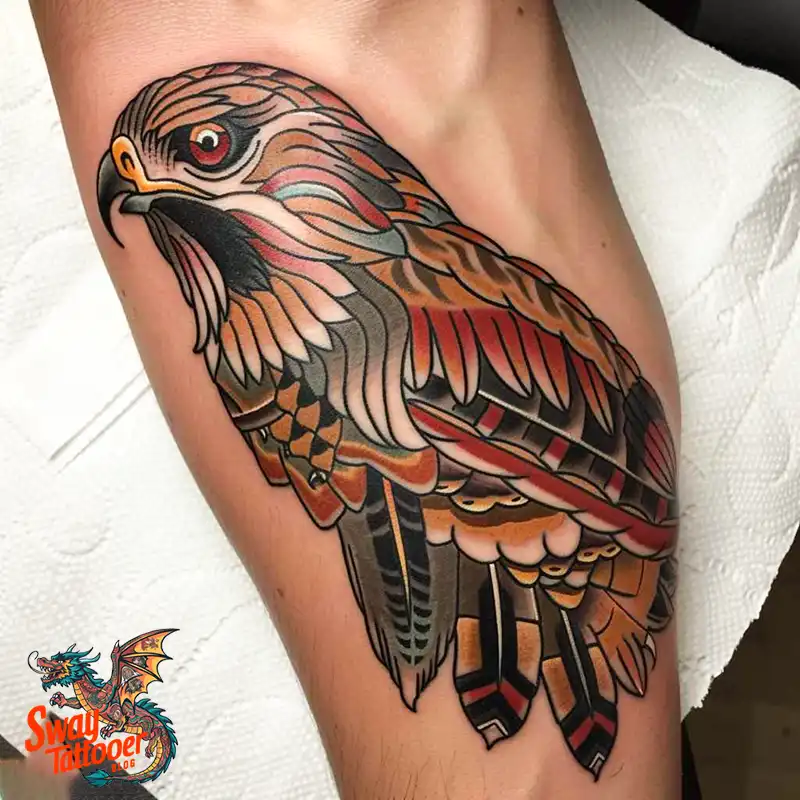
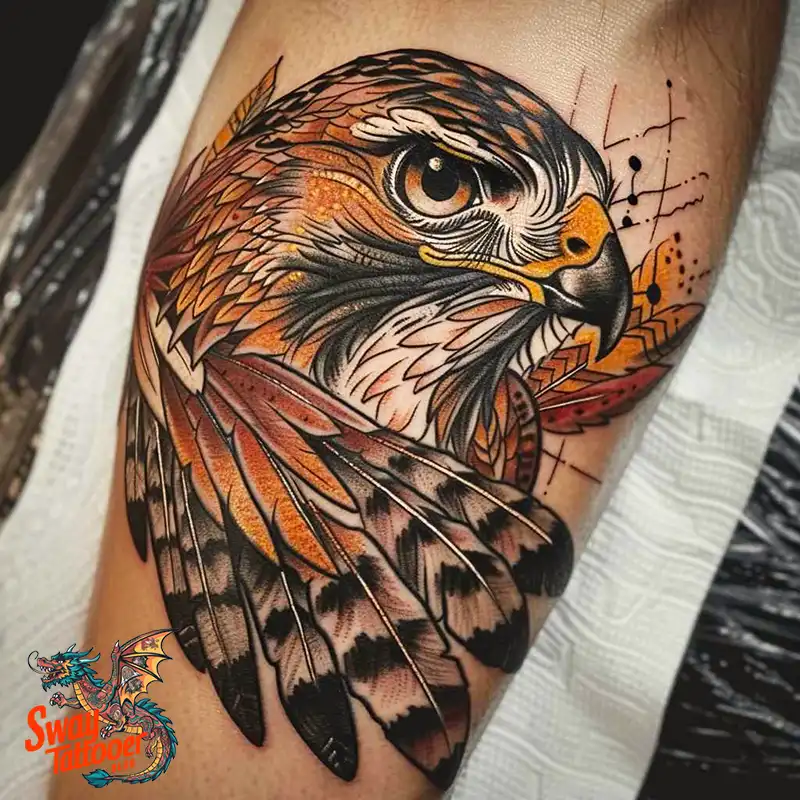
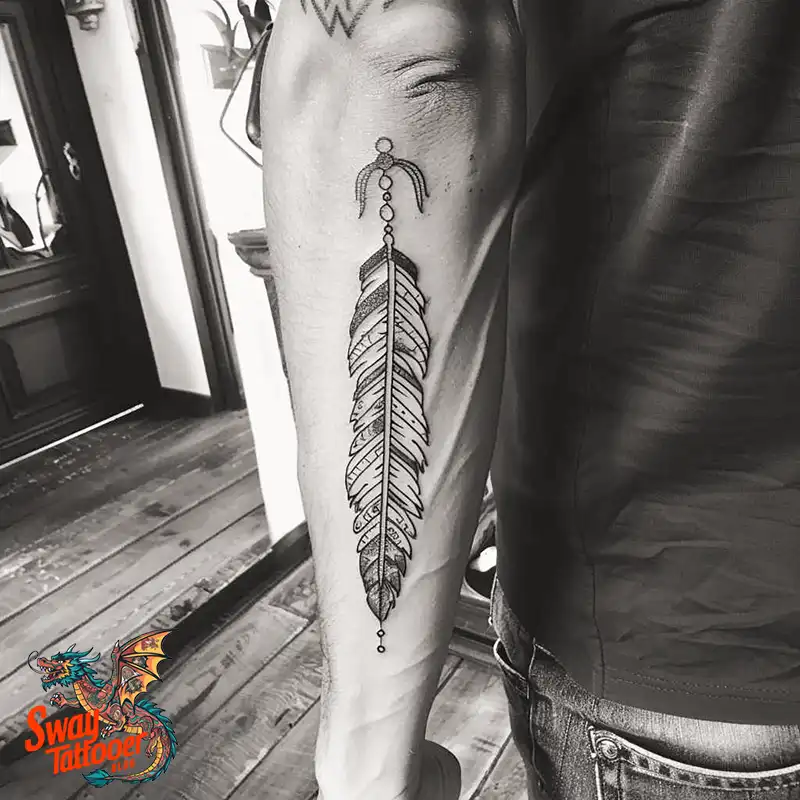
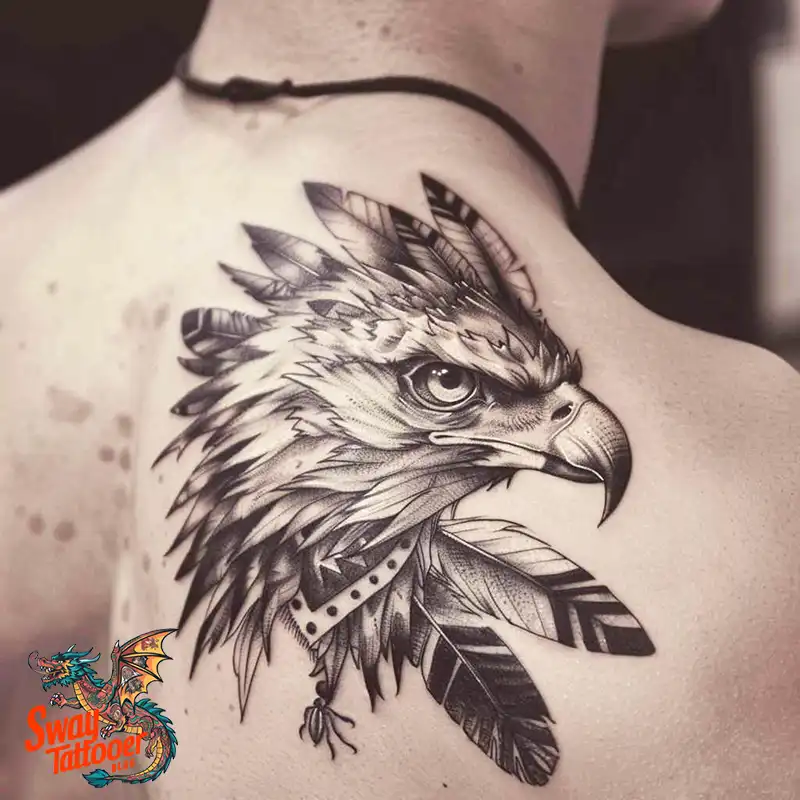
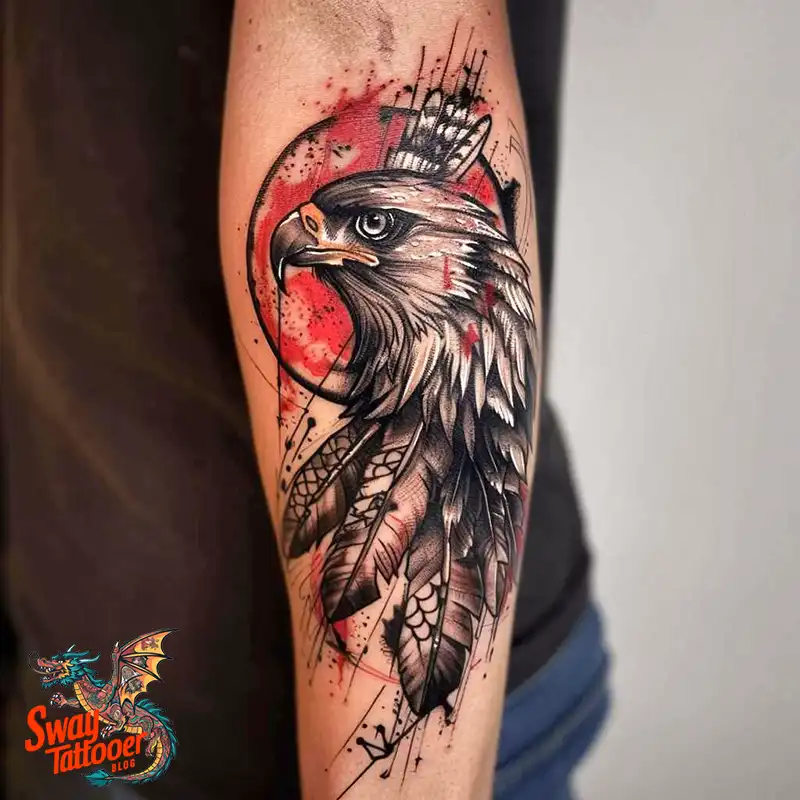
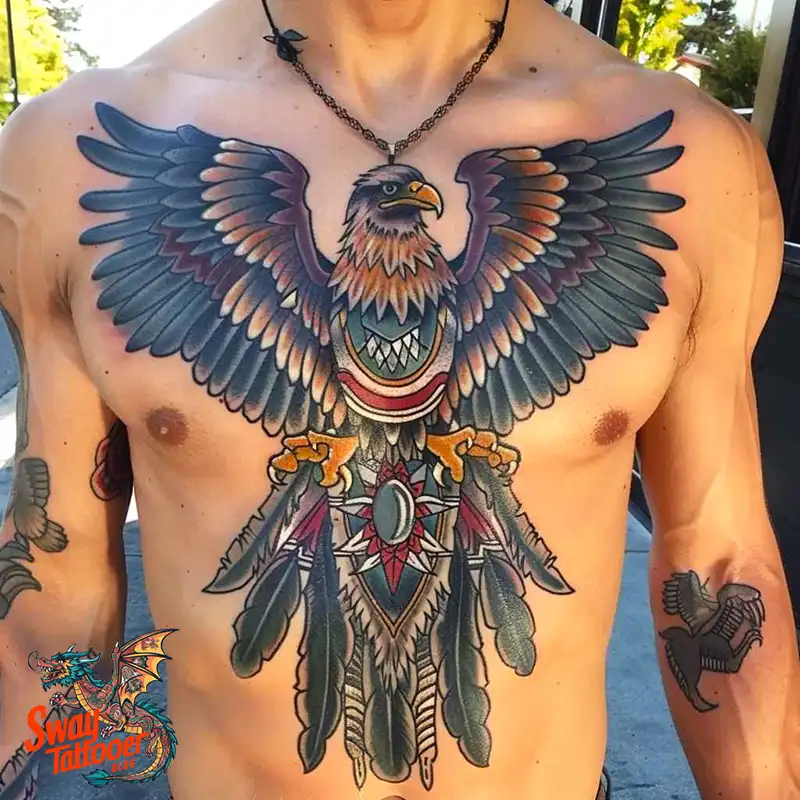
- The Eagle and Feather: The eagle is seen as the strongest and bravest of all birds. Its feather is a sacred gift from the Creator. It means trust, honor, strength, and freedom. Feathers were earned for great bravery, not just for looks.
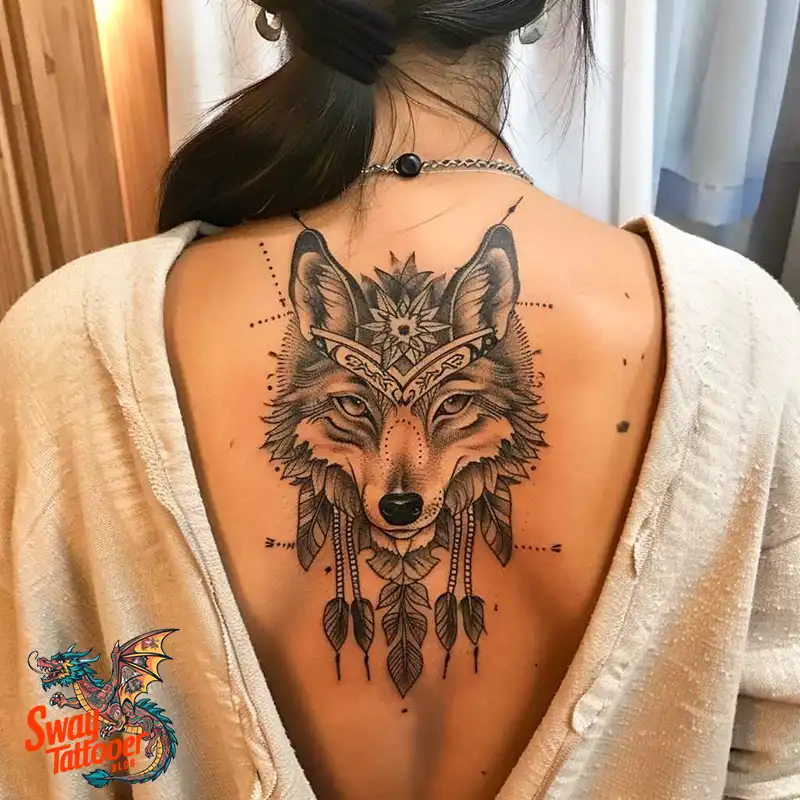
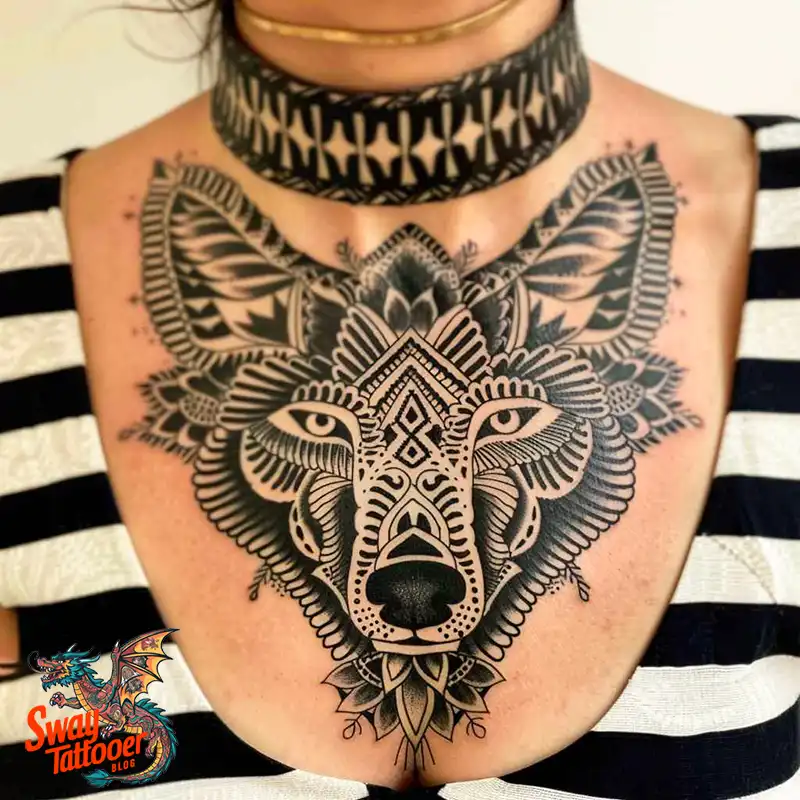
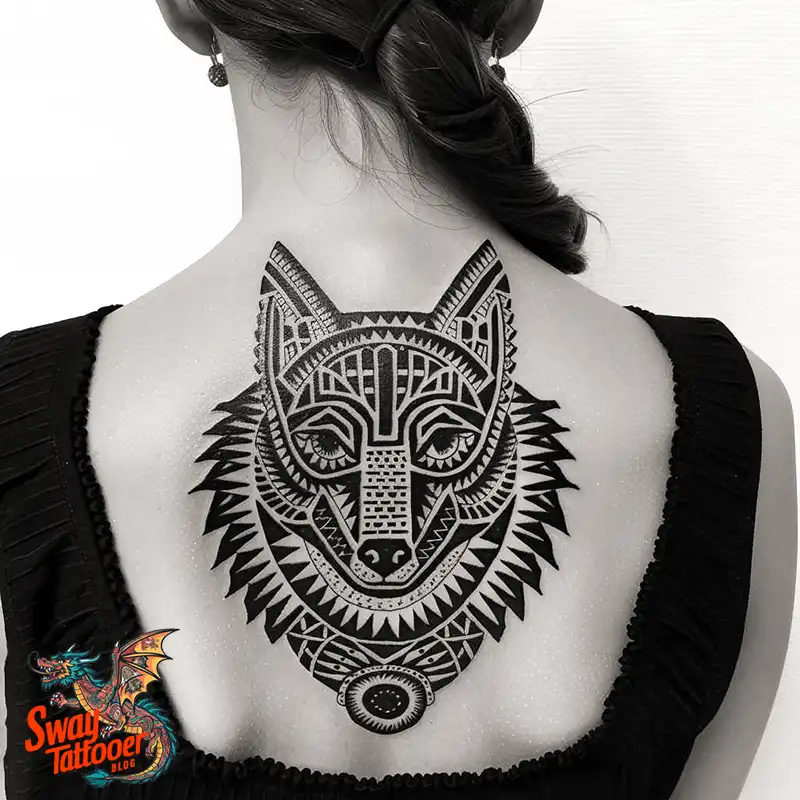
- The Wolf: The wolf is a powerful sign of loyalty, protection, and strong family bonds.
- The Bear: The bear means great strength, courage, and wisdom. Bear claws symbolize raw power and defense.

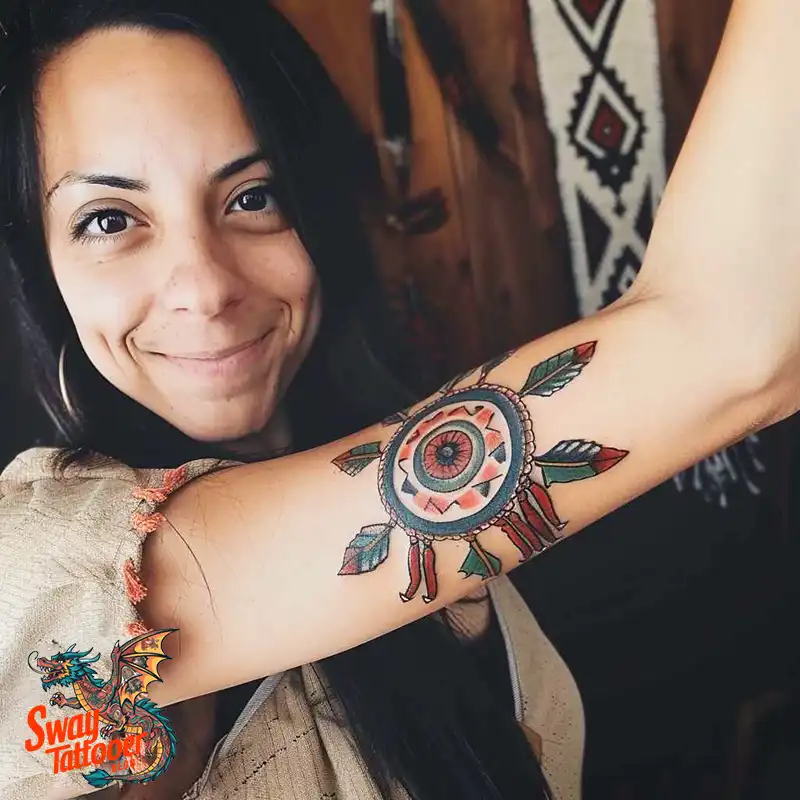
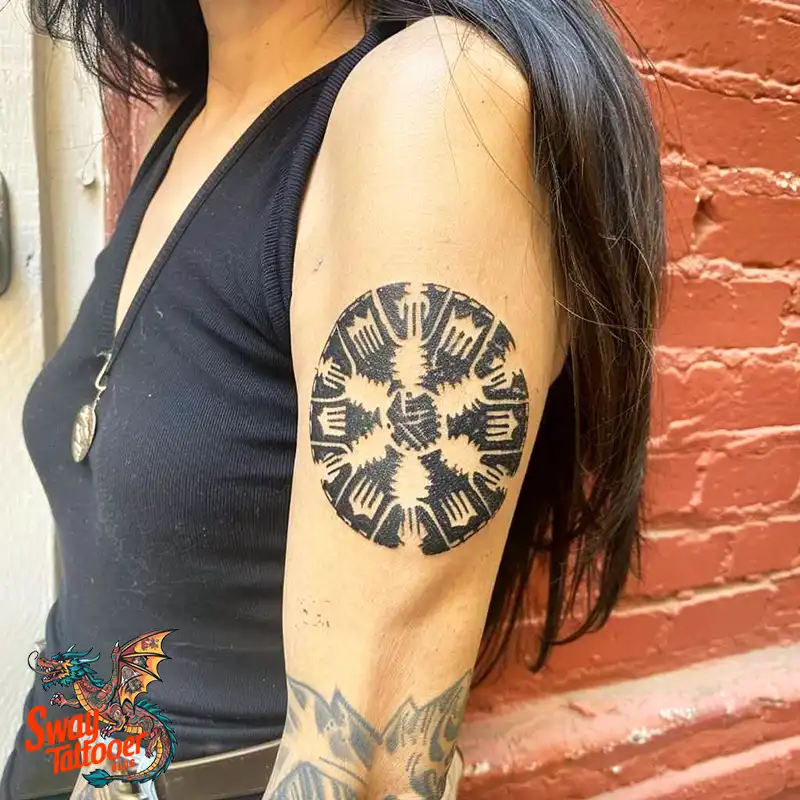
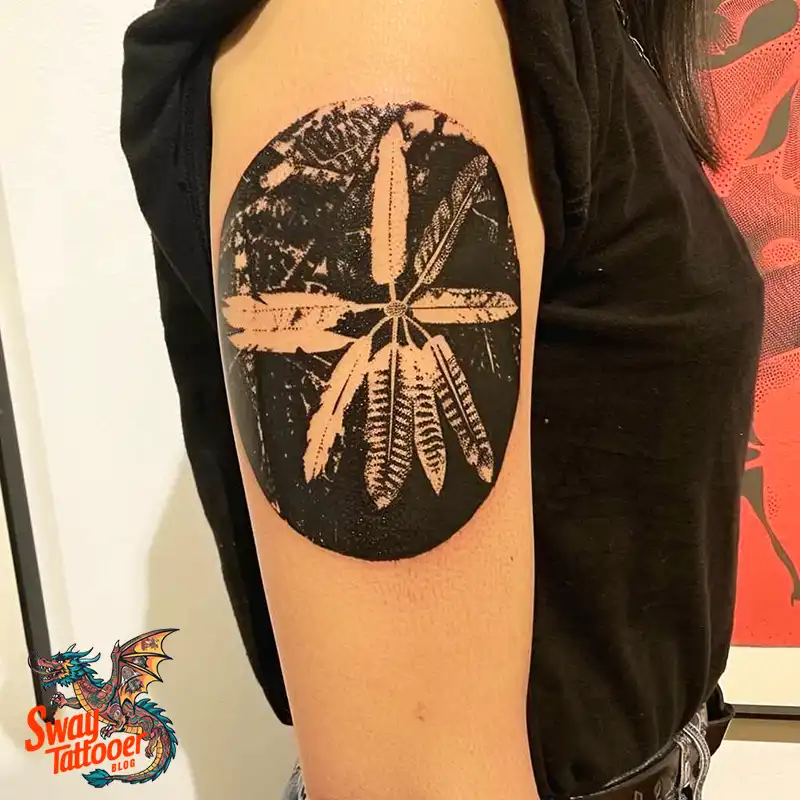
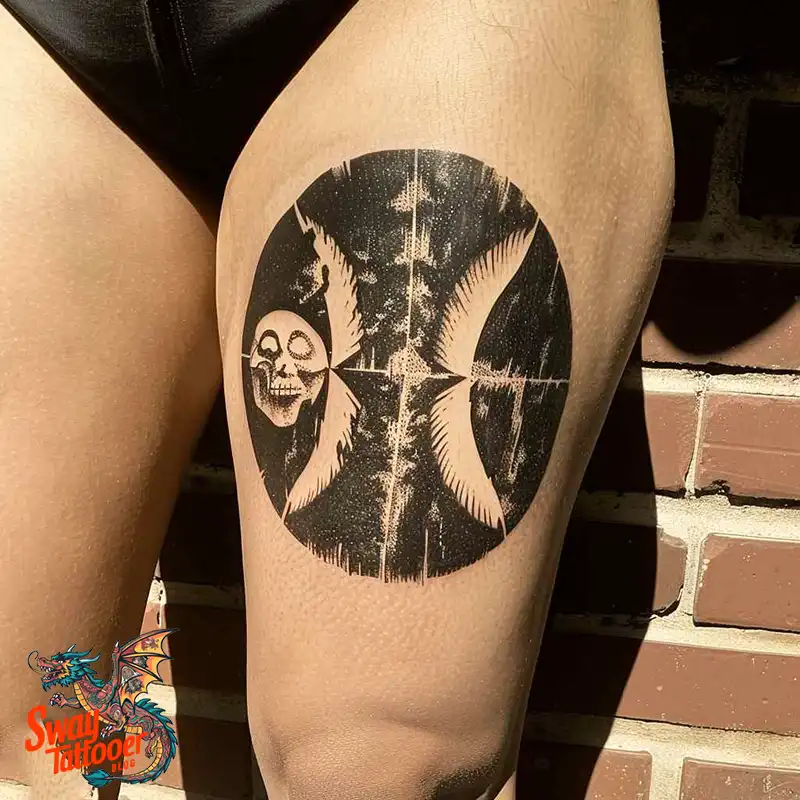
Geometric Symbols of Life, Unity, and Defense
More abstract designs often hold deep spiritual meaning.
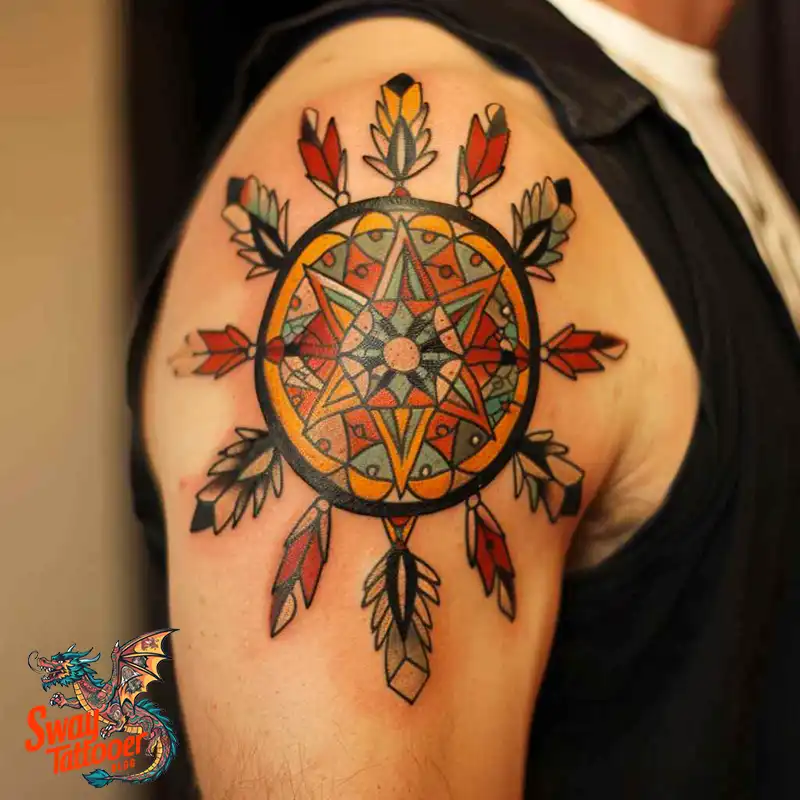
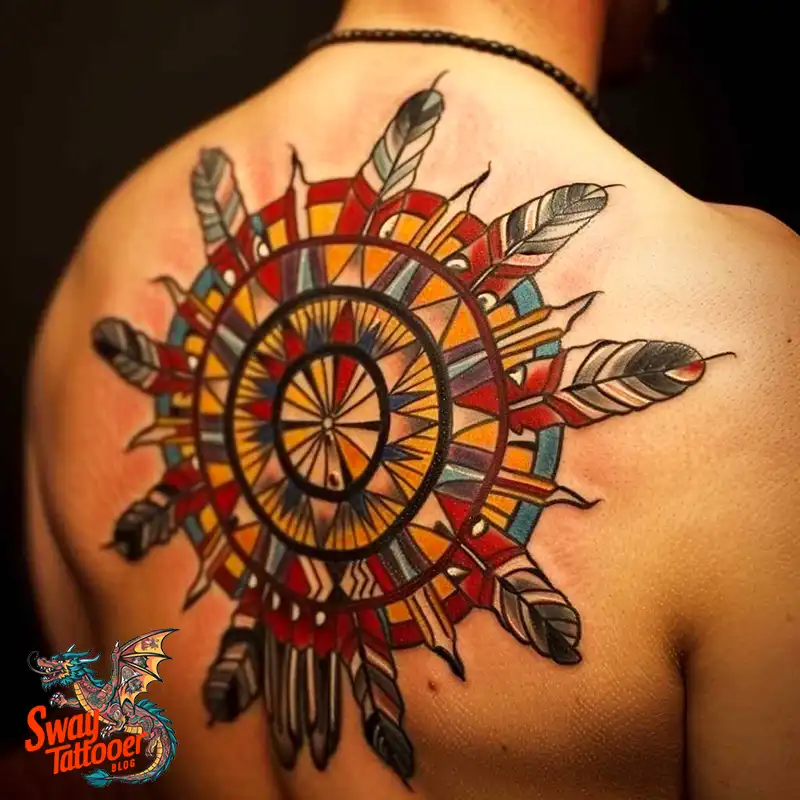
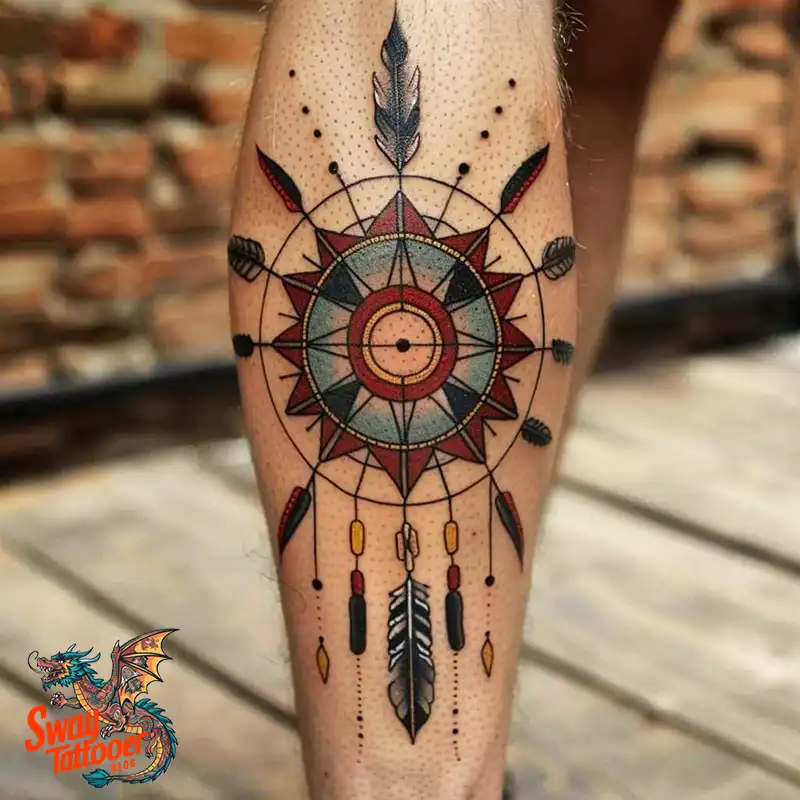
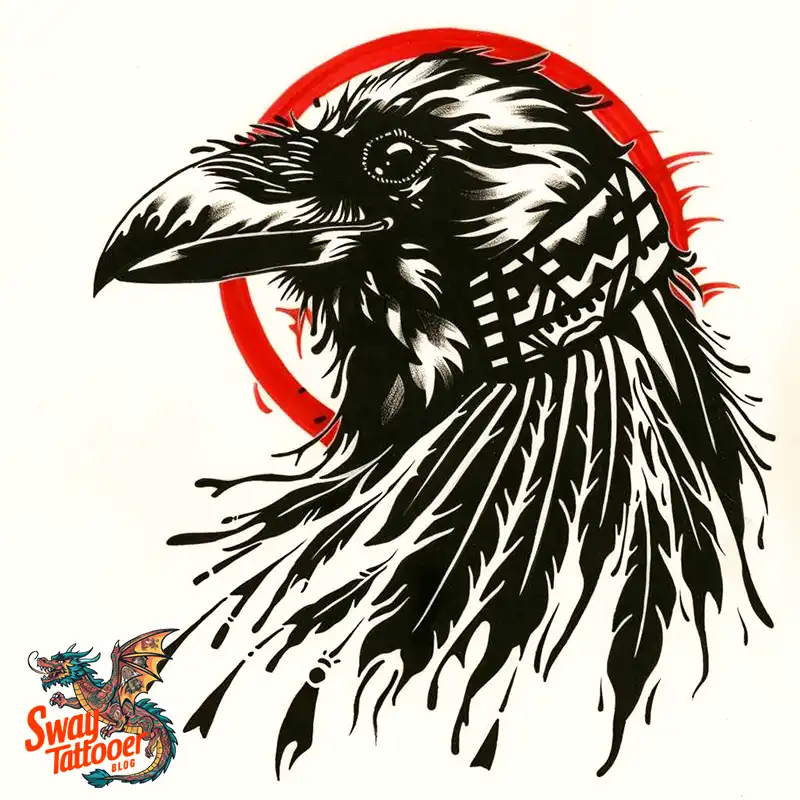
- The Sacred Circle: This symbol represents wholeness, the cycle of life, and the entire universe. It promotes stability and harmony.
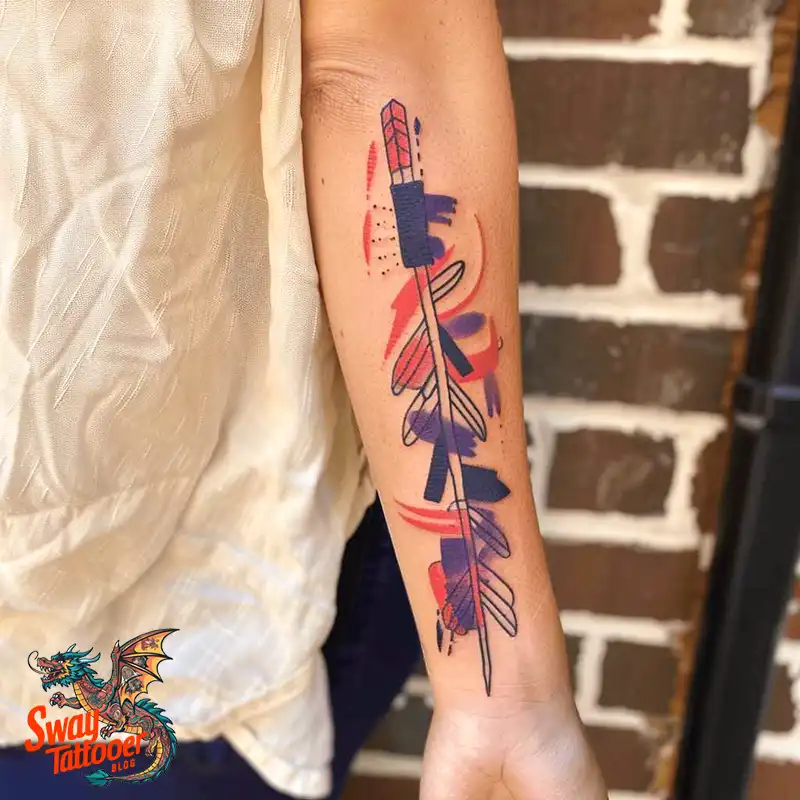
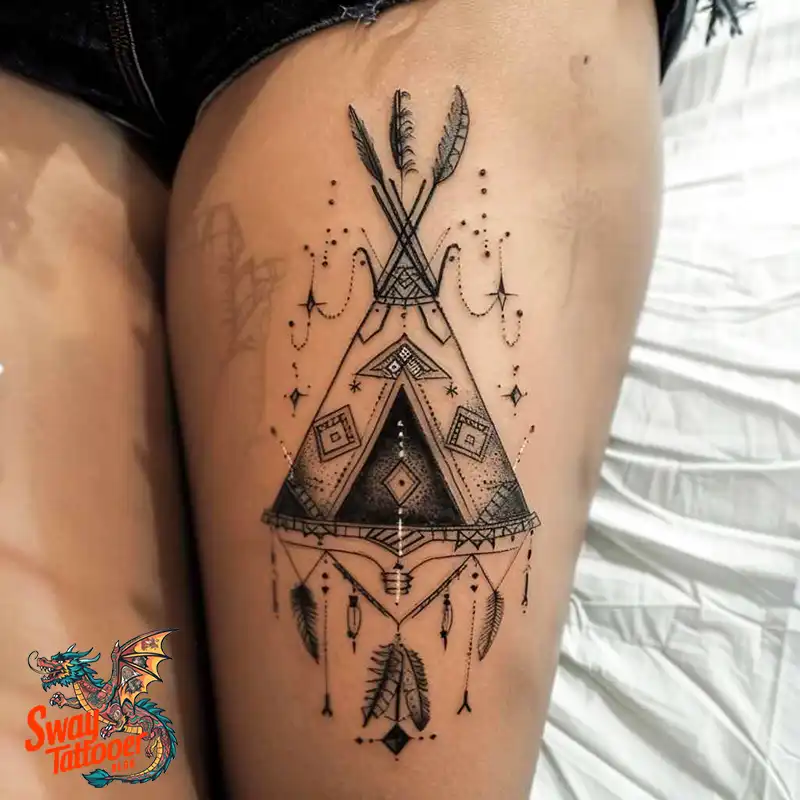
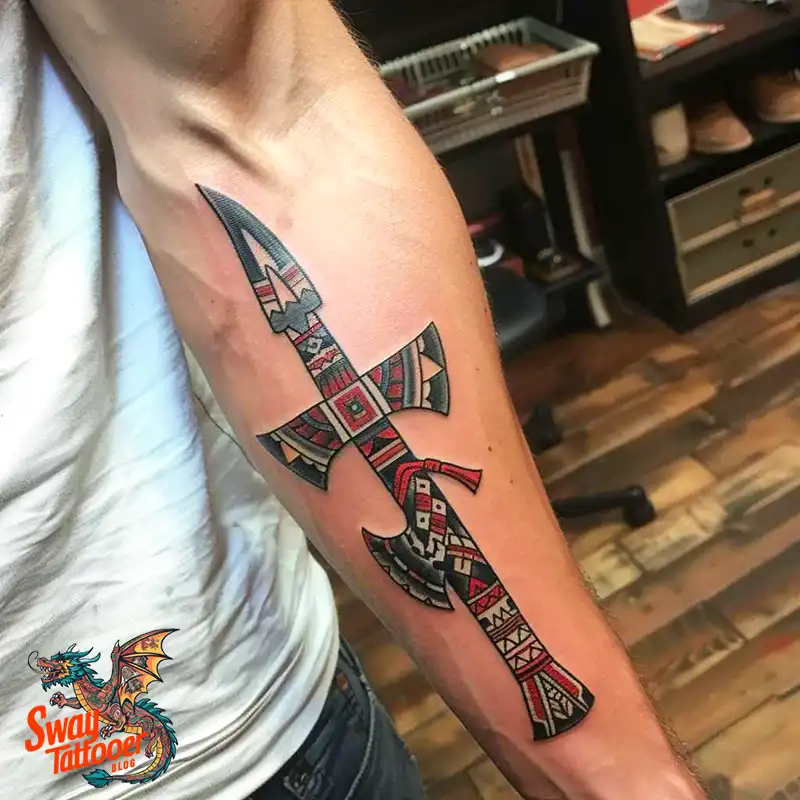
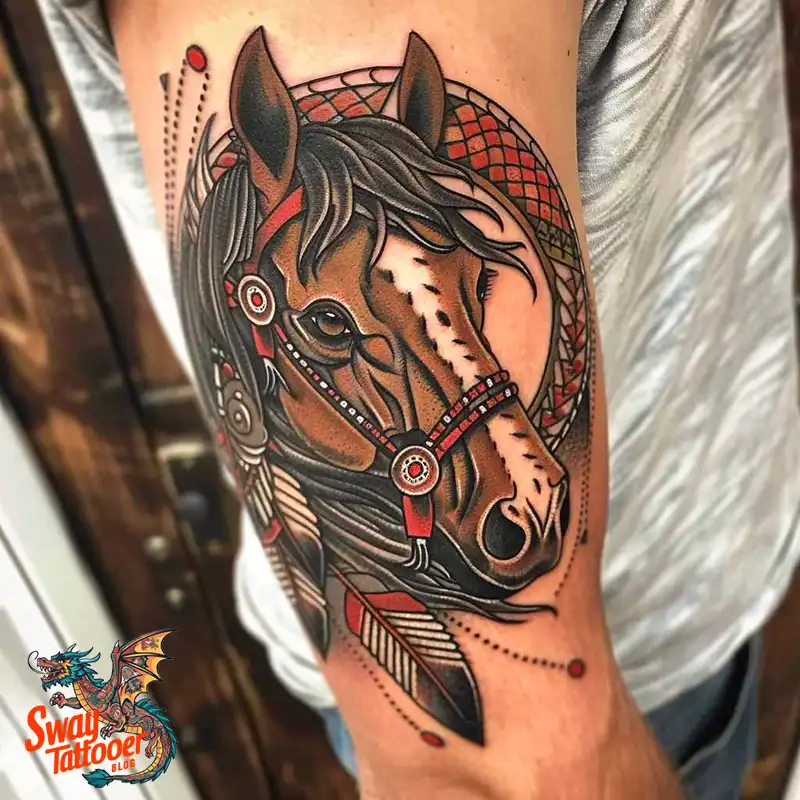
- The Arrow and Protection: The arrow is used to protect the home, family, and tribe.
- A Single Arrow means defense and protection.
- Crossed Arrows mean friendship.
- An arrow Pointing Down means peace.
Style Types, Placement, and The Aesthetic Trap:
The execution style of a tattoo is critically important. It serves as a key factor in the discussion of cultural appropriation. The choice of how a symbol is drawn can decide if it is seen as respectful or as cultural theft.
Contrasting Style Types and Ethical Weight
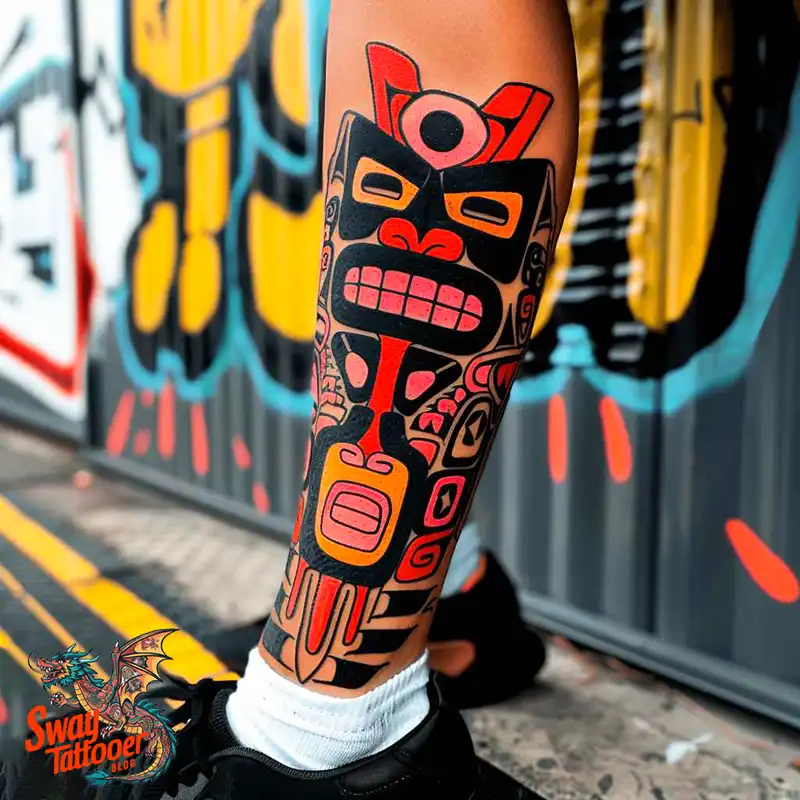
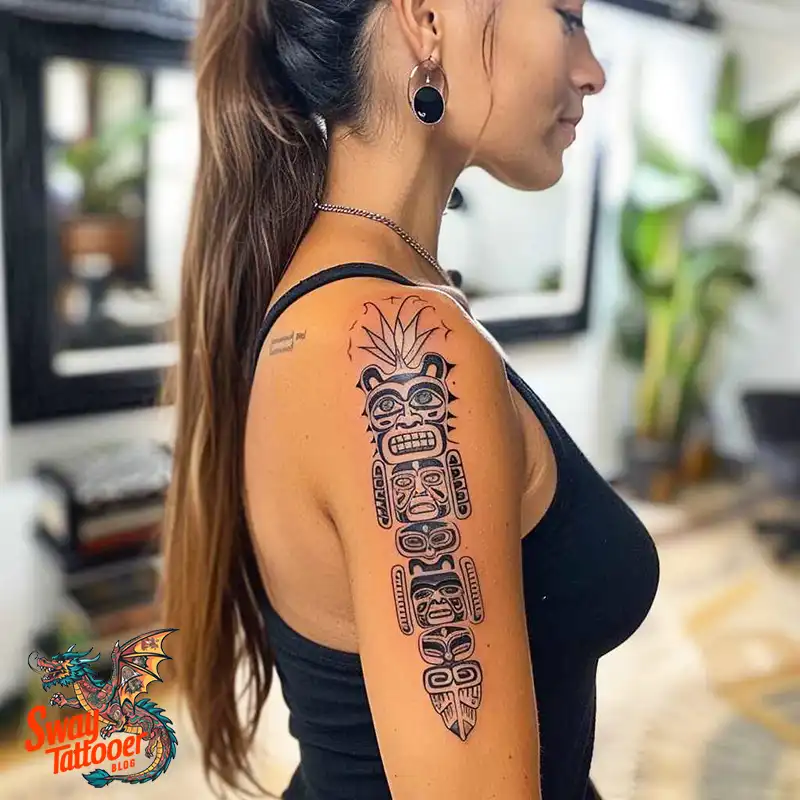
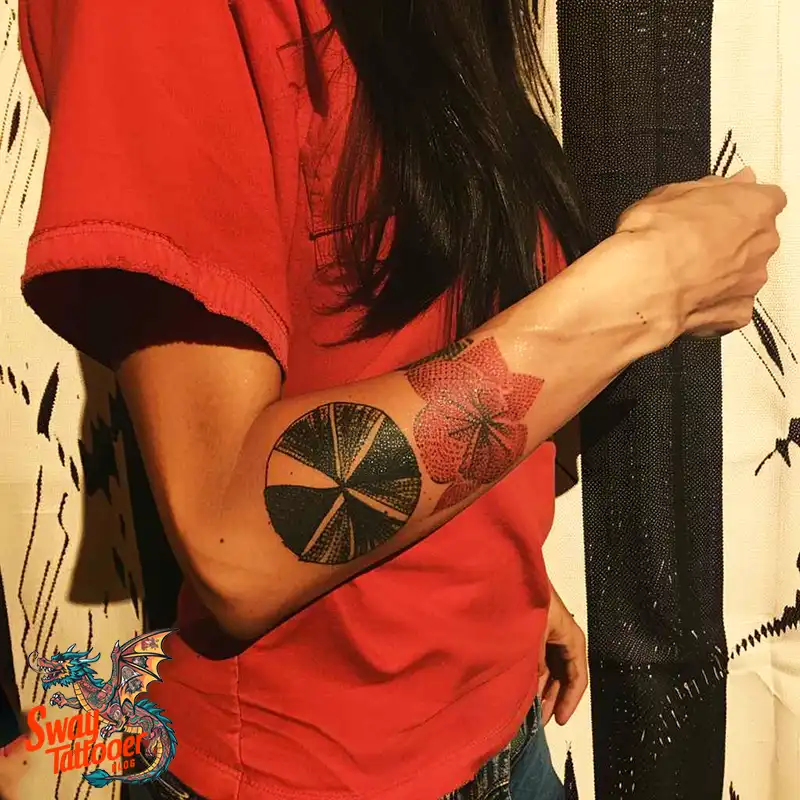
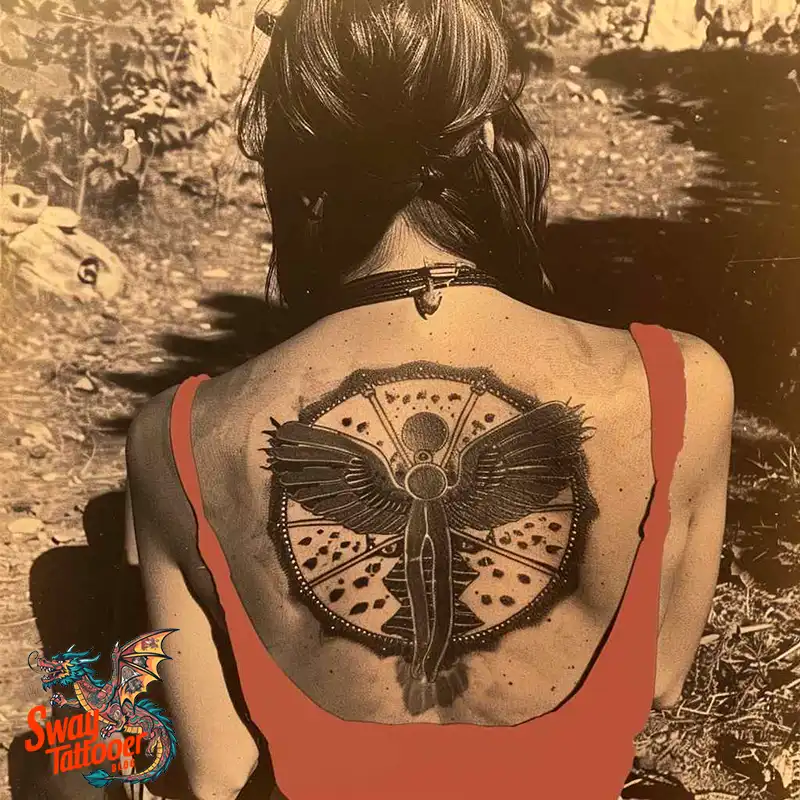
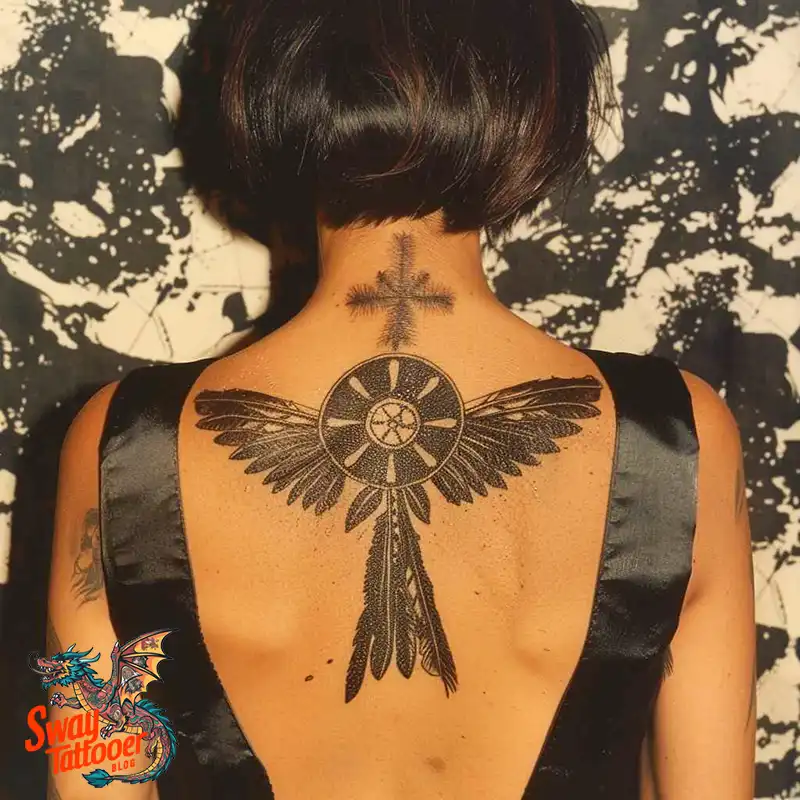
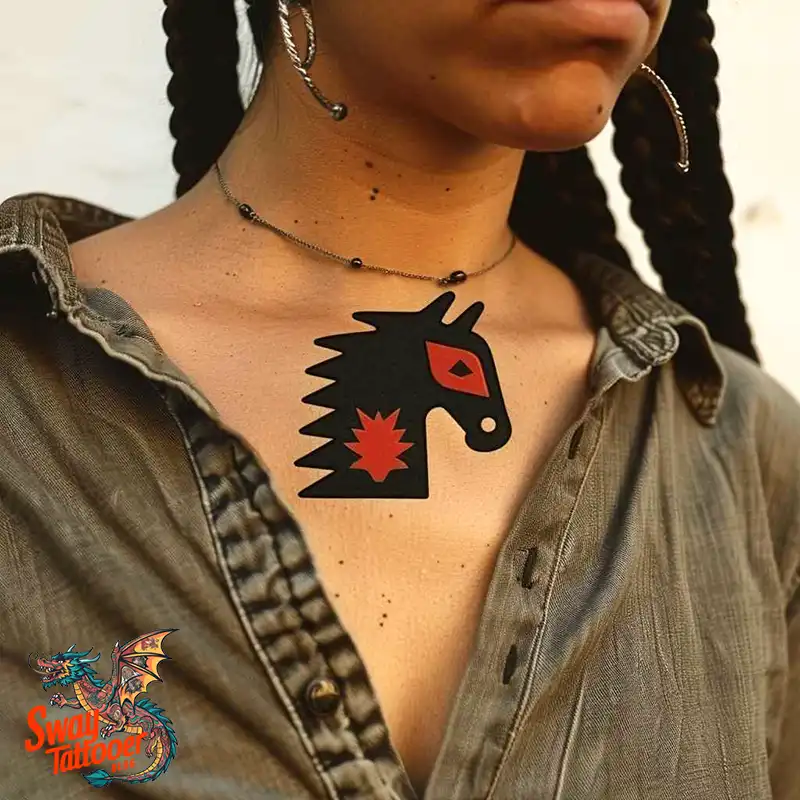
- The Problem with Old Patterns: Traditional tattoos used specific geometric patterns, bold lines, and black ink. These lines were used to show tribal affiliation and family lineage. If a non-Native person copies these specific patterns, they are copying a design that represents a family they do not belong to. This is considered inappropriate.
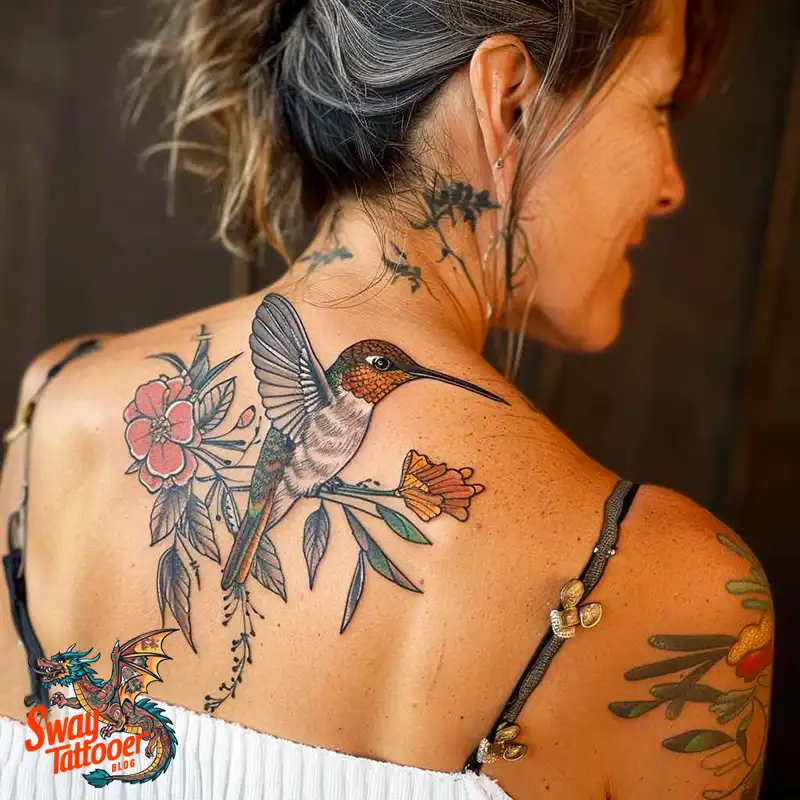
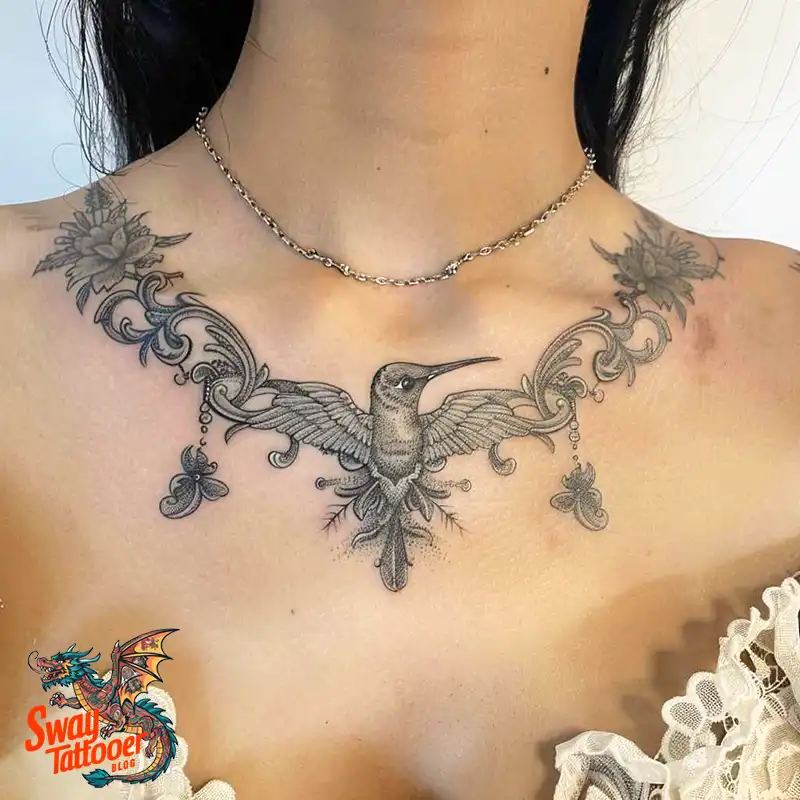
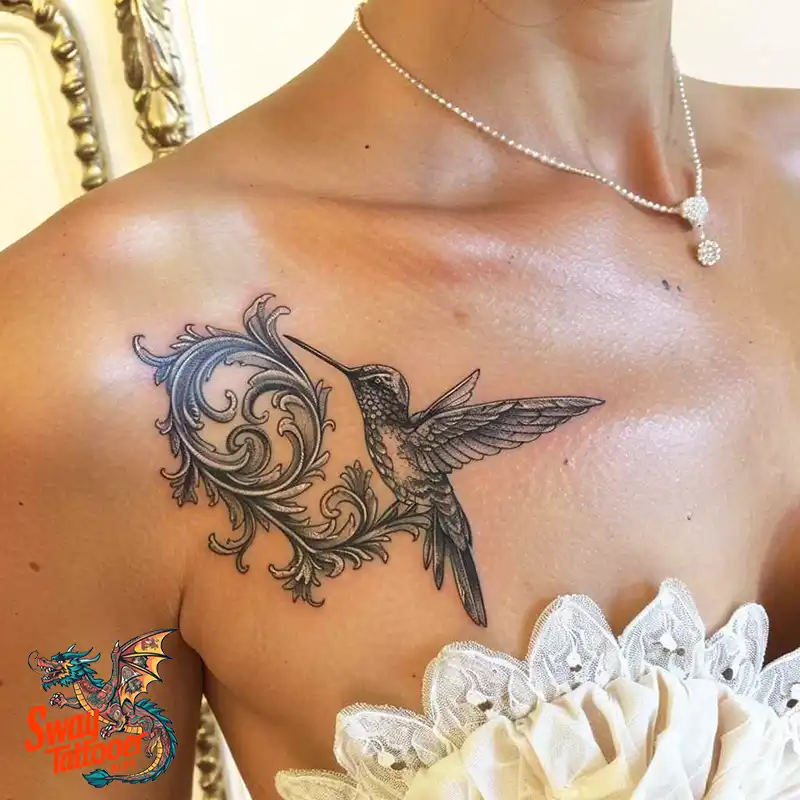
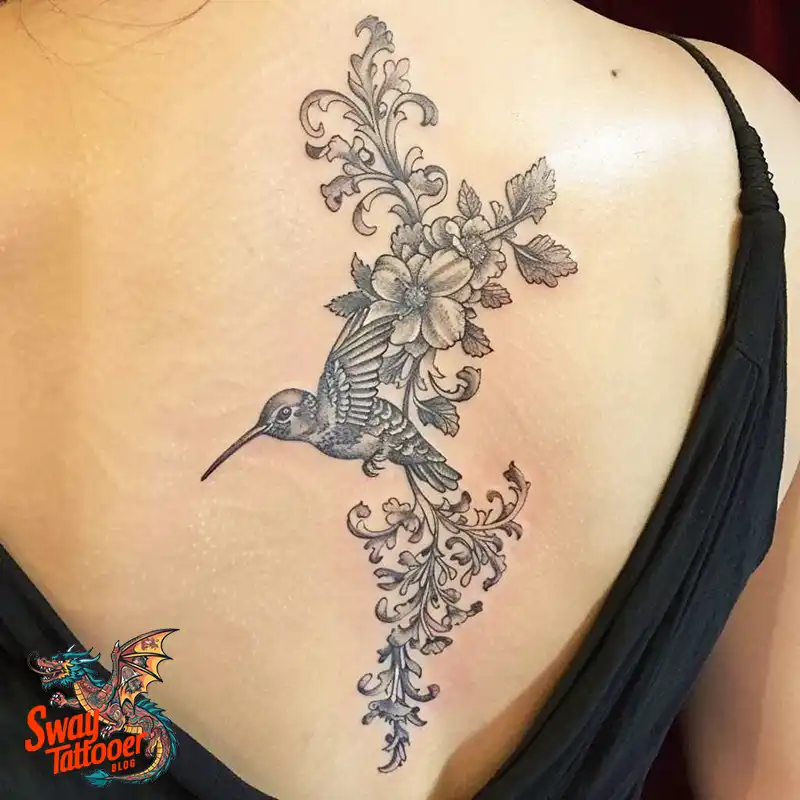
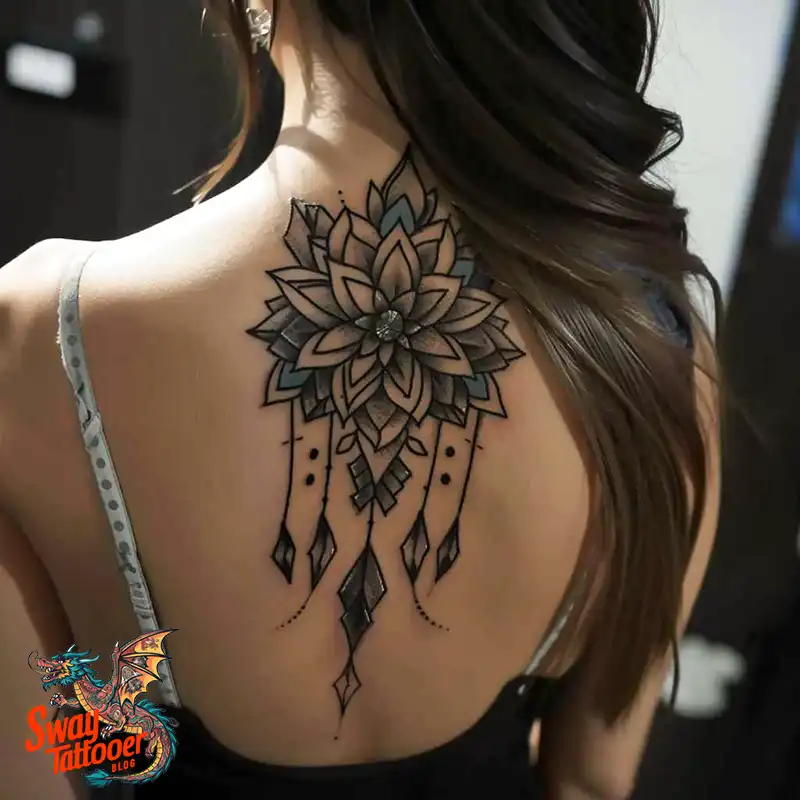
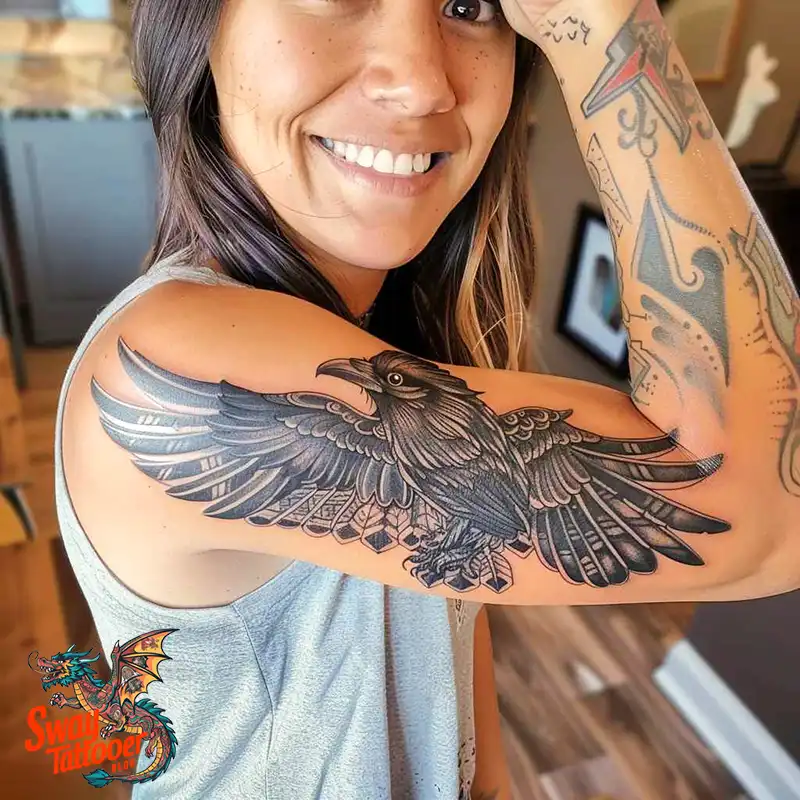
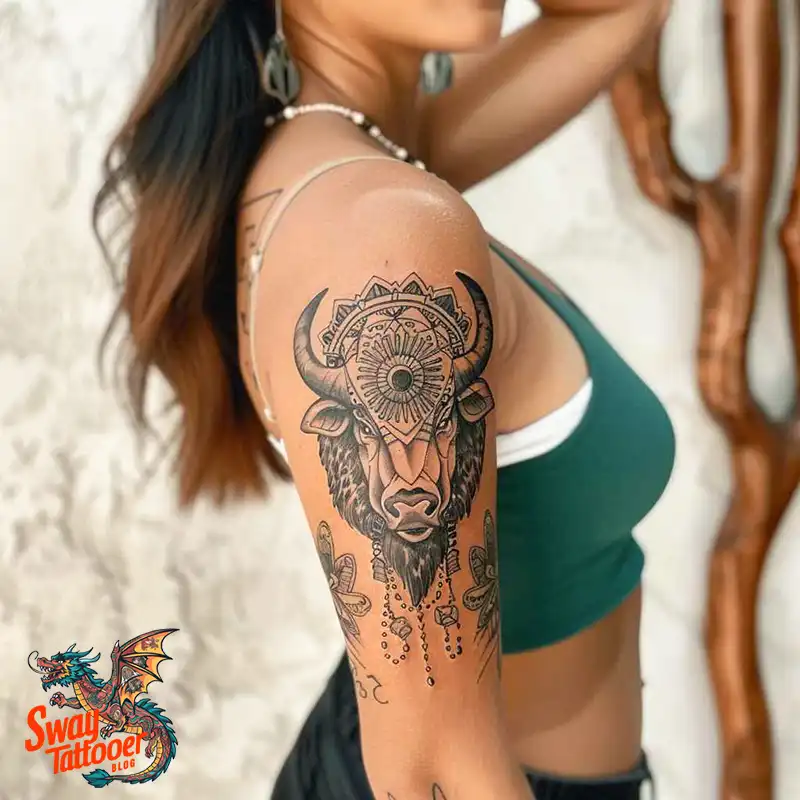
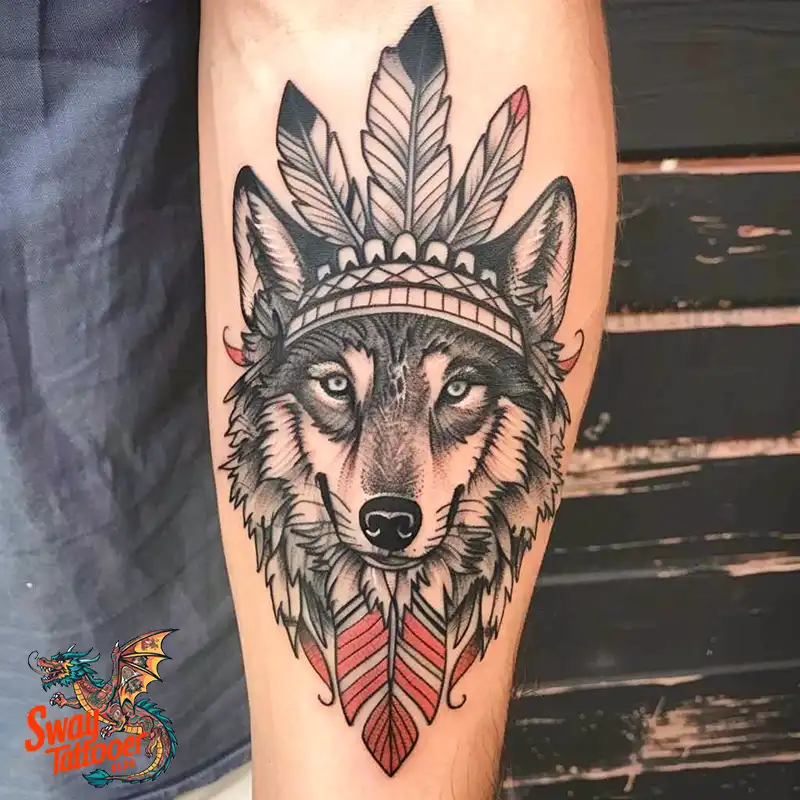
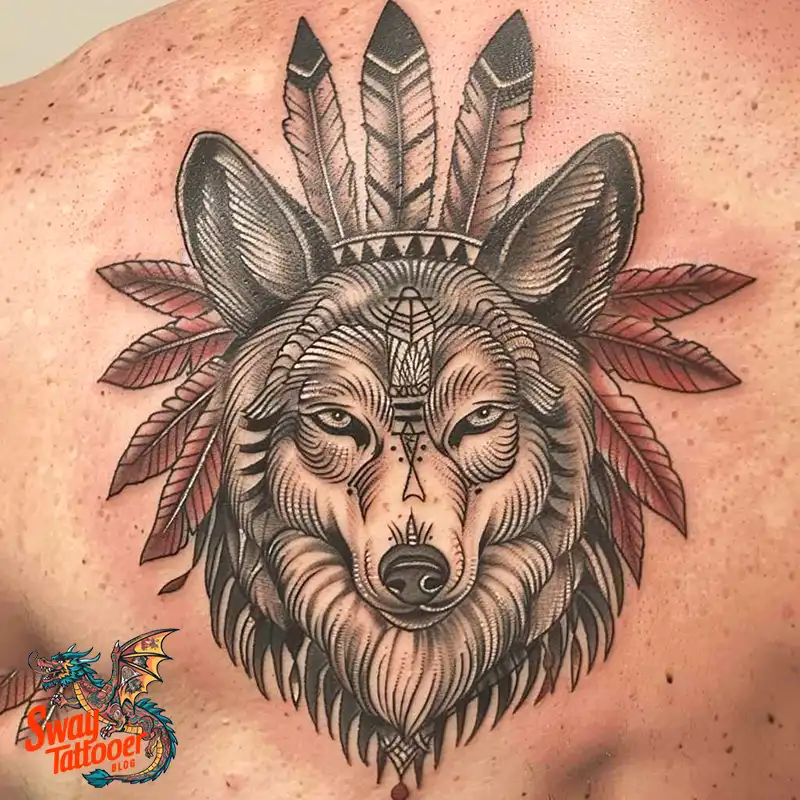
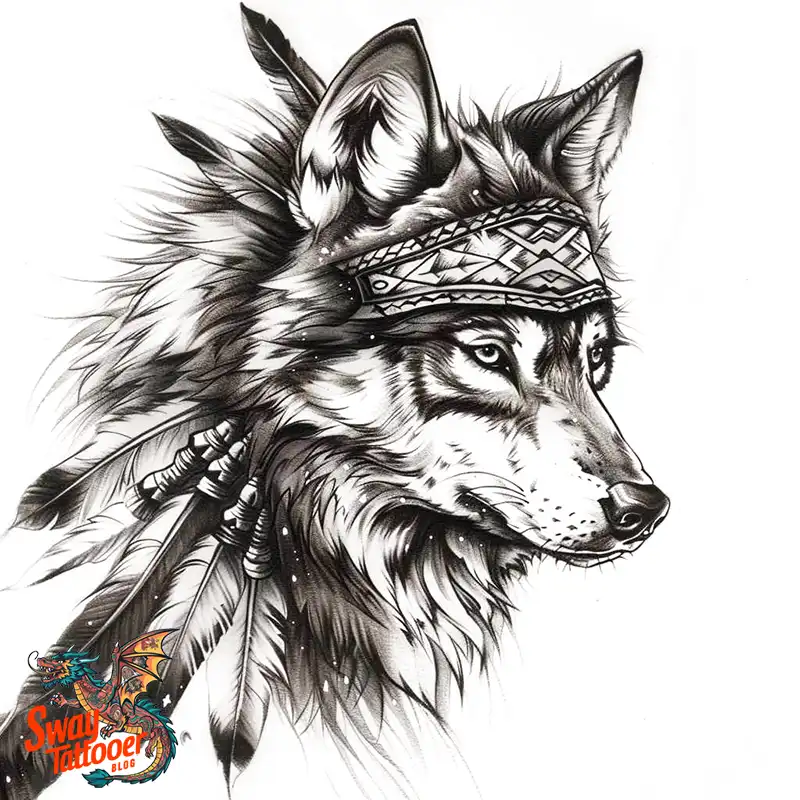
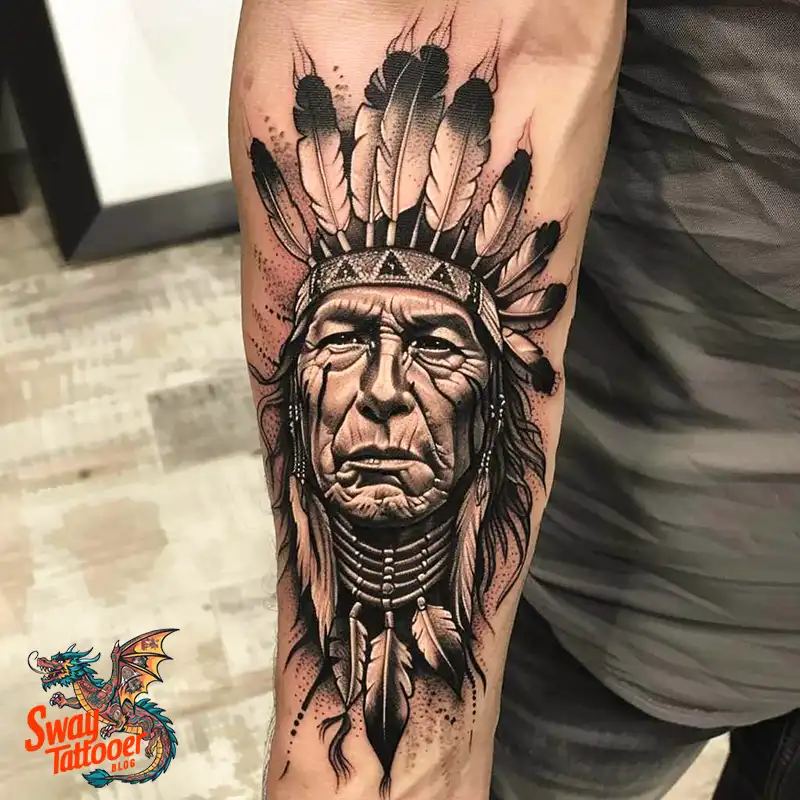
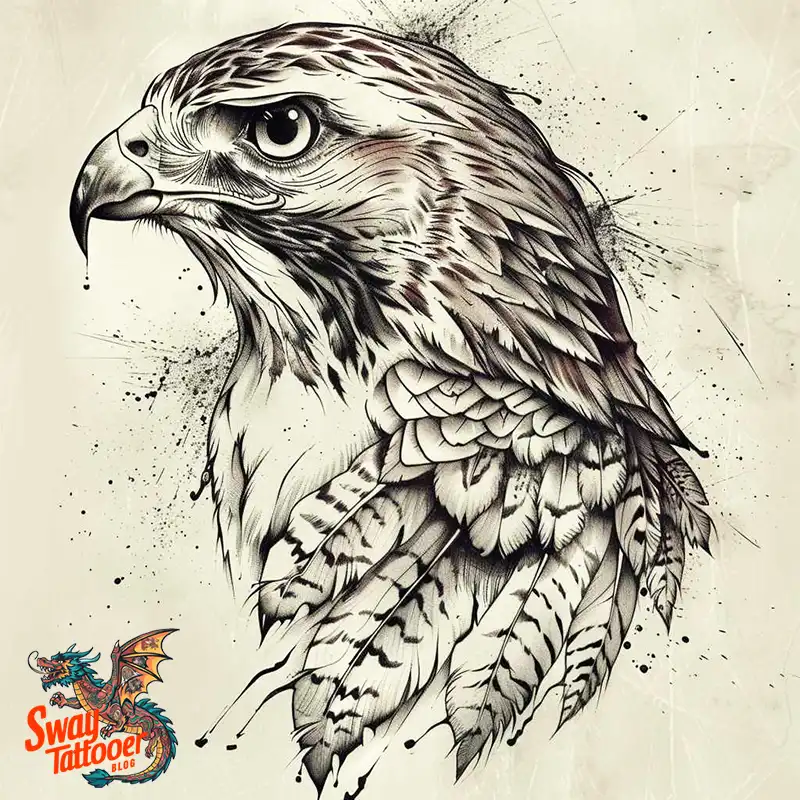
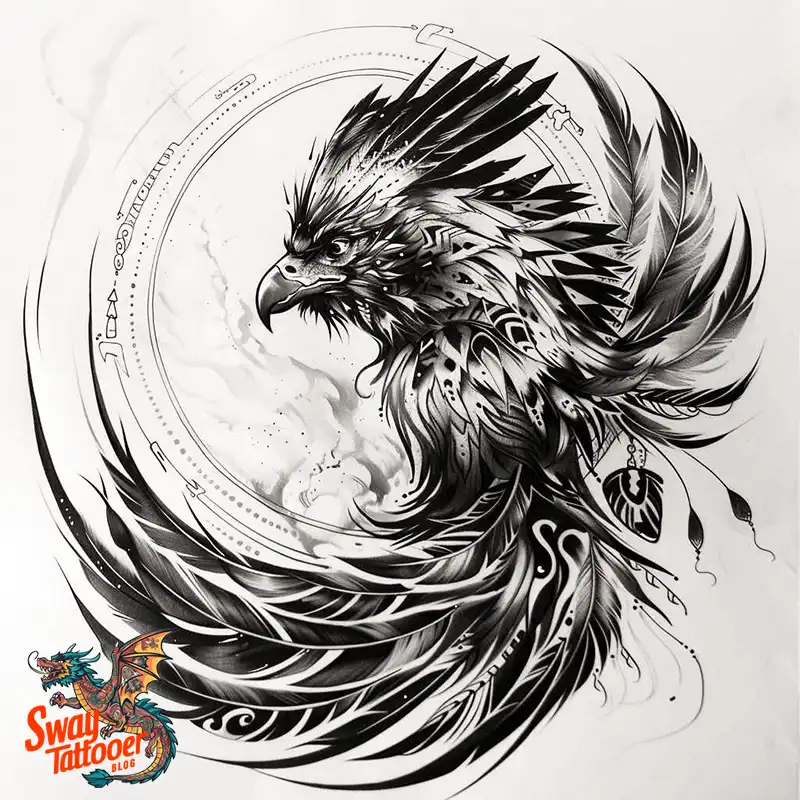
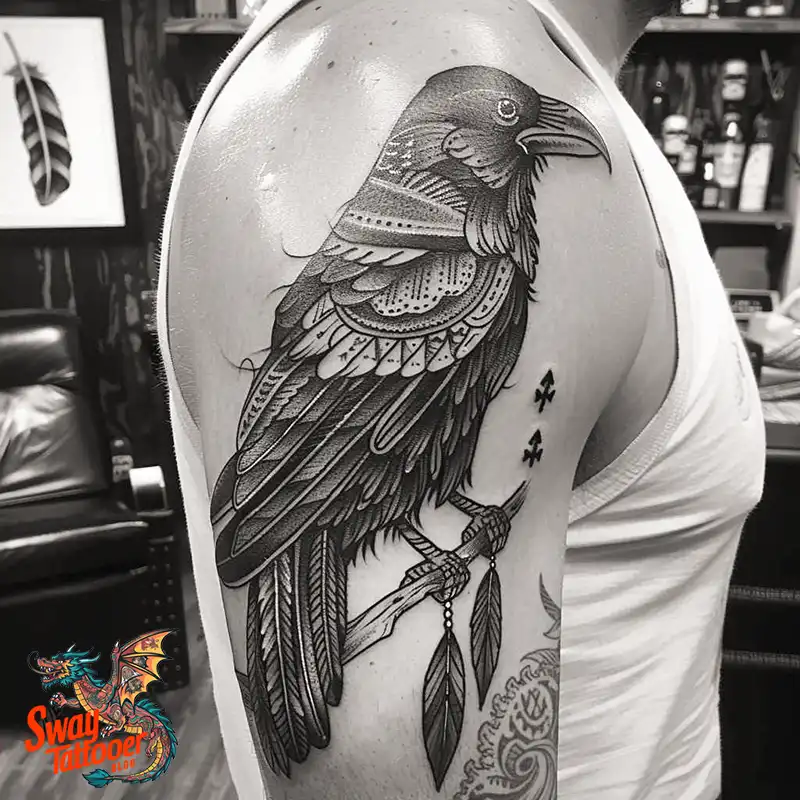
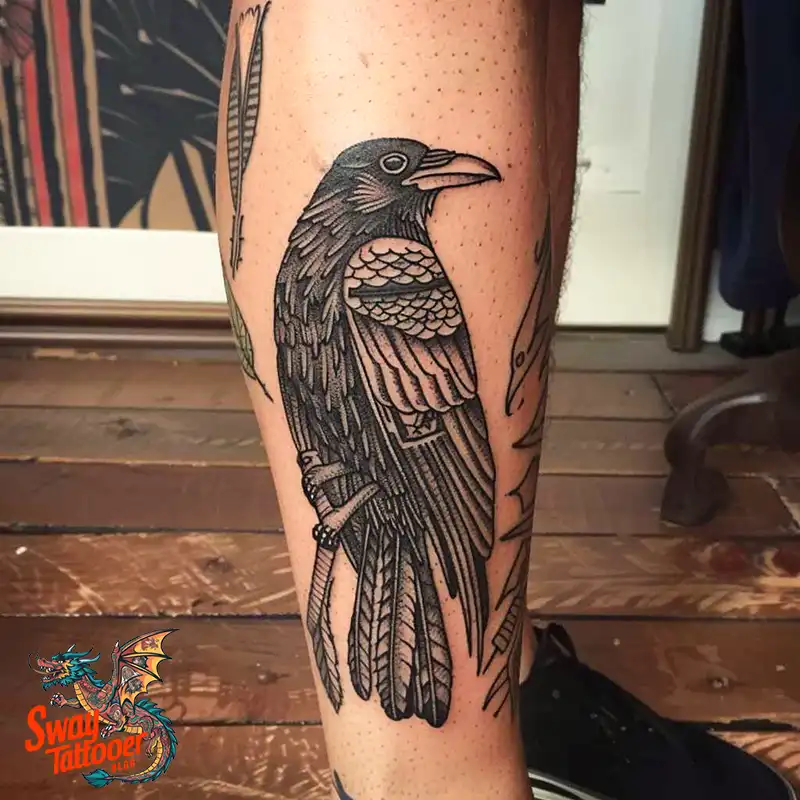
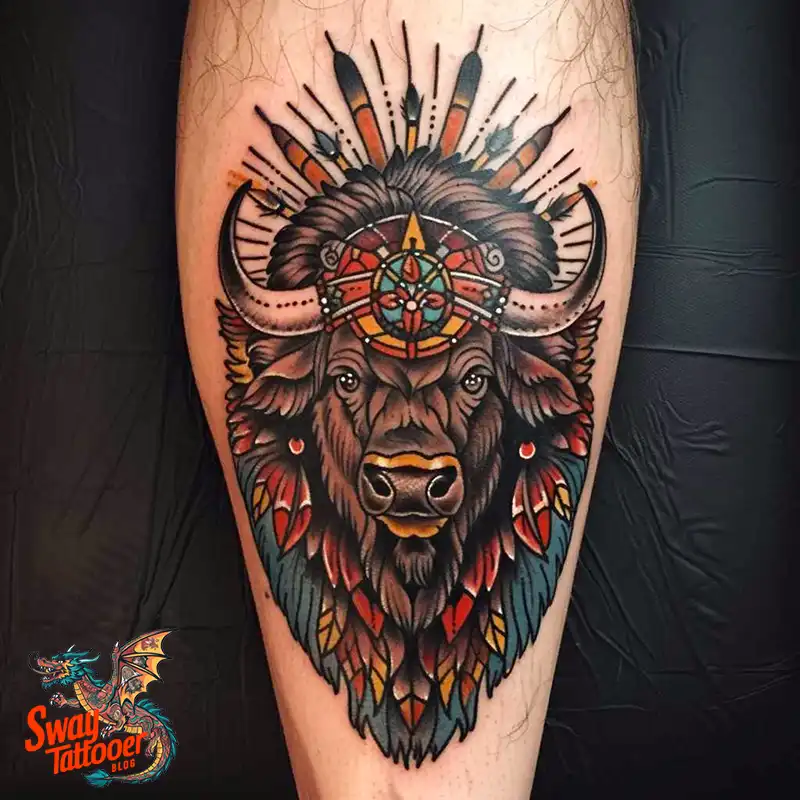
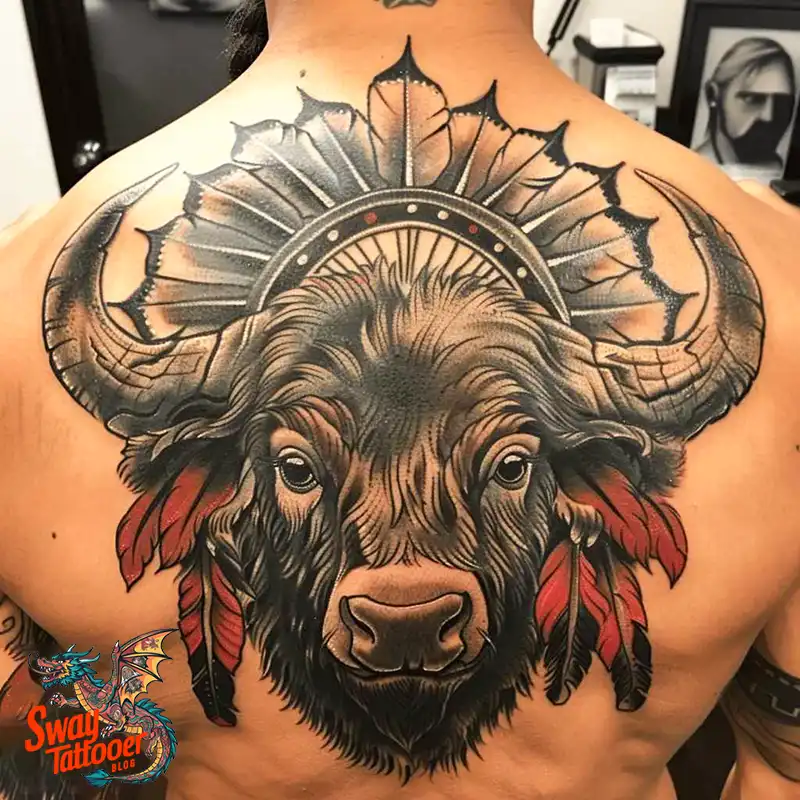
- The Safer Style (Realism): Many people choose Black and Grey Realism for animal portraits (wolf, eagle, bear). This is generally the ethically safer choice for non-Natives. Realism focuses on artistic skill and shading. It honors the animal’s universal meaning (like strength or wisdom) without claiming a specific tribal lineage.






Placement and Its Significance
The place you choose for the tattoo must reinforce the meaning of the art.
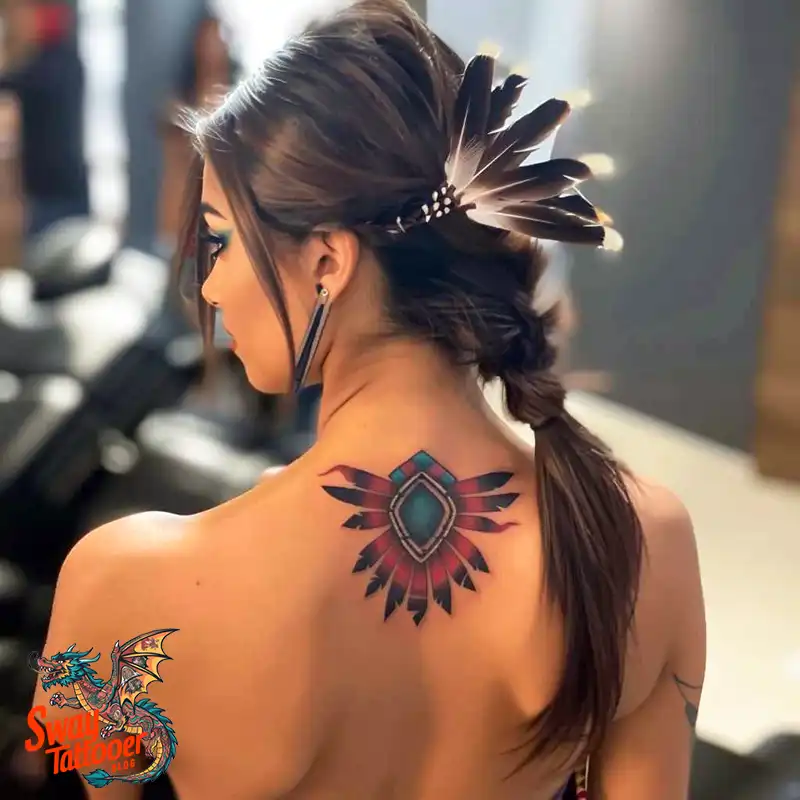
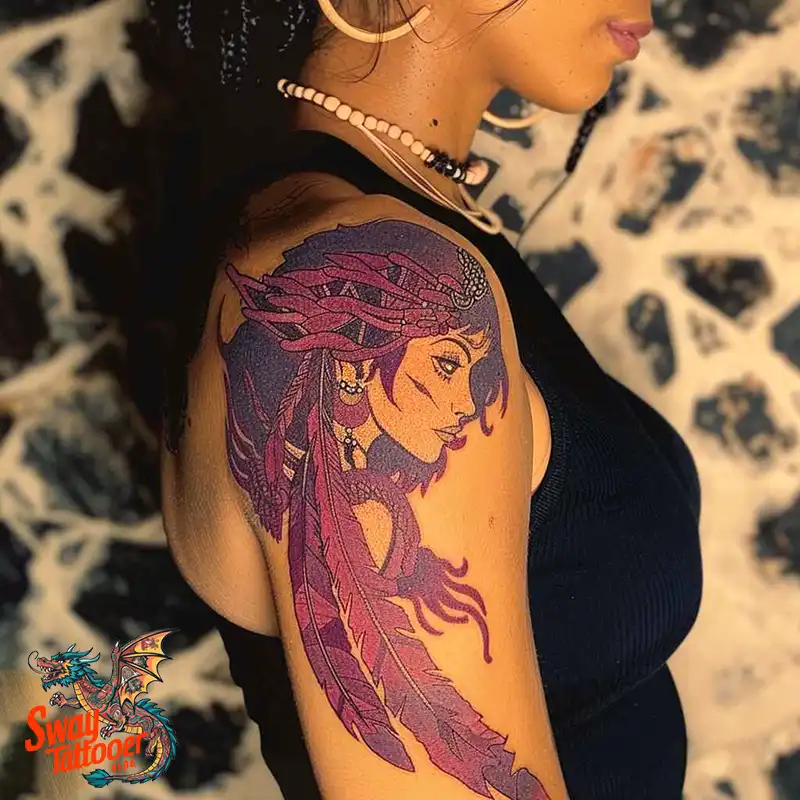
- Spiritual Growth: Placing a feather tattoo on the back or shoulder may mean a desire for spiritual growth or a strong connection to the spiritual world.
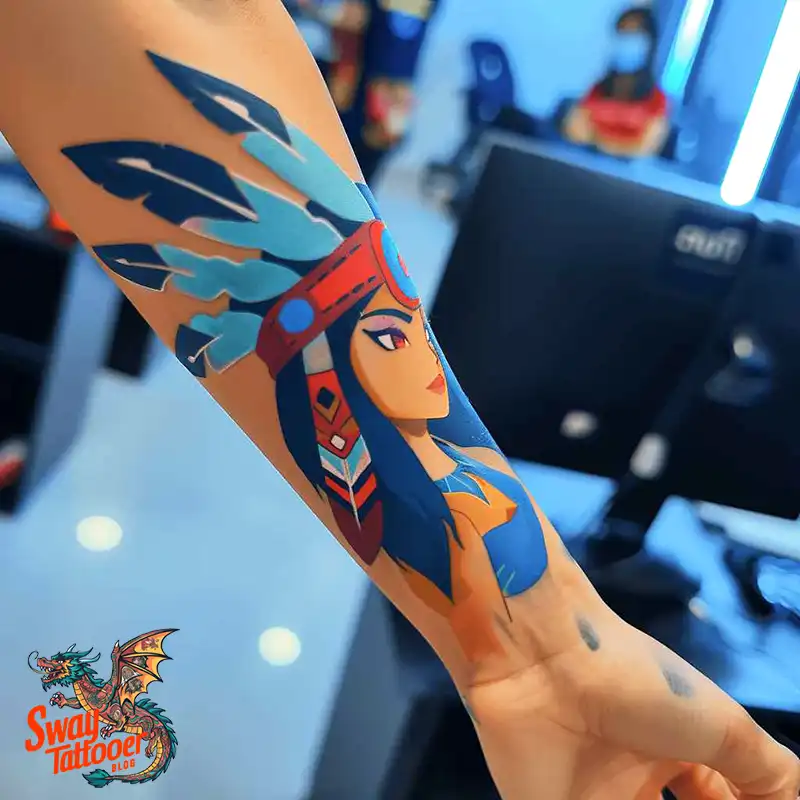
- Freedom and Independence: Placing the tattoo on the wrist or forearm often symbolizes personal freedom and independence.
Placement, Pain, and Financial Investment
The location affects the pain you feel. This also influences the total cost. Areas with thin skin, less fat, and many nerve endings usually hurt the most.
| Body Location | Pain Level | Design Suitability & Implications | Reason for High Pain |
| Rib Cage | High to Severe | Ideal for large, sweeping designs; requires high endurance. | Thin skin, little muscle, and many exposed nerve endings. |
| Spine | High to Severe | Suitable for vertical feather designs; symbolizes spiritual alignment. | Proximity of the spinal cord and dense nerve endings. |
| Hands/Fingers | High to Severe | Used for small, potent symbols; requires careful healing due to movement. | Many bones, tendons, and nerve endings close to the surface. |
| Forearm/Calf | Low to Moderate | Excellent for detailed realism (e.g., animal portraits) due to better padding. | Adequate tissue and lower nerve sensitivity. |
Artists may charge higher rates for tattoos in highly sensitive areas like the ribs or hands. They recognize the increased difficulty and time needed for the precision required for detailed work.


The Ethical Imperative:
For those seeking Native American tattoos, ethical accountability is the most important foundation of the entire process. The decision to permanently mark yourself with another culture’s symbols requires research and respect.
Restricted and Sacred Symbols:
Some symbols are so sacred or restricted that their use by non-Natives is deeply inappropriate and disrespectful:
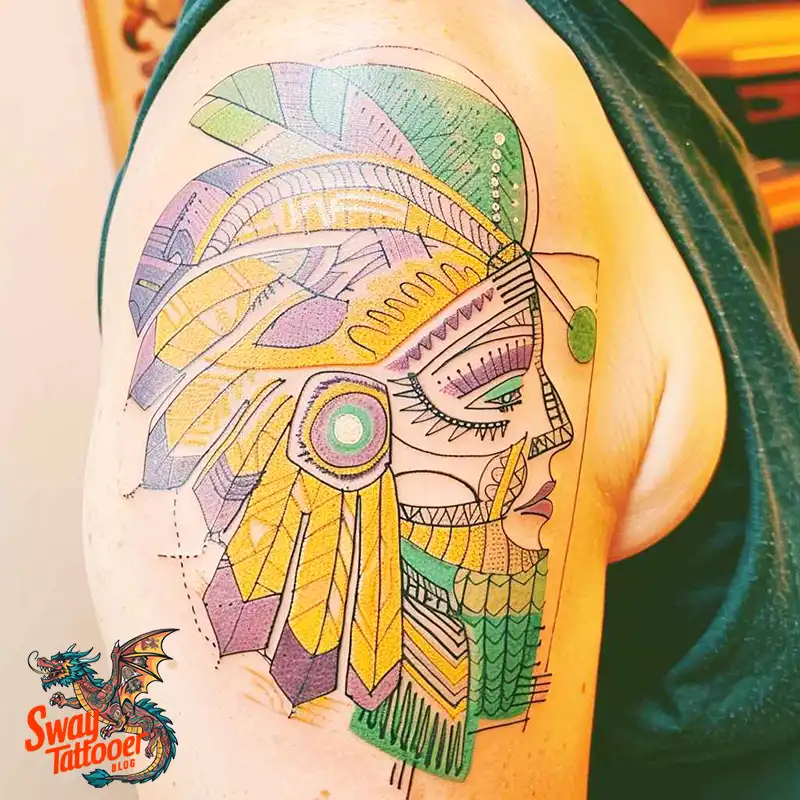
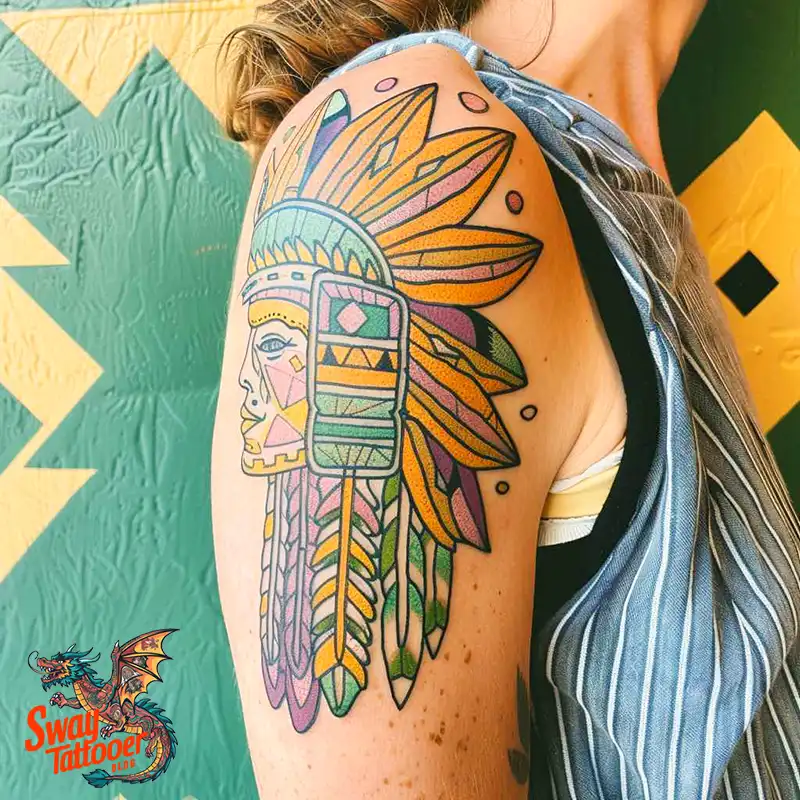
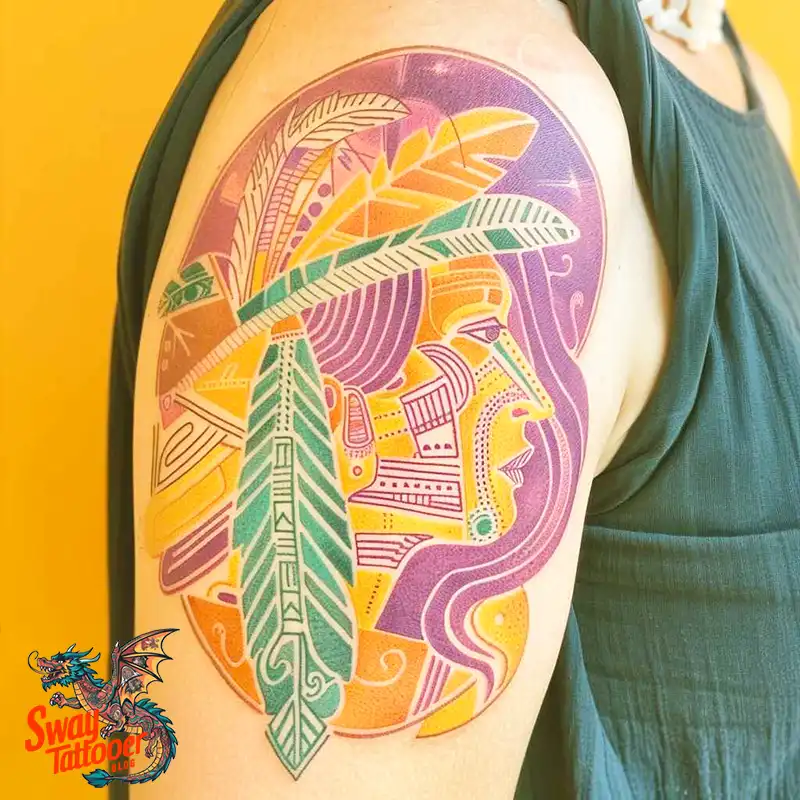
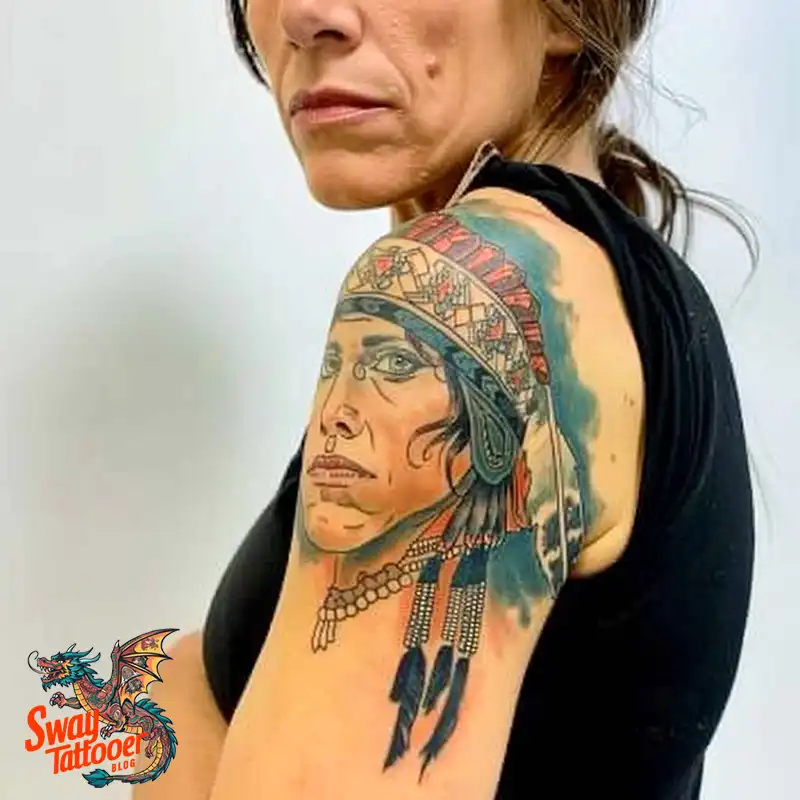
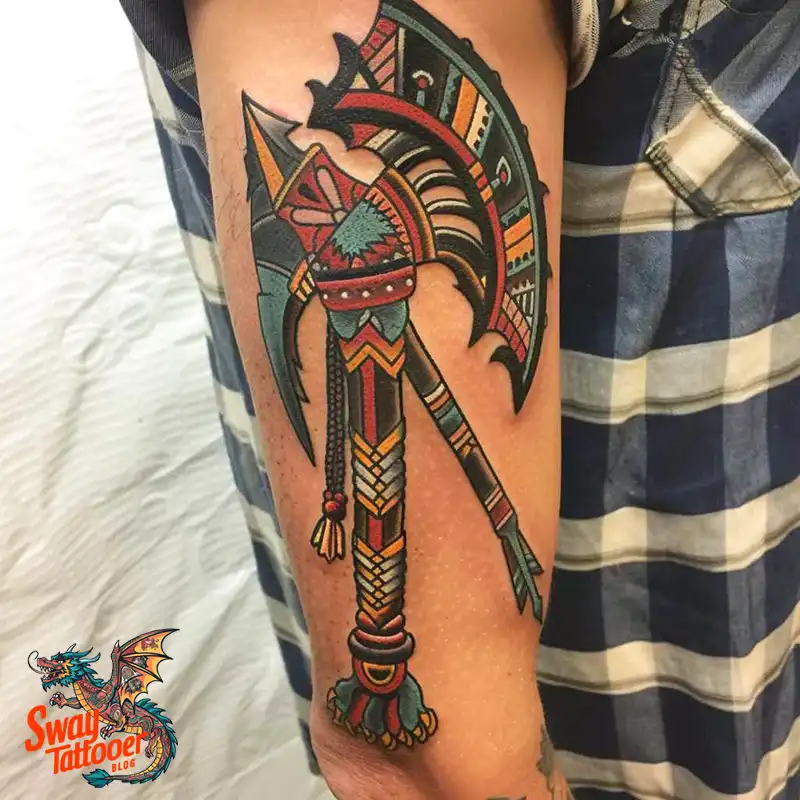
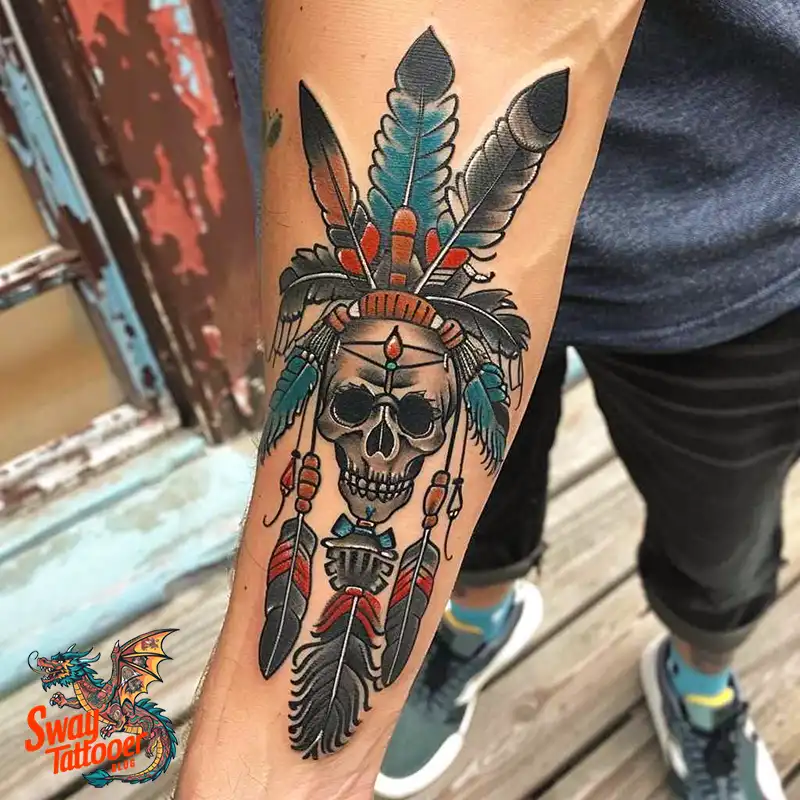
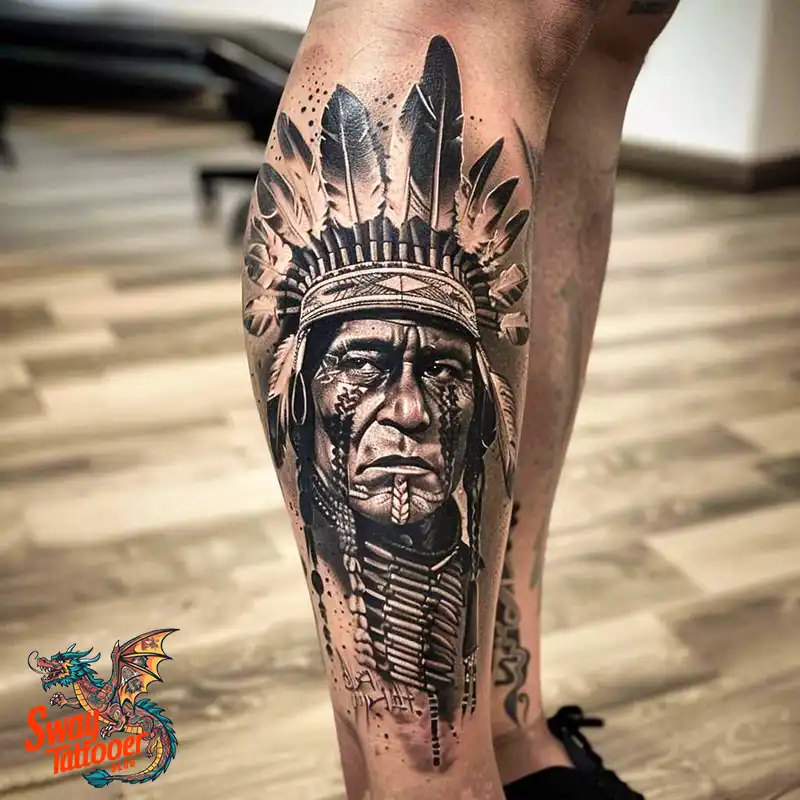
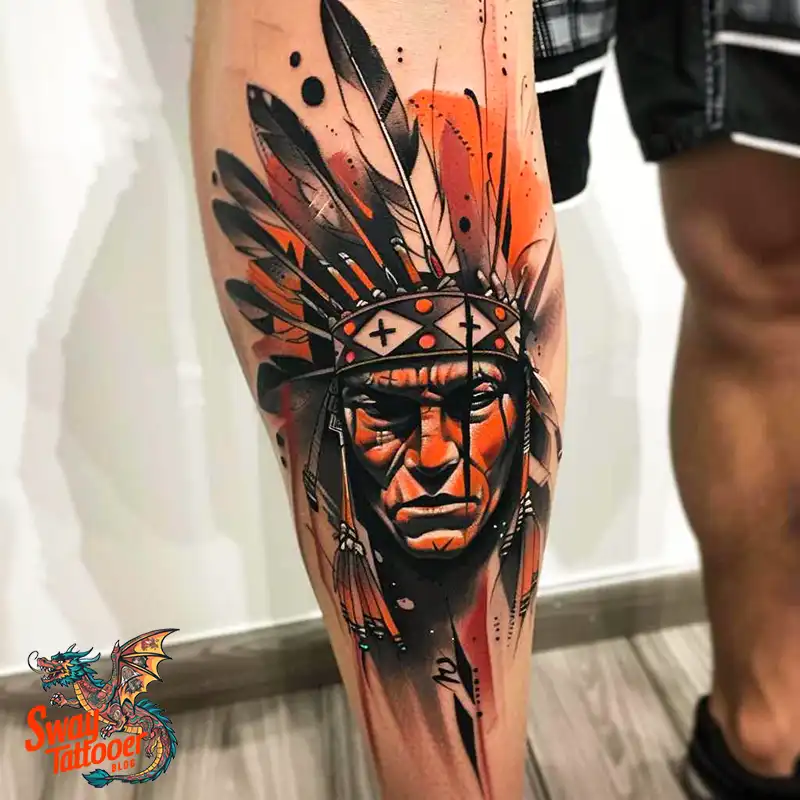
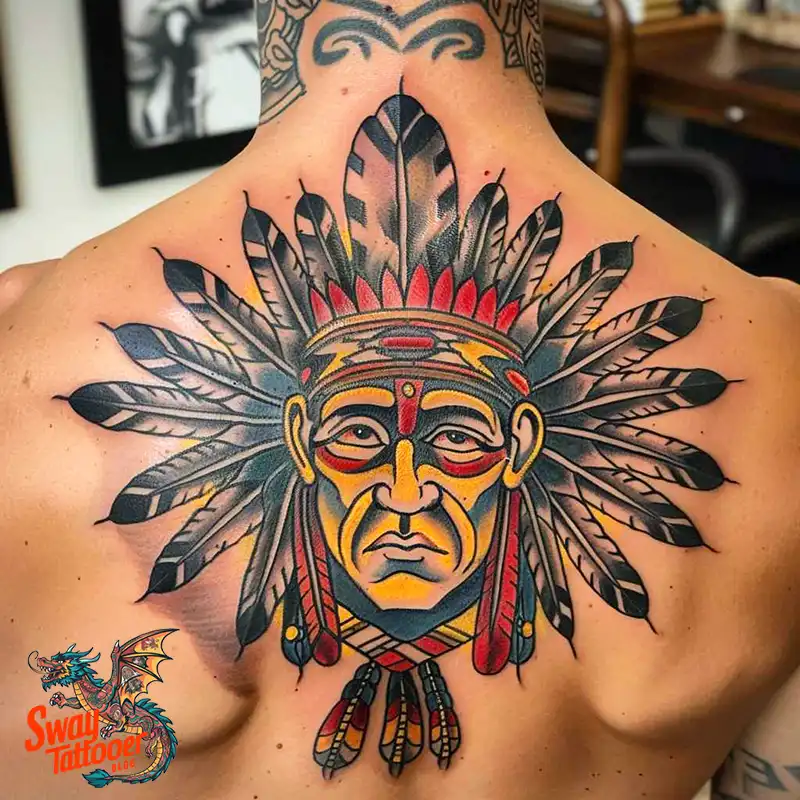
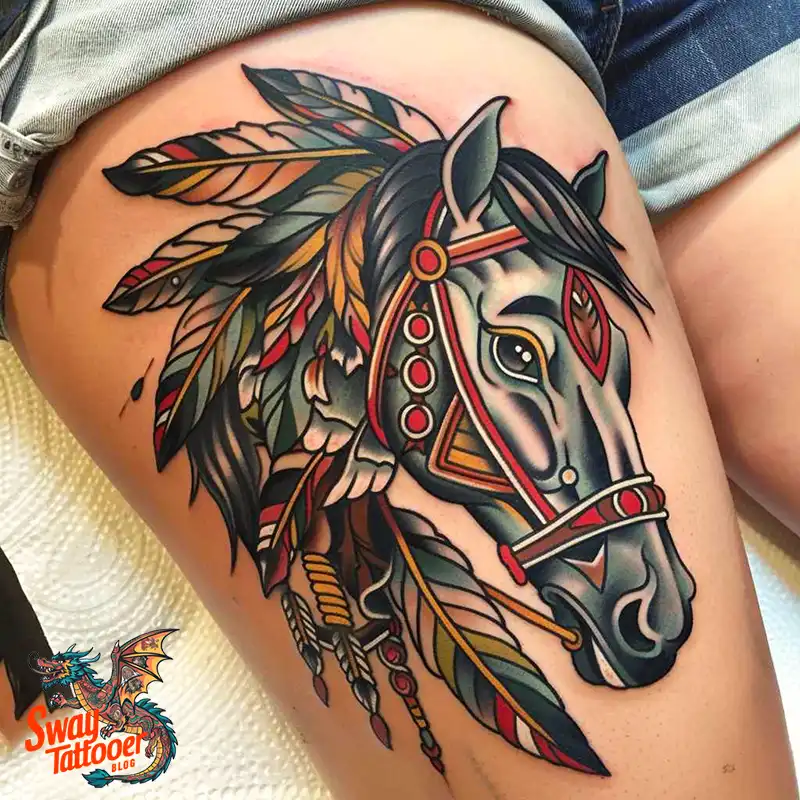
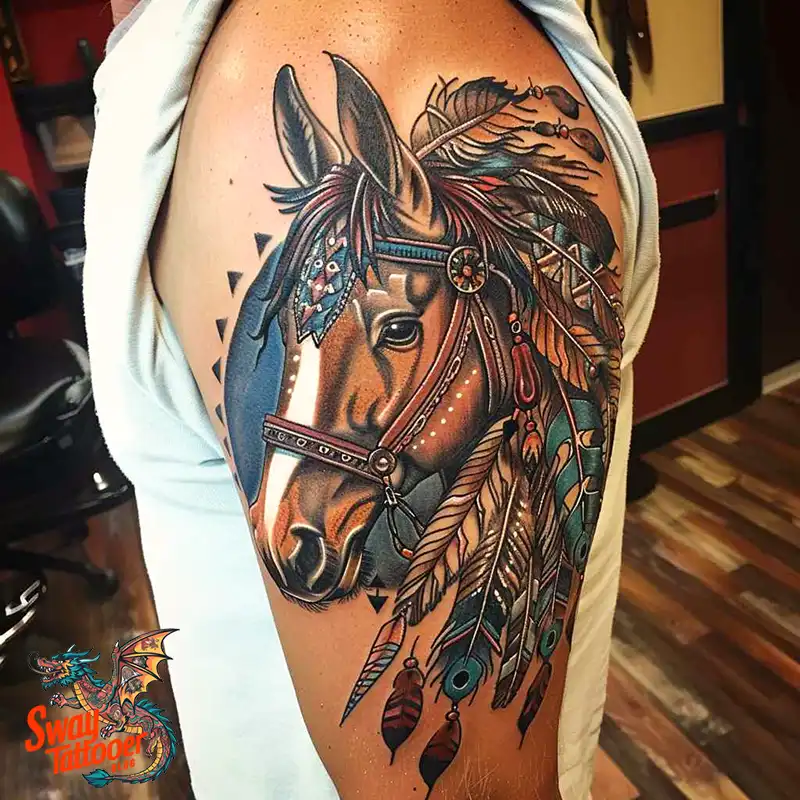
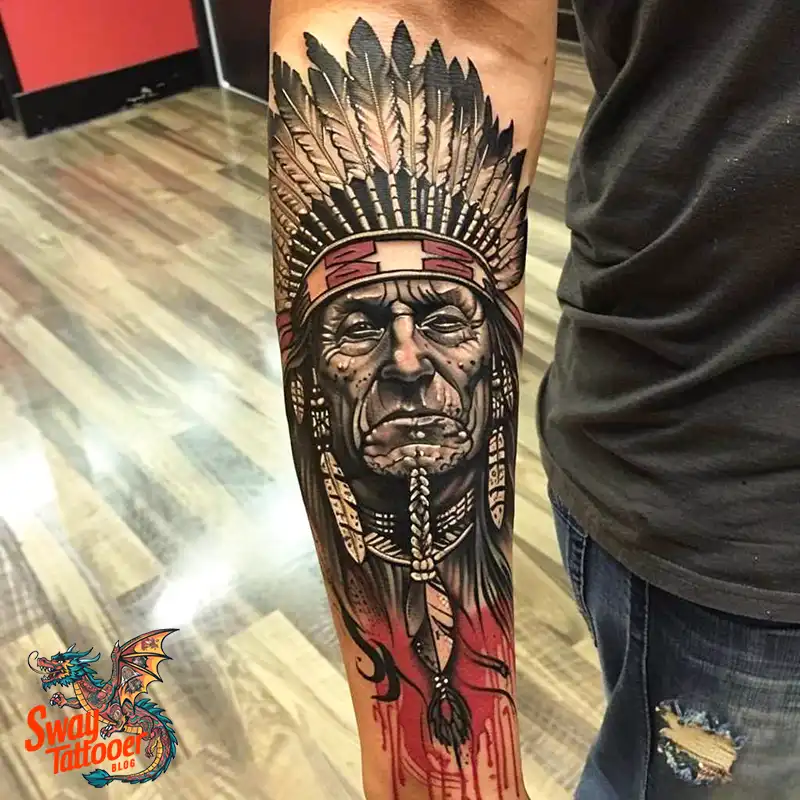
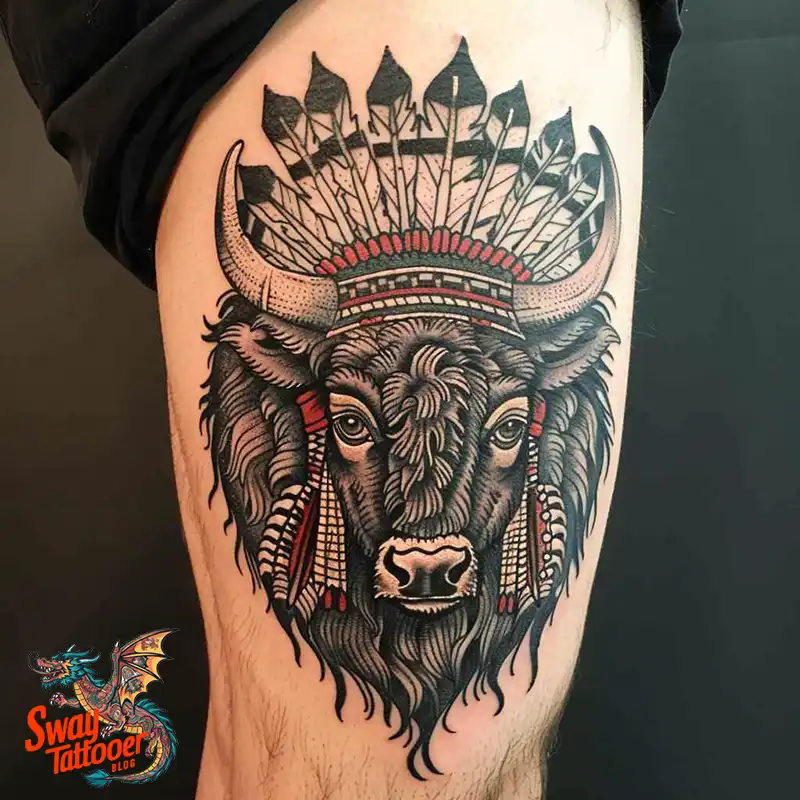
- The War Bonnet or Headdress: This is the most restricted symbol. A war bonnet is not a decoration. It is a sacred item given only to people who have earned great bravery and respect from their own people. Using it casually is profoundly disrespectful and makes a mockery of cultural history. Non-Native individuals must absolutely avoid this symbol.
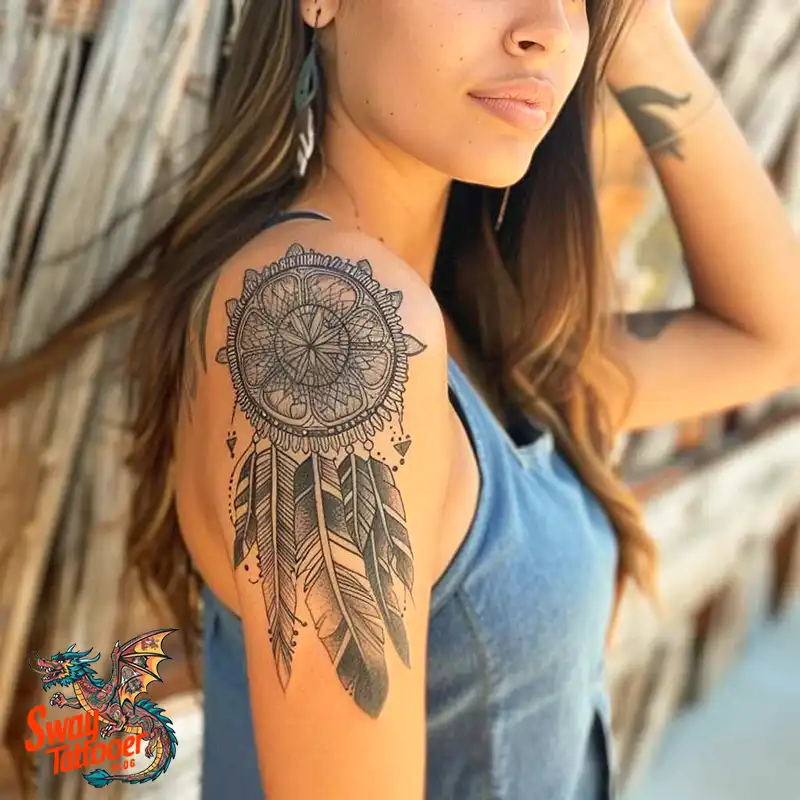
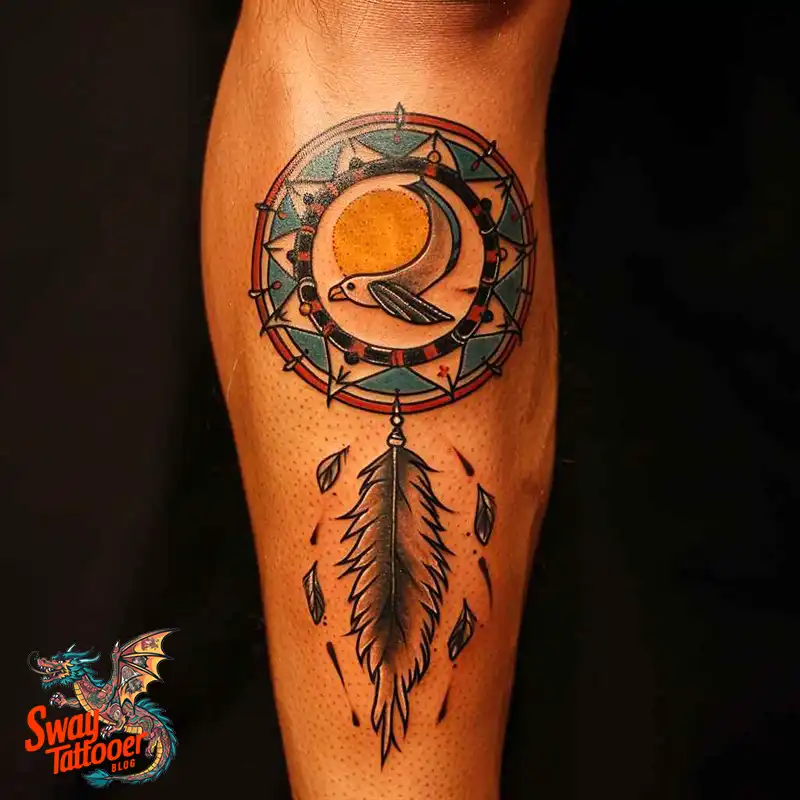
- The Dreamcatcher: This symbol is sacred to the Ojibwe nation. Its use as a general “spiritual symbol” by non-Indigenous companies is cultural appropriation. Using the dreamcatcher as a tattoo design risks continuing this disrespectful trend.
The Path of Respectful Engagement
The highest standard of ethical conduct is to seek permission and support the living Indigenous cultures. This ensures your tattoo is true appreciation, not theft.
- Commission an Indigenous Artist: The most responsible path is to actively seek out and hire an Indigenous artist. This artist comes from a nation that has traditionally tattooed. They have the authority to create the art. This ensures the financial benefit goes directly back to the community.
- Deep Personal Meaning: If you cannot hire an Indigenous artist, focus on deep research. Choose symbols based on their general spiritual attributes (like loyalty or wisdom) and link them to a personal story. This makes the tattoo meaningful, not just a decoration.
- Avoid Stereotypes: Do not choose images that promote old, negative stereotypes, such as “The End of the Trail,” which many communities view as an unpleasant portrayal of defeat.
Aftercare, Maintenance, and Investment:
A tattoo is a big investment—both in culture and money. Proper aftercare is essential for preserving the detail of the artwork.
Tattoo Aftercare Protocols
The first week of healing is critical for getting a sharp final result.
- Second Skin Bandages: Many artists use a protective film (like Second Skin) for 5 to 7 days. This protects the tattoo and helps it heal better. Removing it too early risks scarring.
- Cleaning and Moisturizing: After removing the bandage, wash the tattoo gently 2-3 times per day. Use an unscented, mild soap. Apply only a thin layer of aftercare lotion.
- Restrictions: Do not submerge the tattoo in water (no baths or swimming) for at least two weeks. Avoid direct sun exposure for a long time.
Cost and Investment Factors
The cost is high because of the need for custom design, high detail, and expert skill.
- Realism Price: Highly detailed black and grey realism (like a wolf portrait) takes a long time. These pieces often take 5 to 6 hours or more. The final investment can easily exceed $1,500 to $2,500 for a custom piece from a top artist.
- The Investment: This pricing is justified. It pays for the specialized skill needed to make the realism last and look right.
FAQs:
Q: Is it cultural appropriation for a non-Native person to get a Native American tattoo?
A: The risk is high if you use sacred or restricted symbols (like the headdress) or fail to do research. If the symbol is for tribal lineage or status, a non-Native cannot ethically claim it. The most respectful path is to choose generalized animal symbols (like the wolf for loyalty) and ensure the meaning is deeply personal.
Q: How can I ensure my tattoo is appreciation, not appropriation?
A: The highest ethical standard is to actively seek out and commission an Indigenous artist from the relevant community. This ensures the art is created with cultural authority and that the money supports the community.
Q: What are the risks of getting an appropriative tattoo?
A: The main risks are offending and disrespecting a culture that has been persecuted for practicing these arts. A personal risk is regret later. Experts advise against marking yourself with a symbol you cannot explain or understand culturally.
Conclusion:
The pursuit of a tattoo inspired by Native American tattoo culture requires intellectual and ethical seriousness. The symbols carry immense cultural weight that cannot be casually borrowed.
- Choose Wisely: Non-Natives should use modern styles like black and grey realism for animal symbols. This honors the animal’s universal attribute without copying restricted traditional patterns.
- Avoid the Headdress: The War Bonnet is a sacred symbol that must be avoided entirely.
- The Ultimate Act of Respect: The best way to honor this art is to support and commission Indigenous artists who have the authority to create these profound works.
The ultimate success of this tattoo lies in the wearer’s ability to be fully informed, respectful, and accountable for the permanent art they choose.
Leave a Reply