Ever wonder if real Vikings had tattoos? In my years as a tattoo artist, I have seen a huge rise in Norse ink. Most people want to feel like a warrior. They want to show strength and honor on their skin. But where does the myth end and the fact begin?
I have sat with many clients who want the perfect Viking Tattoo. But before you get inked, you should know the story. We don’t have ancient skin to prove they had tattoos. But we do have great clues from travelers who saw them long ago.
In this guide, I will help you plan your own Viking tattoo. We will look at what symbols like the “Wayfinder” really mean. I will also share the best body spots to pick and how much they hurt. Plus, I will give you my pro tips on aftercare. Let’s make sure your ink stays sharp for life. Are you ready to find your path? Let’s start the journey!
In this guide, I will take you through the true history of these marks. I will also explain what the symbols mean and how to pick the right one for you.

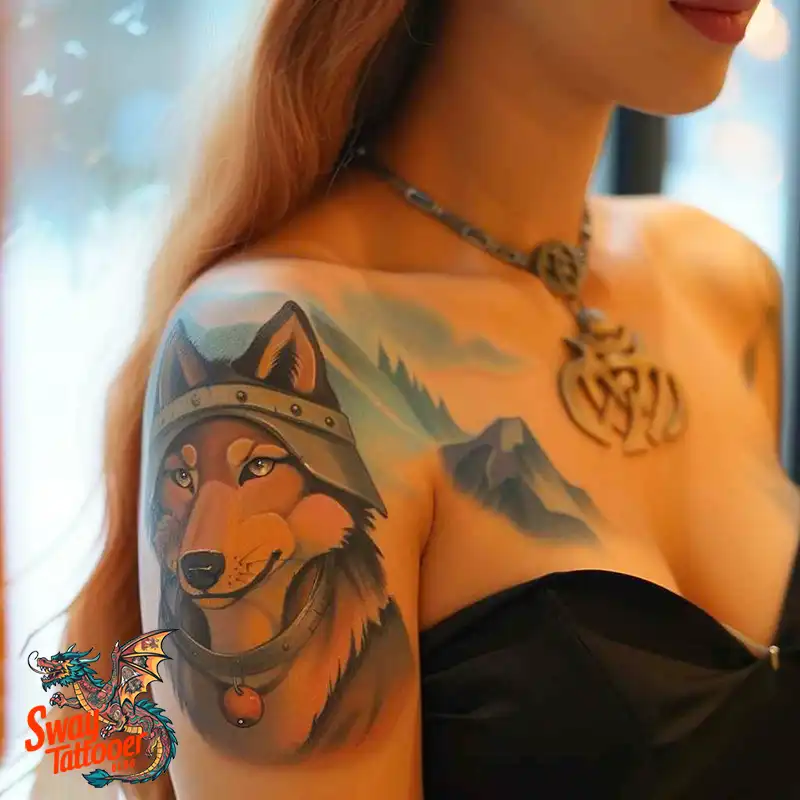
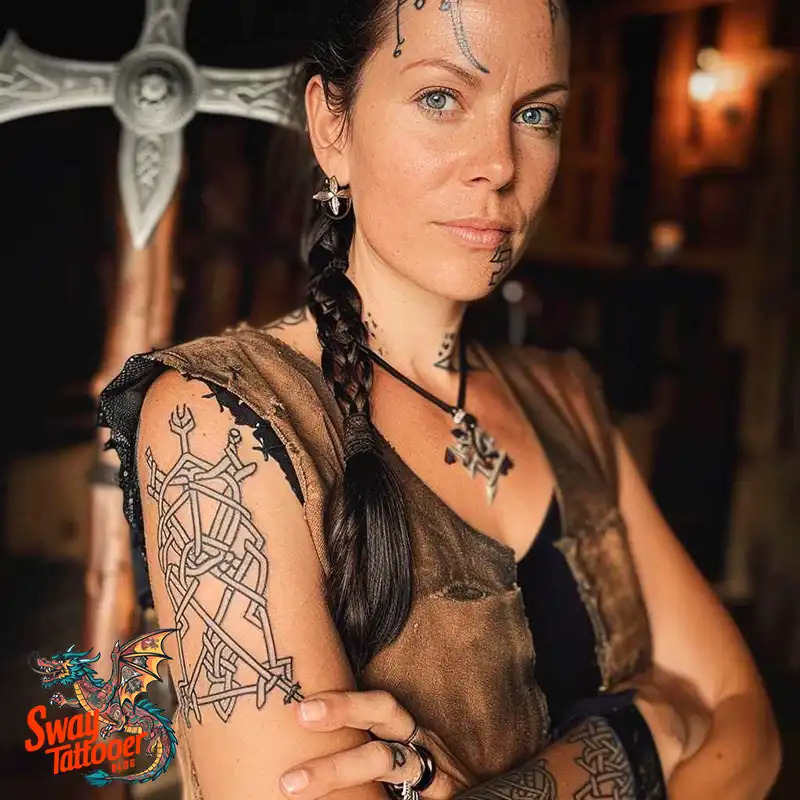
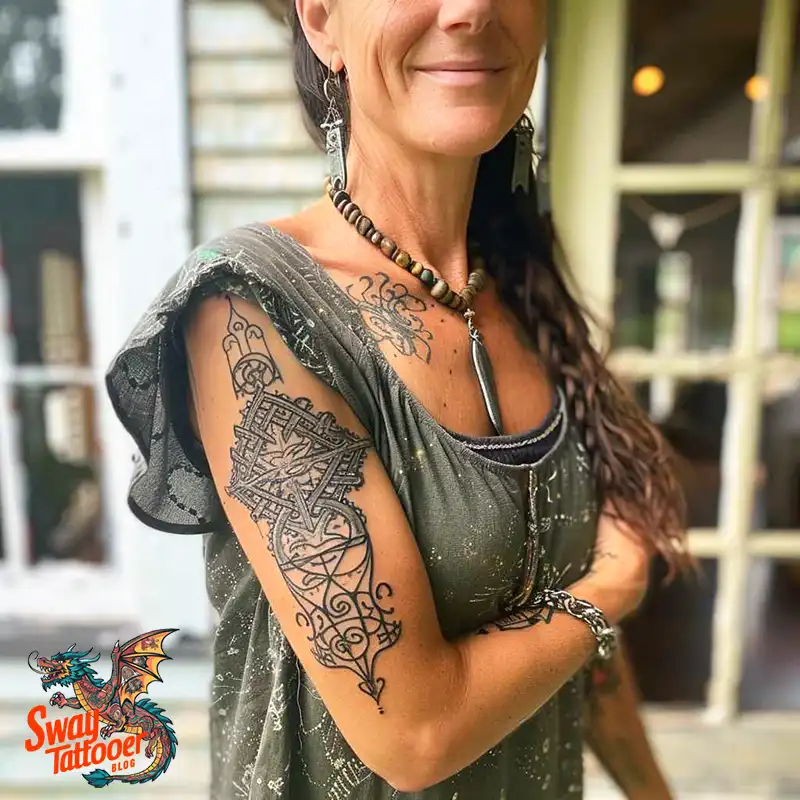
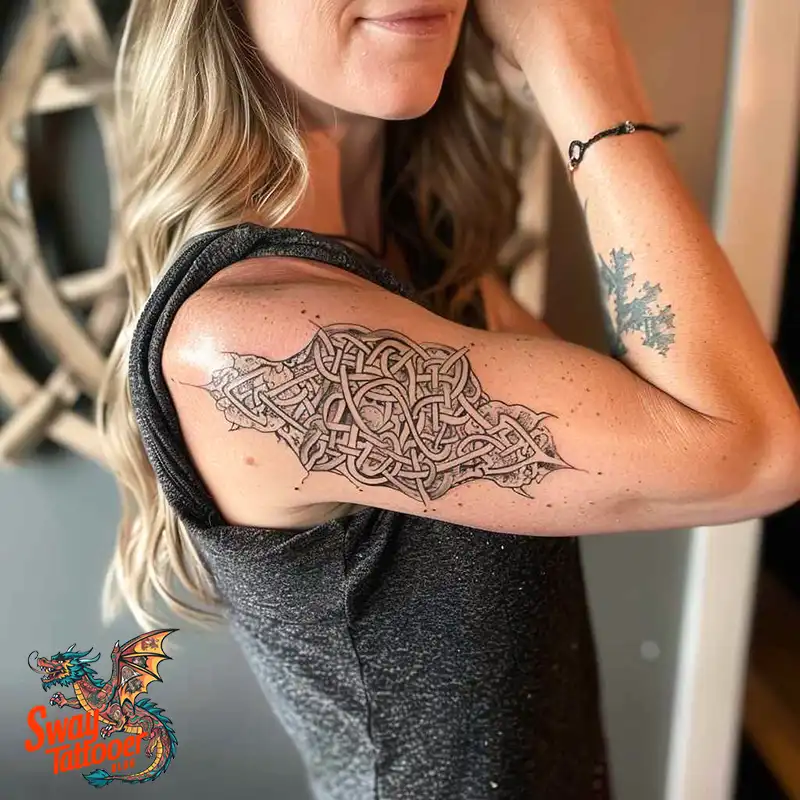

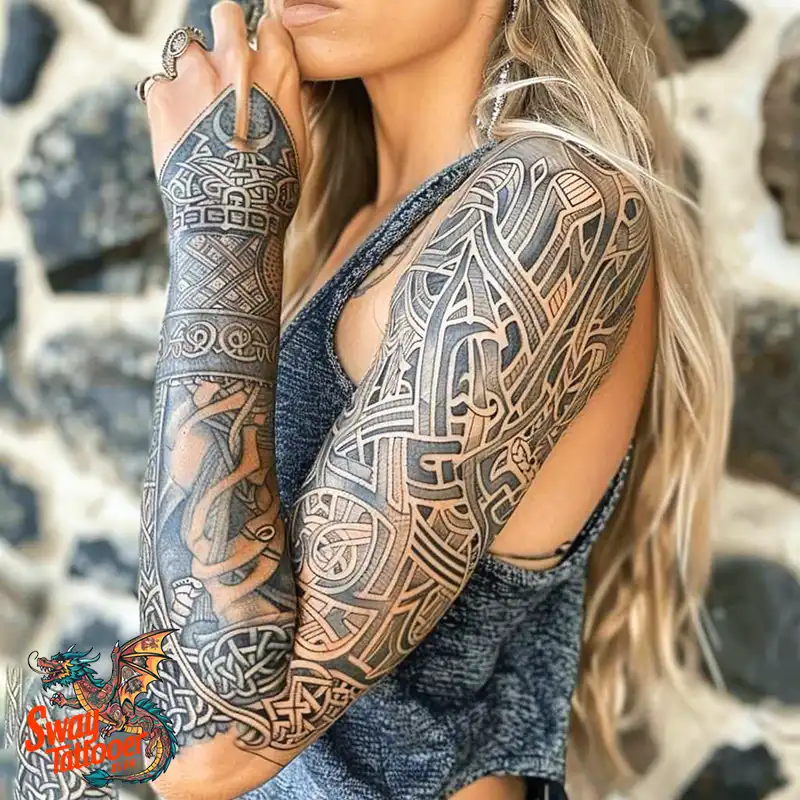
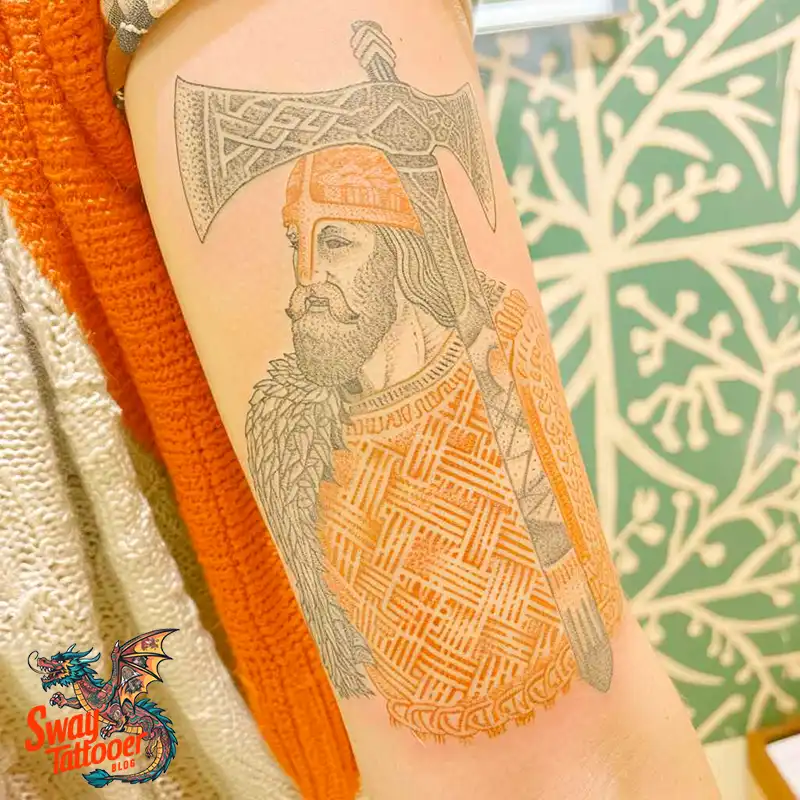

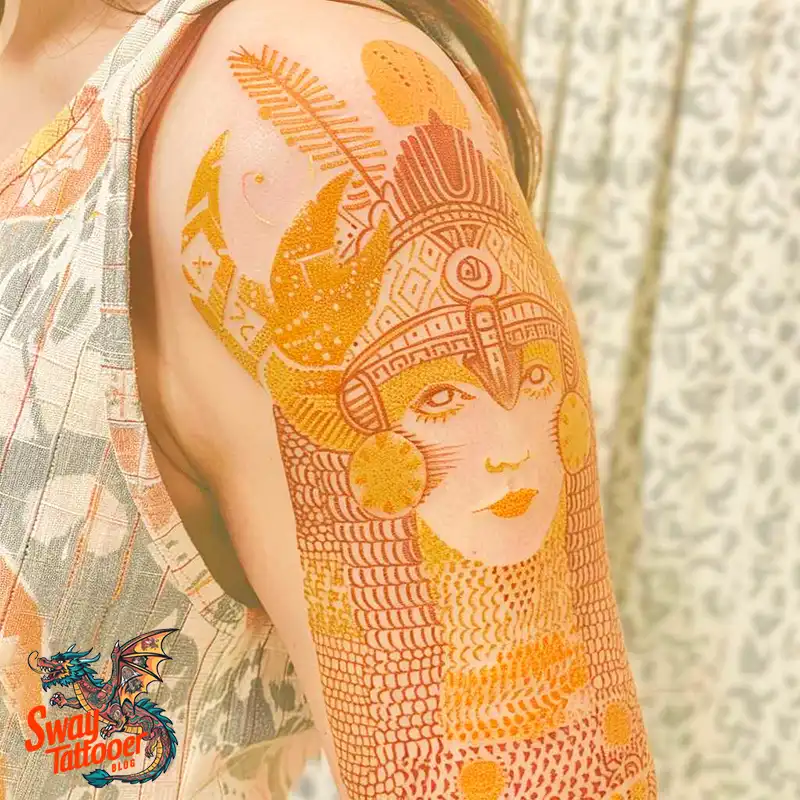


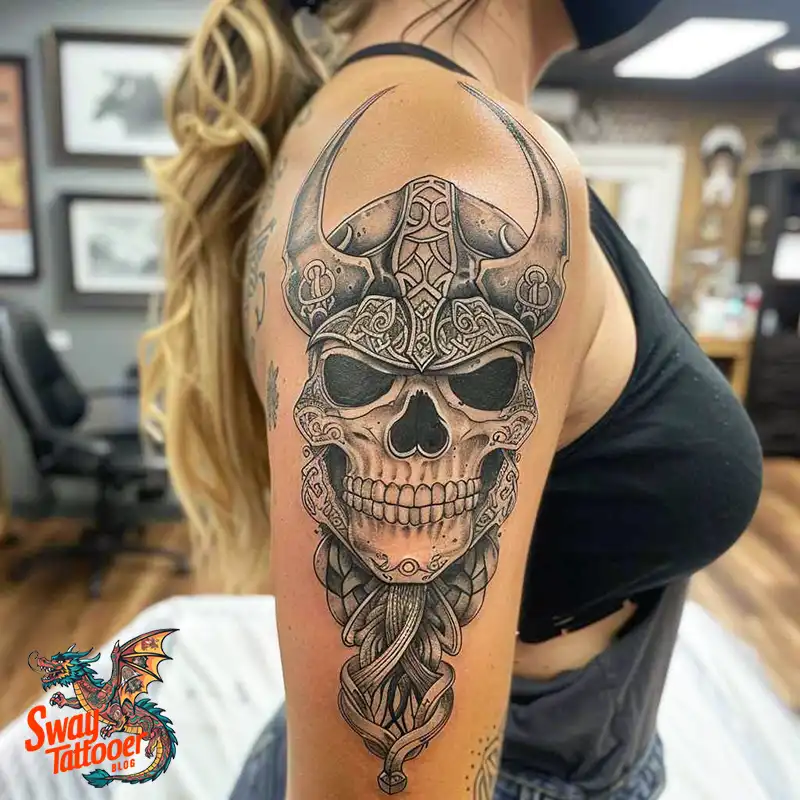
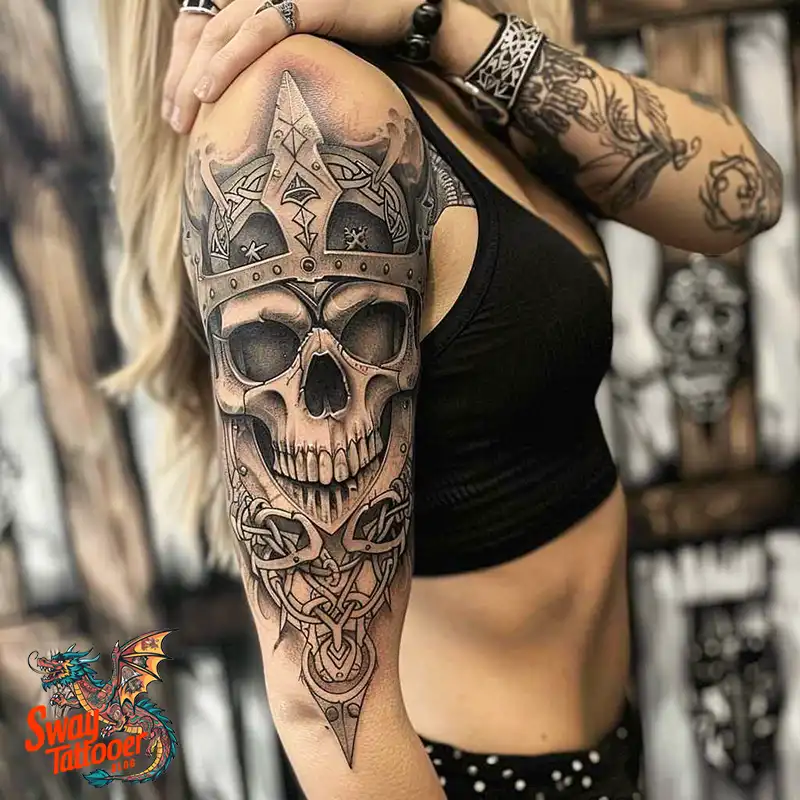


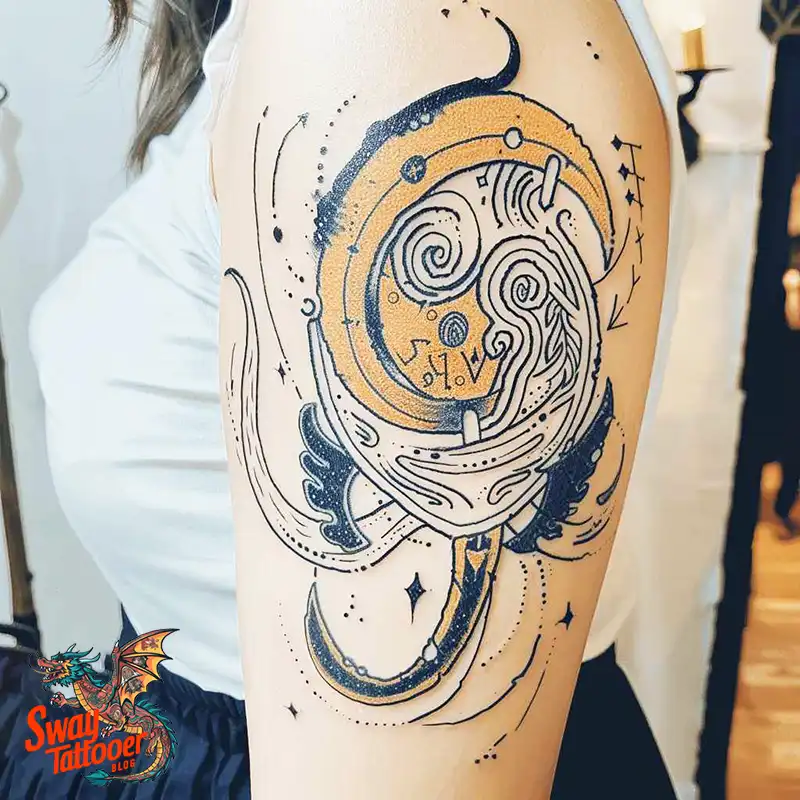
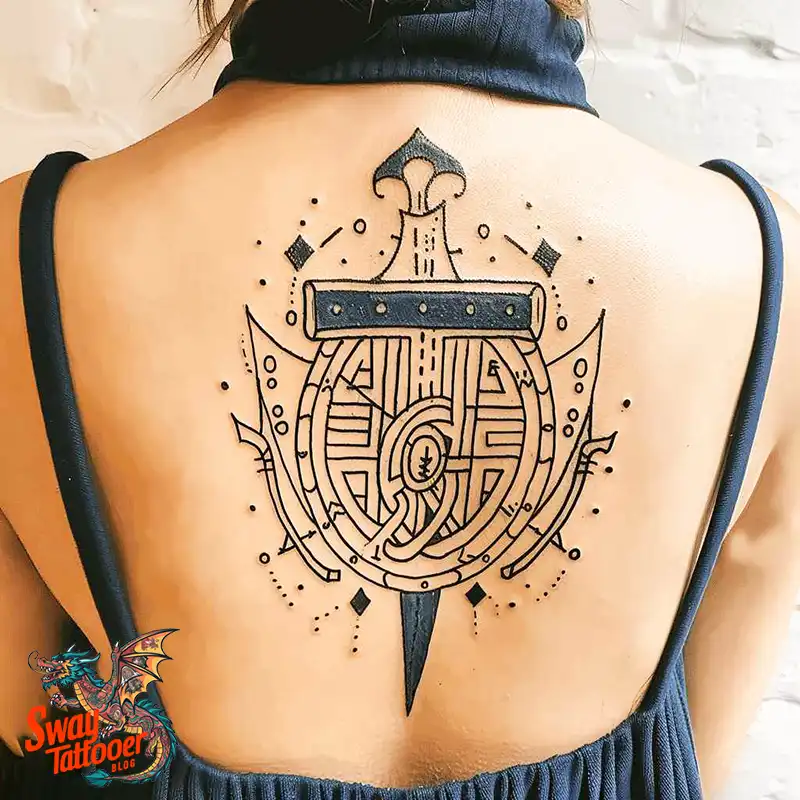
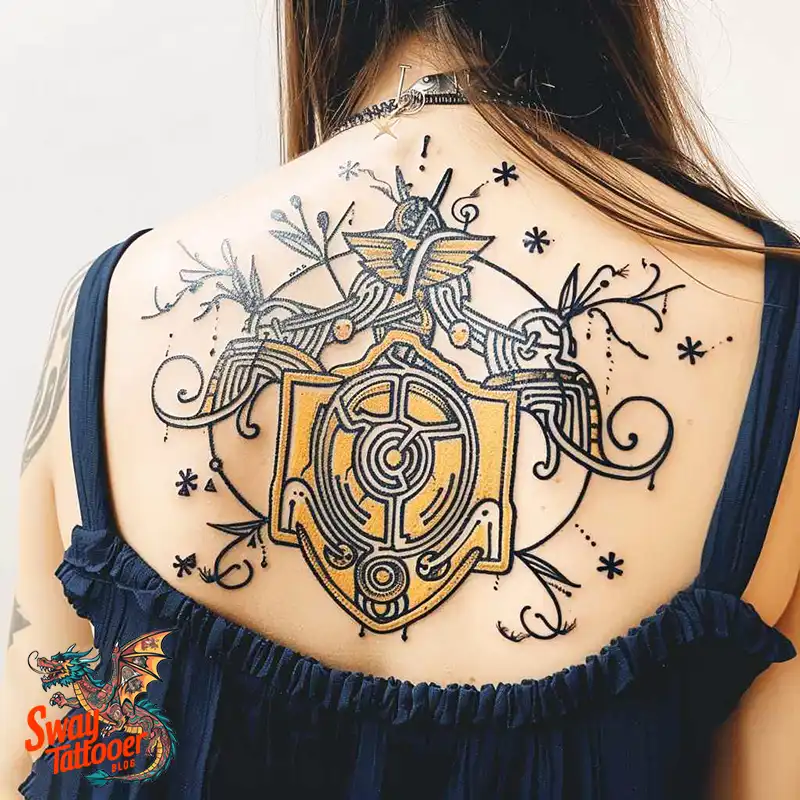
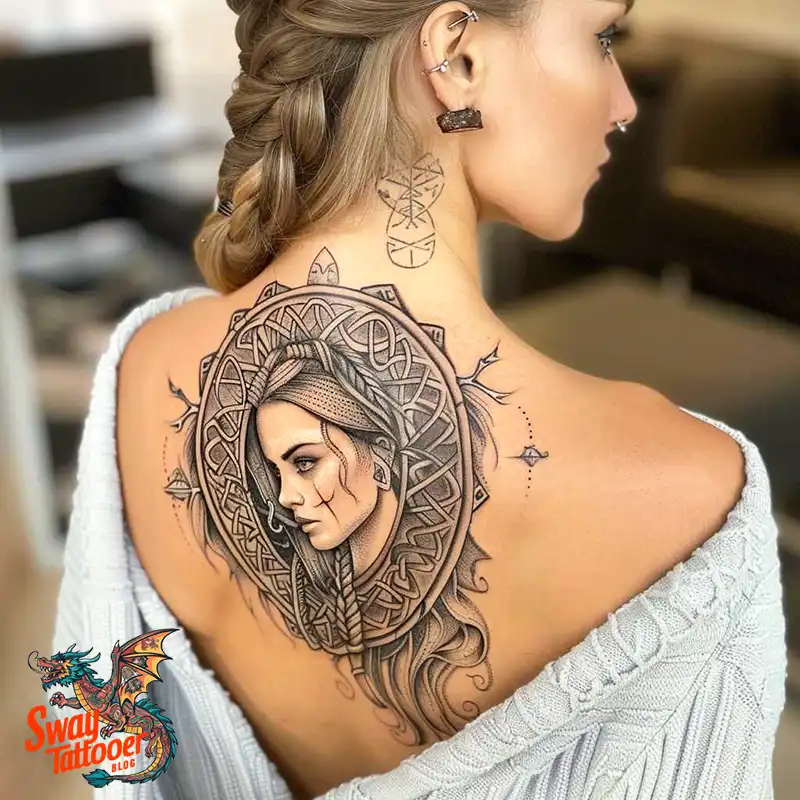
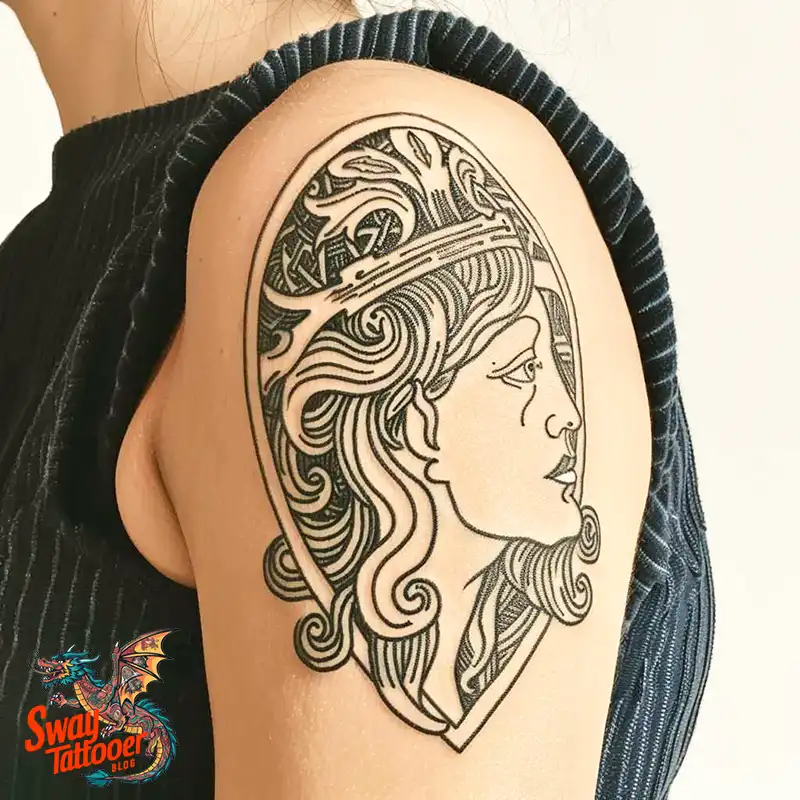
The Mystery of the Vikings Tattoos:
People often ask me if the Vikings really walked around with ink on their arms. The truth is, we think they did. The best clue comes from a man named Ahmad Ibn Fadlan. He was an Arab traveler who met the “Rus” Vikings in the year 921.
He wrote that every man he saw was covered in dark green patterns. He said these looked like “trees and figures” from their fingernails to their necks. Some experts think these might have been body paint. But most of us in the industry believe they were permanent tattoos made with wood ash or soot.
We also look at the Pazyryk people. They lived long before the Vikings, but they were also great traders. Archaeologists found their mummies frozen in the ice. Their skin was covered in amazing tattoos of deer and mythical beasts. It is very likely the Vikings learned the art of the needle from people like them.
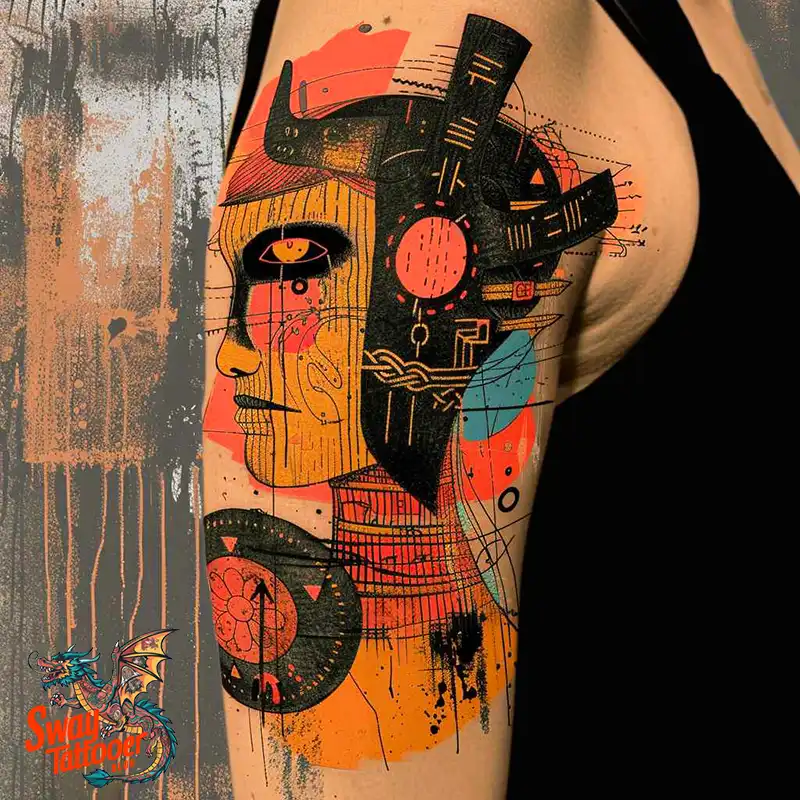
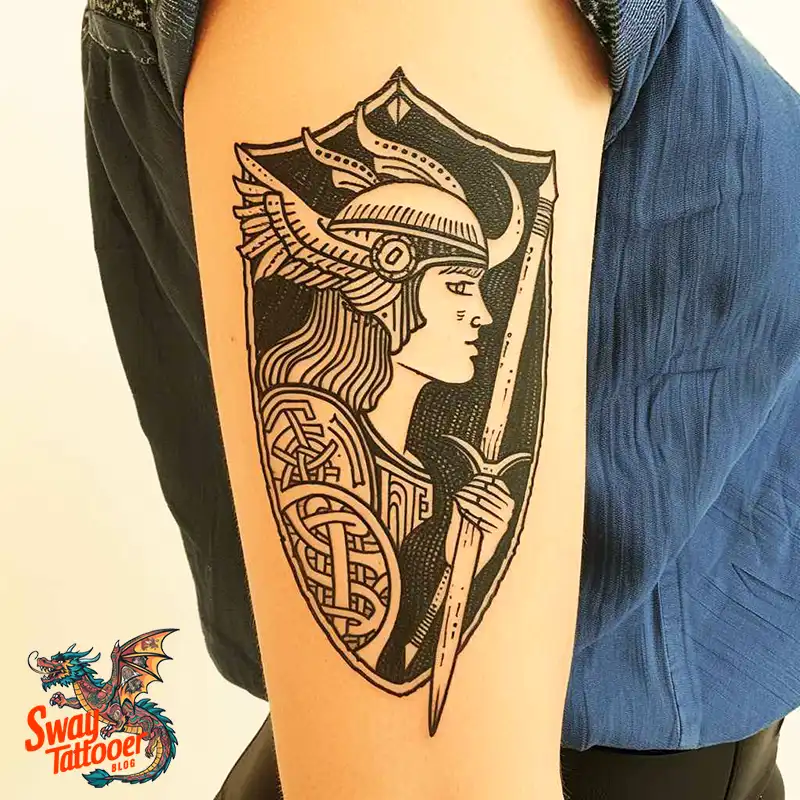




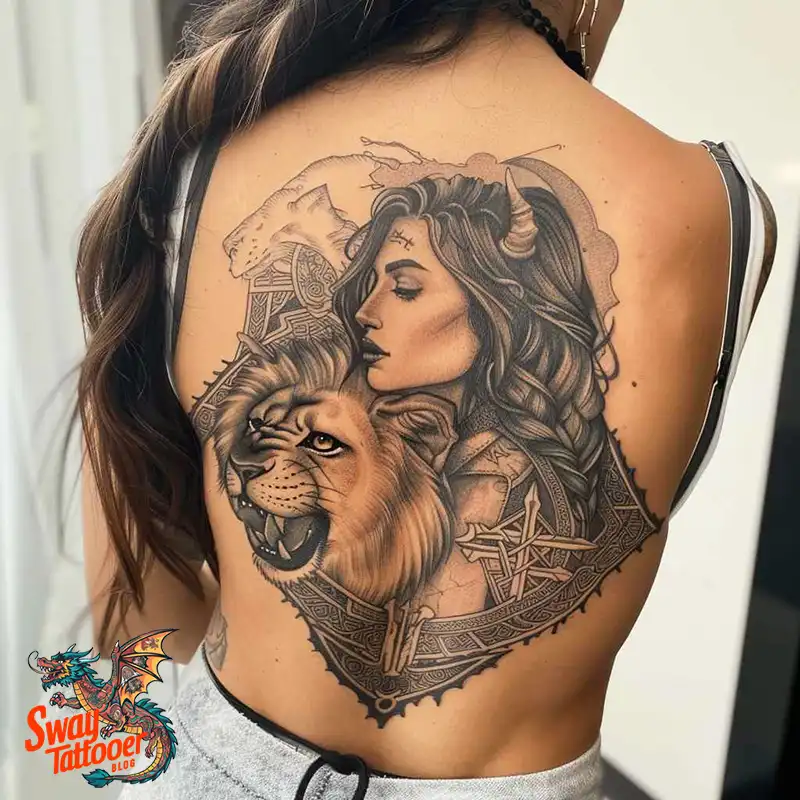


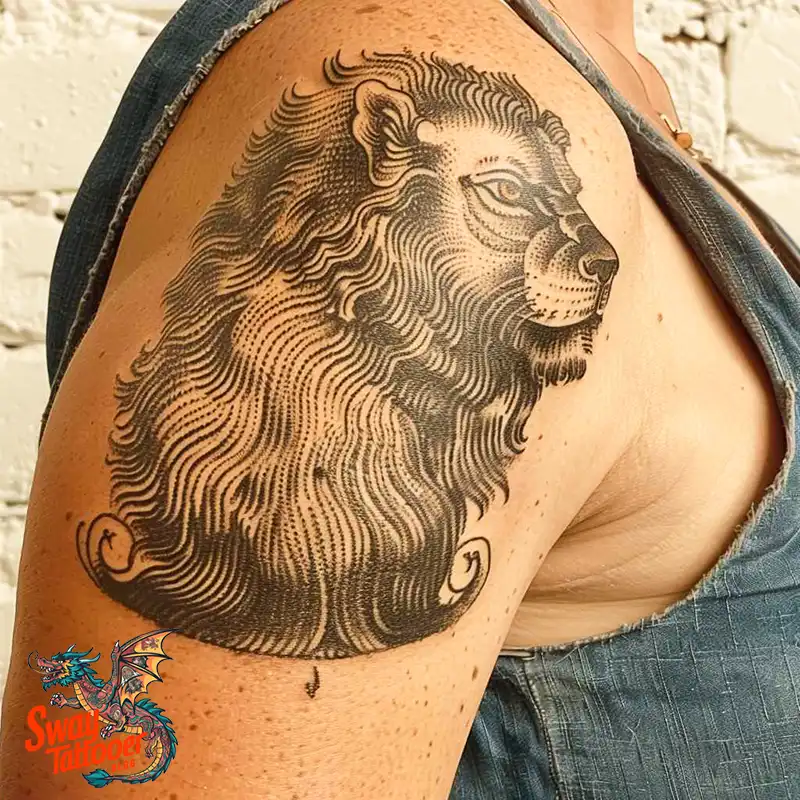
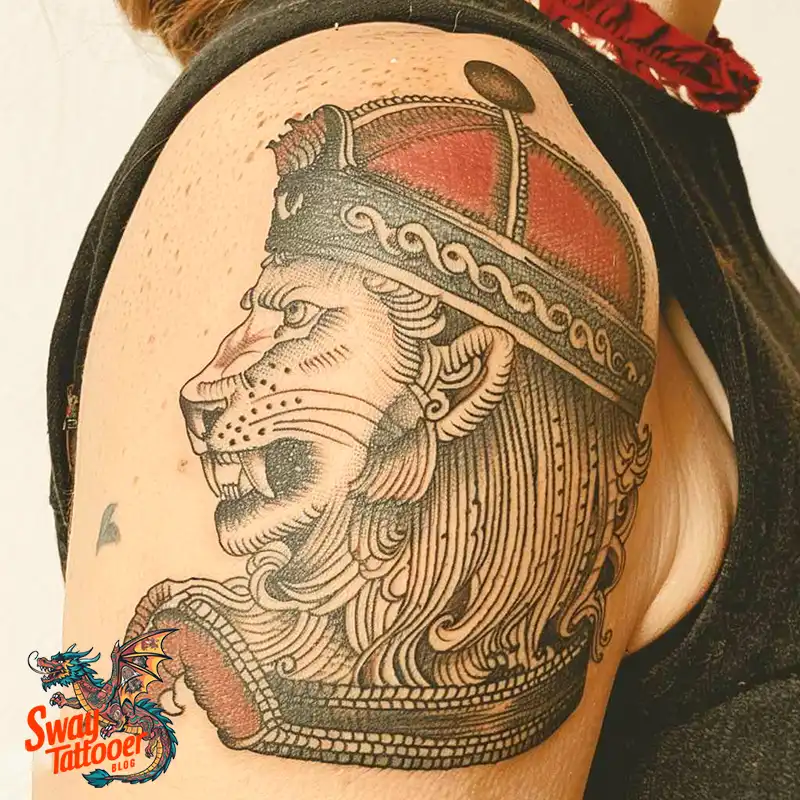
Meaning:
When you get a Viking tattoo, the symbol you choose says a lot about who you are. Here are the big ones I get asked for most often:
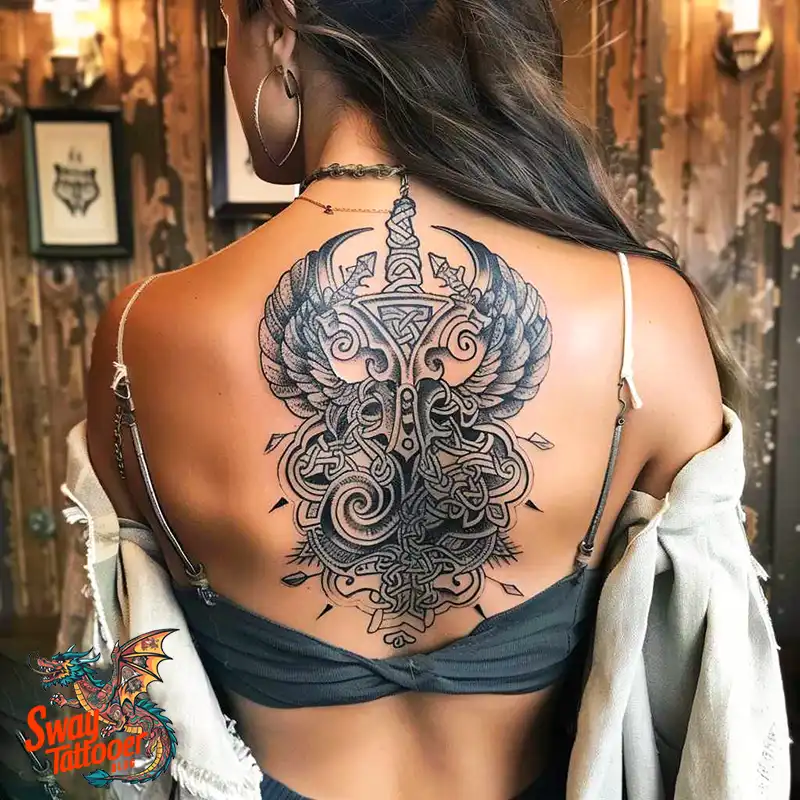
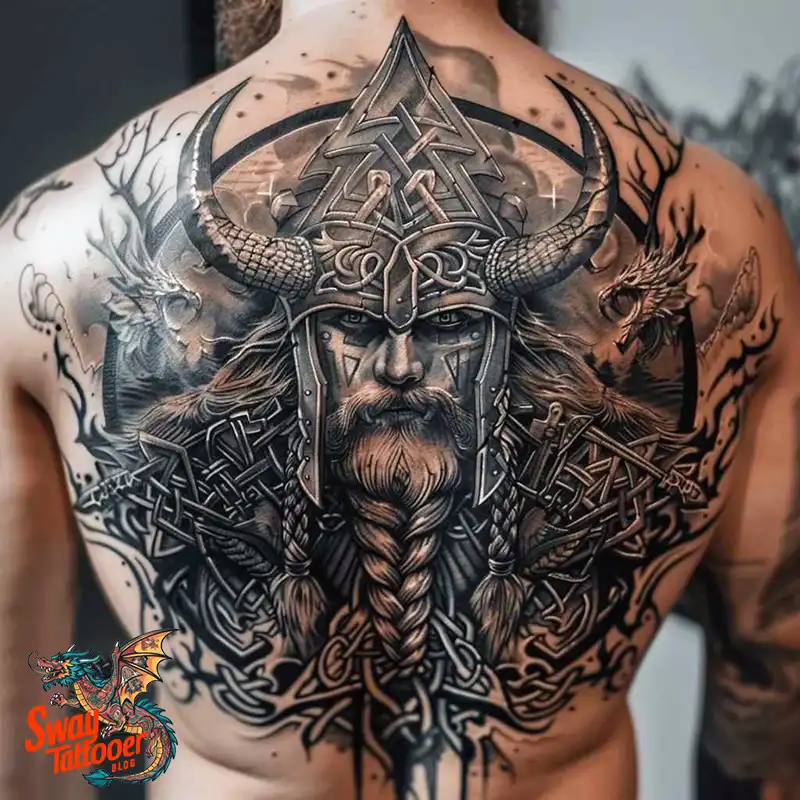
The Valknut (The Knot of the Slain): This is a set of three interlocking triangles. It is closely linked to the god Odin. In the old days, it was often found on stones meant to honor dead warriors. Today, people get it to show they are brave and ready for whatever life throws at them.
The Helm of Awe (Aegishjalmur): This symbol has eight arms that look like tridents. It was meant to strike fear into enemies and protect the wearer in battle. In my shop, I see it as a shield for the mind. It is for anyone who needs inner strength to face their fears.
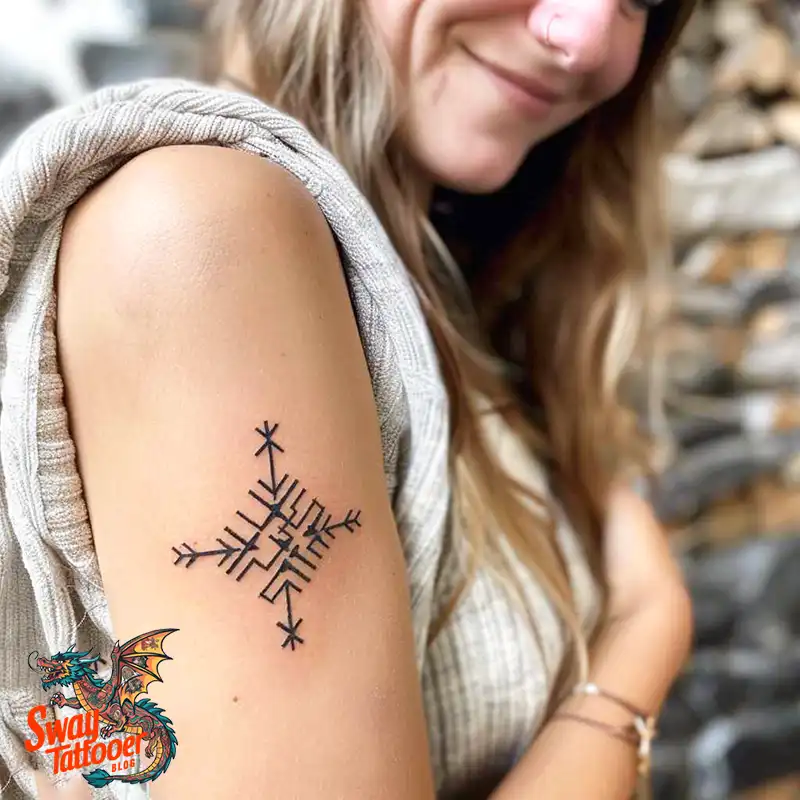
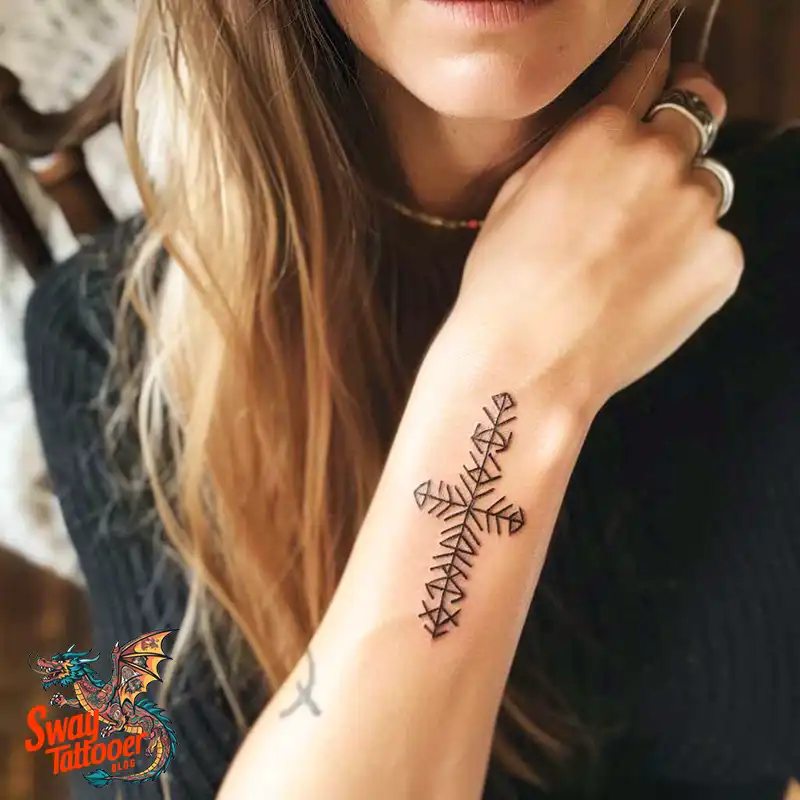
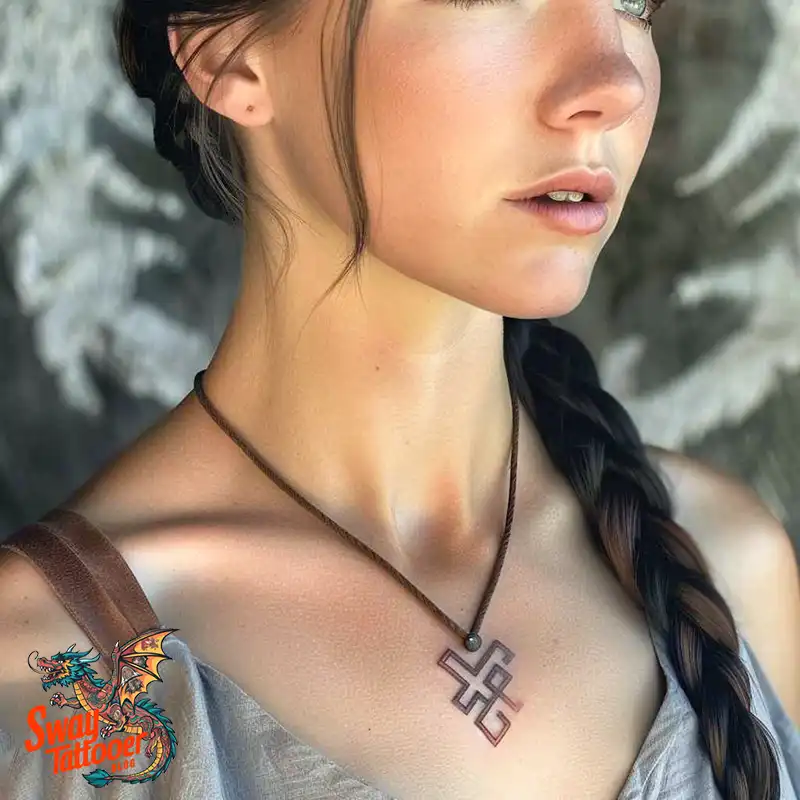
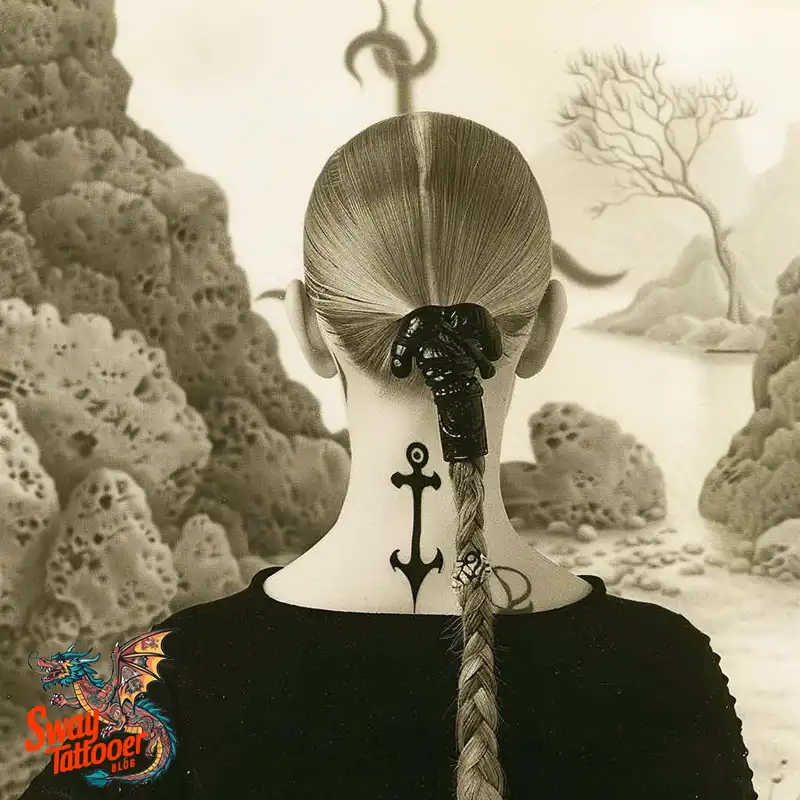
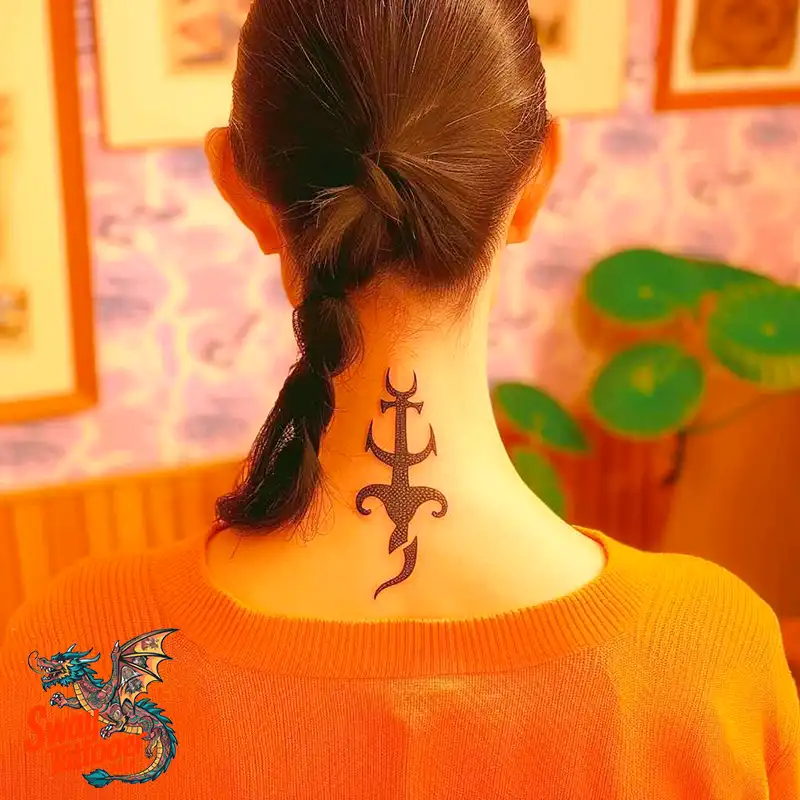
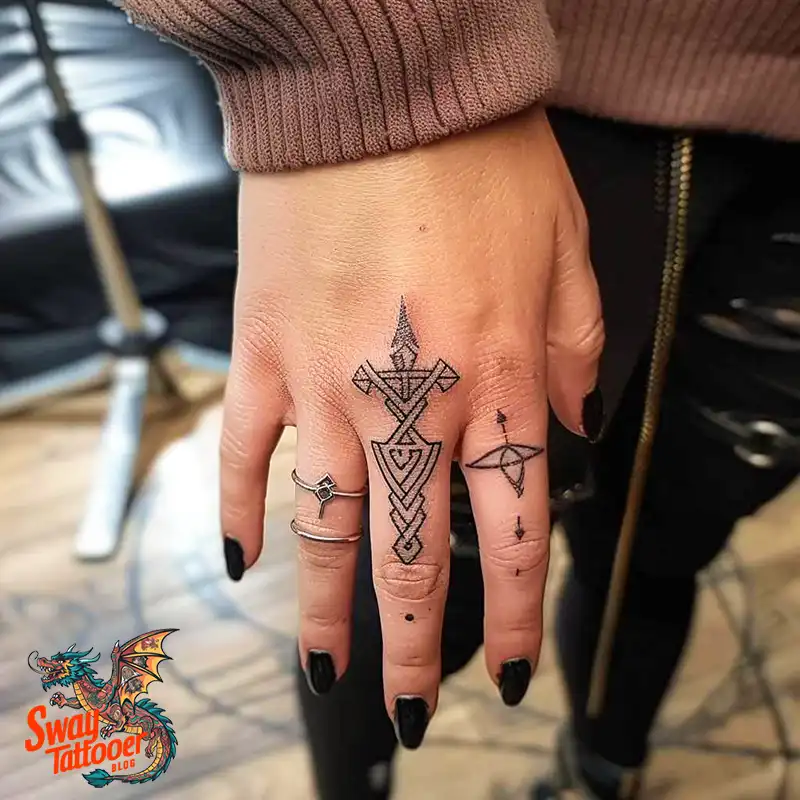
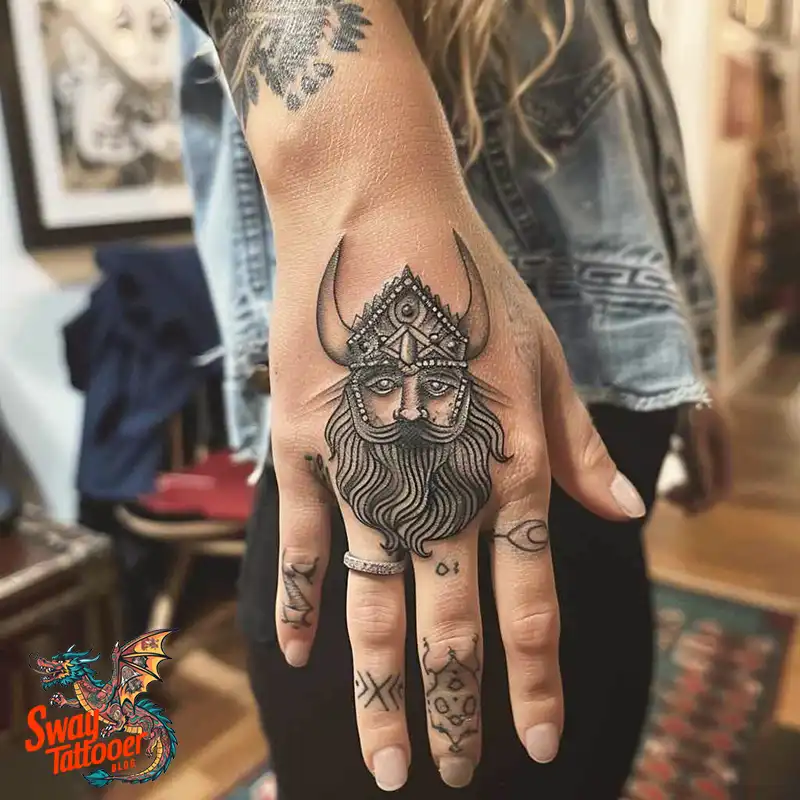
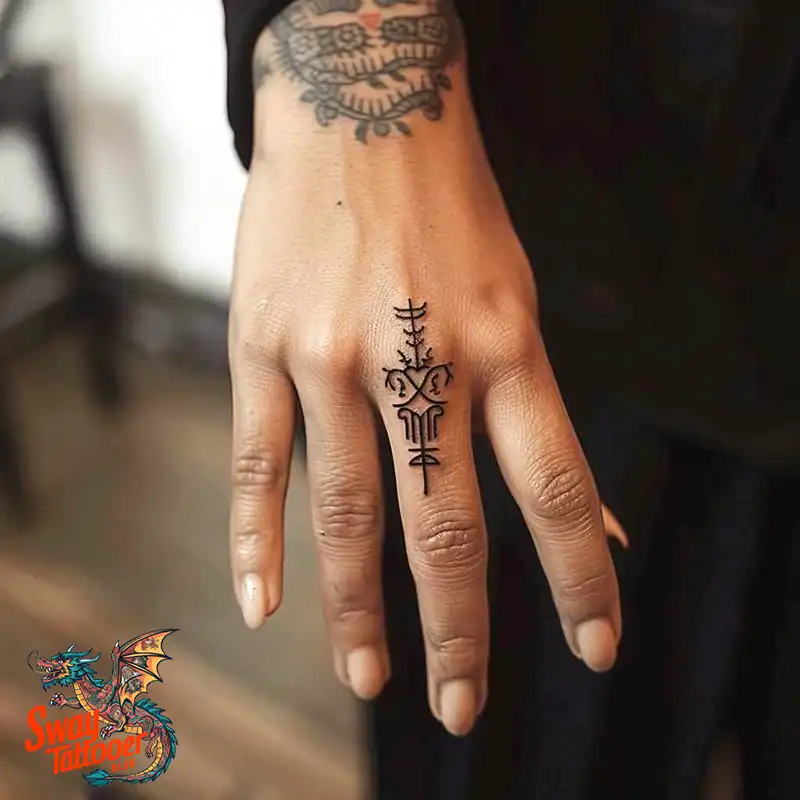
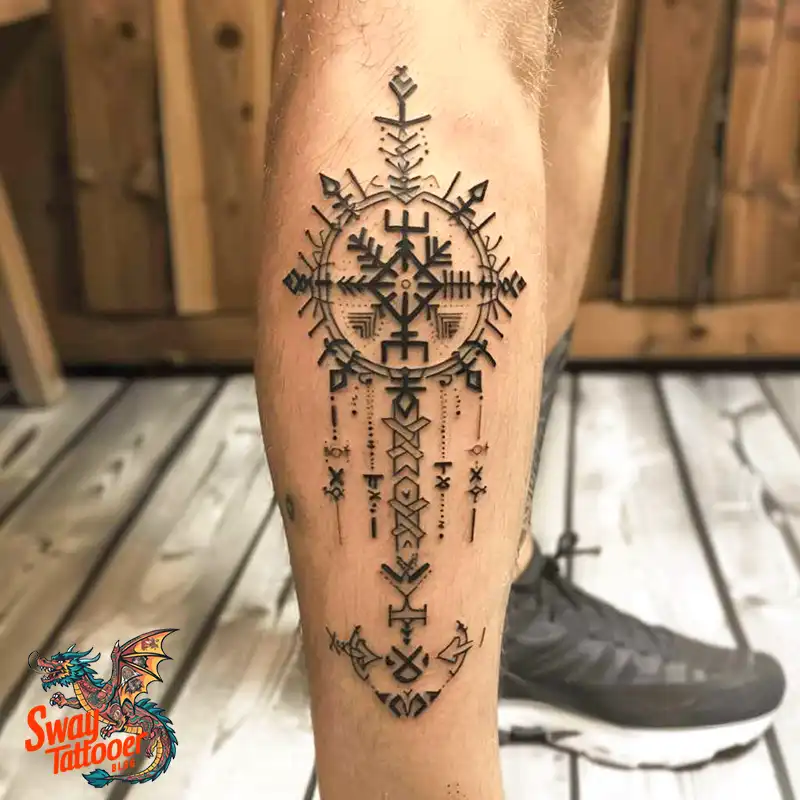
The Wayfinder (Vegvisir): Everyone calls this the “Viking Compass”. The legend says that if you carry this sign, you will never lose your way, even in a storm.
Artist Note: Here is a little secret. The Vegvisir is actually not from the Viking Age. It first showed up in an Icelandic book in the 1800s. But even though it is newer, it is still my most requested Norse design. It represents finding your path in life.
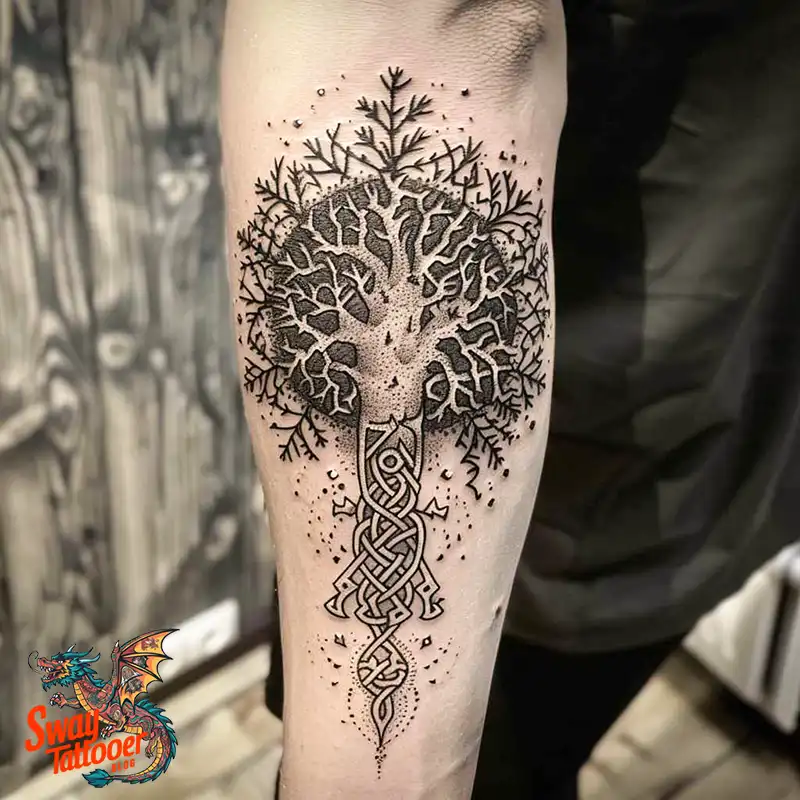
Yggdrasil (The World Tree): This is the giant tree that holds all the worlds together. It shows how everything in life is connected. A Yggdrasil tattoo is perfect for someone who values growth and resilience.
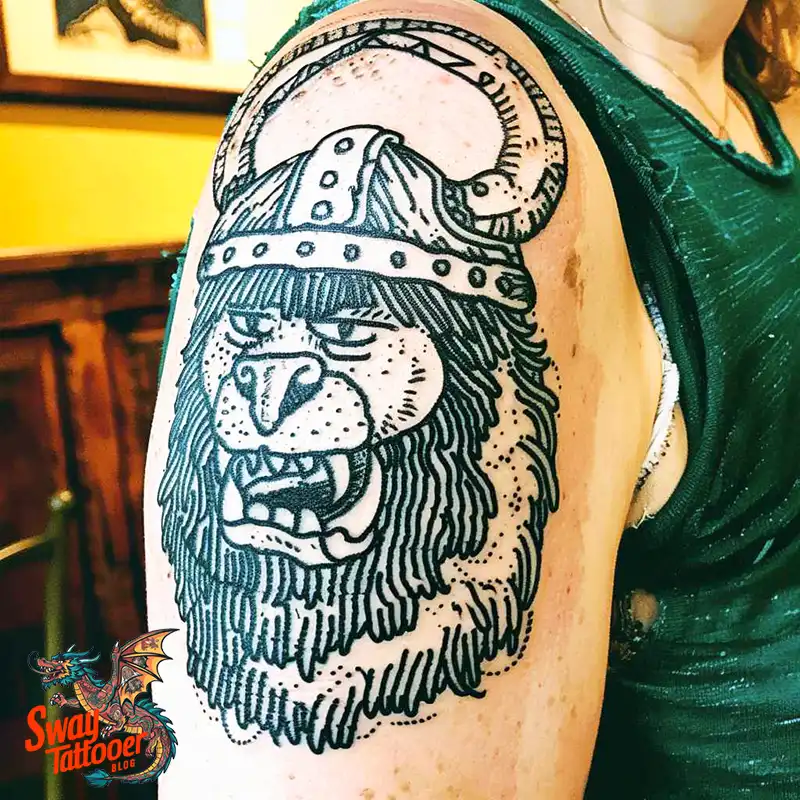
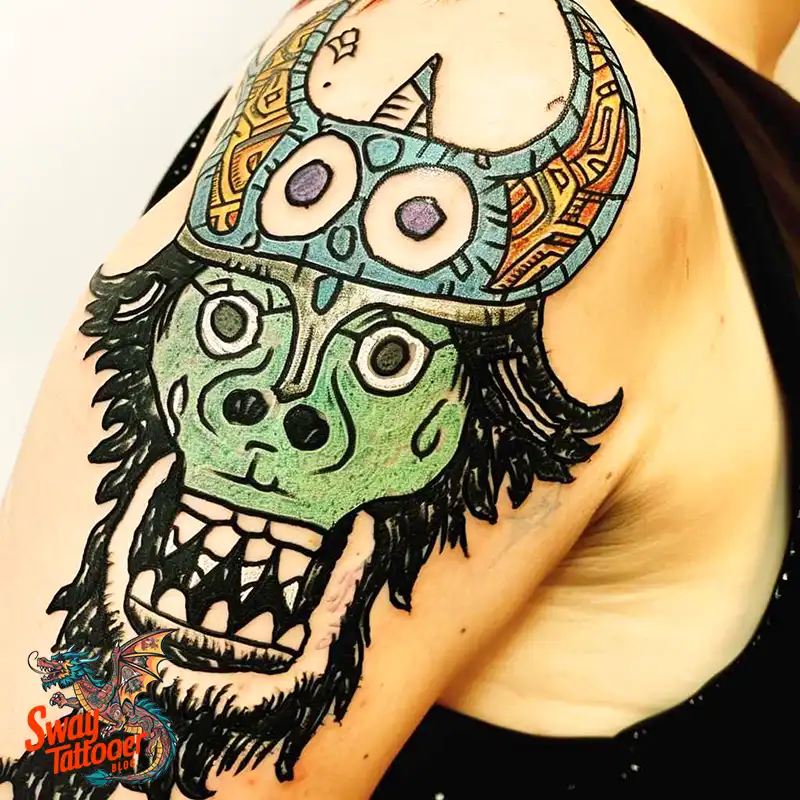
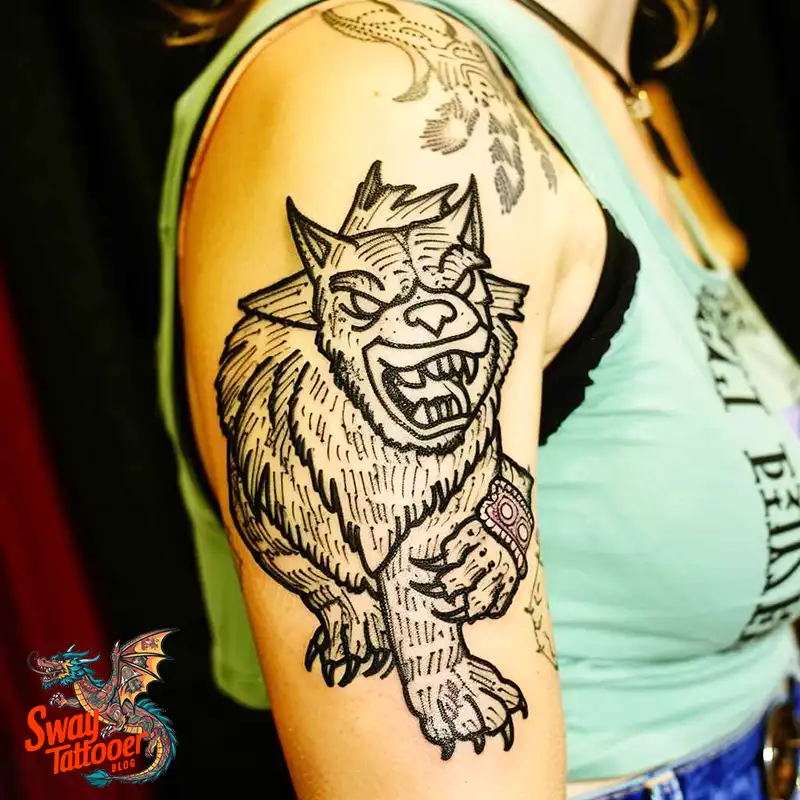
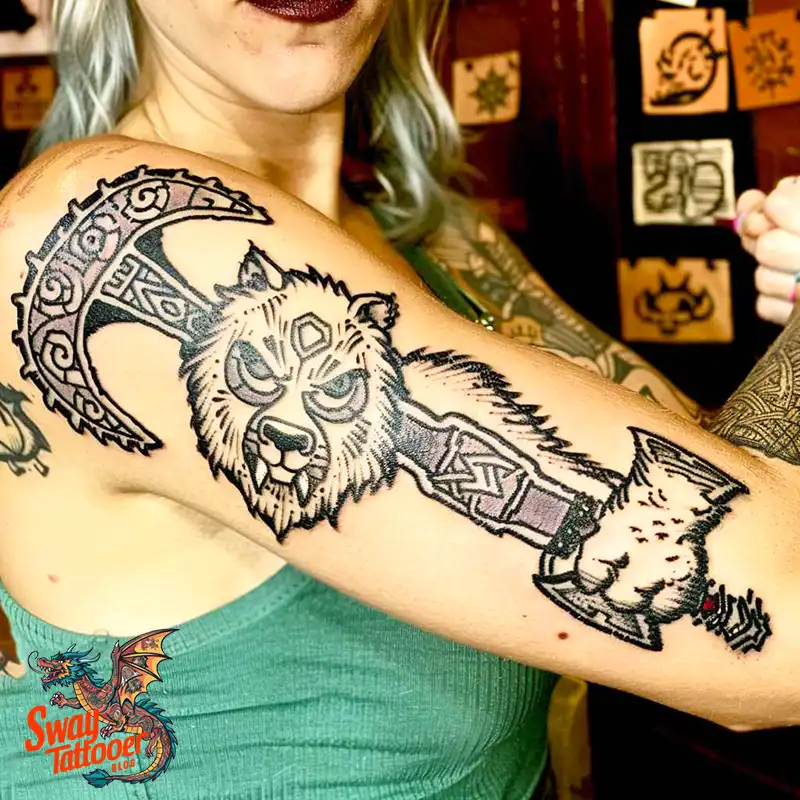
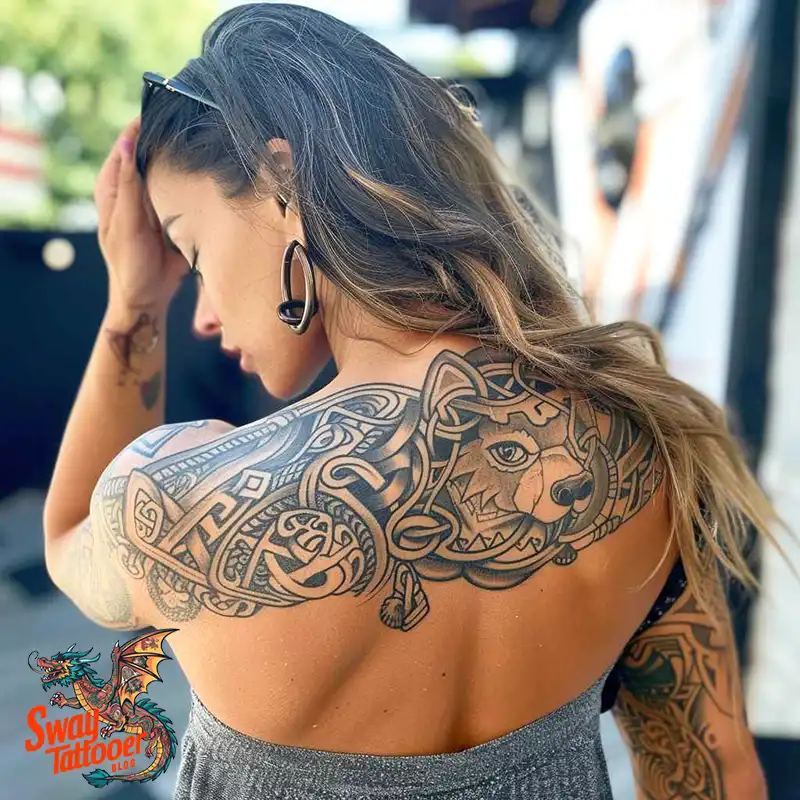
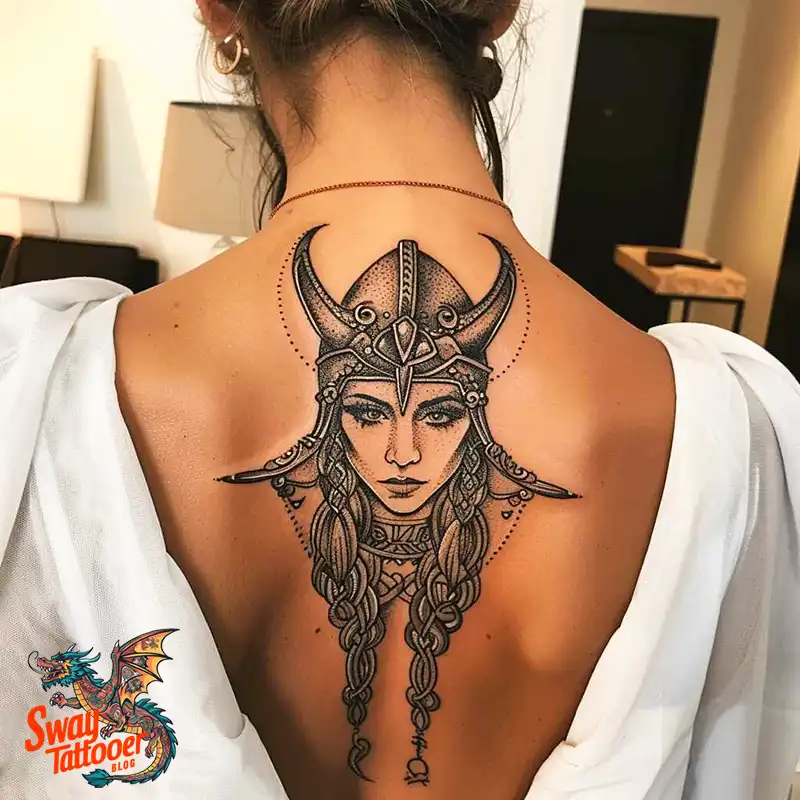

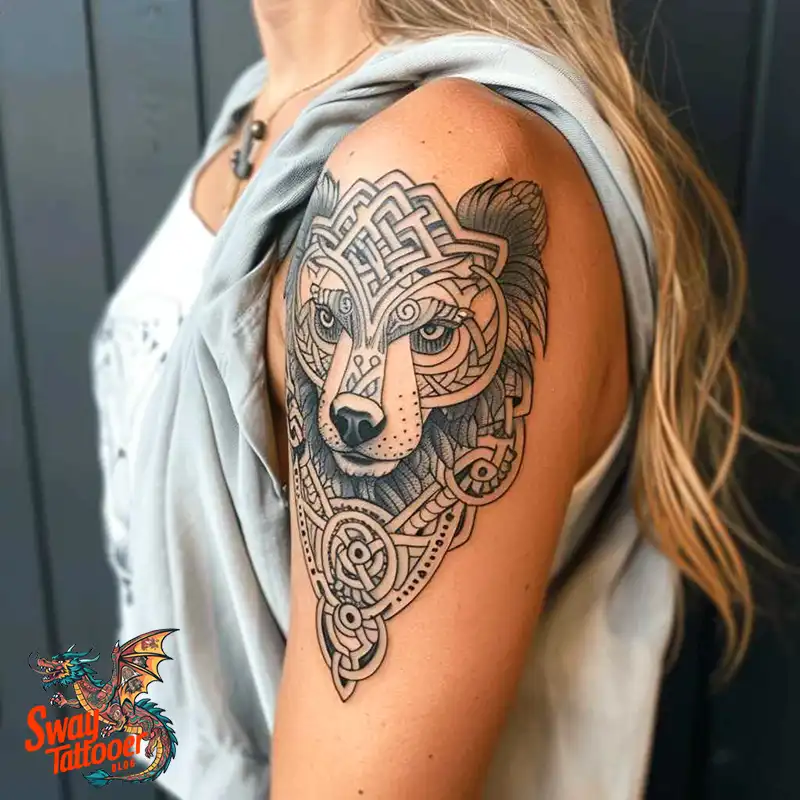
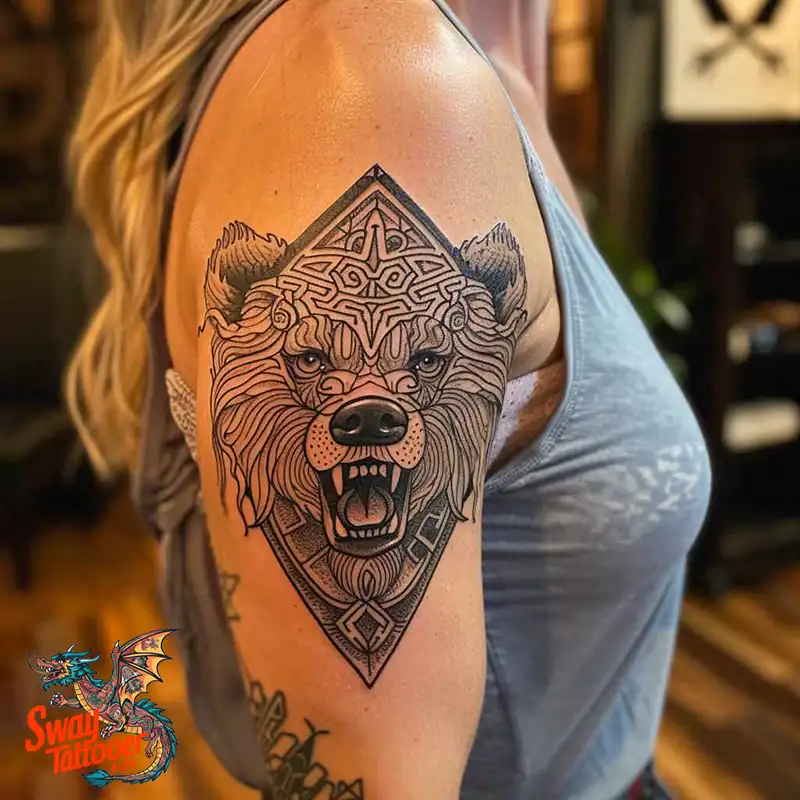
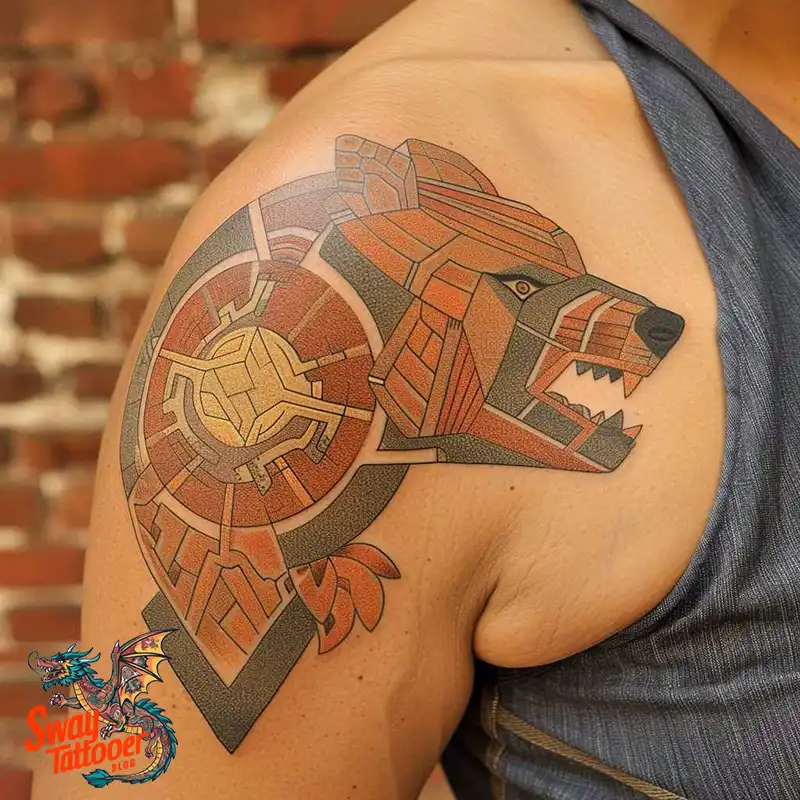
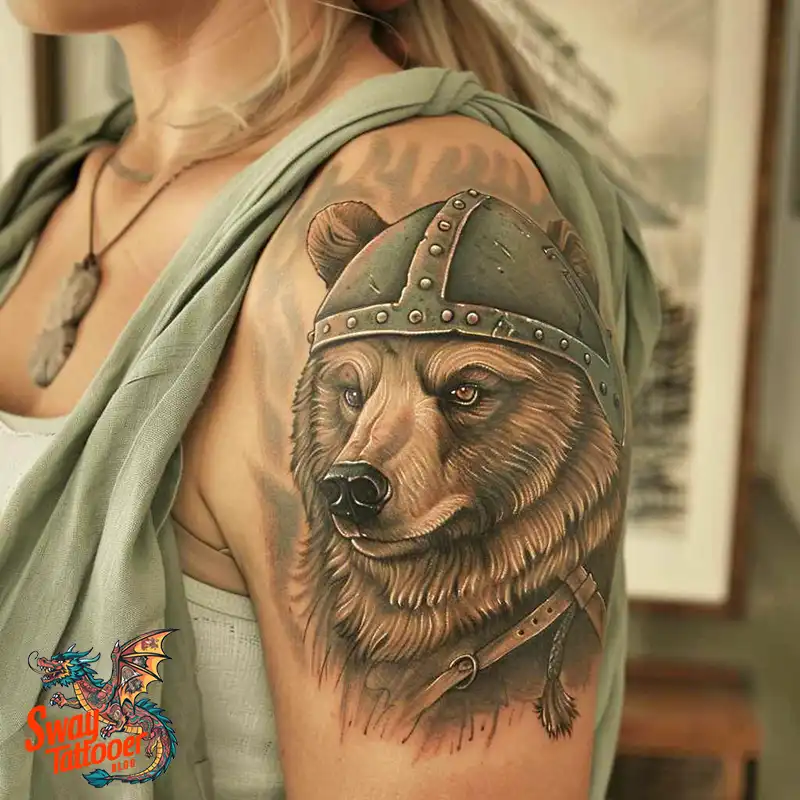
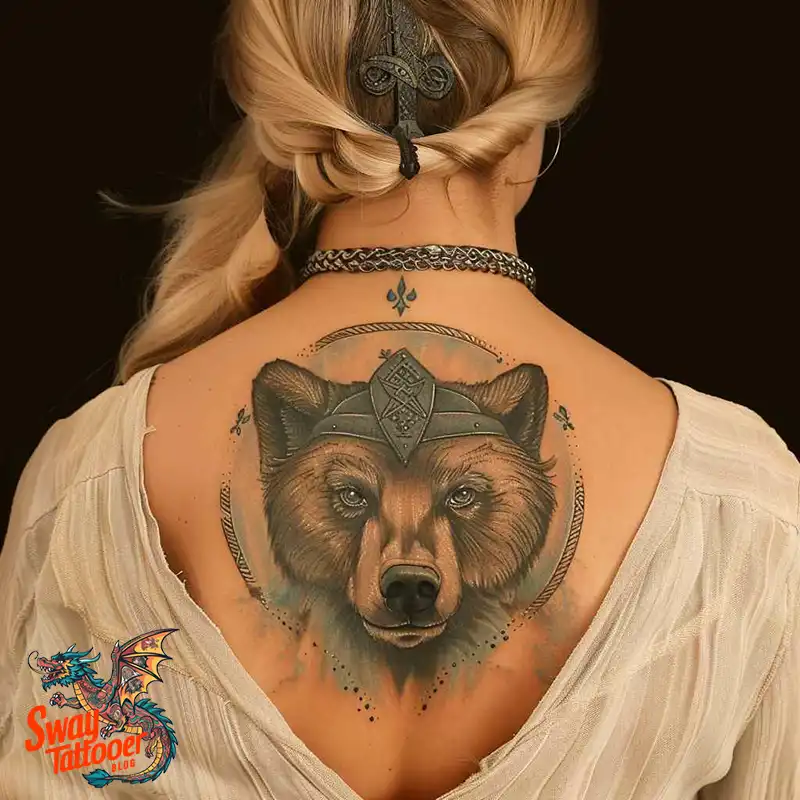
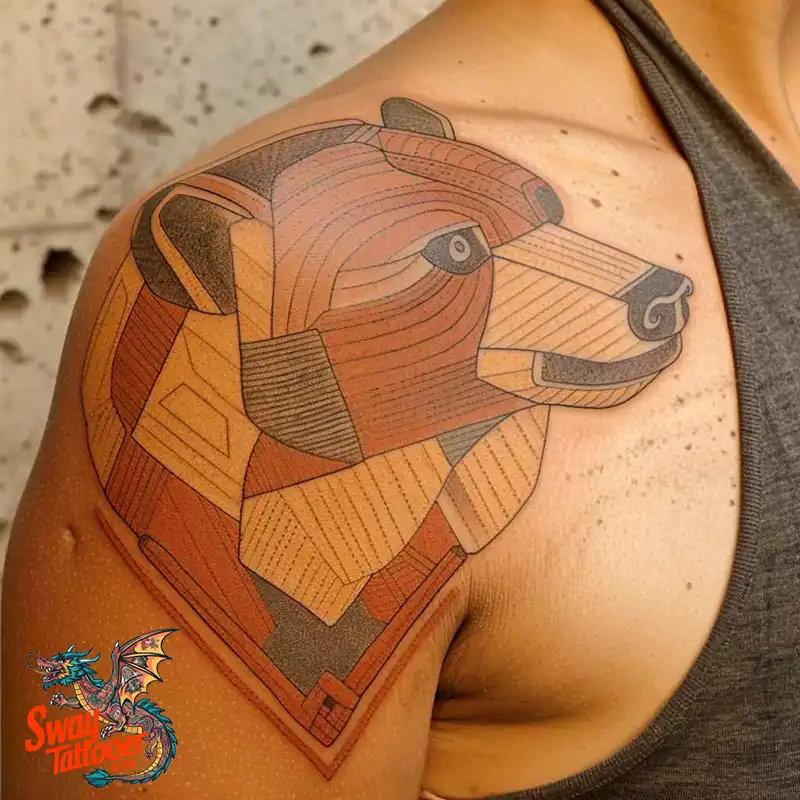
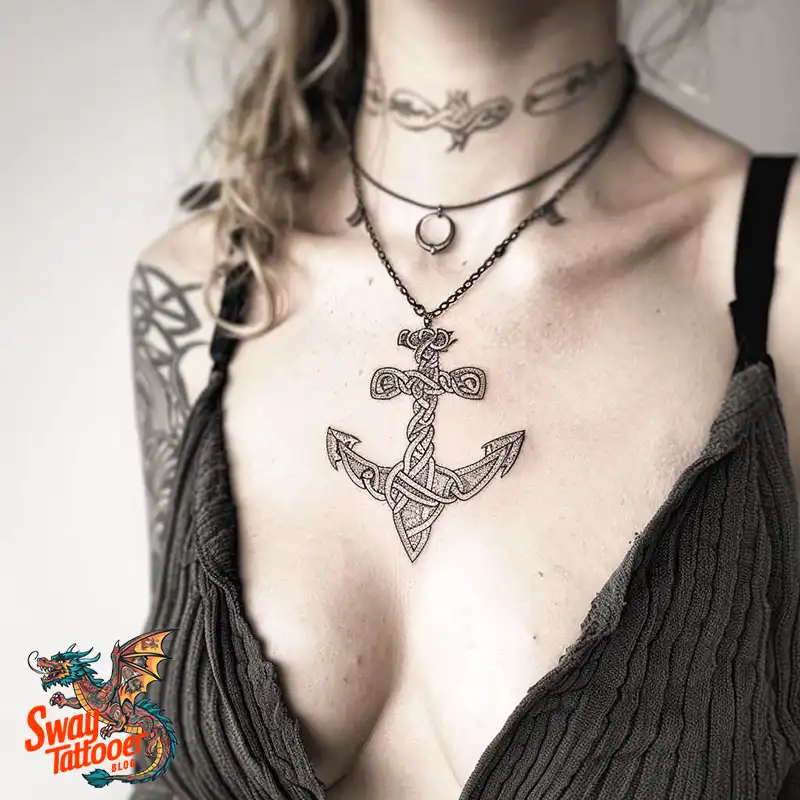

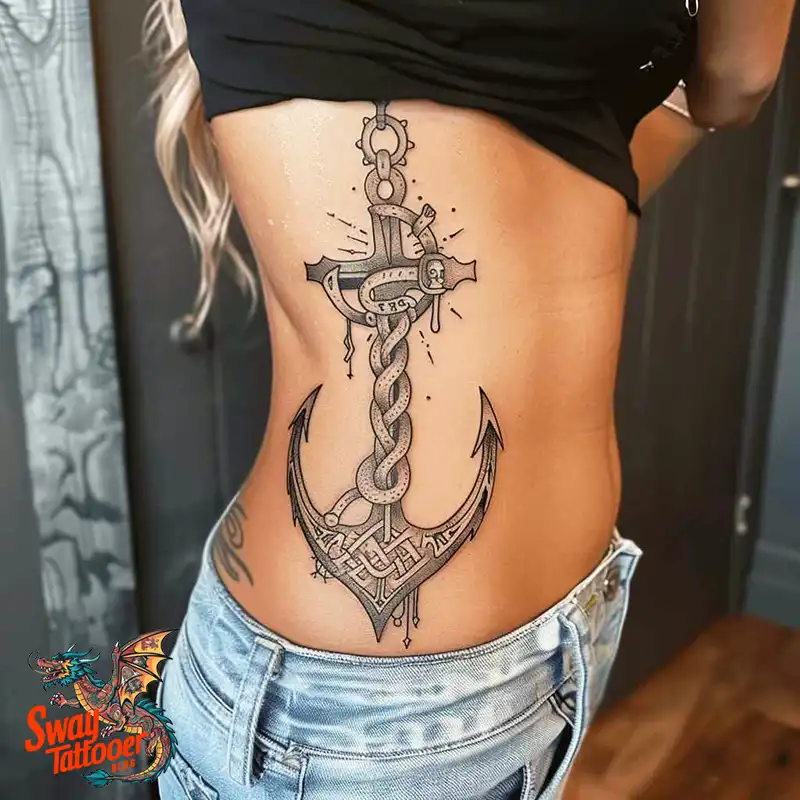
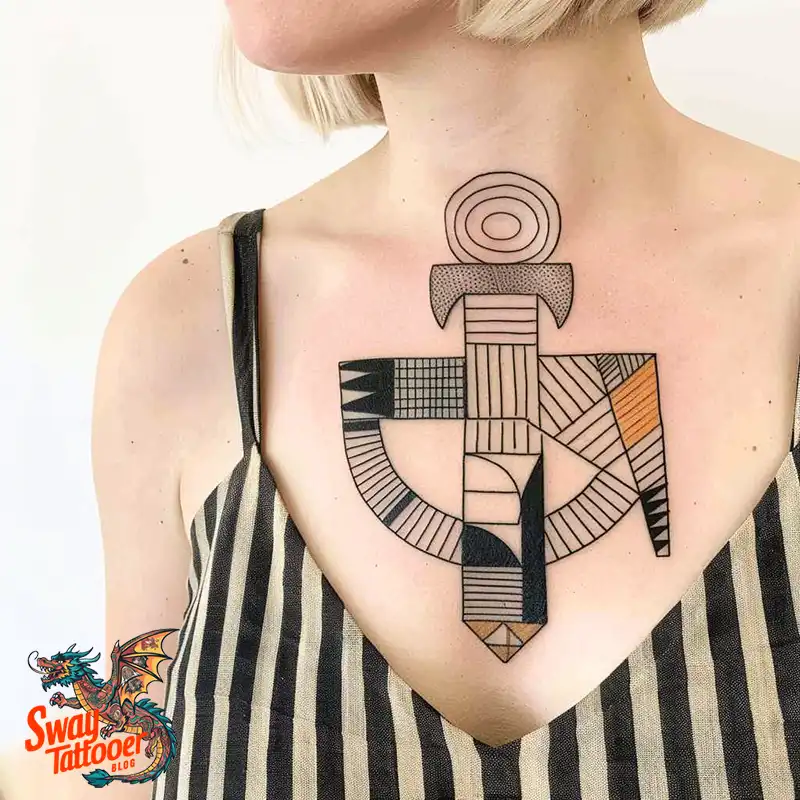
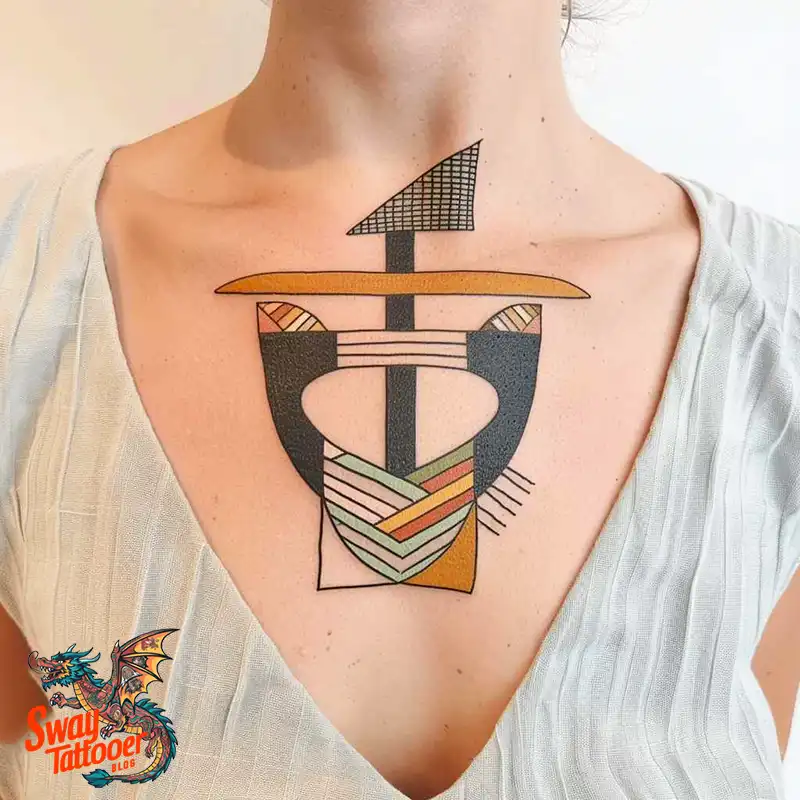
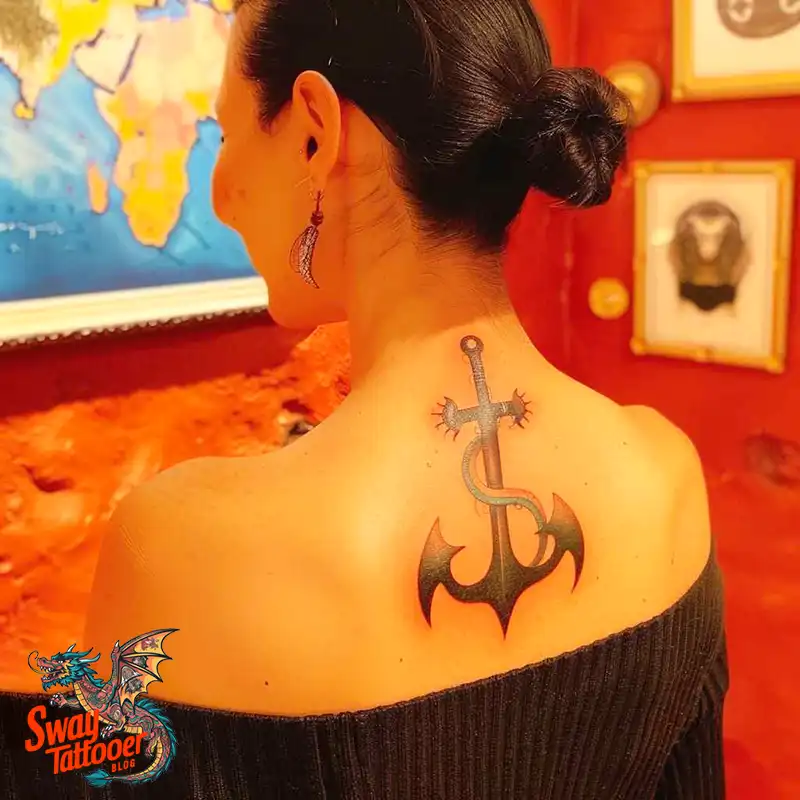

Animals of the North: Wisdom and Power
Vikings loved to use animals in their art. Each one has a special spirit.
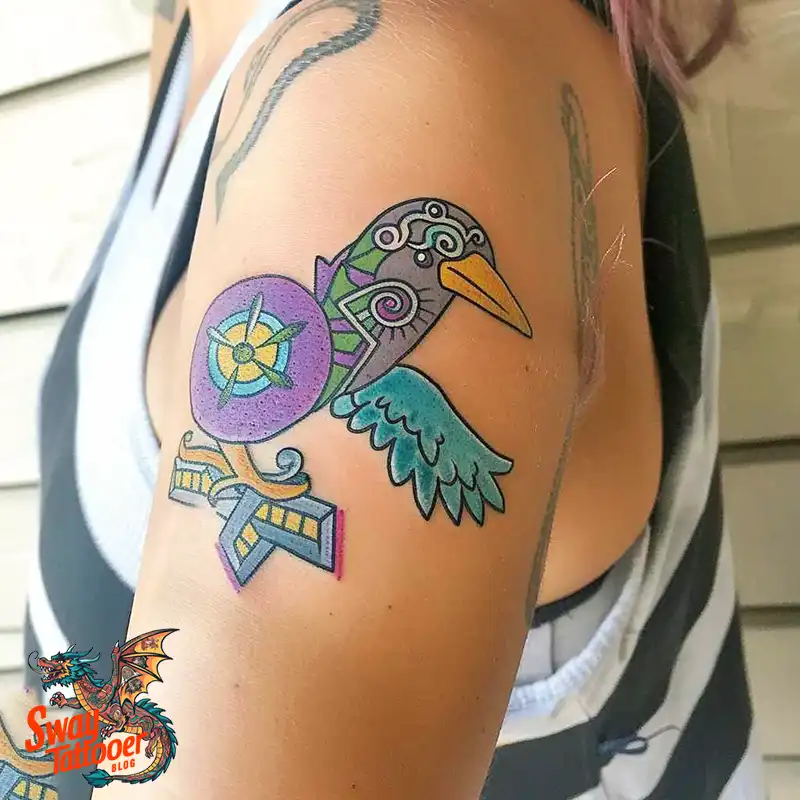
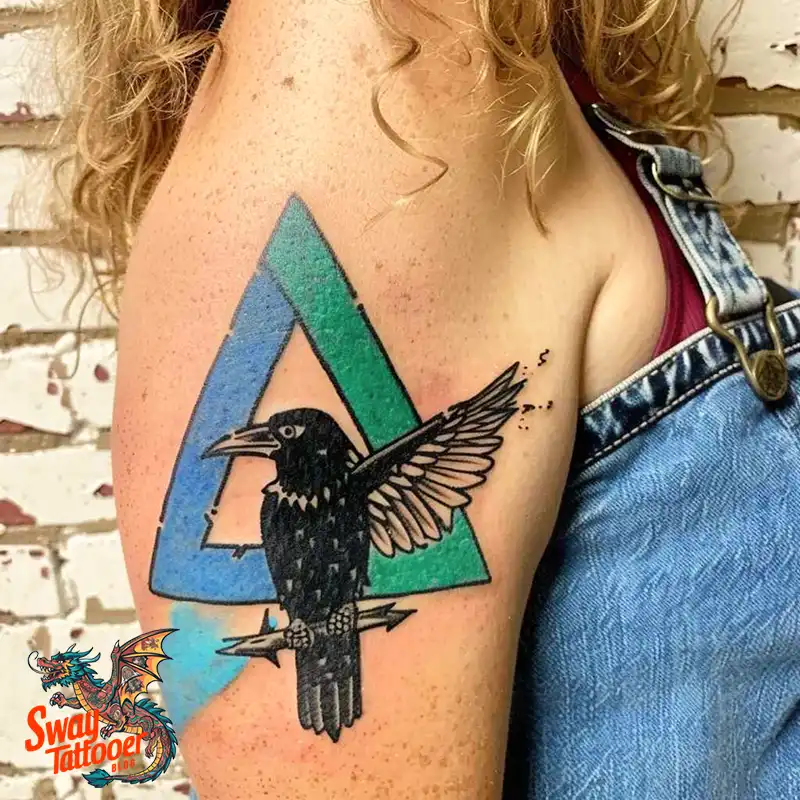
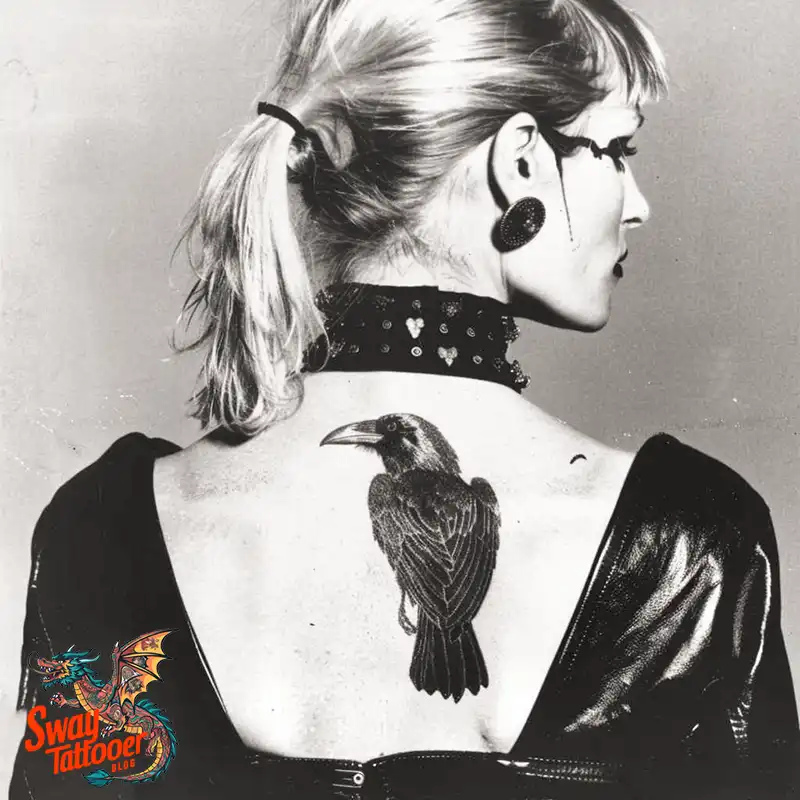
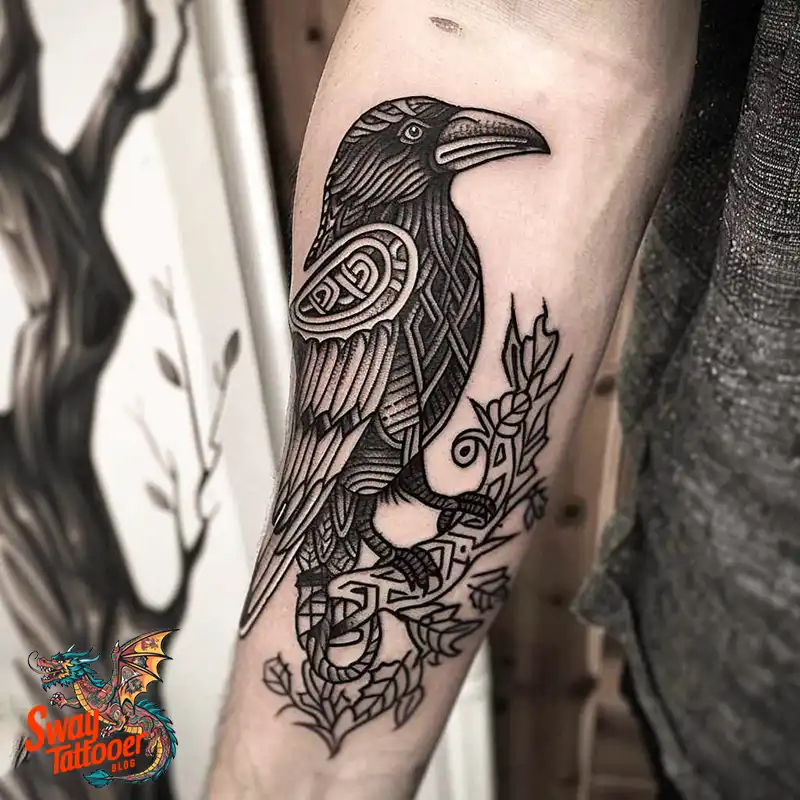
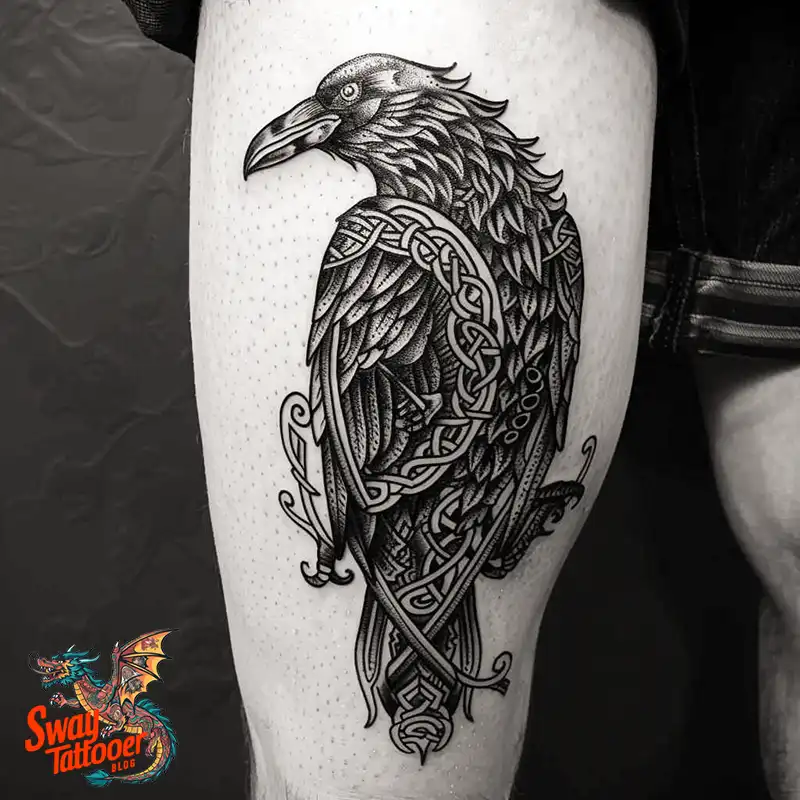
- Ravens: Odin had two ravens named Hugin and Munin. They stand for Thought and Memory. This is a great choice if you value wisdom over brute force.
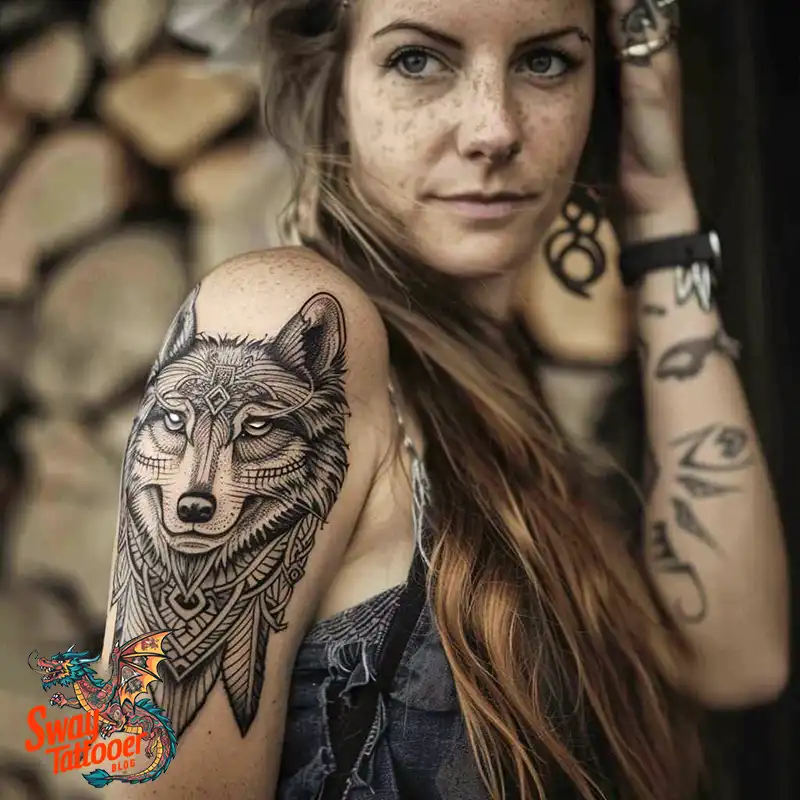
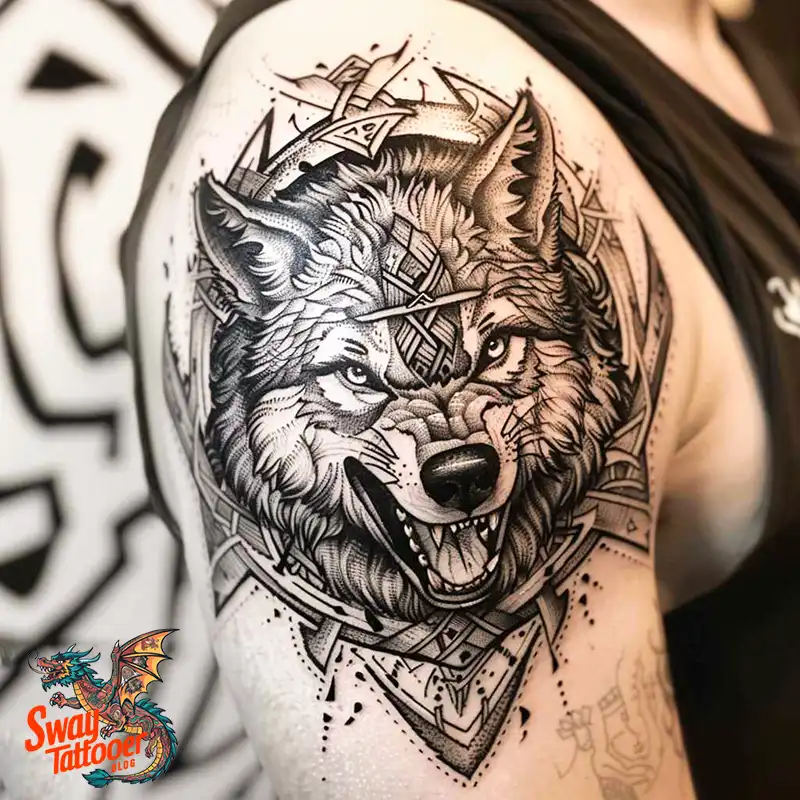
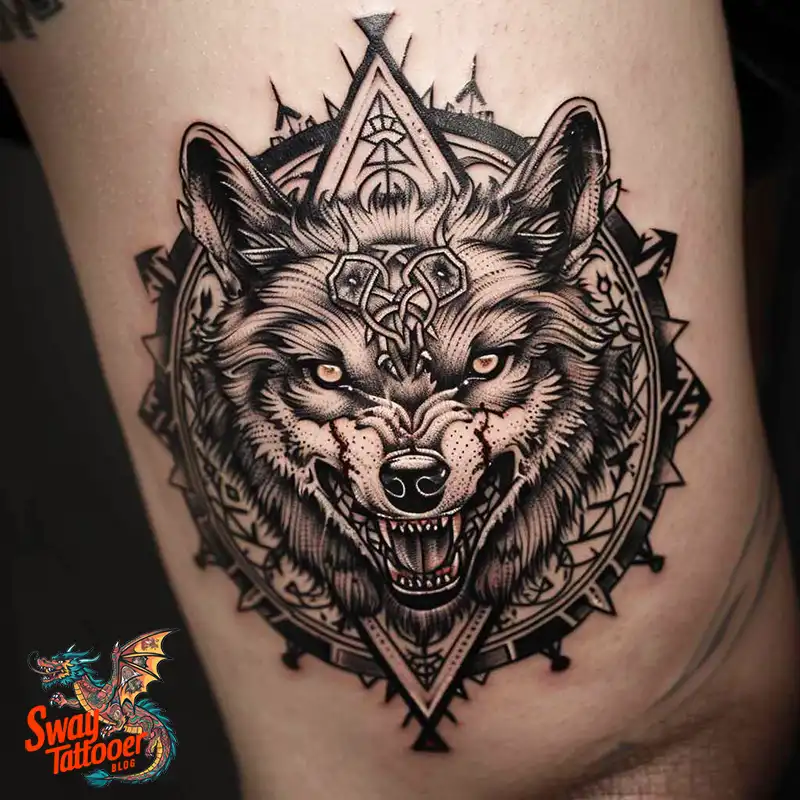
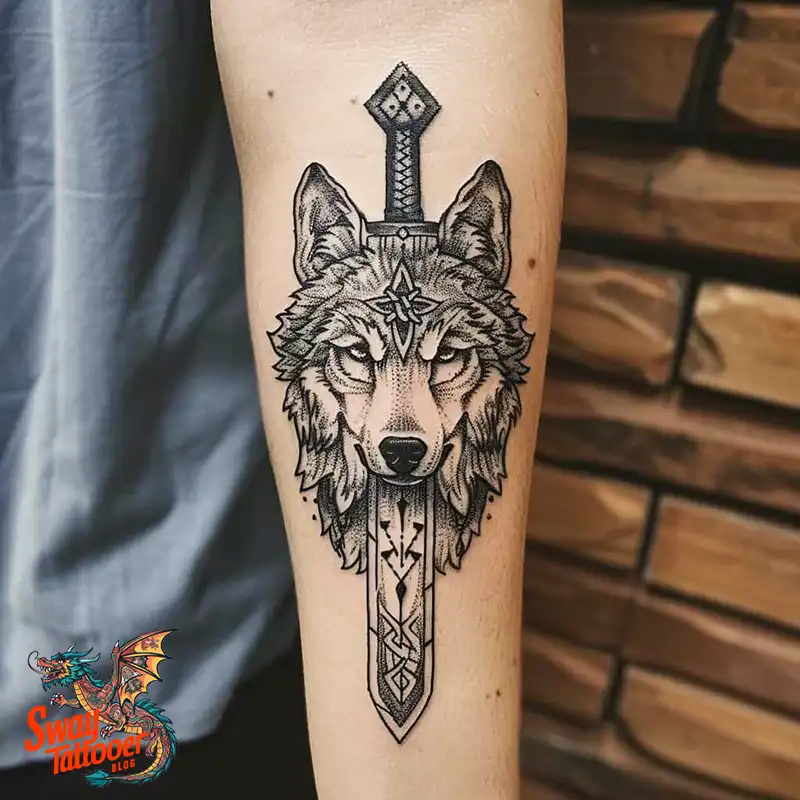
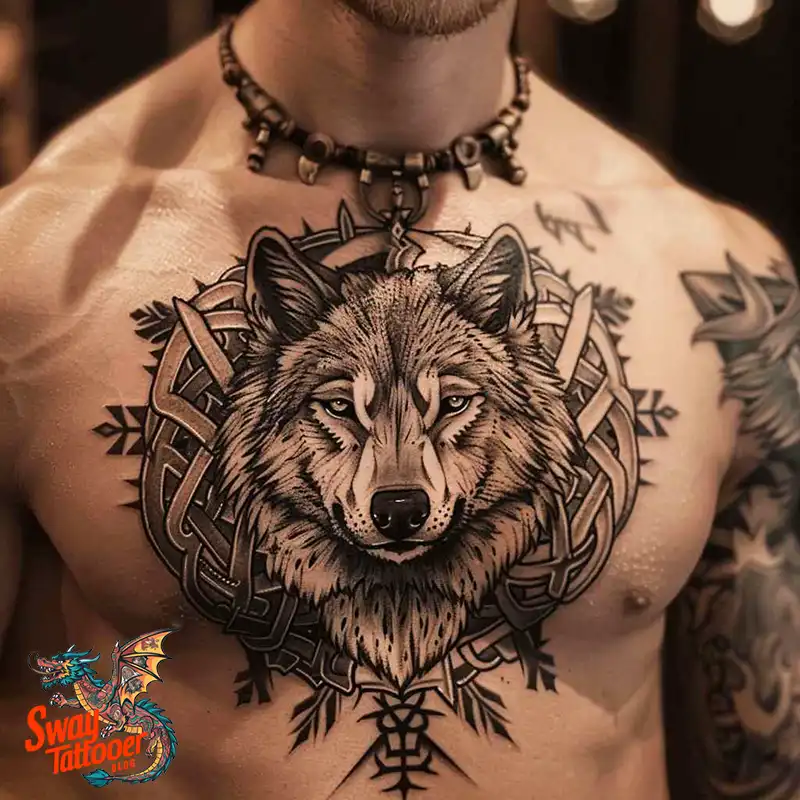
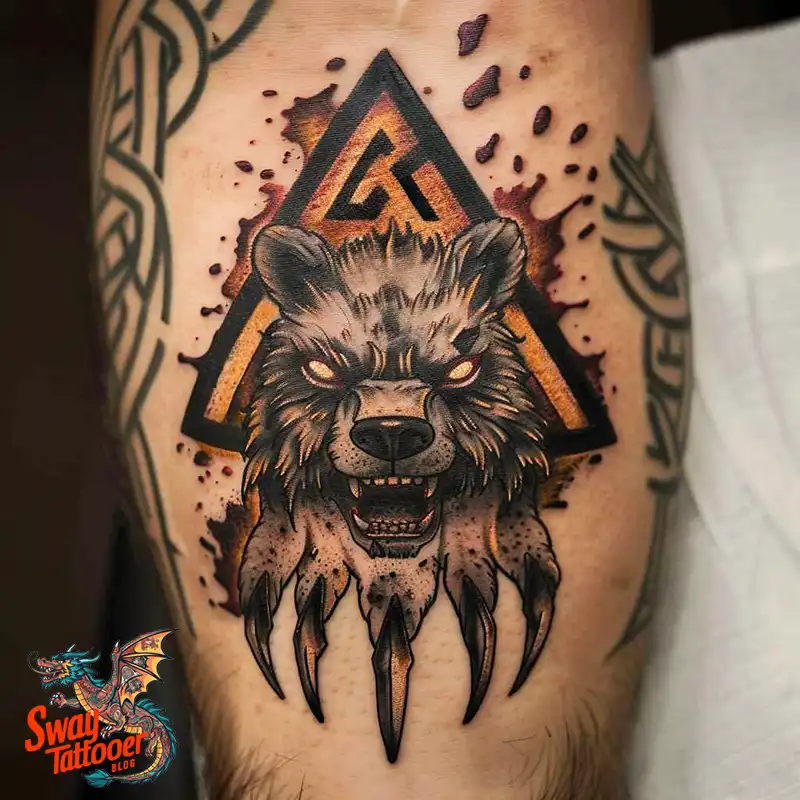
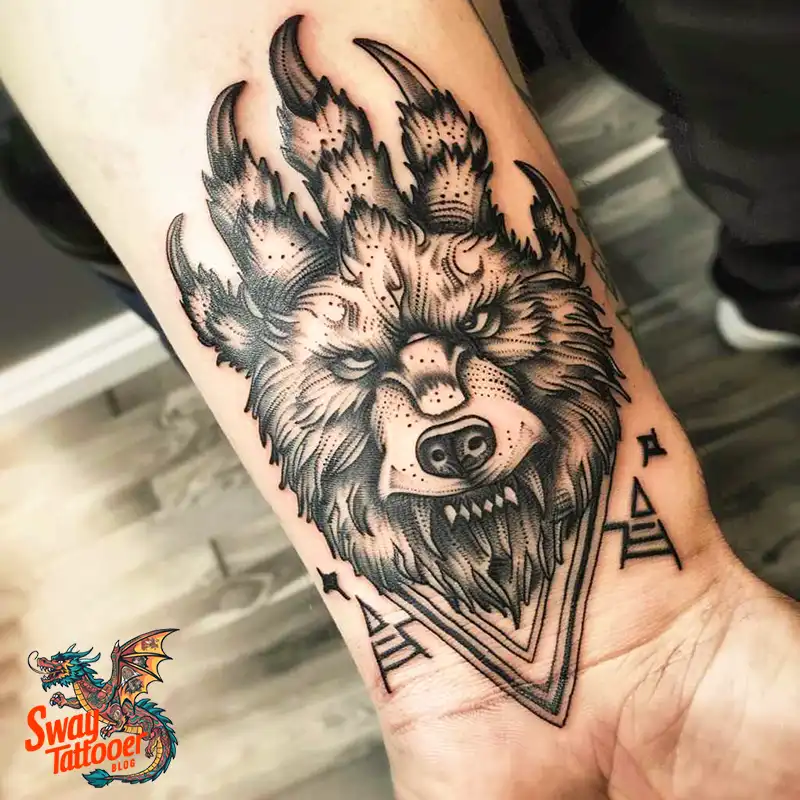
- Wolves: The wolf Fenrir is a symbol of wildness and chaos. But Odin’s wolves, Geri and Freki, represent loyalty.
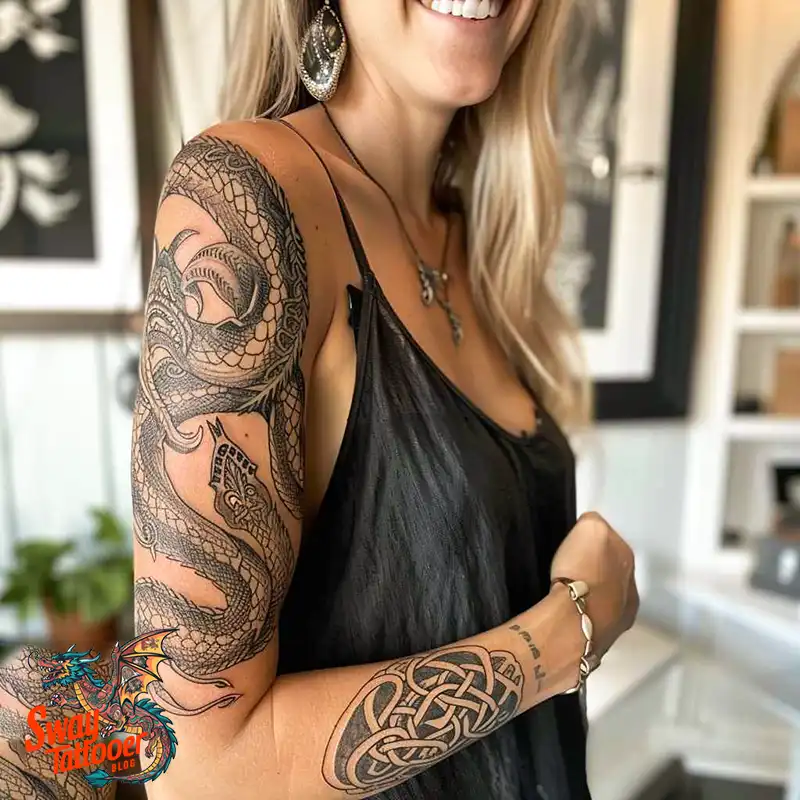
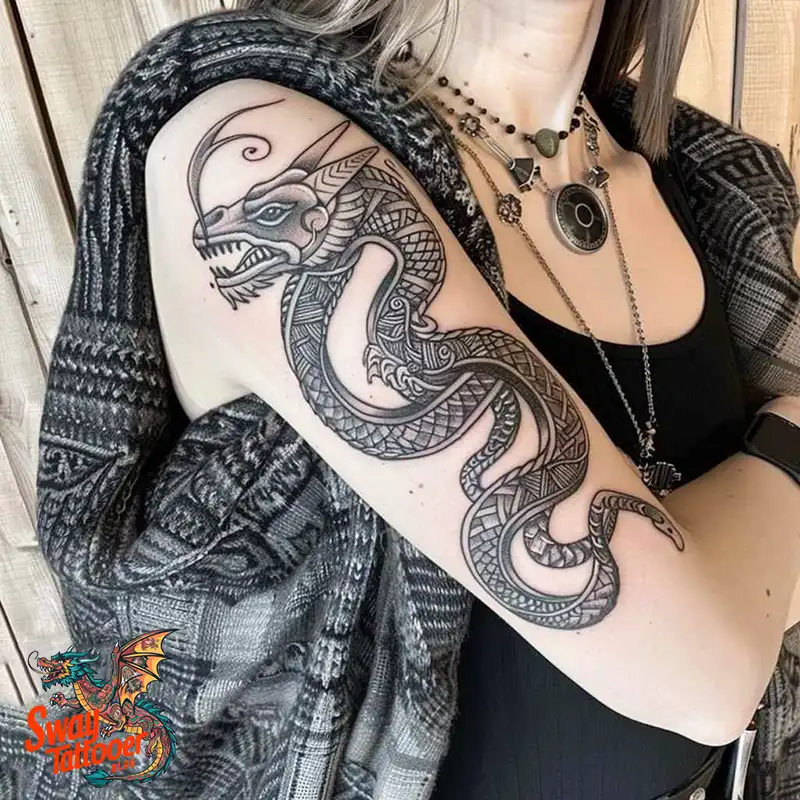
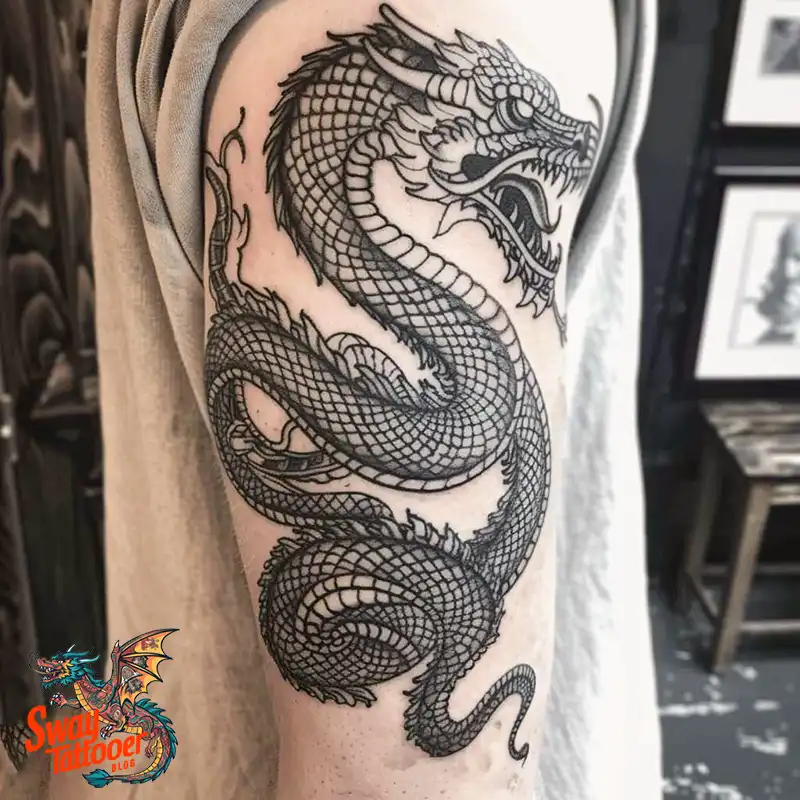
- The Serpent: Jormungandr is the serpent that wraps around the whole world. It shows that life moves in a circle.
Choosing the right symbol is just the first step. To get a tattoo that truly feels like a piece of history, you need to pick a specific art style. In my shop, I see many people who just want “Viking tattoo art.” But the Norse people changed their style over hundreds of years.
Picking Your Art Style: From Ancient to Modern
If you want your ink to look real, here are the three styles I recommend most:
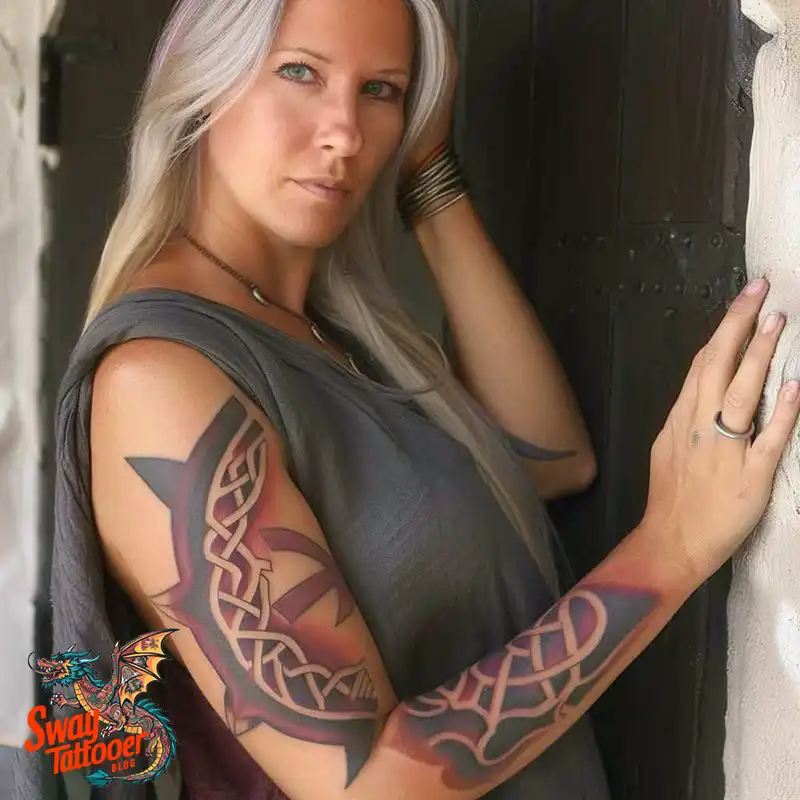
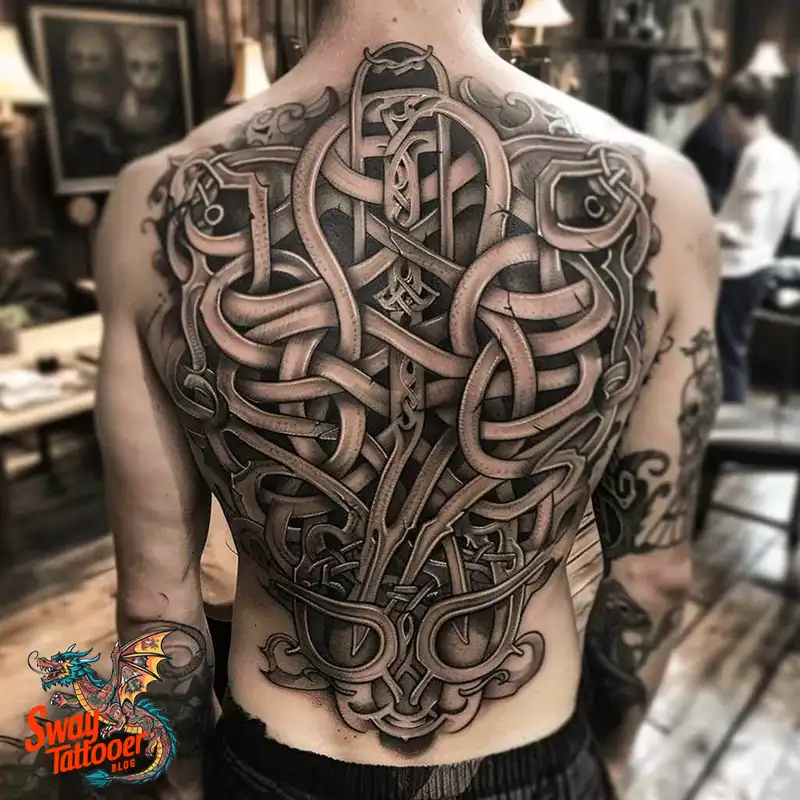
- Jelling Style: This features “ribbon animals.” They are long, S-shaped creatures. This style is very fluid. It looks great as an armband or wrapped around a leg.
- Oseberg Style: This is the look of the “gripping beast.” It shows muscular creatures that seem to grab the edges of the design. It is very bold and strong.
- Urnes Style: This is the most elegant choice. It uses very thin, looping animals. It looks like fine lace made of dragons.
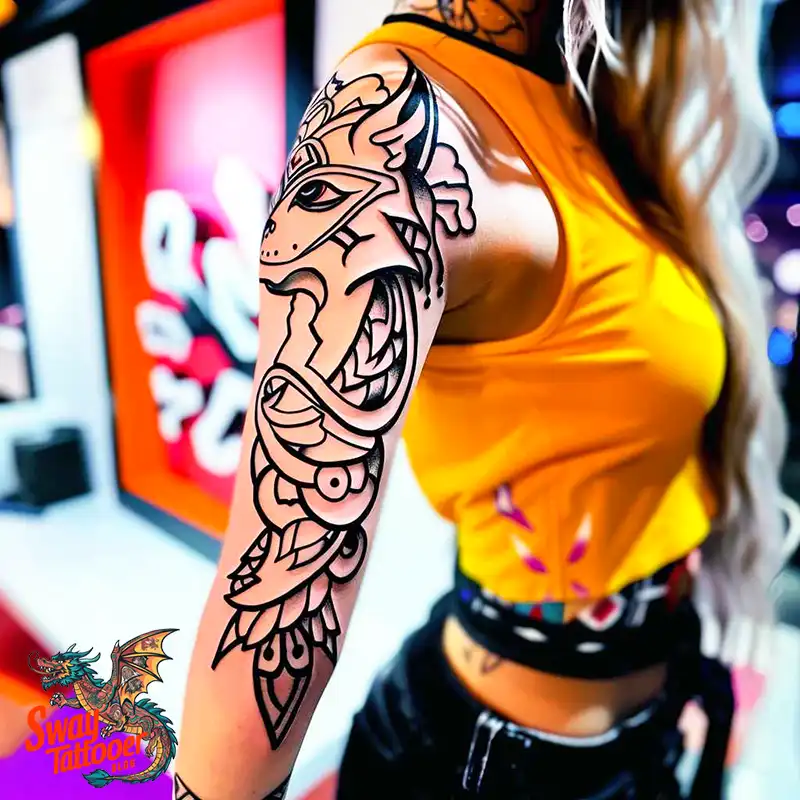
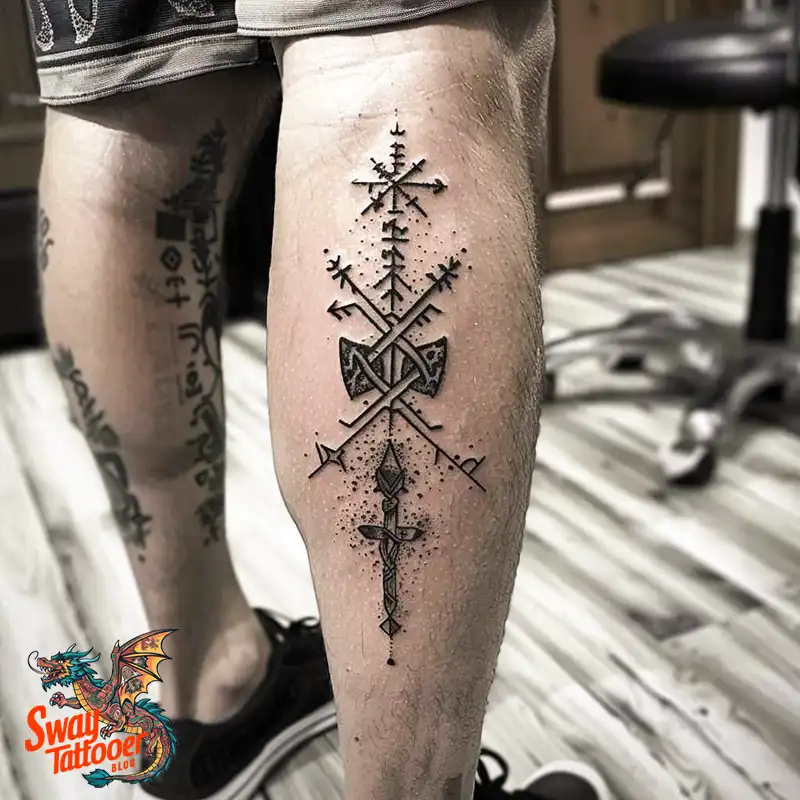
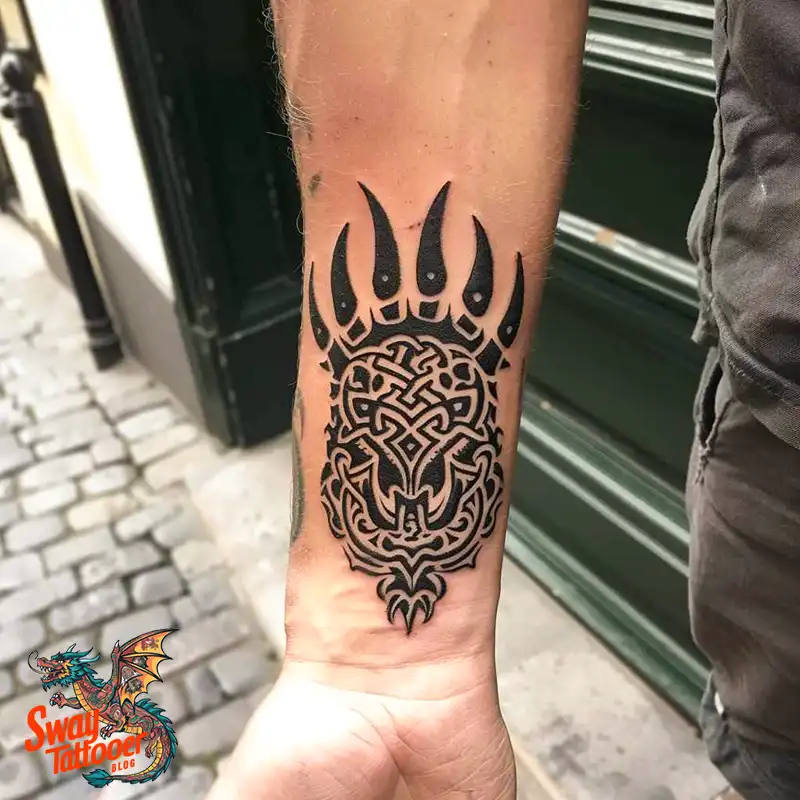
Today, many of my clients also love Nordic Blackwork. We use heavy black ink and tiny dots to make the skin look like carved stone or wood.
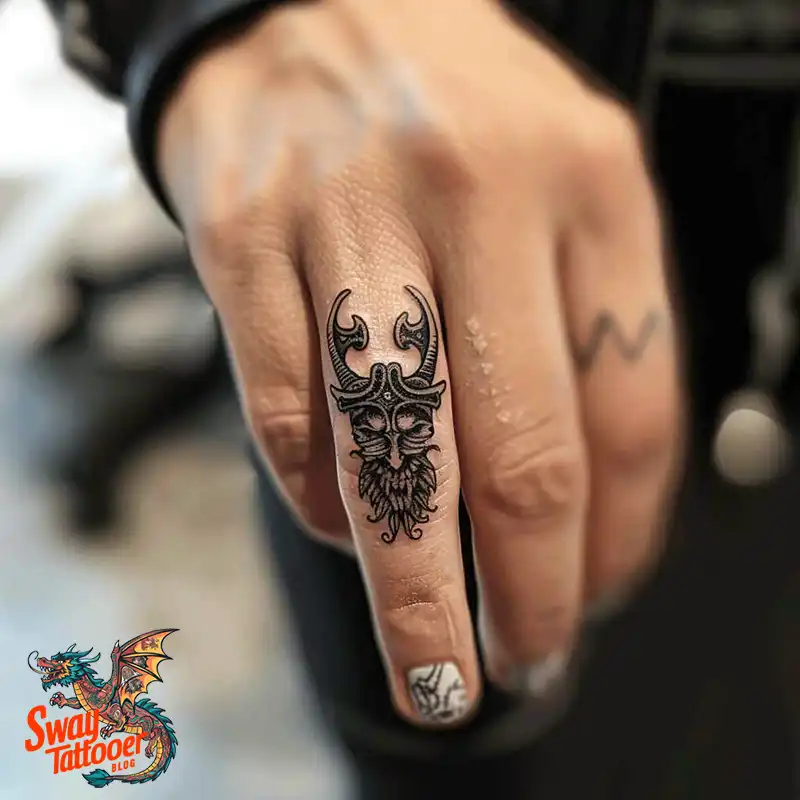

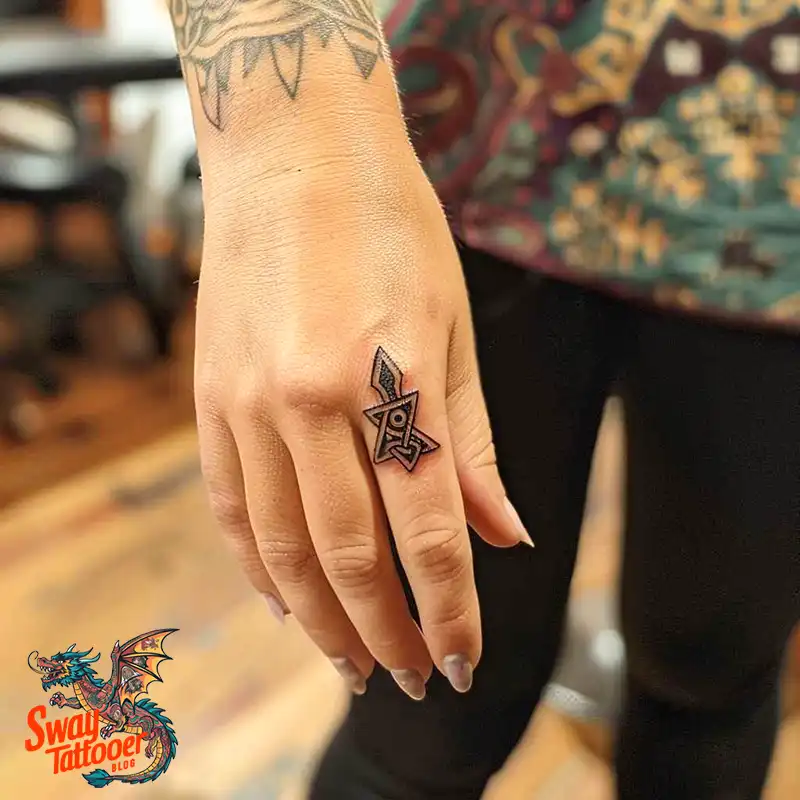
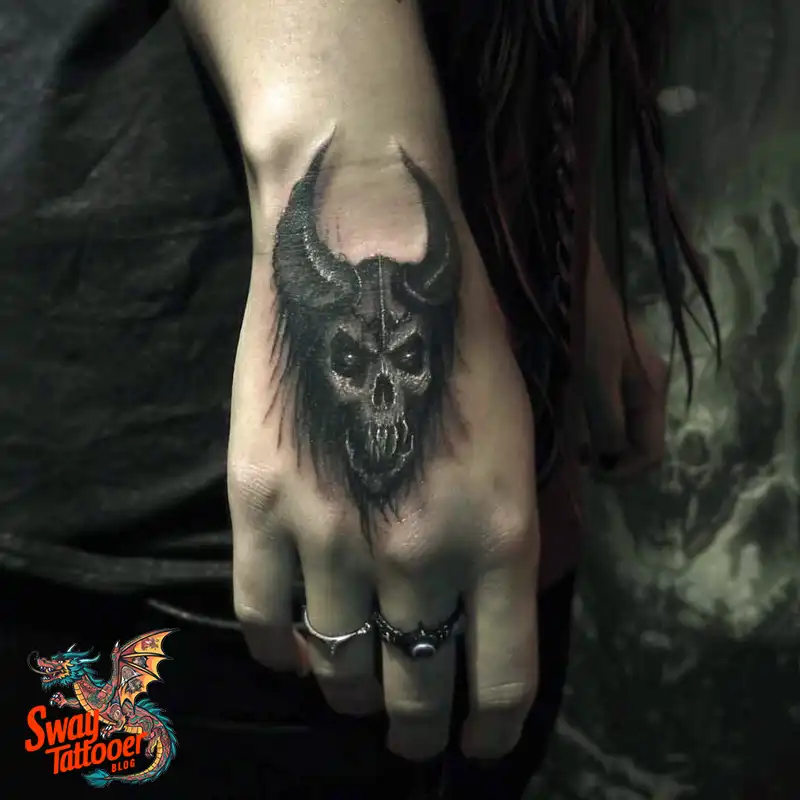
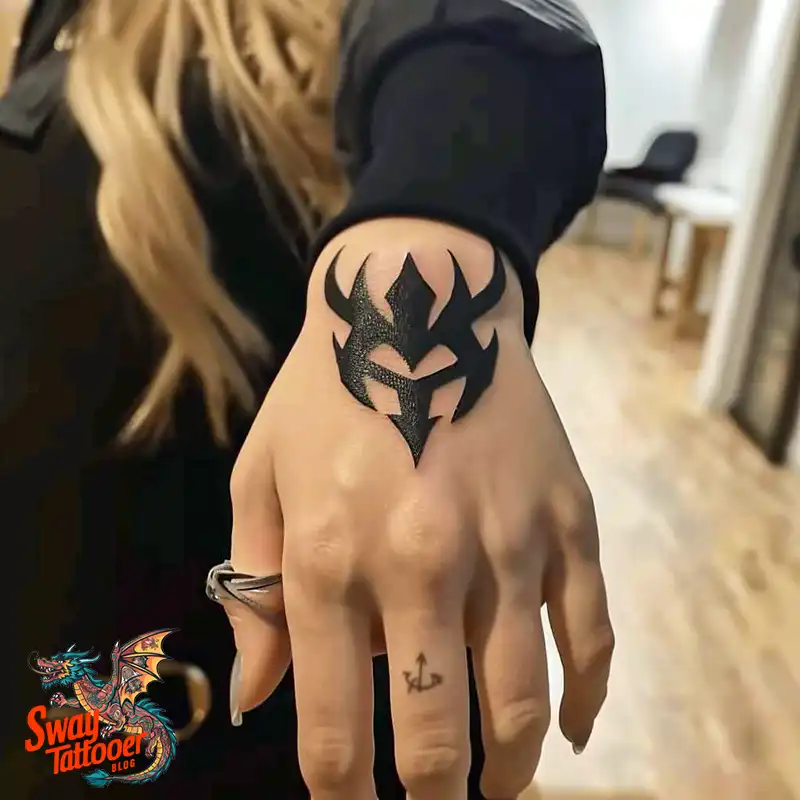




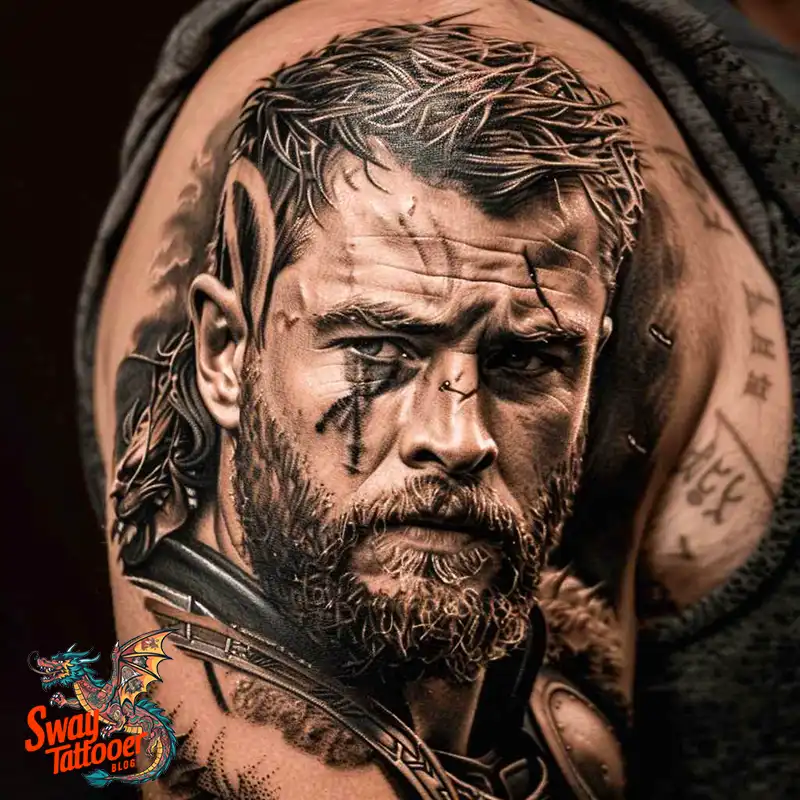
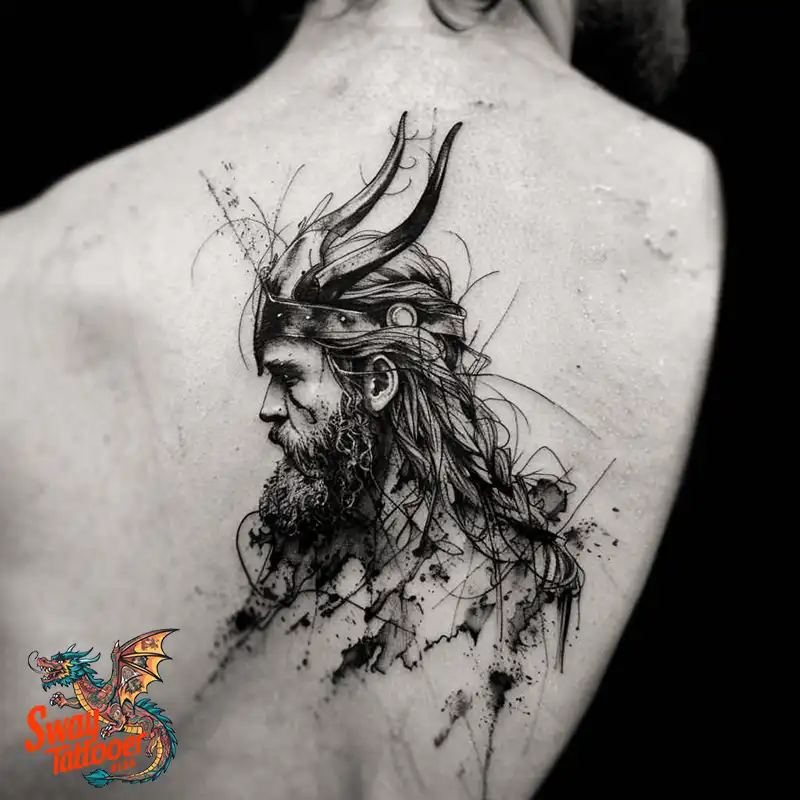
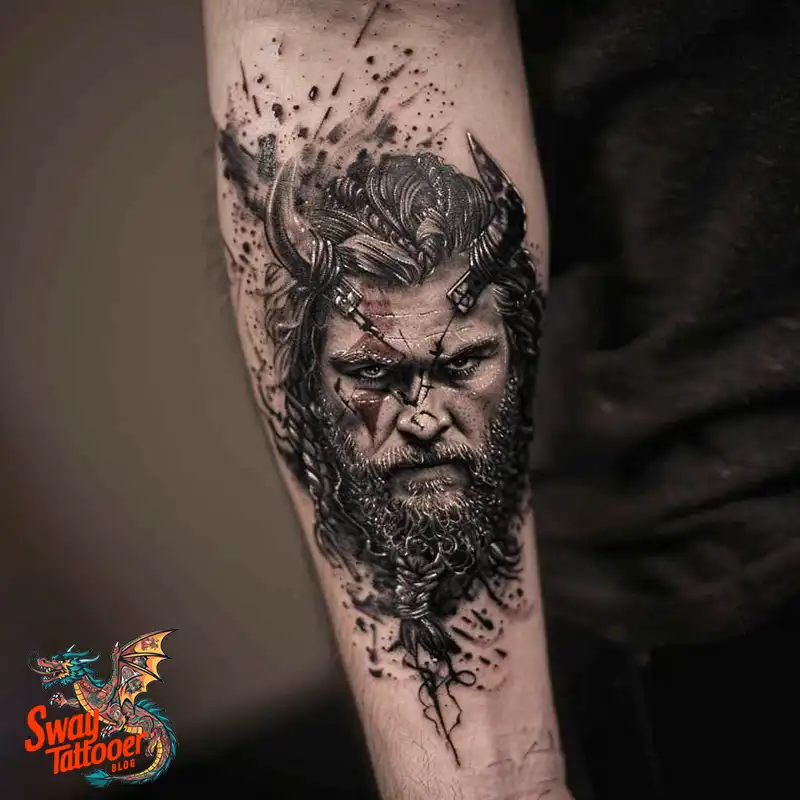
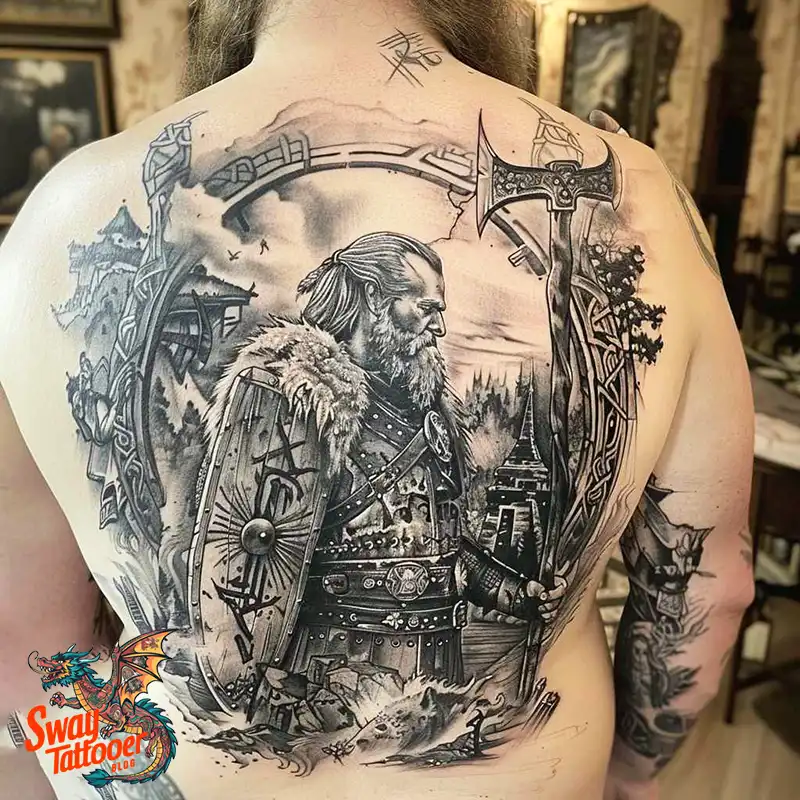
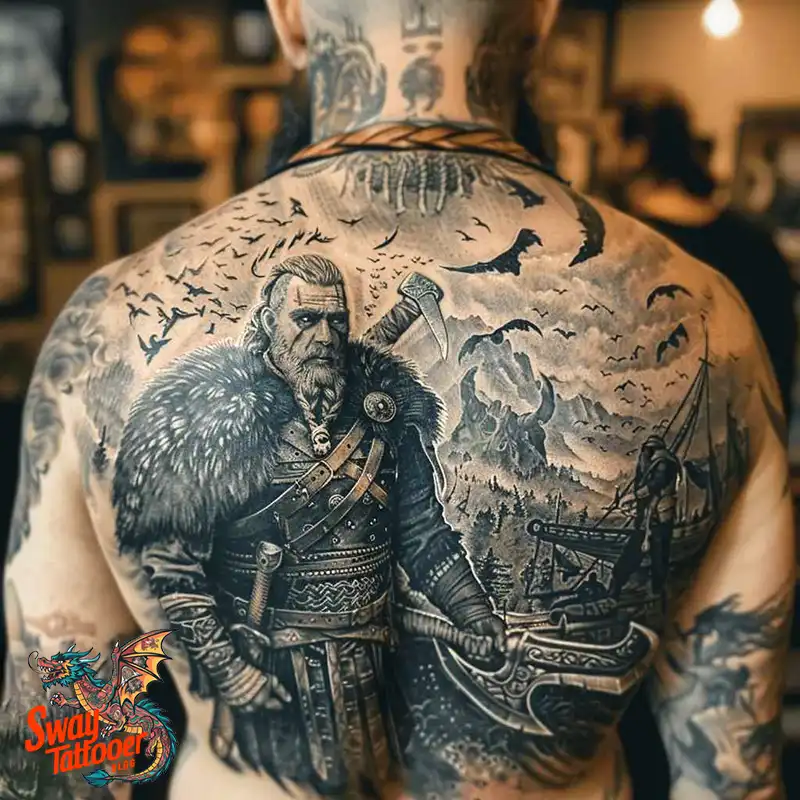
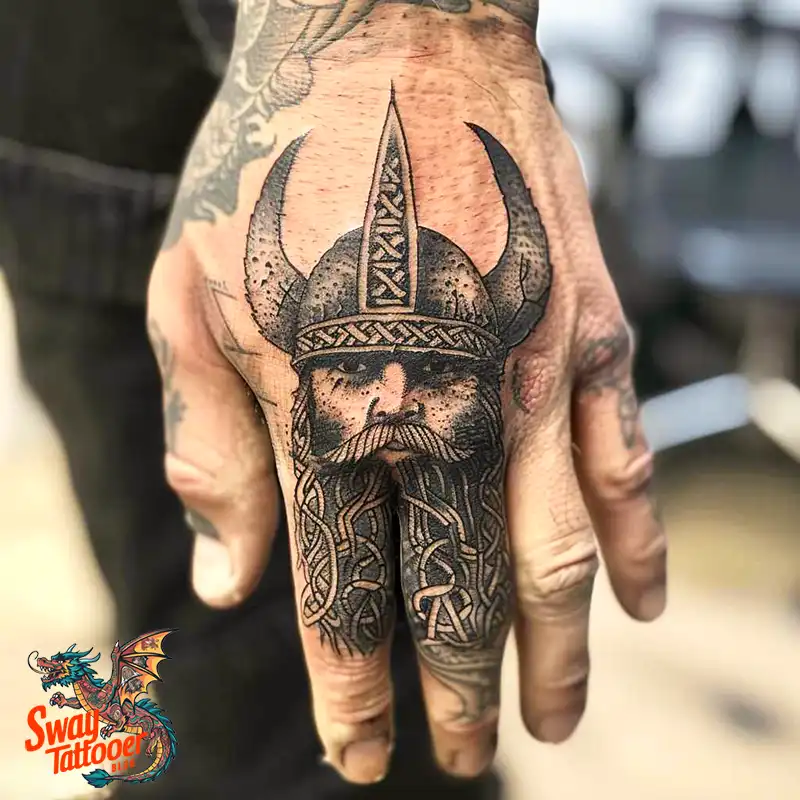
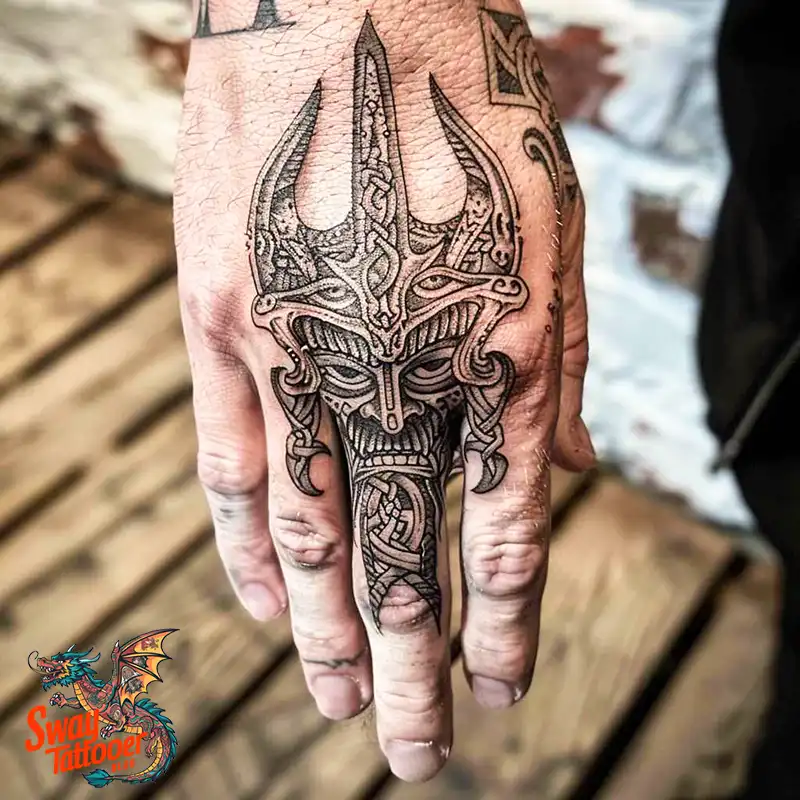
Where Does It Hurt? (The Warrior’s Test)
I always tell my clients that pain is part of the process. But you can choose how much you want to feel! Since I have been doing this for years, I have made a simple guide to help you pick a spot.
| Body Part | Pain Level (1-10) | Why it hurts |
| Outer Forearm | 2-3 | Thicker skin and fewer nerves. |
| Outer Shoulder | 3-4 | Good padding for big portraits. |
| Spine | 8-10 | The needle vibrates on the bone. |
| Rib Cage | 9-10 | Very thin skin and lots of nerves. |
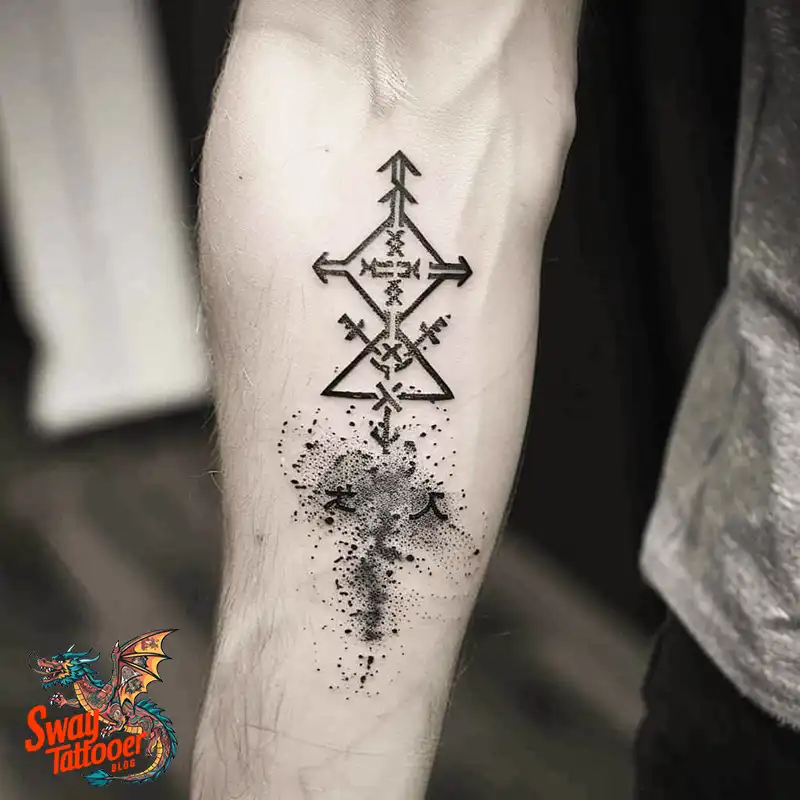
Artist Tip: If this is your first tattoo, start with your forearm. It is easy to sit through and shows off the detail of the runes perfectly.
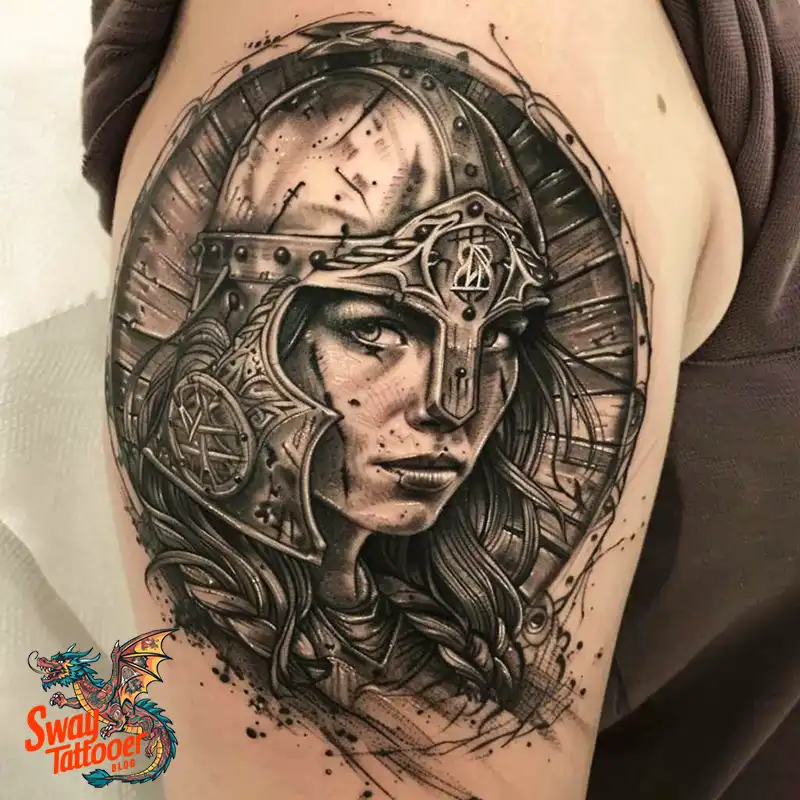
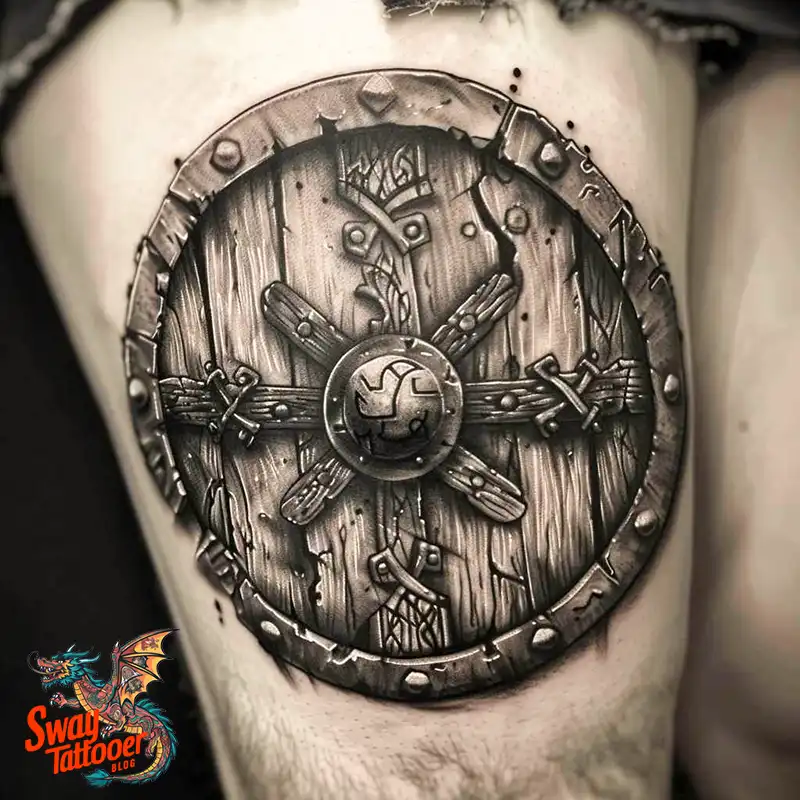
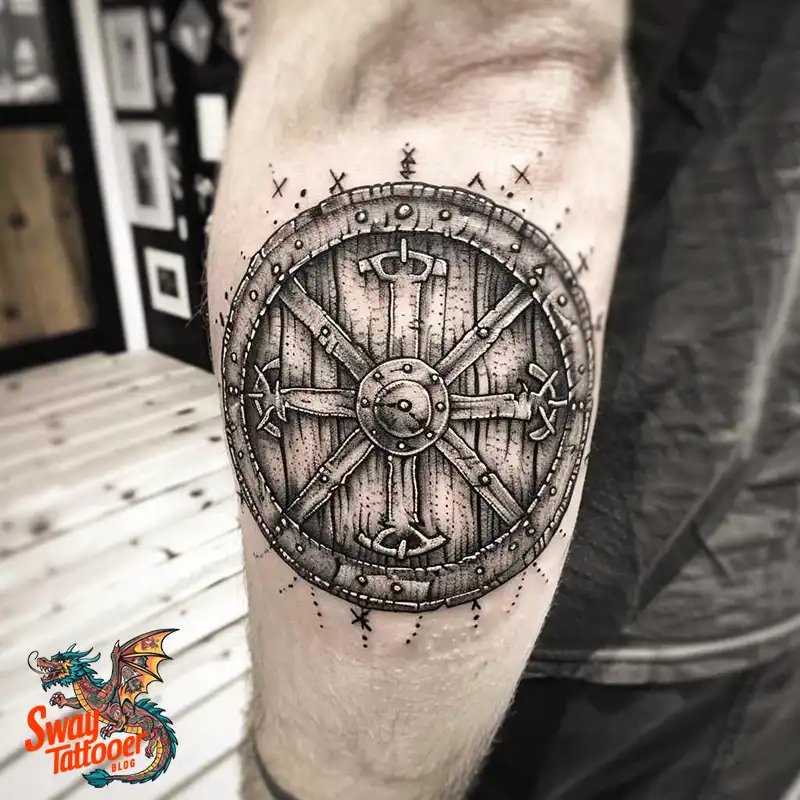
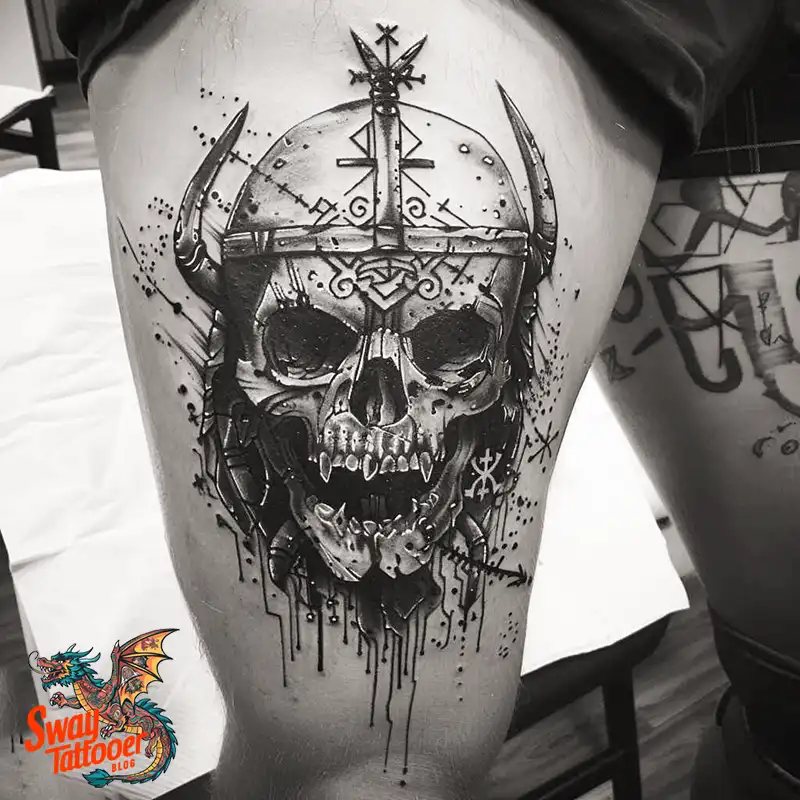
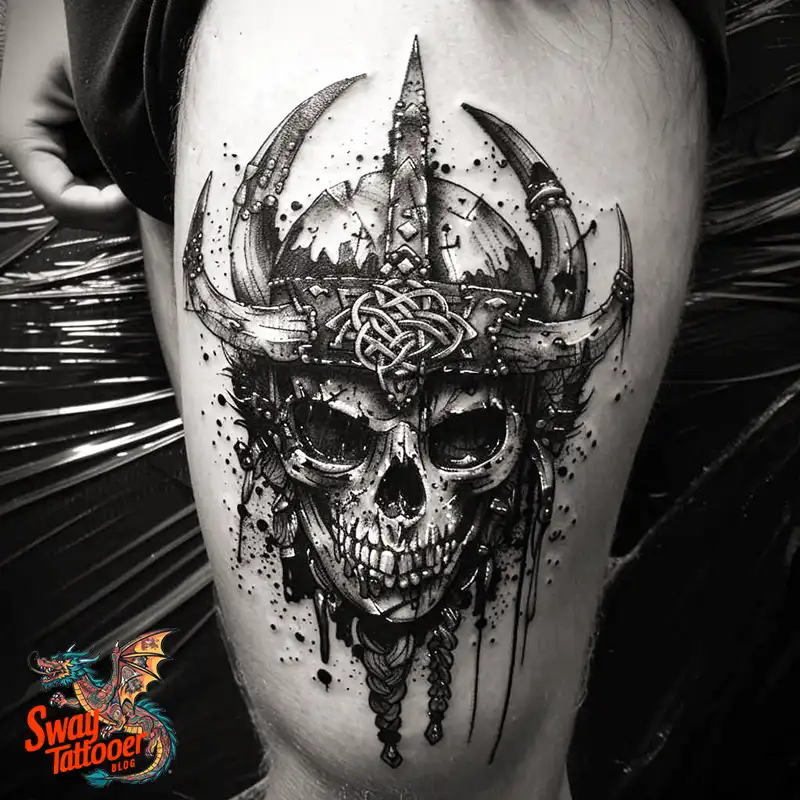
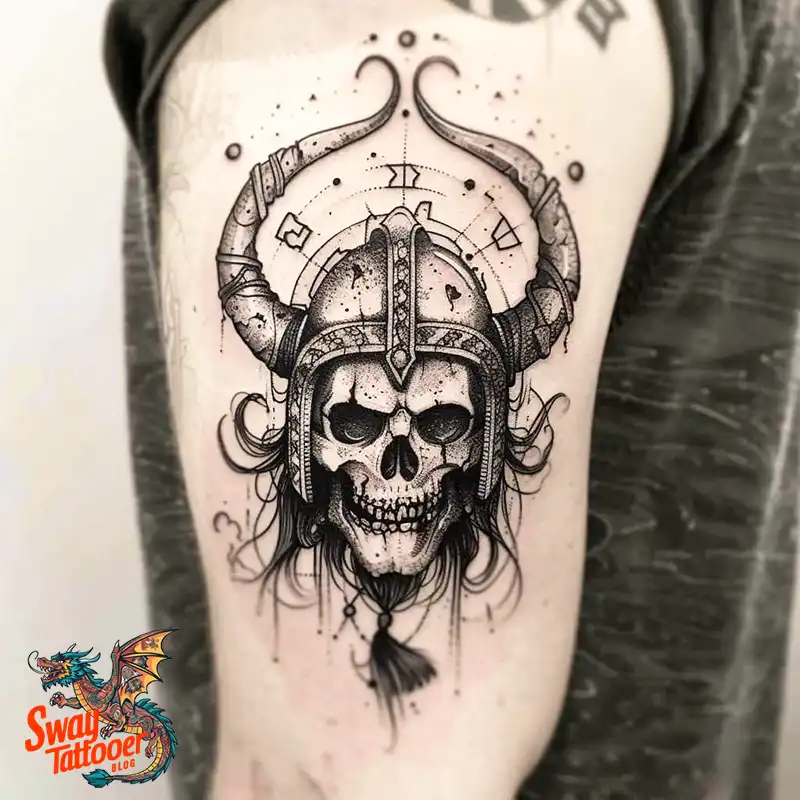
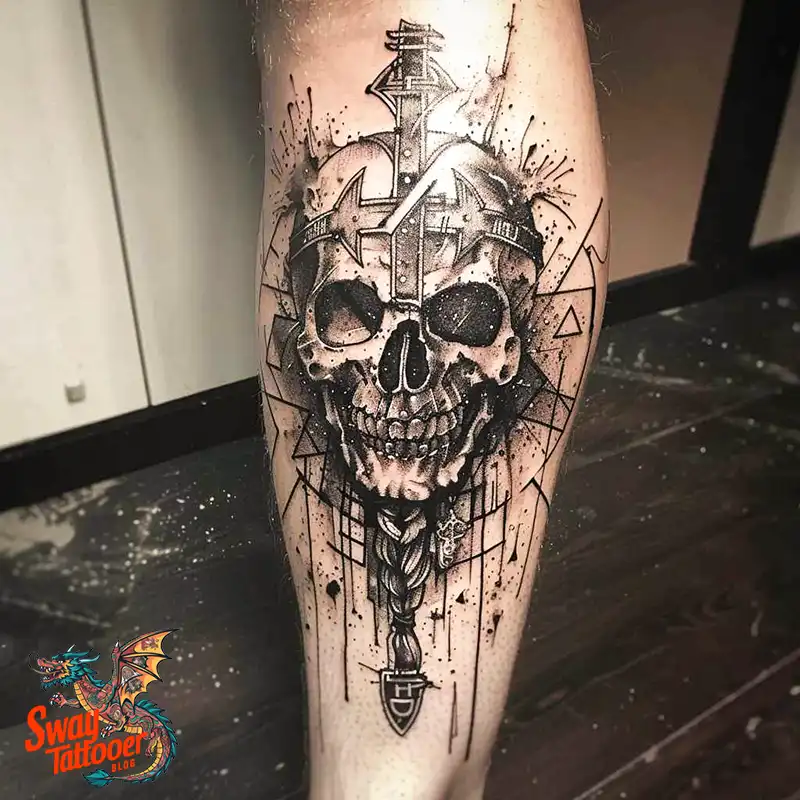
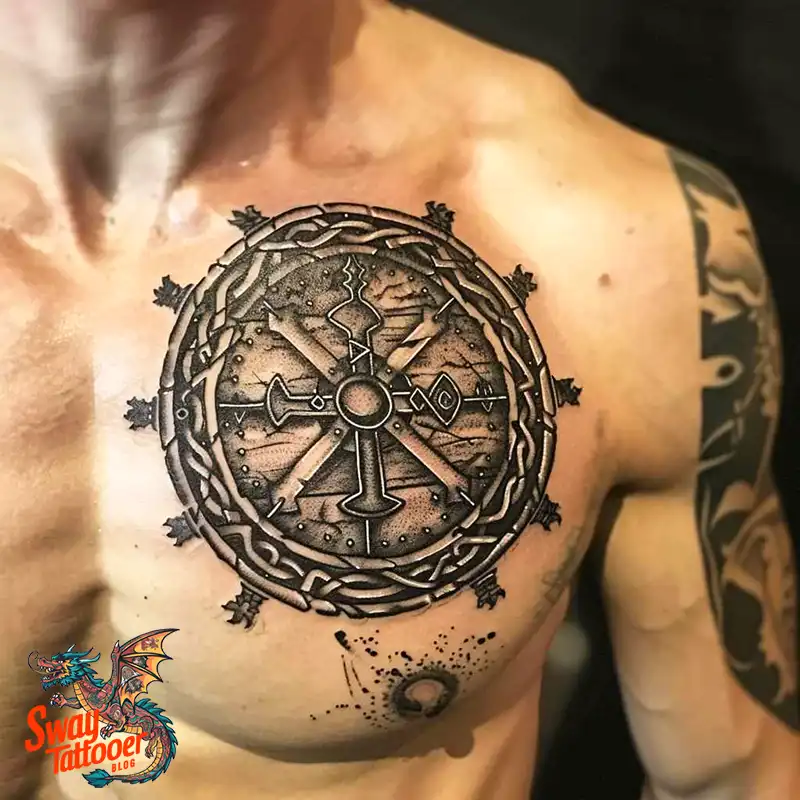
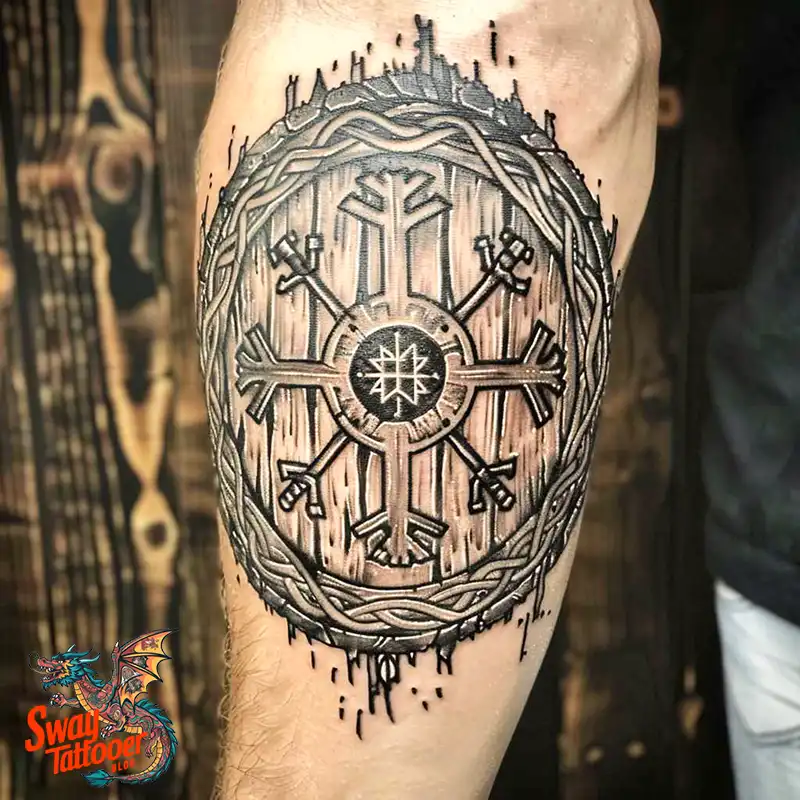
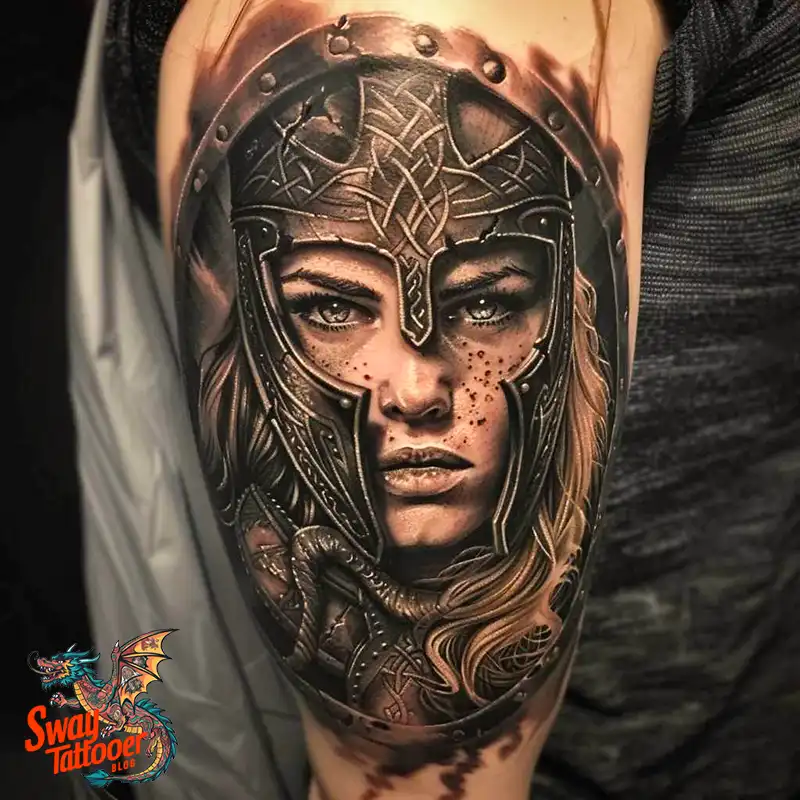

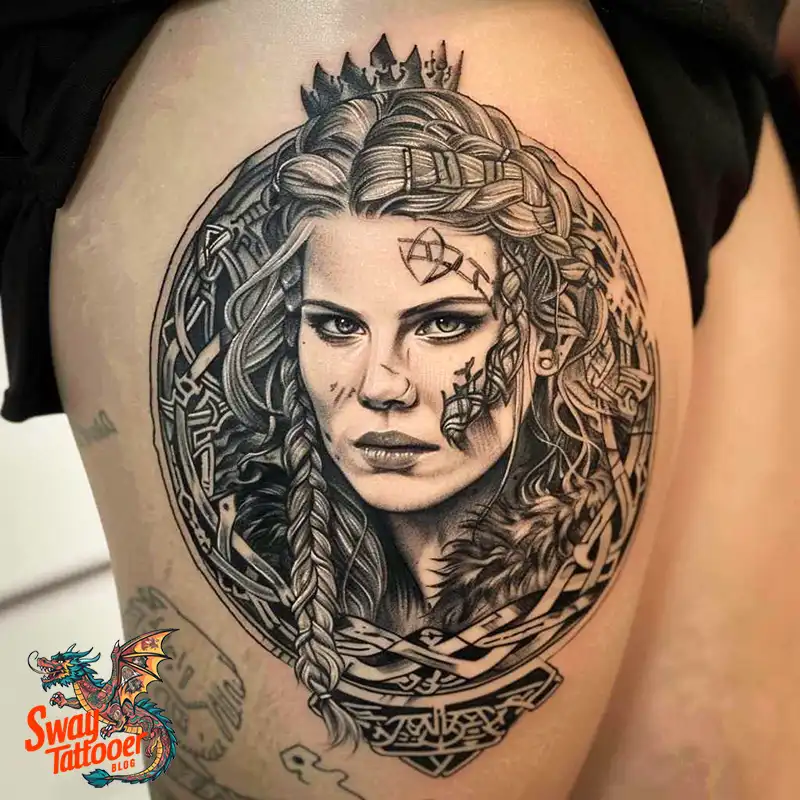
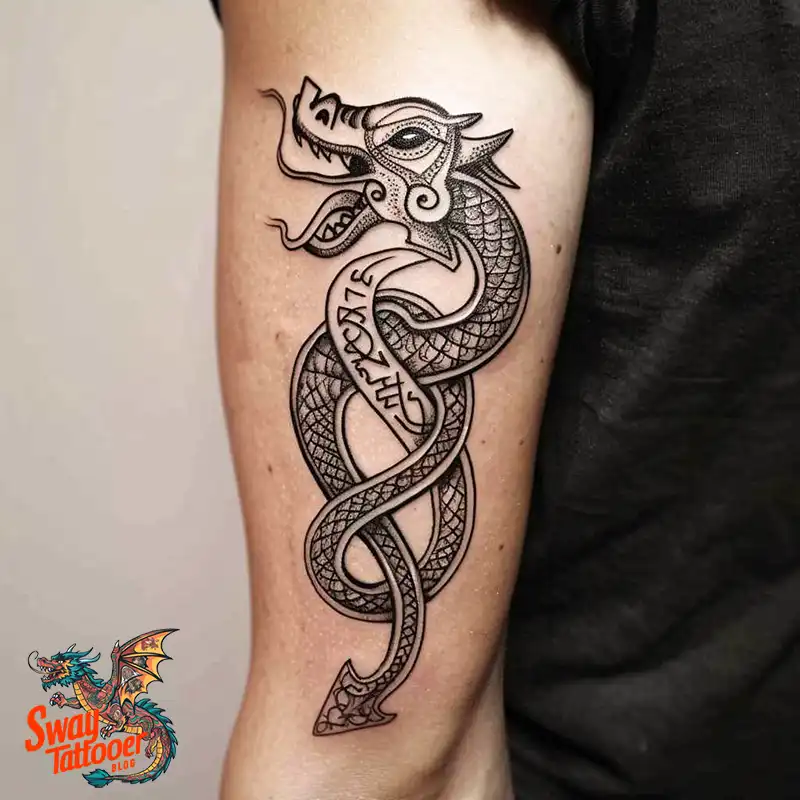
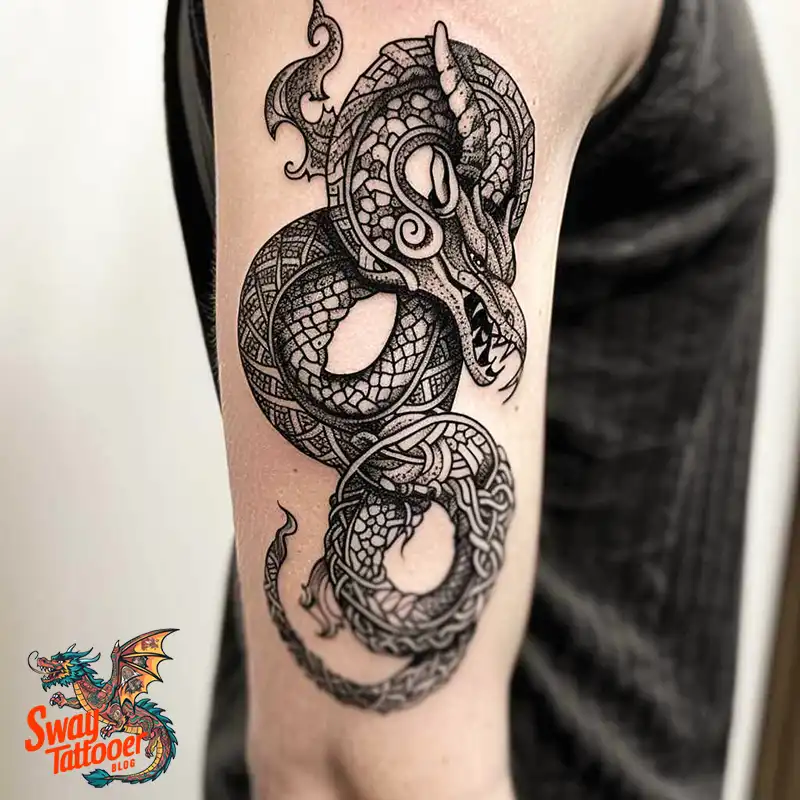



Aftercare: Protecting Your Shield
The tattoo is a wound. If you don’t care for it, your ink will fade or blur. I always give my clients these three rules:
- Keep it clean: Wash it 2-3 times a day with mild, scent-free soap.
- Lotion is a must: Use a tiny bit of tattoo balm like Viking Revolution. Don’t overdo it! If it looks greasy, you used too much.
- Hide from the sun: The sun is the enemy of black ink. Once you heal, use a strong sunscreen (SPF 50) every single day.




FAQs:
I hear these five questions every week in my shop. Here is the truth behind the ink:
1. Did real Vikings actually have tattoos?
We are not 100% sure. Human skin does not last for a thousand years in the ground. But we have great clues. An Arab traveler named Ahmad Ibn Fadlan saw Vikings in the year 921. He wrote that they had dark green “trees and figures” from their nails to their necks. Most of us in the industry believe these were permanent marks.
2. What is the most powerful Viking tattoo to get?
The Valknut is seen as the most powerful sign. It has three interlocking triangles. It is the symbol of the god Odin and represents the link between life and death. In my shop, people get it to show they are brave and ready for any challenge.
3. Is the Viking Compass a real ancient symbol?
The Vegvisir, or “Wayfinder,” is very popular, but it is not from the Viking Age. It first showed up in an Icelandic book in the 1800s. Even so, I love tattooing it. The meaning is great. It says that the wearer will never lose their way, even in a bad storm.
4. What color should I pick for a Norse design?
Stick with black or dark blue. Historically, they likely used wood ash or soot to make their ink. “Nordic Blackwork” is a style that uses heavy black ink and dots to make the art look like old stone carvings. These dark colors also stay sharp on your skin for a much longer time than light ones.
5. Can I get a Viking tattoo if I am not from Scandinavia?
Yes, you can. These symbols stand for values like strength, honor, and resilience. Most artists believe these values belong to everyone. I just ask my clients to do their homework first. If you know the story behind your ink, you are showing respect to the culture.
Final Thought:
Getting a Viking tattoo is a powerful way to mark your journey. Take your time, pick an artist who knows the history, and wear your ink with pride. Skål!
I have spent many years in my tattoo shop. In that time, I have seen thousands of designs. But few themes are as powerful as the Viking tattoo. When a client sits in my chair and asks for Norse ink, they aren’t just looking for a cool picture. They want to feel like a warrior. They want a link to a past full of strength and honor.
But as an artist, I always tell them one thing: we have to do our homework. Viking history is a bit of a mystery. We have no real proof that Vikings were tattooed because skin does not last for a thousand years. However, we do have some great clues.
Leave a Reply